
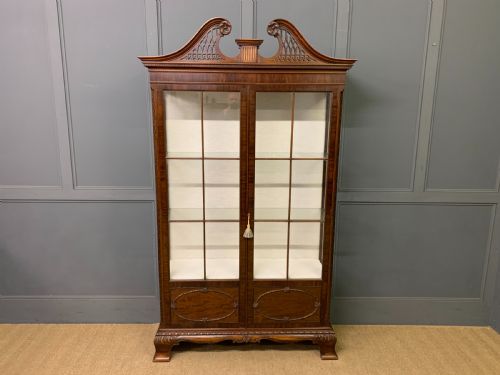
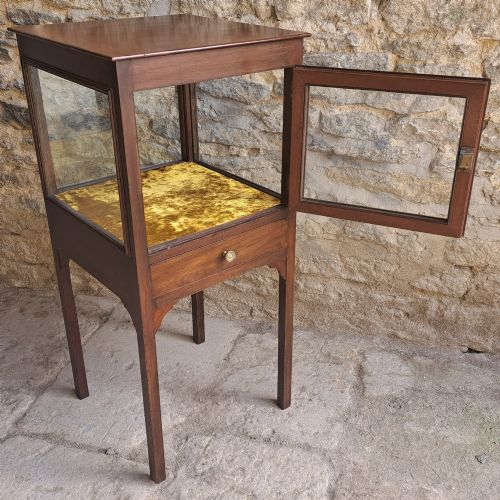


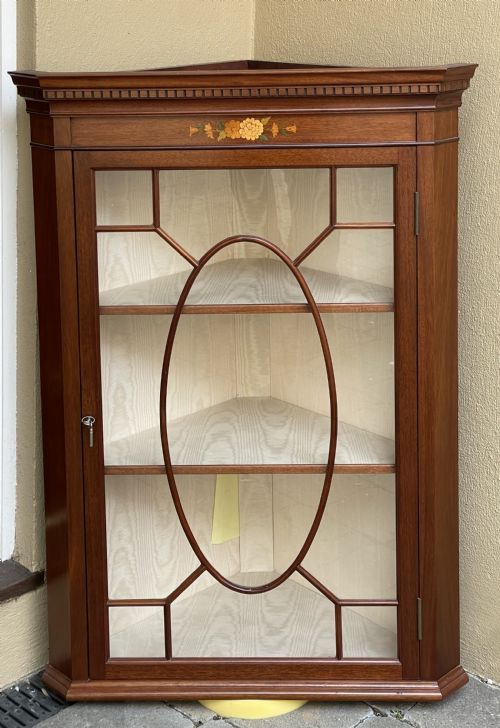

Georgian Mahogany Vitrine
A georgian mahogany vitrine brings architectural timber and clear glass together to display treasured objects with quiet domestic elegance.
Georgian Mahogany Vitrine
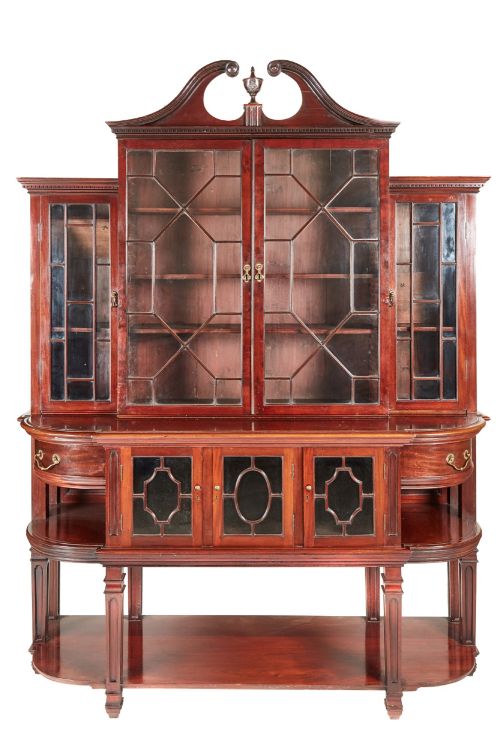
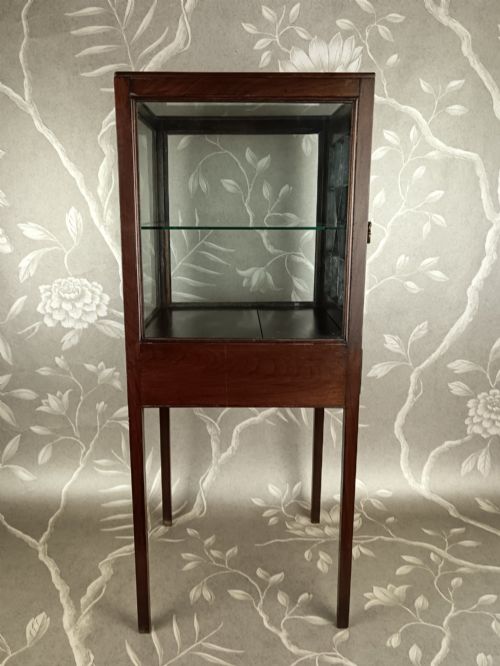
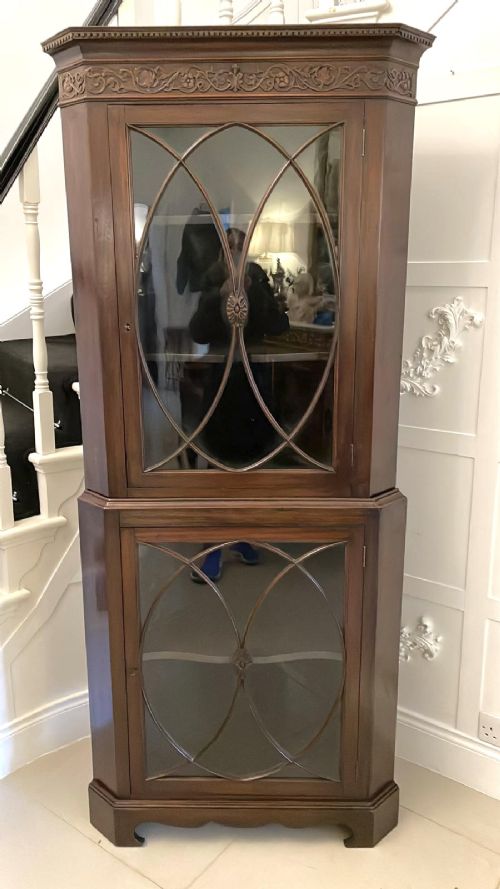
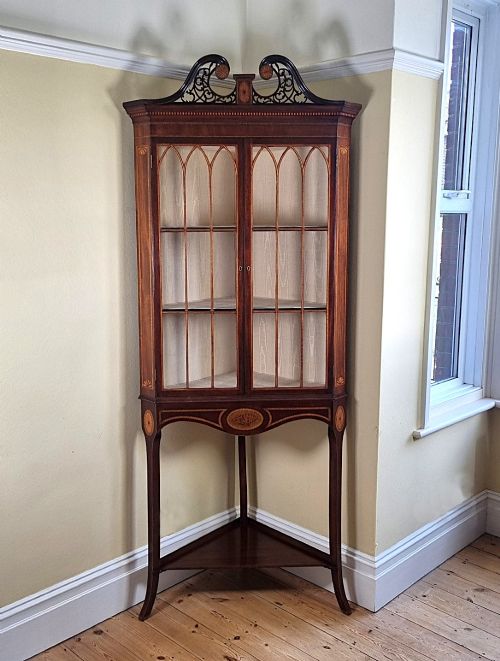
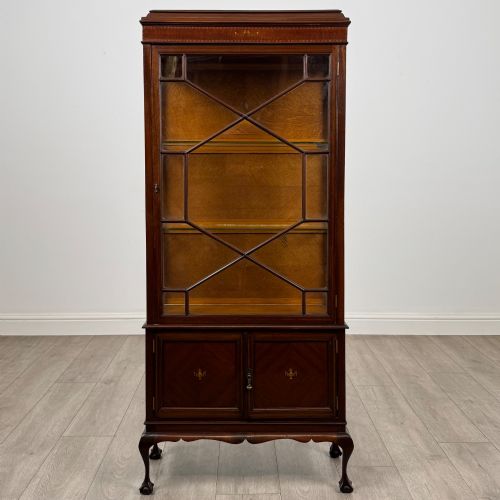
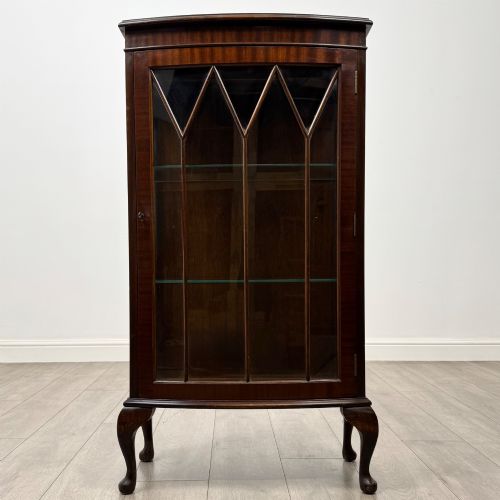
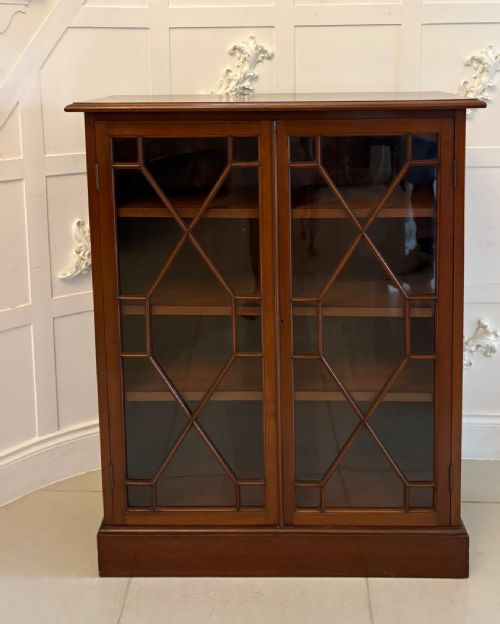
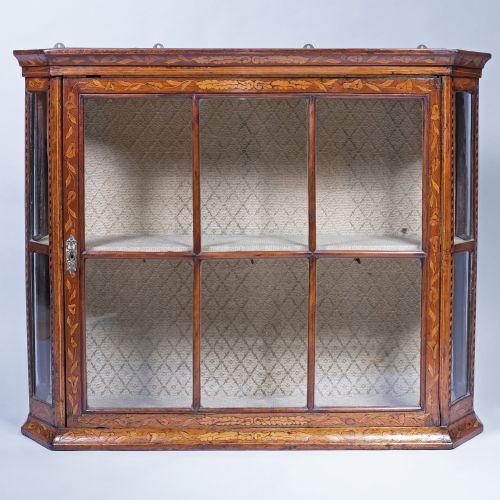
A georgian mahogany vitrine encompasses tall breakfront bookcases, glazed corner cupboards, and display cabinets on stands originating from various periods including the eighteenth century and later revival eras. Buyers encounter numerous corner cabinets and wall-mounted versions alongside freestanding display furniture designed to house porcelain and curiosities.
Materials and construction methods
Makers constructed these cabinets using dense solid mahogany and selected veneers, frequently enhancing surfaces with contrasting satinwood inlay, marquetry, and delicate brass hardware. Glazing bars divide the glass panes into geometric patterns, supporting the large transparent areas necessary for interior viewing.
Internal joinery relies on traditional framing techniques to support heavy glass doors and shelving, while applied decorative elements such as carved fretwork or painted details define specific revival styles from Chinese Chippendale to Sheraton.
Several corner cabinets hide their contents behind curved bow fronts, giving polite hospitality to stray corners since the Georgian period.
Distinctions in execution and design
Quality reveals itself in the crispness of carved mouldings, the precision of inlaid satinwood or marquetry details, and the proportional harmony of the timber grain. Superior examples exhibit refined planning in the arrangement of glazing bars and the selection of figured mahogany veneers across prominent surfaces.
Subtleties in the handling of period revival idioms, from Gothic arches to classical astragal curves, separate standard production from exceptional cabinet work produced by notable workshops.
Waring & Gillow·Edwards & Roberts
The Georgian Mahogany Vitrine Glossary
- Vitrine
- A glass-fronted cabinet specifically designed for the display of fine porcelain, glass, or objets d'art. These pieces prioritise visibility through large glazed doors or panels.
- Astragal
- A small, convex moulding profile used to divide panes of glass within a glazed door or window. In cabinetmaking, fine astragal bars form delicate geometric lattices.
- Marquetry
- Decorative veneer work forming pictorial or geometric patterns using various coloured woods and botanical materials. Craftsmen applied these patterns to door panels and friezes.
- Breakfront
- A cabinet design where the central section projects forward from the flanking wings. This architectural feature creates depth and visual rhythm across the piece.
- Bijouterie cabinet
- A low display table or cabinet with a glazed top and sides intended for viewing small portable valuables from above. These items sit horizontally rather than upright.
Georgian Mahogany Vitrine: Frequently Asked Questions
What is a georgian mahogany vitrine used for?
These cabinets were originally designed to protect and display valuable ceramics, silver, and curiosities while keeping dust away from delicate collections.
Today, they serve the same purpose in domestic settings, offering a refined way to exhibit personal collections behind glass doors.
How do I distinguish original pieces from later revivals?
Examining the secondary timbers inside the cabinet, the type of screws used, and the hand-cut nature of the dovetails helps determine the age of the structure.
Revival pieces from the Edwardian era often replicate earlier Georgian and Chippendale styles using machine-prepared timber and different internal construction standards.
Where should I place a corner cabinet?
Corner cabinets utilise unallocated angles in a room, turning dead space into an effective display area without encroaching on the central floor space.
They sit flush against two adjoining walls, making them particularly suitable for dining rooms and drawing rooms with limited wall space.
How do I care for antique mahogany furniture?
Keeping wooden furniture away from direct sunlight and sudden temperature changes protects the polished mahogany surface from fading and the timber from splitting.
Applying traditional wax polish occasionally maintains the lustre of the grain without building up heavy silicone layers.