
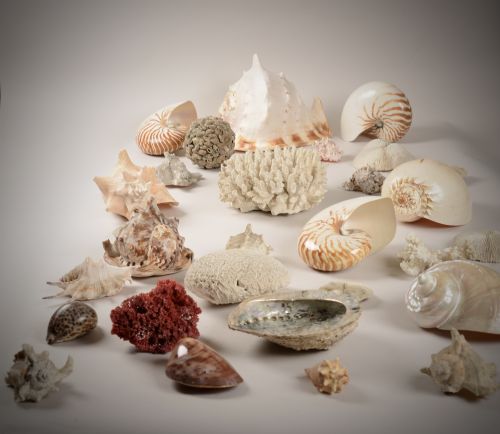


Antique Shell Cabinet
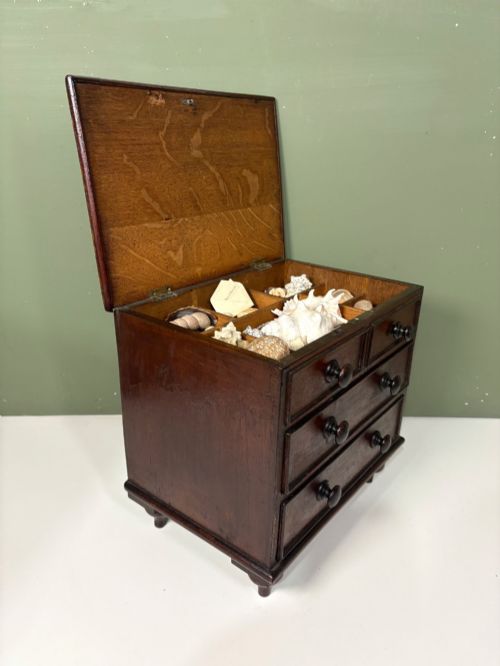
An antique shell cabinet gathers natural specimens and timber display furniture from the Georgian and Victorian eras, offering a tangible link to historical curiosity.
Antique Shell Cabinet
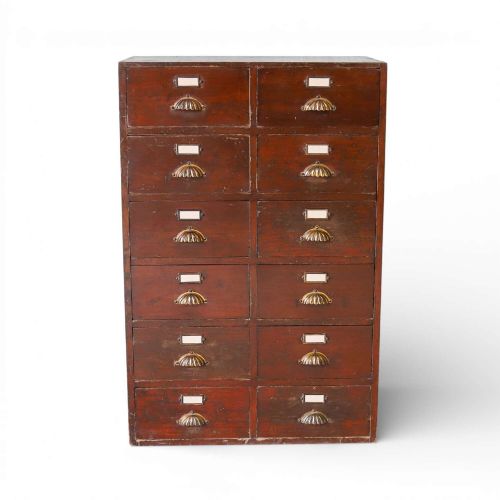
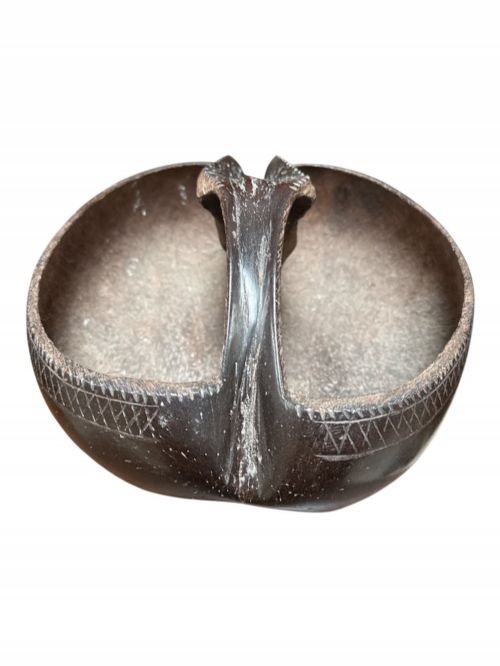
When searching for an antique shell cabinet, collectors encounter a diverse group of items spanning natural history specimens and timber display furniture. The selection includes Victorian specimens such as coco de mer, giant clams, and turtle shell carapaces alongside wooden storage pieces like mahogany corner cupboards and banks of drawers.
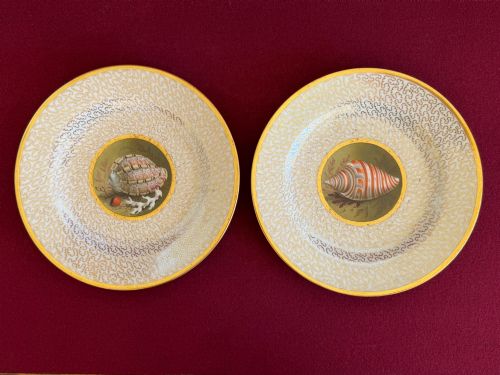
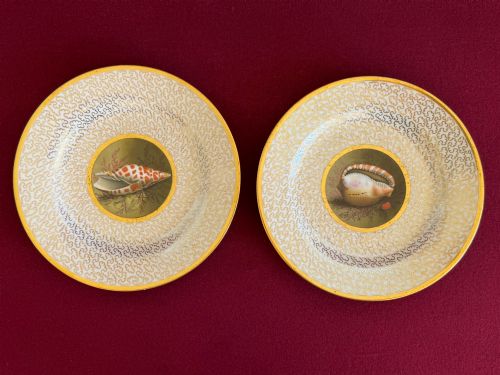
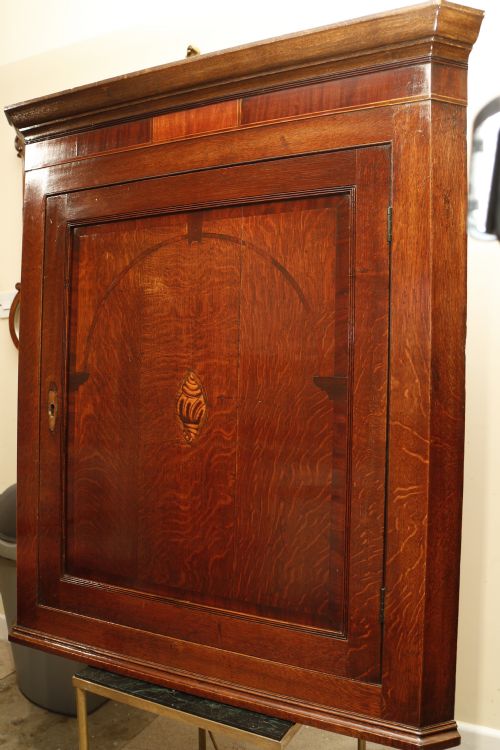
The most typical examples on this page unite display furniture with natural history, represented by Victorian mahogany shell cabinets and dedicated specimen displays. Alongside these sit Georgian corner cupboards and porcelain plates shaped like shells, reflecting the enduring domestic fascination with natural forms.
Materials and construction
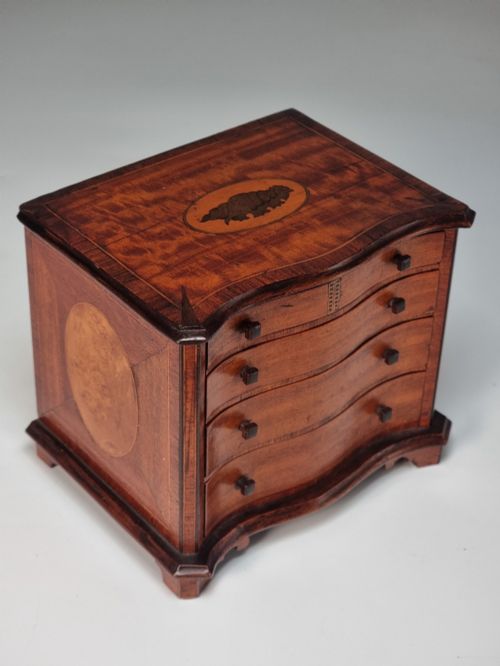
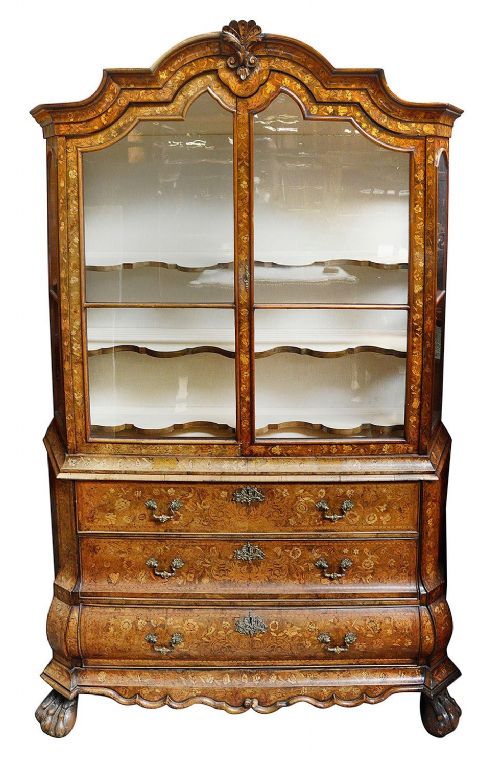
Makers utilised dense timbers such as mahogany, oak, walnut, and satinwood to build structural storage and display furniture, often incorporating glass doors and brass hardware. Inlaid marquetry and satinwood banding add decorative detail to eighteenth and nineteenth-century pieces.
Natural specimens incorporate untreated organic materials including natural shell, coral, turtle carapace, and fossilised ammonite. Selected plates utilise porcelain and enamel, painted with traditional motifs or formed directly into naturalistic contours.
A nineteenth-century cowrie shell bears the entire Lord’s Prayer carved across its delicate surface.
Judging quality in specimens and furniture
Quality in the wooden furniture rests on the selection of figured timbers, tight joinery, and the preservation of original brass pulls, label holders, and glass. Finer pieces demonstrate precise satinwood inlay and stable structural integrity across drawers and corner cupboards.
For natural history specimens, distinction lies in scale, complete preservation, and the clarity of surface details such as carved inscriptions or natural patterns. Specimens retain higher standing when their provenance or presentation format remains intact.
A. F. Lloyd, Bideford·Barr, Flight and Barr Worcester
The Antique Shell Cabinet Glossary
- Coco de Mer
- A large double coconut native to the Seychelles, gathered as a prized natural history specimen in the Victorian period. Its distinct bi-lobed shape made it a prominent fixture in cabinets of curiosities.
- Corner Cabinet
- A specialised storage unit designed to fit neatly into the corner of a room, appearing in oak and mahogany during the Georgian era. These pieces often feature glazed upper doors to display contents.
- Marquetry
- An artful technique of applying decorative veneer pieces in wood to form intricate patterns on furniture surfaces. Dutch makers frequently employed this method on eighteenth-century vitrines.
- Turtle Shell Carapace
- The bony protective case of a turtle, utilised historically as a decorative specimen or processed for decorative panels. Victorian examples display natural scute patterns and warm amber tones.
- Ammonite Specimen
- A fossilised marine mollusc shell preserved from the Jurassic period and mounted for display as a natural history object. These specimens highlight ancient spiral growth structures.
Antique Shell Cabinet: Frequently Asked Questions
What is an antique shell cabinet?
An antique shell cabinet encompasses both timber display furniture designed for specimens and the natural marine objects themselves, spanning the Georgian and Victorian periods.
These pieces reflect historical natural history collecting, uniting wooden cabinetry with organic forms like giant clams and coco de mer.
How were these cabinets used?
Cabinetry such as corner cupboards and banks of drawers served to organise household goods or showcase collections of natural curiosities within a domestic interior.
Natural specimens were displayed openly or housed within dedicated vitrines for study and admiration by visitors.
How do I live with these pieces?
Placing wooden display furniture in rooms with stable humidity protects timber joints, marquetry, and original glass panes from environmental stress.
Natural specimens benefit from indirect lighting to preserve organic shell colours and prevent degradation of fragile fossil or coral surfaces.
How can I tell periods apart?
Georgian pieces often display sturdy mahogany construction, bow fronts, and simpler architectural lines, while Victorian examples lean toward elaborate natural history displays.
Materials and construction techniques, such as hand-cut dovetails or specific porcelain body types, provide clear indicators of manufacturing eras.