
Victorian Collectors Chest
A victorian collectors chest is a specialised piece designed to safely house delicate specimens, bringing remarkable craftsmanship into domestic spaces.
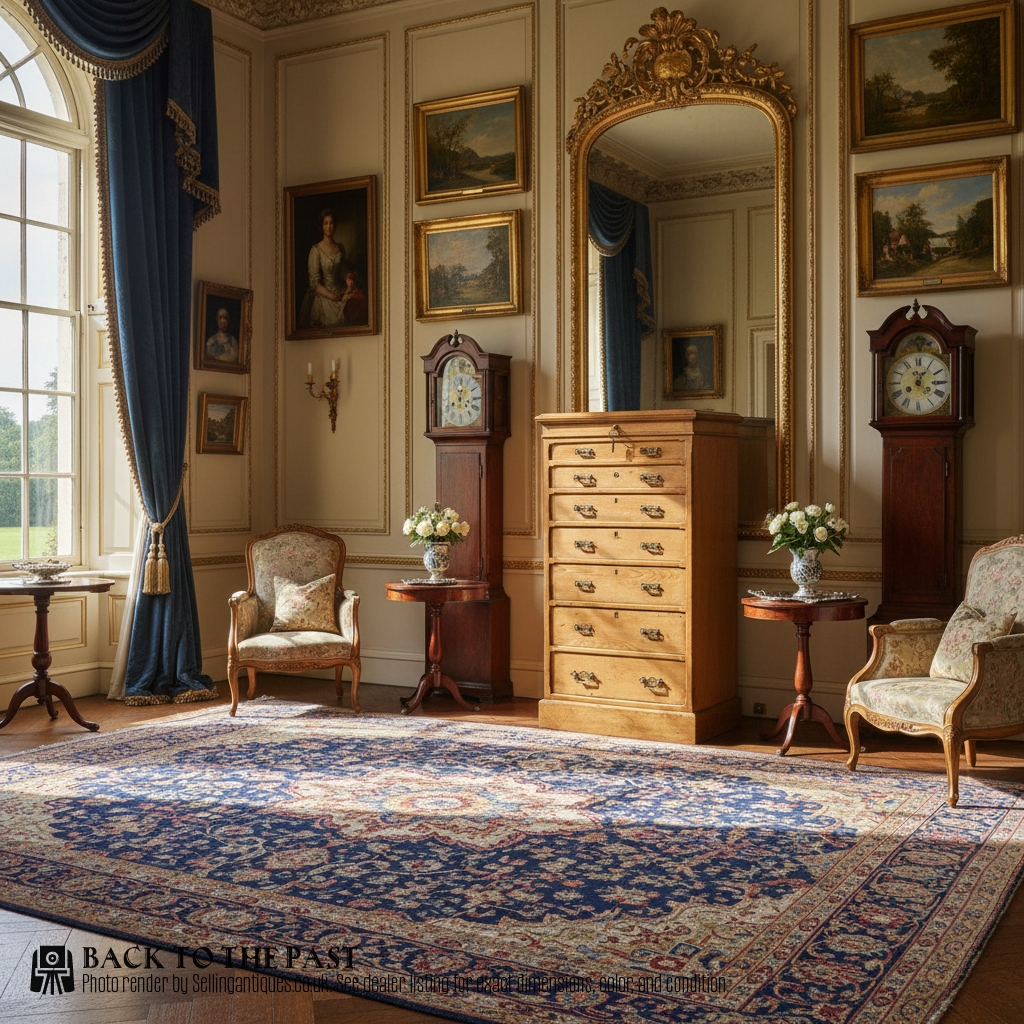
Form and Origin
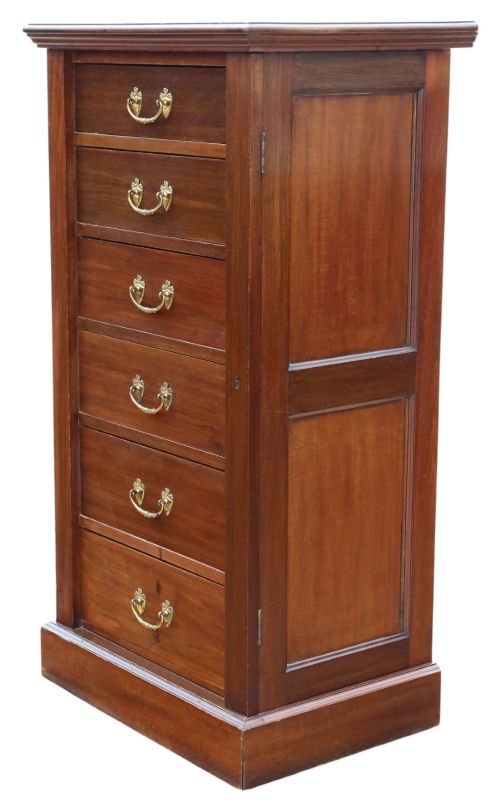
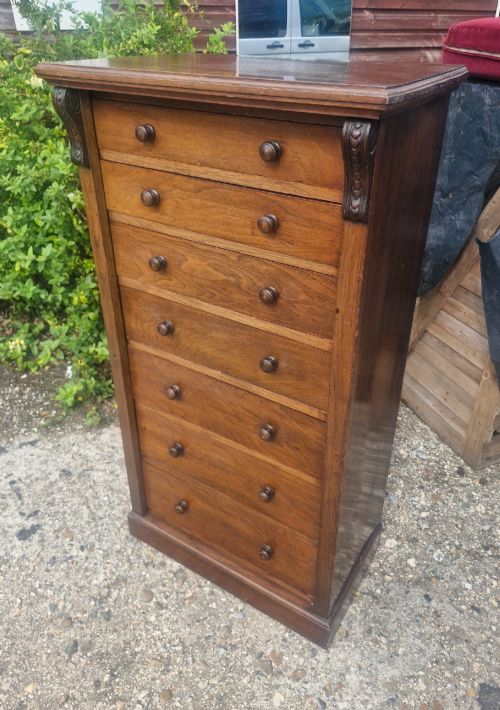
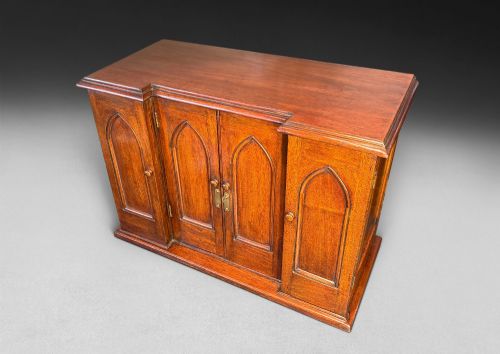
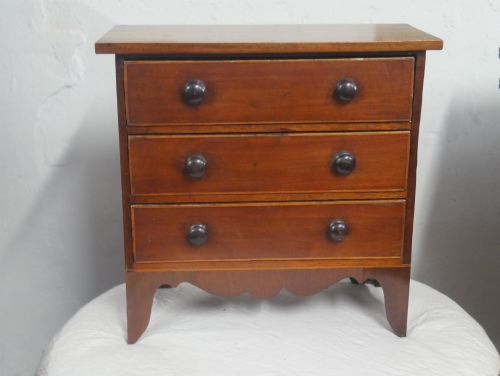
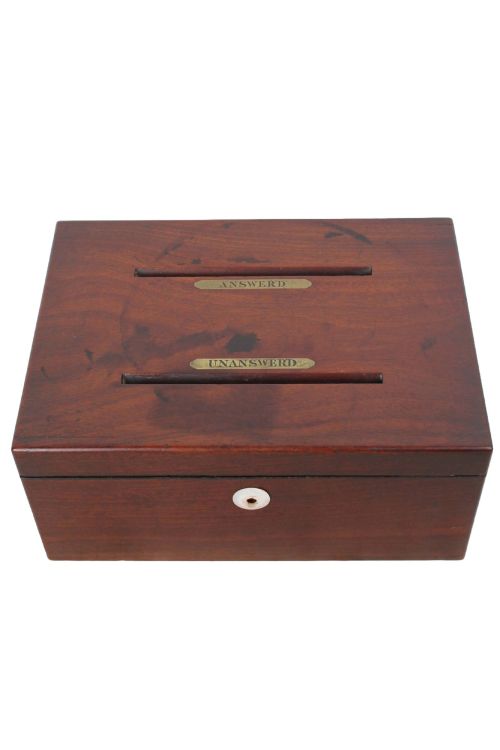
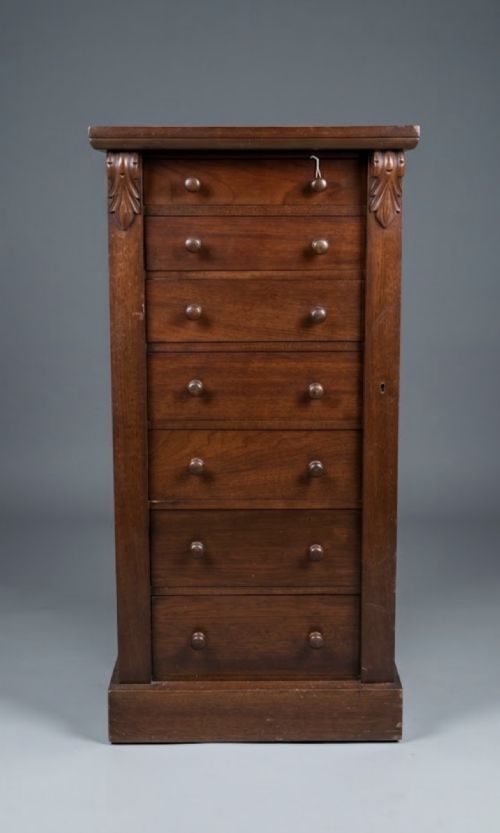
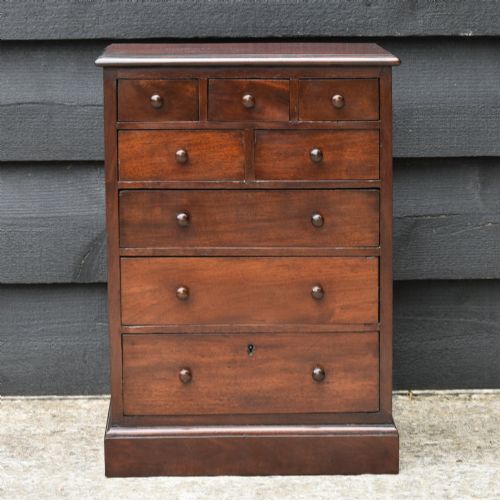
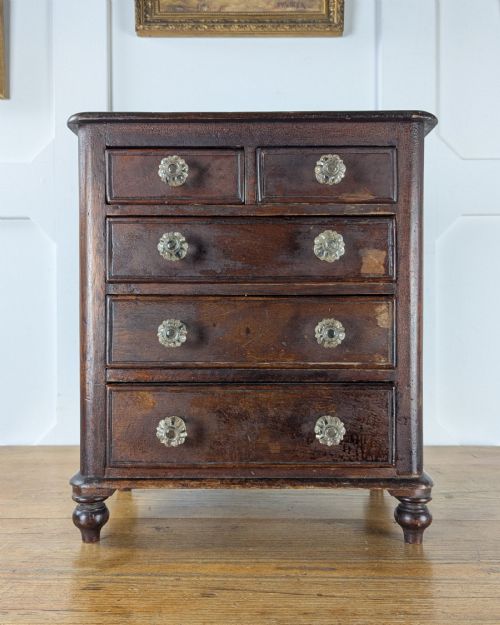
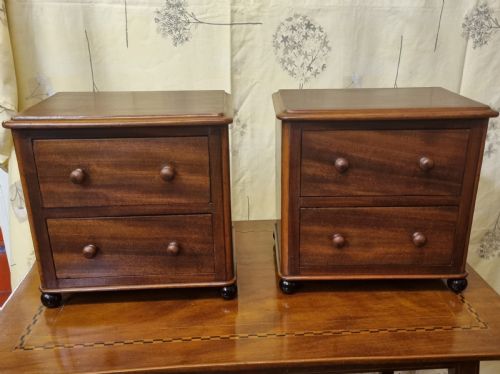
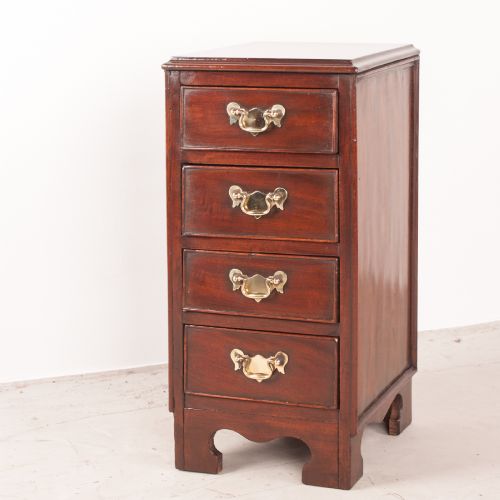
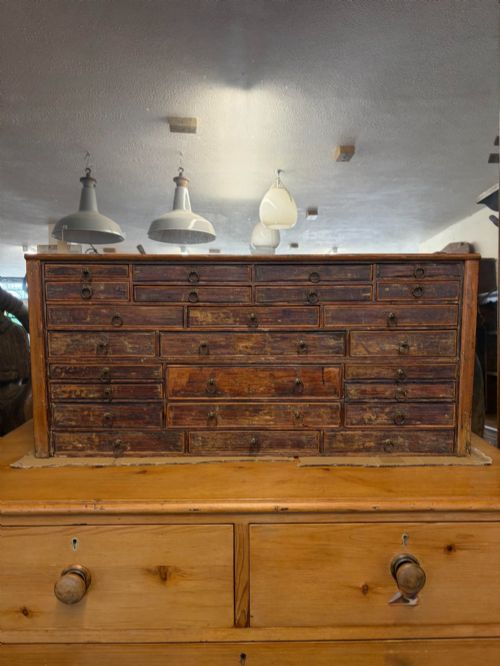
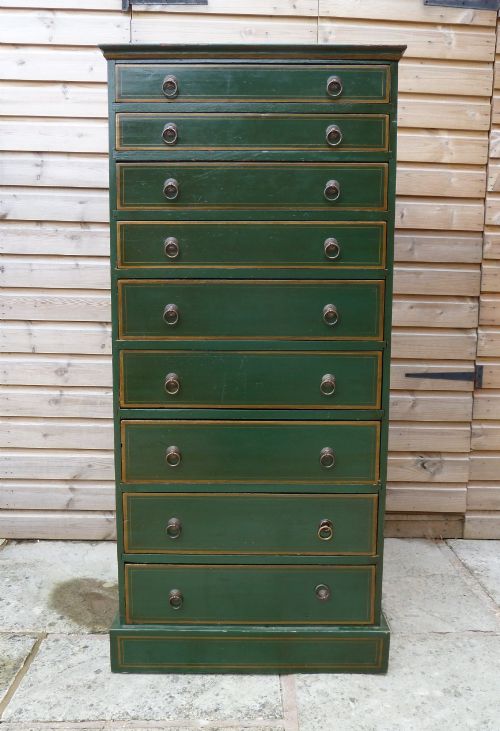
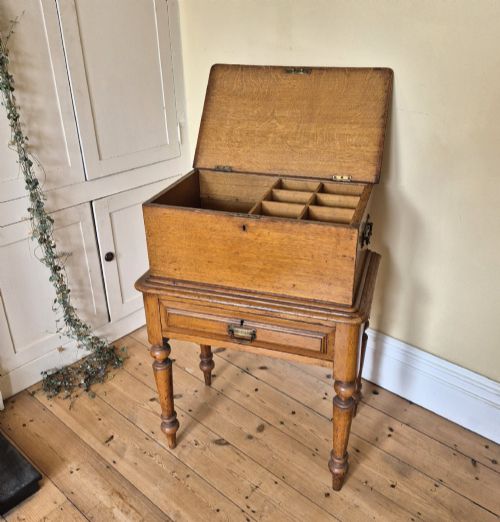
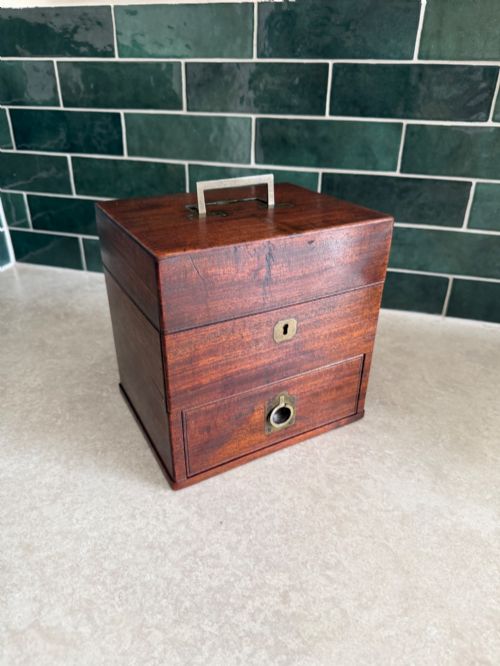
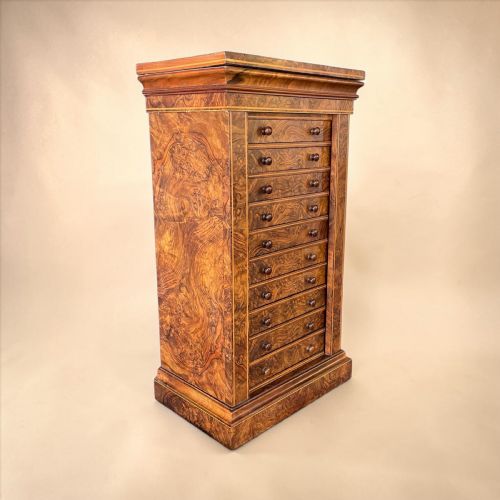
A victorian collectors chest takes the form of a specialised cabinet filled with numerous shallow drawers, built to organise and protect items such as insects, eggs, and minerals. These pieces emerge predominantly from the nineteenth century, ranging from compact desktop models and Wellington chests to large floor-standing storage cabinets.
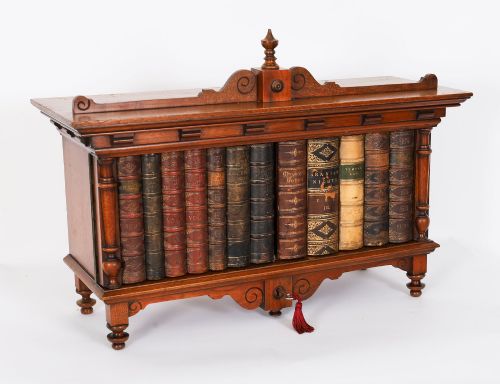
The typology encompasses specialist variants such as humidifier-lined cigar cabinets, dentist cabinets, and specimen cabinets designed for natural history collections. These pieces reflect a Victorian enthusiasm for classification, housing everything from butterflies and moths to botanical samples and small antiques.
Materials and Construction
Cabinetmakers utilised dense timbers like mahogany, oak, and walnut to construct sturdy outer carcasses capable of supporting rows of internal drawers. Burr walnut and flame mahogany veneers appear frequently on exterior surfaces, providing decorative grain patterns that contrast with plain secondary woods.
The numerous internal drawers require precise joinery to ensure smooth movement within tightly toleranced compartments, often incorporating glass tops or protective dust lips. Brass handles, flush pulls, and locking side stiles secure the contents, while secondary materials such as marble insert tops and maple linings add refinement.
Retail Price Guide 2026
Typical UK retail prices for victorian collectors chest, calculated from the Sellingantiques database of over a million retail prices indexed since 2003. This retail price guide relies exclusively on Sellingantiques data; no external sources or auction records are used, so the figures do not describe the wider market.
Victorian naturalists often spent decades pinning elusive moths into these exact shallow drawers by candlelight.
Assessing Quality
Superior examples demonstrate exceptional timber selection, such as perfectly matched burr walnut or unblemished flame mahogany veneers applied across the entire facade. The precision of the internal drawer construction separates standard storage from masterwork pieces, where every runner operates smoothly and joints remain tight after generations of use.
The integrity of original brass hardware, locking side pilasters, and fitted dust panels significantly elevates a piece. Cabinets retaining their original glass-topped drawers or containing period collections command attention for their completeness and historical survival.
Maple and Co
The Victorian Collectors Chest Glossary
- Wellington chest
- A tall, narrow chest of drawers characterised by a hinged locking side stile that secures all drawers simultaneously with a single key.
- Specimen cabinet
- A piece built specifically to store natural history samples, featuring numerous shallow drawers designed to protect delicate items.
- Humidor
- A specialised storage cabinet lined to maintain humidity levels, frequently adapted during the nineteenth century for cigar preservation.
- Apprentice piece
- A miniature version of a larger chest, traditionally made to demonstrate a woodworker's mastery before joining a guild.
- Veneer
- A thin layer of decorative timber, such as burr walnut or flame mahogany, applied over a stable secondary wood base.
Frequently Asked Questions
What did they store inside?
These cabinets housed scientific and natural history specimens, including butterflies, moths, bird eggs, shells, and botanical samples.
Collectors also utilised them for small valuables, coins, minerals, and occasionally cigars or medical instruments.
Are they suitable for modern homes?
Their compact footprints and numerous shallow drawers make them practical for organising jewellery, stationery, and small accessories.
Placed in studies or hallways, they serve as focal points that combine display utility with nineteenth-century craftsmanship.
How do I date these cabinets?
Dating relies on identifying period characteristics, timber choices, construction techniques, and stylistic influences like Aesthetic or Arts and Crafts.
Handles, drawer dovetailing, and secondary woods offer physical clues that narrow the manufacture down within the nineteenth century.