
Burr Walnut Bedside Table
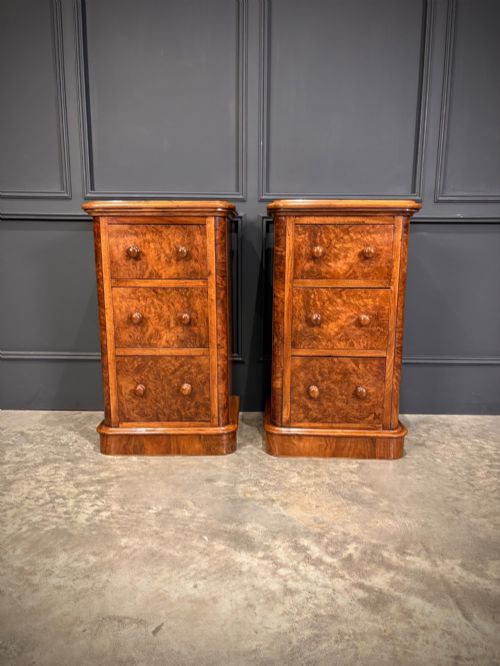
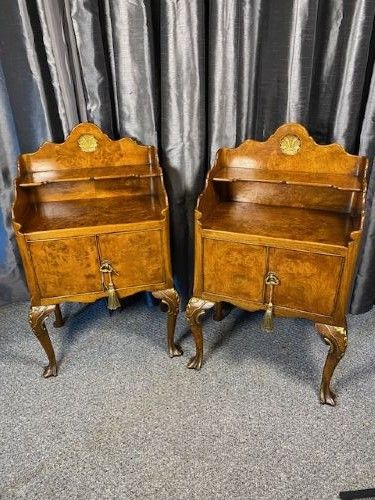
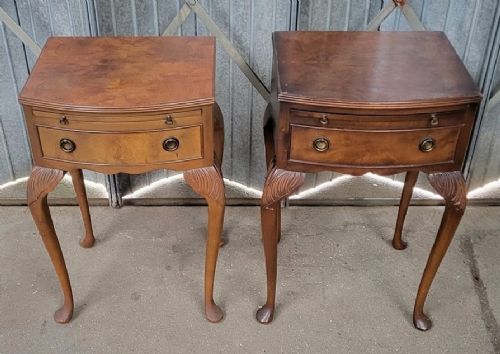
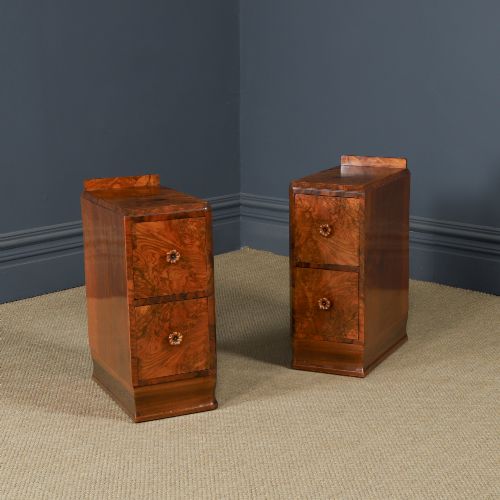
These burr walnut bedside tables offer deep swirling grain patterns that catch the light by the bed.
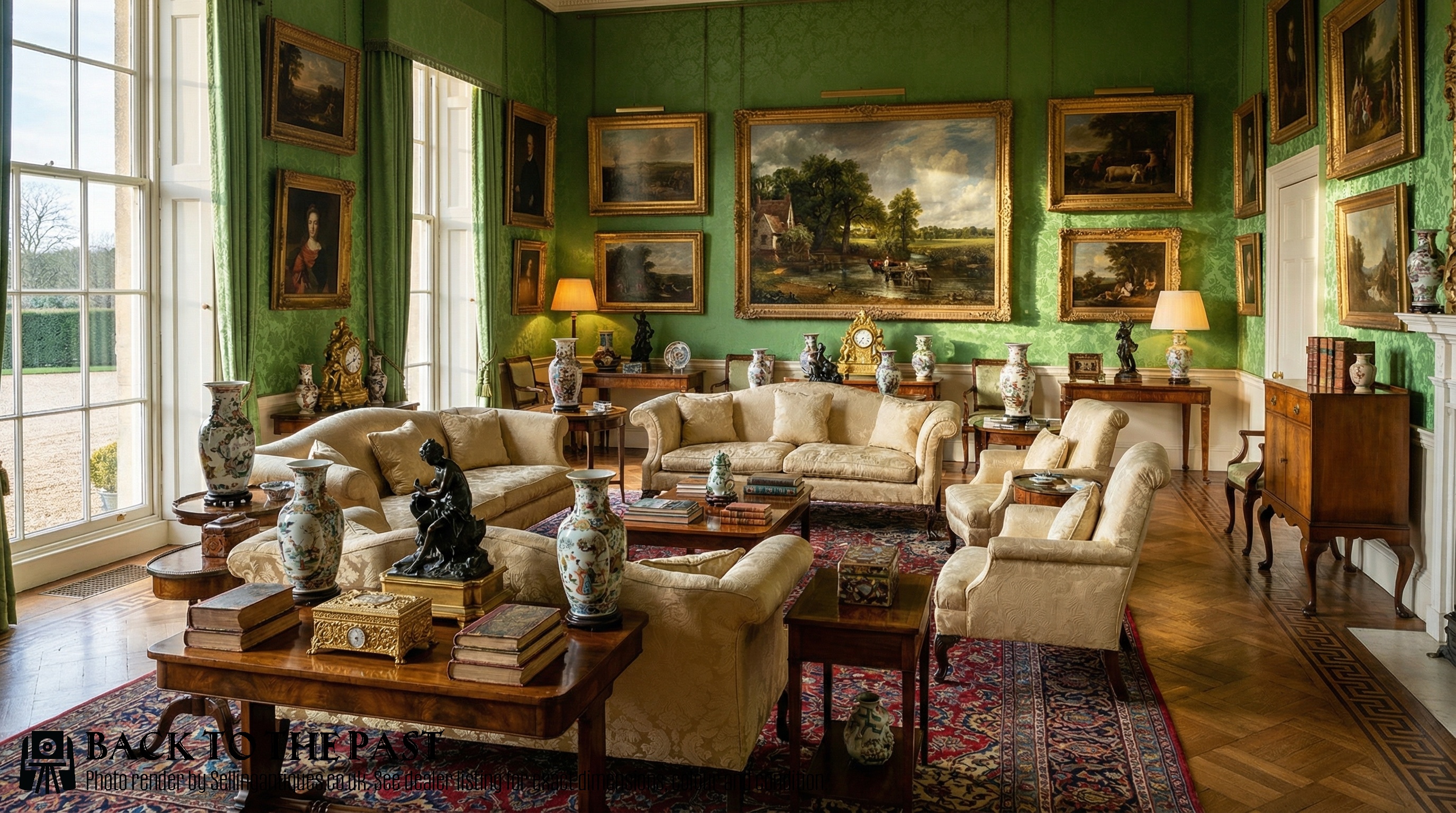
Burr walnut bedside table forms
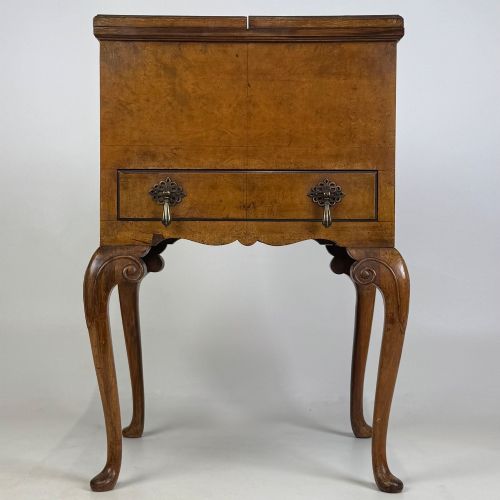
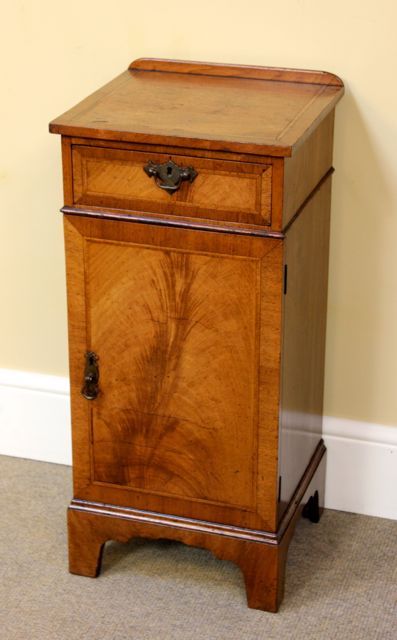
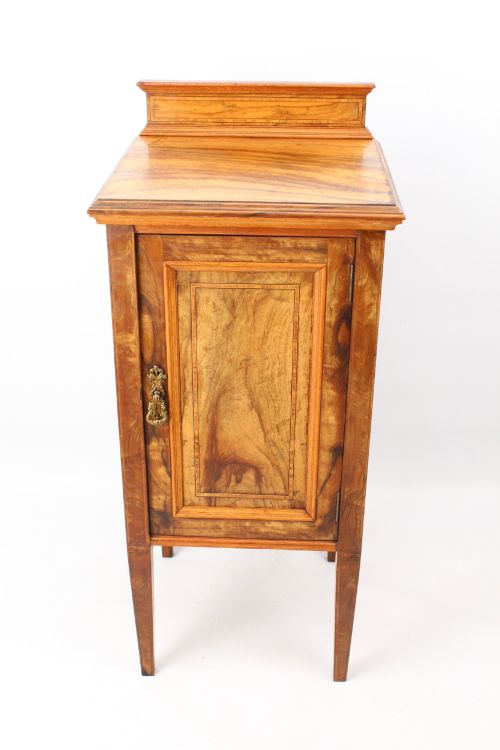
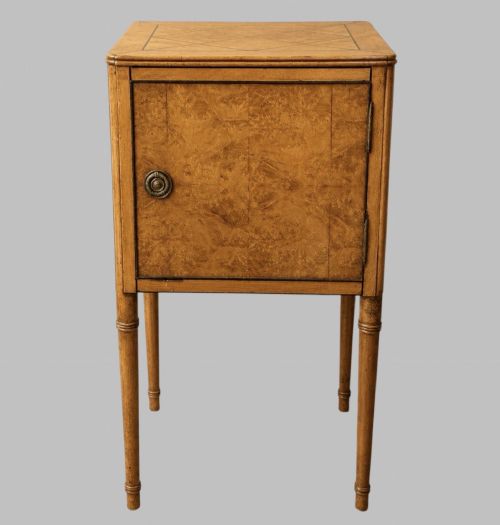
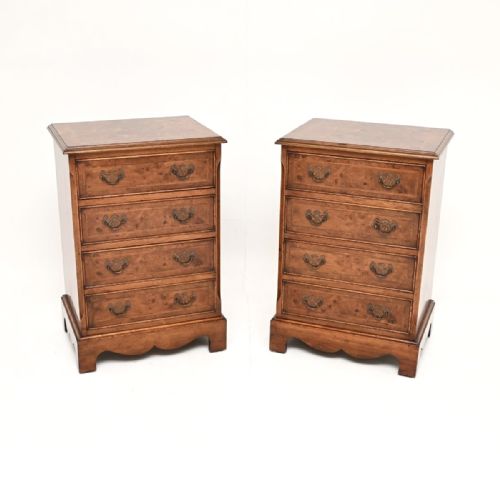
A burr walnut bedside table brings rich timber figure and practical surface space right beside the bed. Buyers search for these pieces to hold a lamp and a book while adding warm brown tones to the room. The selection spans compact cabinets, small chests of drawers, and occasional drop-leaf tables.
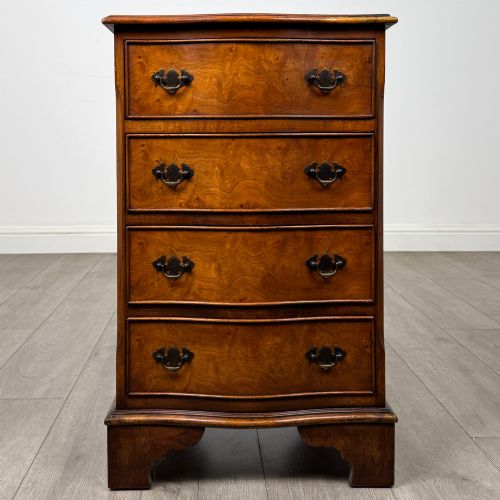
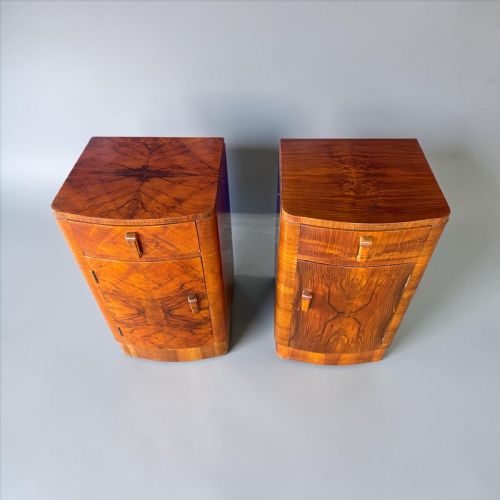
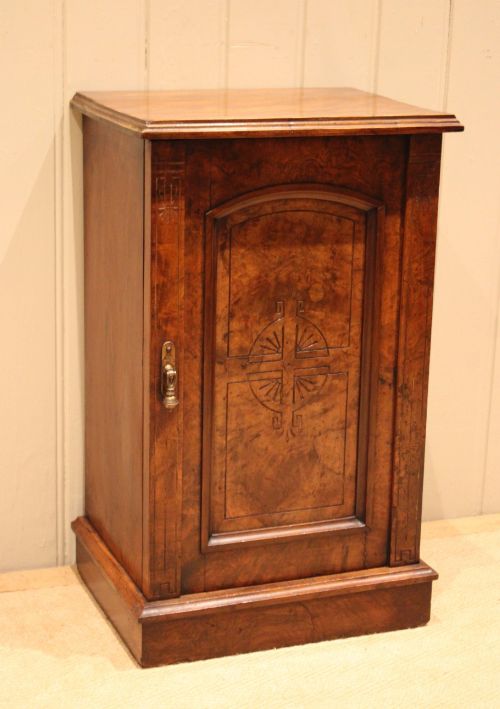
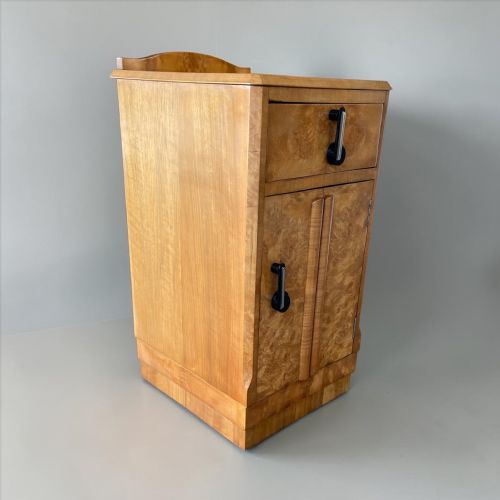
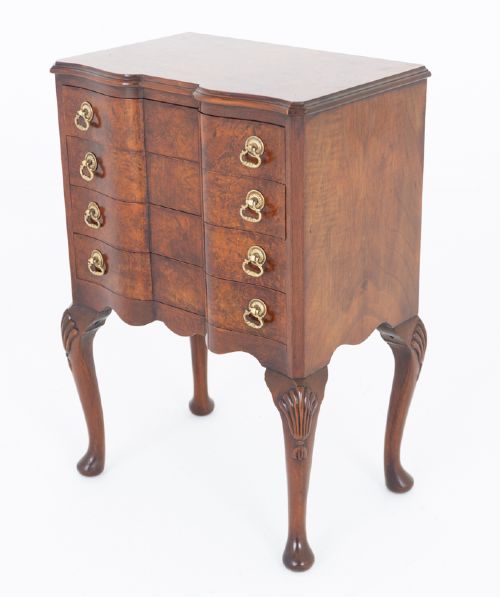
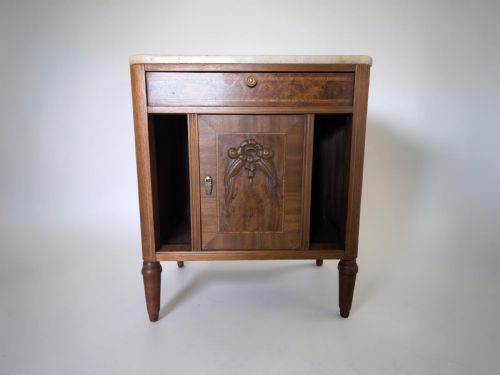
Most examples found here date from the Edwardian period through to the nineteen-twenties and nineteen-thirties, often following Queen Anne revival or Art Deco lines. Pieces range from simple single-door cupboards to serpentine chests and French-inspired designs with brass hardware.
Pairs appear frequently alongside individual cabinets, offering symmetrical placement on either side of a bed. Makers such as Maple and Co and Waring and Gillow occasionally mark these functional forms, linking utility with notable cabinet-making pedigree.
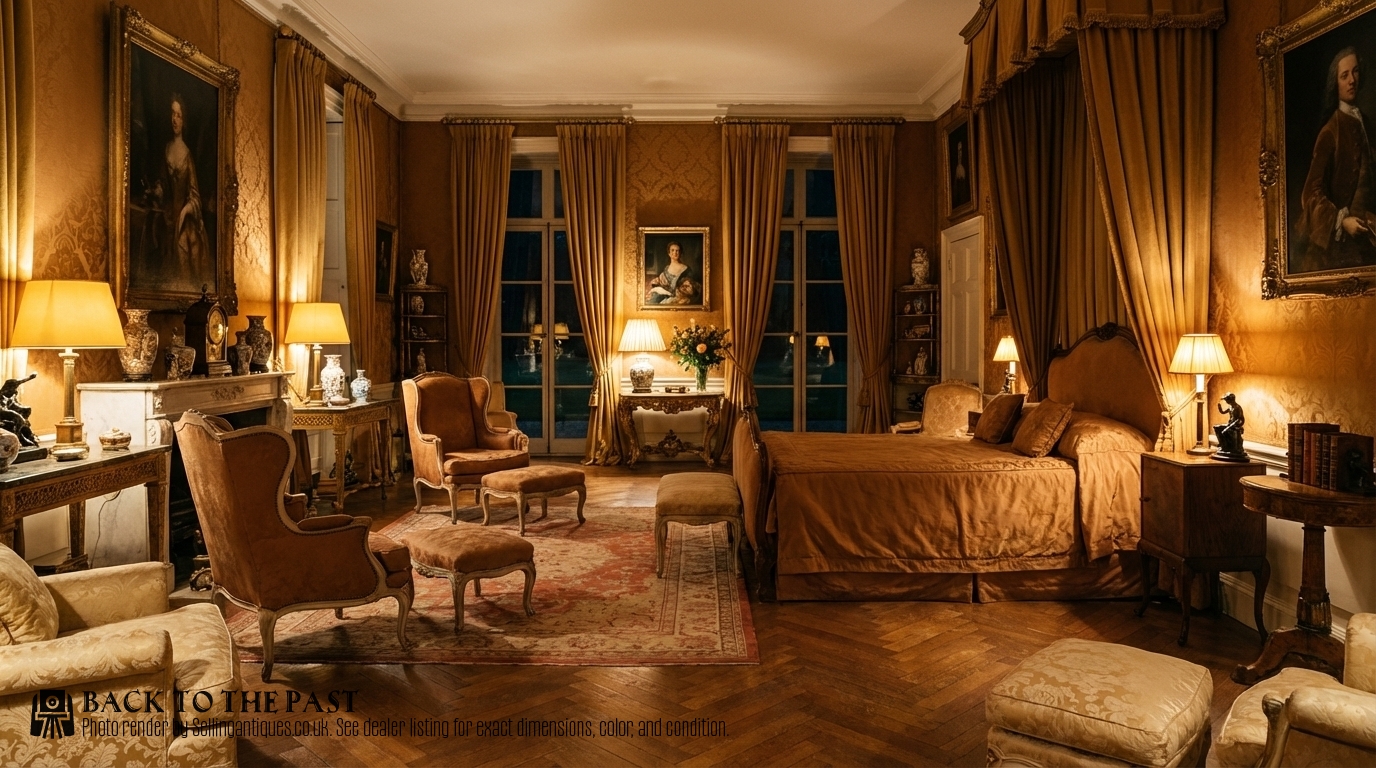
Materials and construction
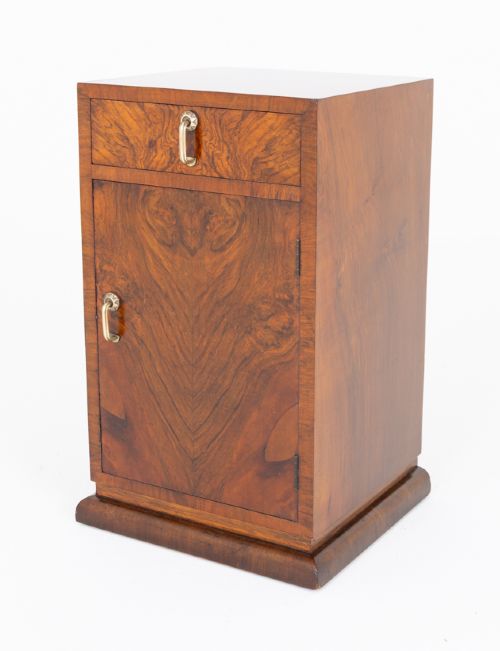
Cabinet-makers applied highly figured burr walnut veneer over solid wood carcases, using the knotty growth of the tree to create swirling patterns. This demanding technique required steady hands and expert timber selection to lay symmetrical grain across drawer fronts and cabinet doors.
Makers integrated brass handles, hinges, and occasional glass tops to complement the dark wood tones. Structural stability relied on traditional joinery, ensuring these small chests and cupboards withstood daily bedside use.
Retail Price Guide 2026
Typical UK retail prices for burr walnut bedside table, calculated from the Sellingantiques database of over a million retail prices indexed since 2003. This retail price guide relies exclusively on Sellingantiques data; no external sources or auction records are used, so the figures do not describe the wider market.
Materials recorded across these tables include solid wood, brass hardware, and burr walnut veneer.
Gradations of craftsmanship
The distinction between standard commercial output and superior craftsmanship rests in the matching and continuity of the burr walnut veneer. Finer examples display carefully aligned grain patterns that wrap seamlessly around edges and drawers, showing intentional design rather than random application.
The choice of secondary timbers and the crispness of carved details, such as cabriole legs on Queen Anne style pieces, separate the workshop output of firms like Maple and Co from lesser production runs.
Maple and Co·Waring and Gillow
The Burr Walnut Bedside Table Glossary
- Burr walnut
- A veneer cut from the distorted growth or burr on a walnut tree, prized for its intricate, swirling grain patterns. This material forms the primary decorative surface on these bedside tables.
- Queen Anne style
- A revival design characterised by curving lines and pad or cabriole legs, popular during the early twentieth century. Many bedside cabinets adopt this aesthetic to echo eighteenth-century elegance.
- Drop-leaf table
- A table featuring hinged flaps on the sides that lift to extend the surface area. These versatile tops provide extra space when needed and fold down to save room.
- Serpentine
- A gently undulating curved shape seen on the fronts of certain Art Deco bedside chests. This silhouette adds visual movement to the piece.
Frequently Asked Questions
How do I date a burr walnut bedside table?
Dating these pieces involves looking at the overarching style, construction methods, and secondary timbers used inside the drawers. Edwardian examples often feature simpler lines, while nineteen-twenties pieces lean toward Queen Anne revival forms with cabriole legs.
Art Deco versions from the nineteen-thirties display geometric silhouettes and bowed or serpentine fronts. Maker stamps or labels inside the drawers provide the most direct confirmation of age and origin.
Are burr walnut bedside tables sold in pairs?
Many listings feature matching pairs of bedside tables, which were produced for symmetrical placement on both sides of a larger bed. These matched sets remain sought after for balancing bedroom layouts.
Individual tables also appear frequently, serving as versatile lamp or occasional tables in smaller spaces. Finding a true pair from the Edwardian or Art Deco period offers a cohesive look.
How do I care for burr walnut furniture?
Maintaining burr walnut requires keeping the wood away from direct sunlight and extreme temperature changes to protect the delicate veneer. Regular dusting with a soft, dry cloth preserves the polished surface.
Application of appropriate furniture wax occasionally helps nourish the timber and maintain its natural lustre without building up heavy residues.