
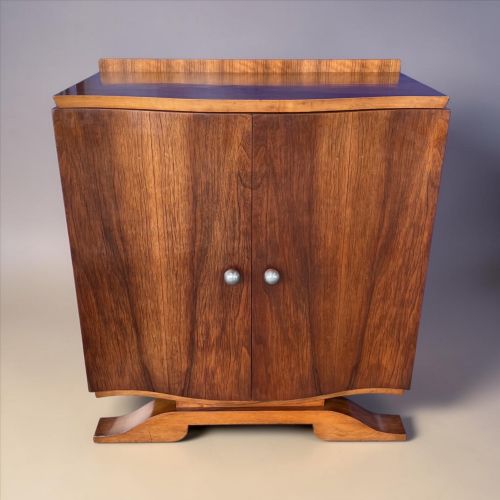
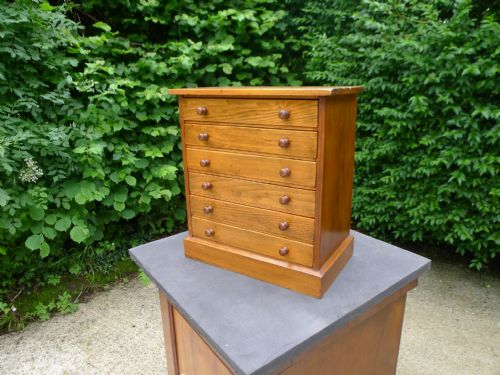


Small Walnut Storage Cabinet
A small walnut storage cabinet offers compact utility in rich timber, uniting period craftsmanship with practical domestic function.
Small Walnut Storage Cabinet
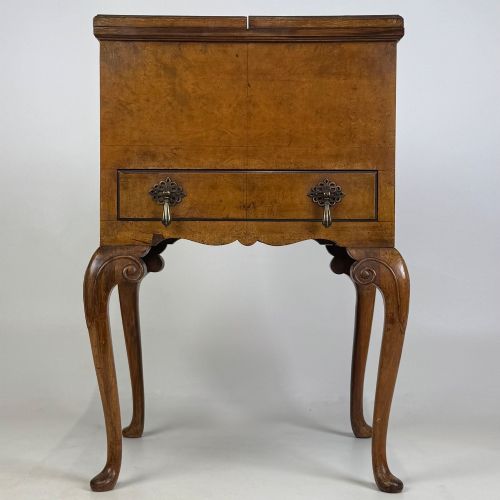
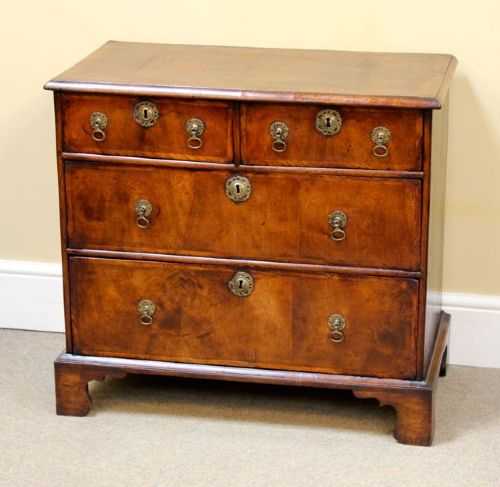
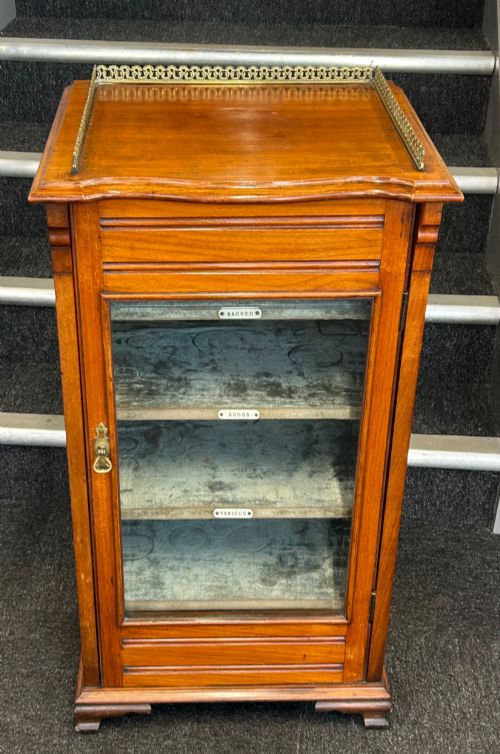
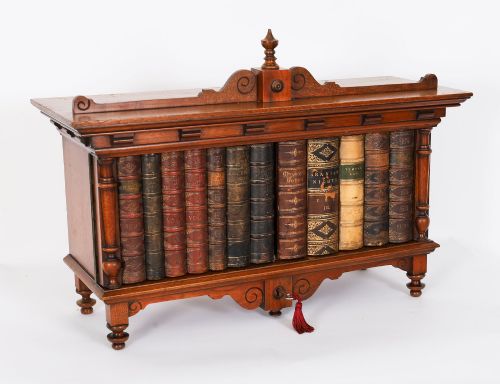
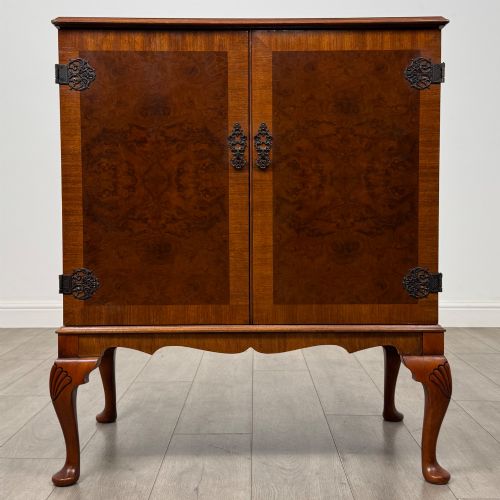
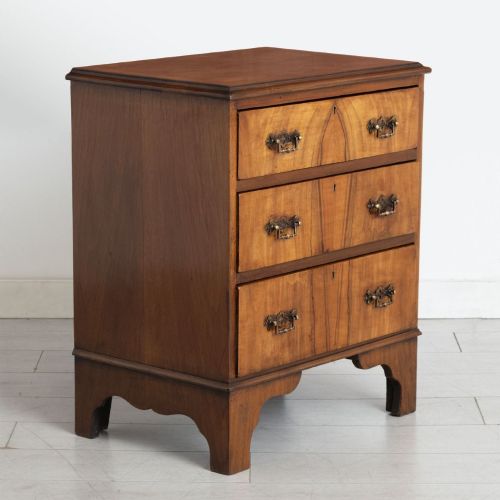
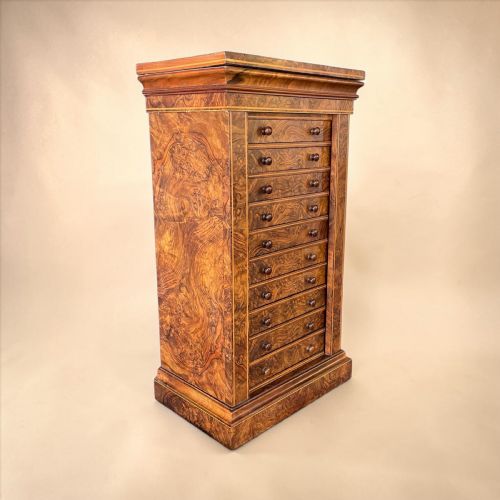
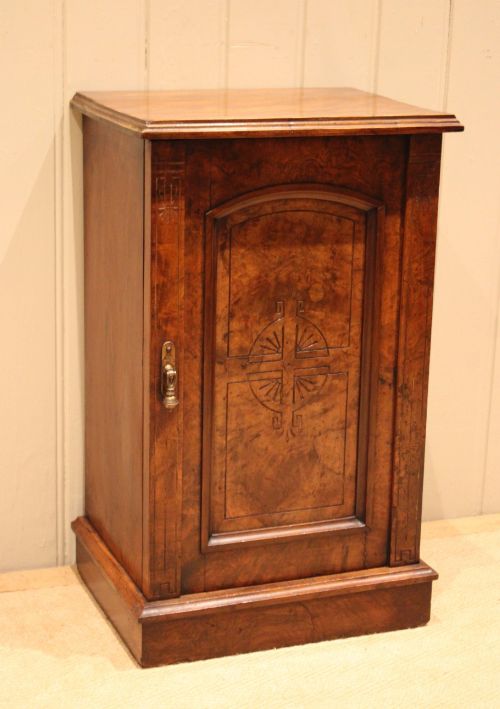
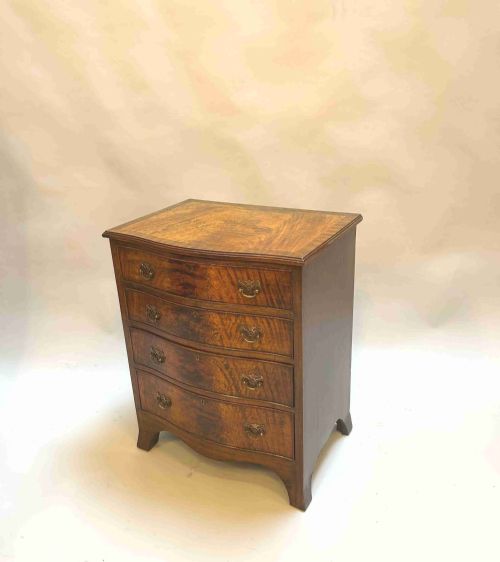
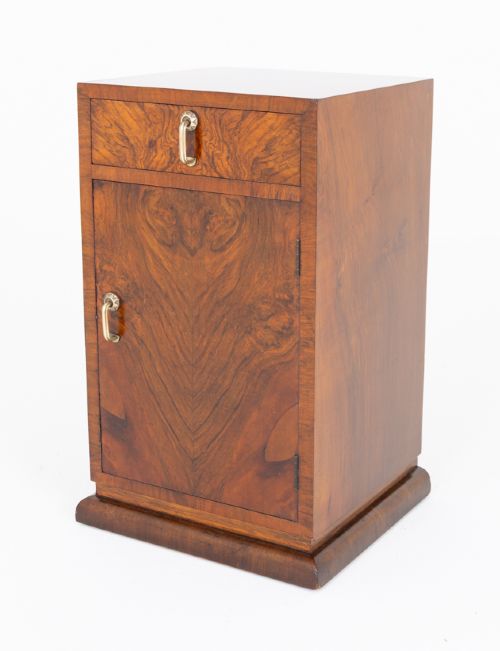
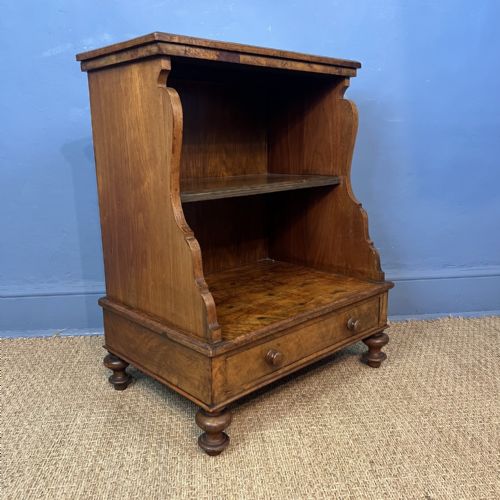
A small walnut storage cabinet comprises compact pieces designed to hold sheet music, collections, bedside items or household linens within domestic spaces. Buyers searching for a small walnut storage cabinet encounter forms ranging from Edwardian music cabinets and Victorian collectors chests to Art Deco bedside cupboards and Georgian-style chests of drawers.
The selection spans numerous periods, featuring Victorian, Edwardian, and Art Deco examples alongside 18th-century Italian commodes and George III drawer units. Walnut and burr walnut dominate the surfaces, occasionally supplemented by satin walnut or oak.
Most examples serve specific organisational roles, functioning as bedside cabinets, dwarf bookcases, or fitted cupboards. These utilitarian yet decorative objects reflect the prevailing taste of their respective eras, from late 19th-century revivalism to sleek 1930s design.
Materials and construction methods
Cabinet makers utilised solid walnut and figured burr walnut veneers over secondary timbers to achieve striking surface grain patterns. Brass hardware, glass doors, and marble tops appear across various pieces to complement the timber bodies.
Joinery techniques range from traditional dovetailed drawer construction in 18th-century chests to the clean lines found in 1930s Art Deco bedside cabinets and music storage units.
Small Walnut Storage Cabinet Retail Price Guide 2026
Typical asking prices for small walnut storage cabinet among the pieces listed under this phrase on Sellingantiques today, from the lower quarter to the upper quarter. They describe what is for sale here now, not the wider market.
Object types include chests of drawers, bedside cabinets, bookcases, music cabinets, and collectors cabinets.
Distinguishing quality in walnut cabinets
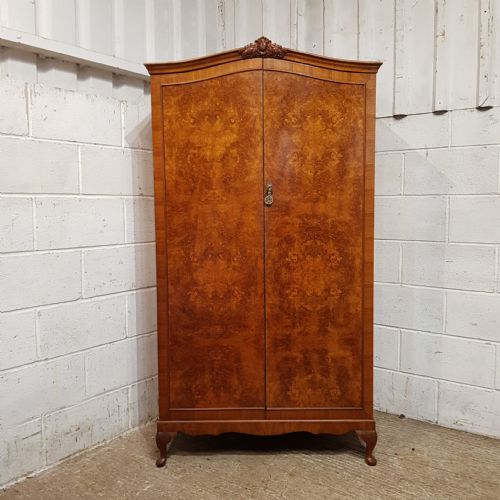
The selection of timber veneer dictates much of the visual appeal, with richly figured burr walnut commanding attention compared to plain walnut surfaces. Superior pieces display thoughtful book-matching and seamless grain continuity across doors and drawer fronts.
Execution of internal fittings, such as closely spaced drawers in collectors cabinets or custom shelving in music cabinets, marks the difference between standard production and exceptional workshop output.
Gordovil Spain·Whytock & Reid
The Small Walnut Storage Cabinet Glossary
- Collectors cabinet
- A specialist piece containing multiple shallow drawers intended for housing natural history specimens or small objects. They often include secure locking doors.
- Music cabinet
- A tall, narrow piece of furniture fitted with internal shelving or drop-front drawers designed to hold sheet music. Edwardian and Art Deco examples are common.
- Commode
- A low chest of drawers or cabinet originating in France, often featuring decorative marquetry or marble tops. 18th-century and 19th-century variants appear in walnut.
- Tambour
- A sliding door constructed from narrow vertical strips of wood glued to a canvas backing. This mechanism allows access to compact corner cabinets and nightstands.
Small Walnut Storage Cabinet: Frequently Asked Questions
What periods do these cabinets come from?
The listings span several centuries, starting from 17th-century Italian Baroque pieces through 18th-century commodes and George III chests.
Later examples transition into Victorian, Edwardian, and 1930s Art Deco designs, demonstrating evolving tastes in domestic storage.
How were music cabinets used originally?
Music cabinets served to organise sheet music and scores beside parlour pianos in Victorian and Edwardian homes.
Their internal shelving or specialised drop-front drawers kept paper goods flat and accessible.
What is a collectors cabinet?
A collectors cabinet is a specialised storage piece containing multiple shallow drawers designed for organising small artefacts or natural history specimens.
Examples range from table-top satin walnut chests to multi-drawer units in burr walnut.
How do I distinguish Edwardian from Victorian walnut?
Victorian walnut cabinets often display heavier proportions, darker black walnut tones, and elaborate carved details or pier glass.
Edwardian pieces tend to feature lighter burr walnut veneers, more restrained ornamentation, and influences from revival styles.