






Wooden Tambour Cupboard
These wooden tambour cupboard designs offer ingenious slatted sliding doors, bringing clever concealed storage to Georgian nightstands and twentieth-century filing cabinets alike.
Wooden Tambour Cupboard
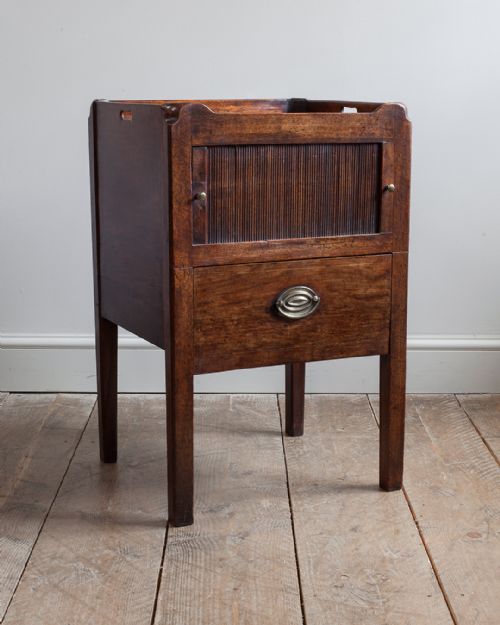
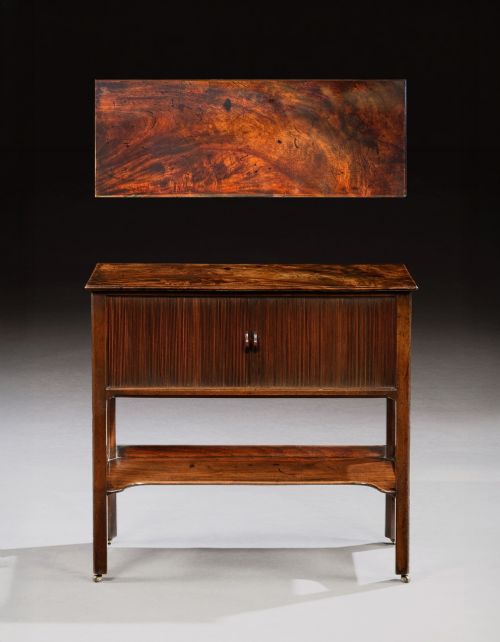
A wooden tambour cupboard uses flexible slatted sliding doors to conceal contents within compact furniture forms. Buyers searching this phrase encounter a fascinating mix of Georgian nightstands, office filing cabinets, and Dutch credenzas spanning several centuries.
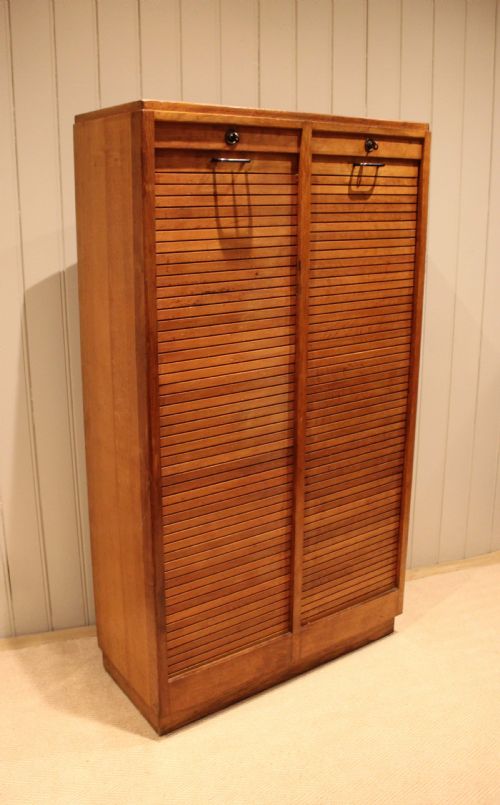
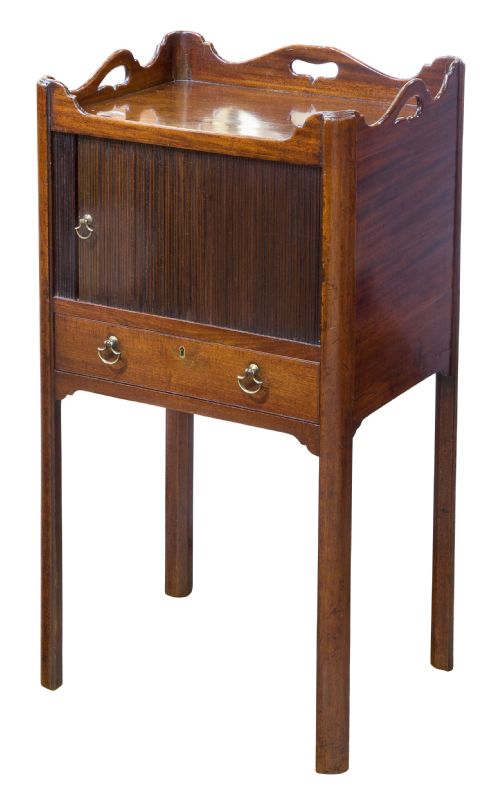
The selection ranges from eighteenth-century mahogany bedside tables with tray tops to sturdy oak and metal office furniture from the 1930s and 1940s. These pieces serve multiple roles in modern rooms, functioning easily as bedside tables, compact credenzas, or distinctive storage cabinets.
Georgian examples lean towards refined mahogany and serpentine fronts, while later pieces embrace utilitarian French oak or walnut construction. Every item shares the defining characteristic of the slatted sliding mechanism that tucks neatly into the sides of the furniture.
How they were made
Makers constructed these cabinets primarily using solid mahogany, oak, and walnut, frequently incorporating brass hardware and subtle inlay work. The defining tambour mechanism relies on narrow wooden slats glued to a fabric or leather backing, allowing the rigid wood to curve smoothly around tracks.
Cabinetmakers combined traditional joinery for the main carcase with precision woodworking for the slatted tracks to ensure the sliding doors operated without binding. Walnut and fruitwood veneers added decorative surface pattern, while brass feet and handles provided durable functional accents.
Current listings feature pieces spanning the Georgian period, the nineteenth century, and mid-twentieth-century industrial designs.
What varies in quality
Quality in these items rests upon the precision of the slatted sliding mechanism and the integrity of the surrounding timber carcase. Pieces with smooth-running tambour doors that glide effortlessly within their tracks show superior original construction and careful ongoing maintenance.
The choice of cabinet timber and decorative detailing further separates standard utilitarian pieces from exceptional examples. Finely grained mahogany with original brass fittings or delicate inlay work commands greater attention than plain utility models.
The Wooden Tambour Cupboard Glossary
- Tambour
- A flexible door constructed from narrow strips of wood attached to a canvas or leather backing. This clever arrangement allows the door to slide smoothly around a curved track and disappear into the sides of the cabinet.
- Nightstand
- A small bedside table designed to hold a lamp and personal items within easy reach. These often feature enclosed cupboards or drawers below the surface.
- Commode
- A decorative low cabinet or chest of drawers dating from the eighteenth century onwards. Many fine examples incorporate concealed storage behind sliding wooden slats.
- Credenza
- A sideboard or cabinet used traditionally for displaying or storing dining items. Examples from the eighteenth century often feature elaborate inlay and curved demi-lune profiles.
- Tray-top
- A tabletop finished with a raised rim or gallery edge to prevent items from rolling off. This practical feature appears frequently on Georgian bedside tables and nightstands.
Wooden Tambour Cupboard: Frequently Asked Questions
How do tambour doors work?
Tambour doors consist of thin vertical wooden strips fastened to a flexible backing fabric that runs along a recessed track. This enables the door to curve around corners and slide completely out of sight into the cabinet body.
This ingenious design saves external space where traditional swinging doors would require clearance room to open fully.
Where should I place a wooden tambour cupboard?
These versatile cabinets fit easily beside a bed, in a hallway, or serving as a compact credenza in a living room. Their enclosed slatted storage keeps clutter hidden while maintaining a neat footprint in tighter spaces.
They pair well with both traditional period interiors and more eclectic modern rooms.
How do I date a Georgian piece?
Georgian furniture typically displays characteristic timber choices like rich mahogany, alongside period-specific construction methods and proportions. Details such as bracket feet, hand-cut dovetails, and original brass hardware help pinpoint the era.
Consulting the specific grain and secondary woods inside the drawers provides further clues to its exact period.
Are office filing cabinets durable?
Twentieth-century office filing cabinets with tambour fronts were built for heavy daily use using sturdy oak or metal framing. Their robust mechanical tracks and solid construction mean they remain highly functional for modern storage.
Regular gentle use and occasional cleaning keep the sliding mechanisms operating smoothly.