
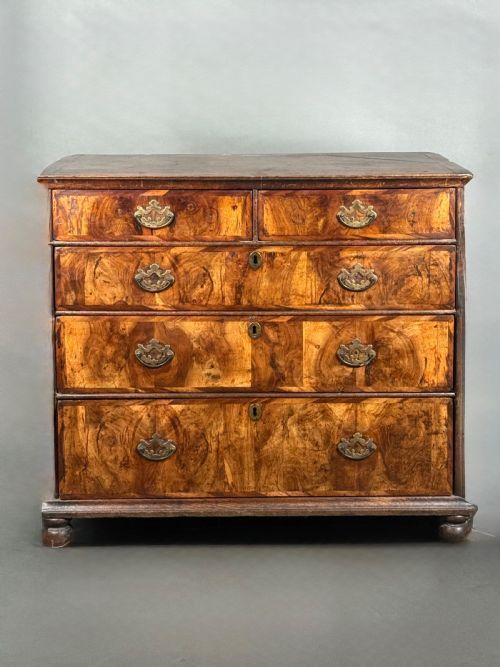
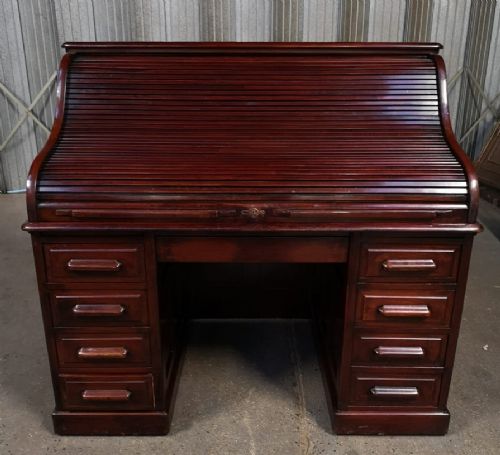

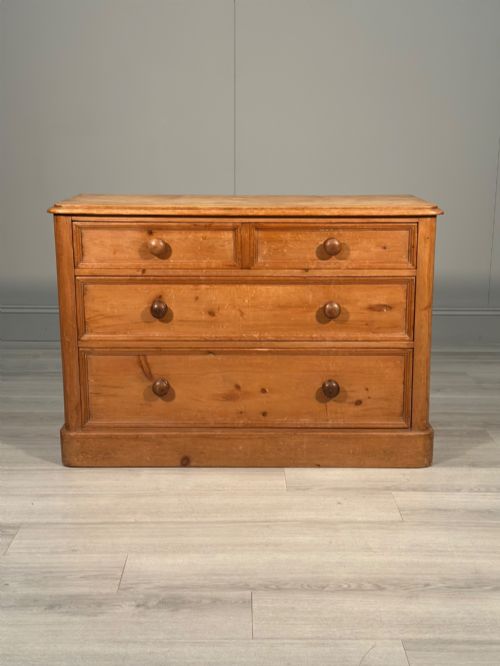
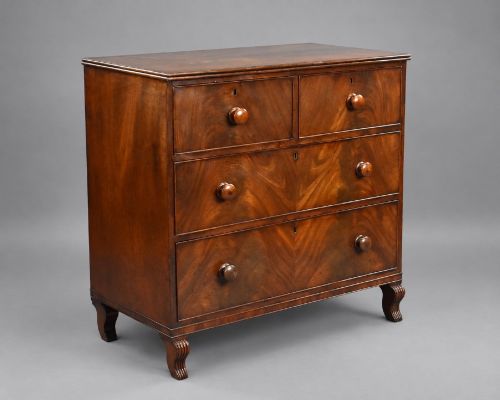
Traditional Wooden Bureau
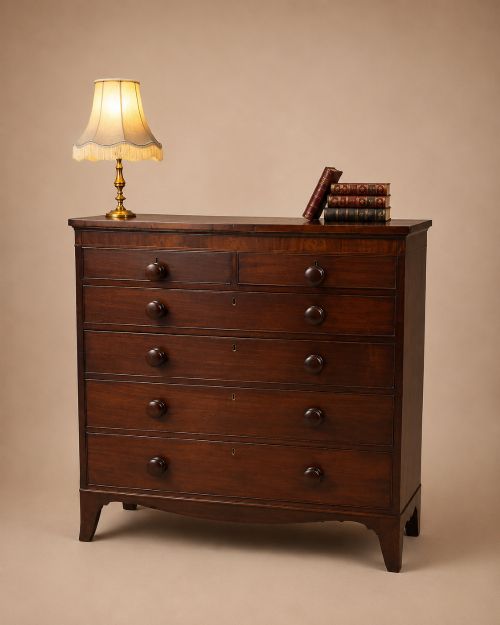
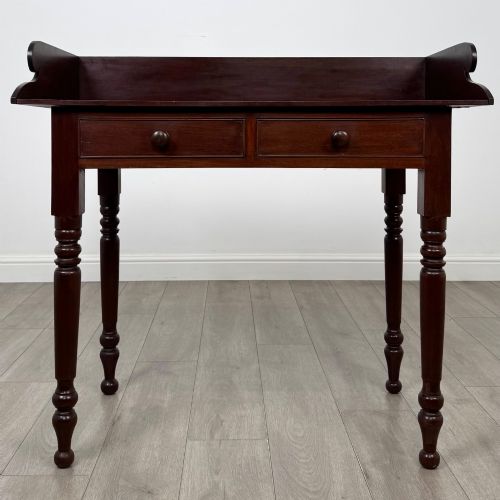
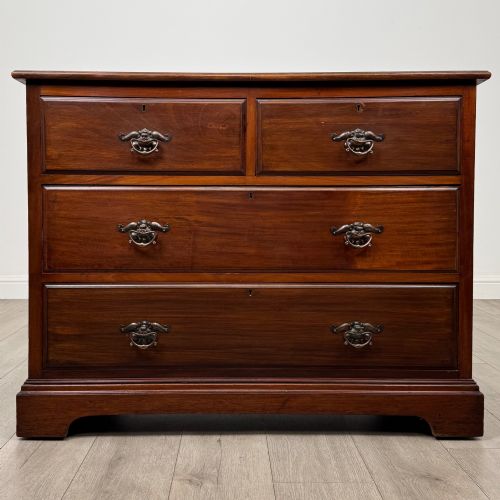
These traditional wooden bureau examples offer practical writing spaces and neat storage, combining period craftsmanship with enduring utility.
What they are
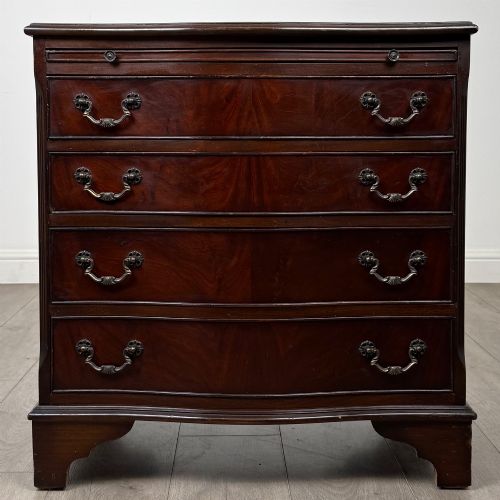
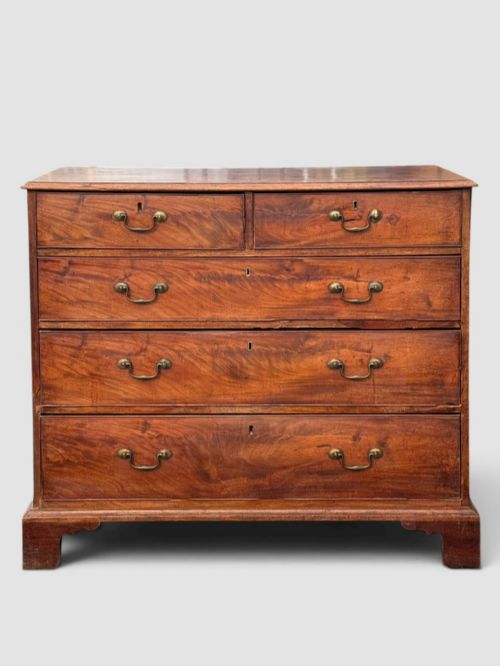
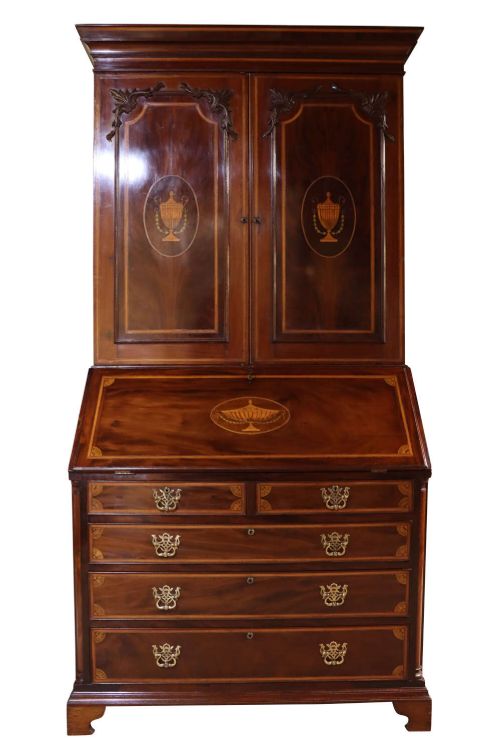
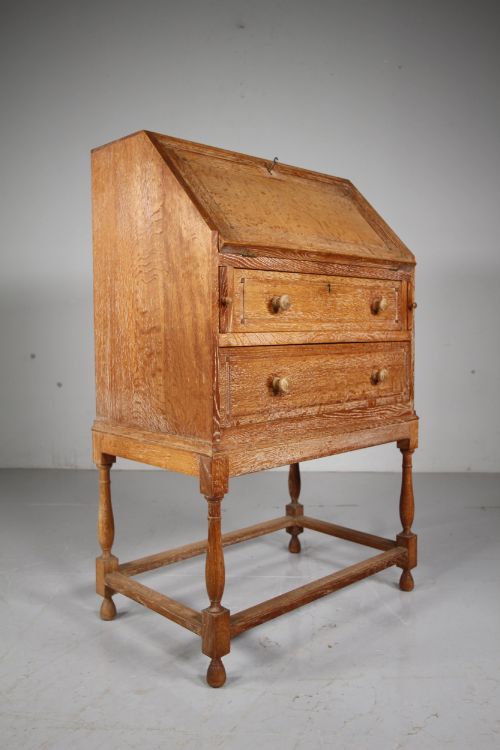
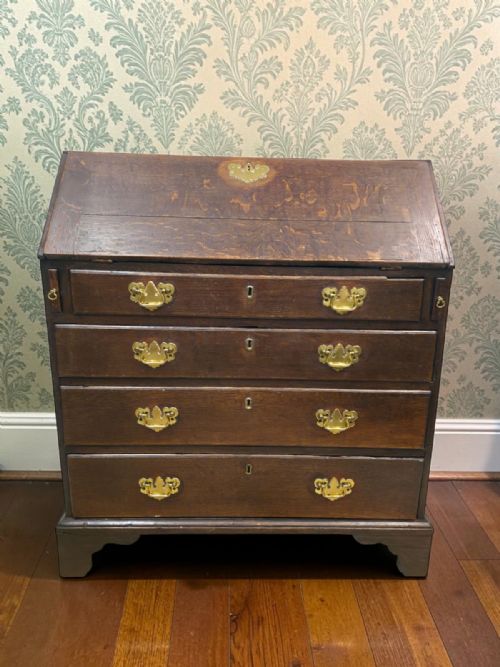
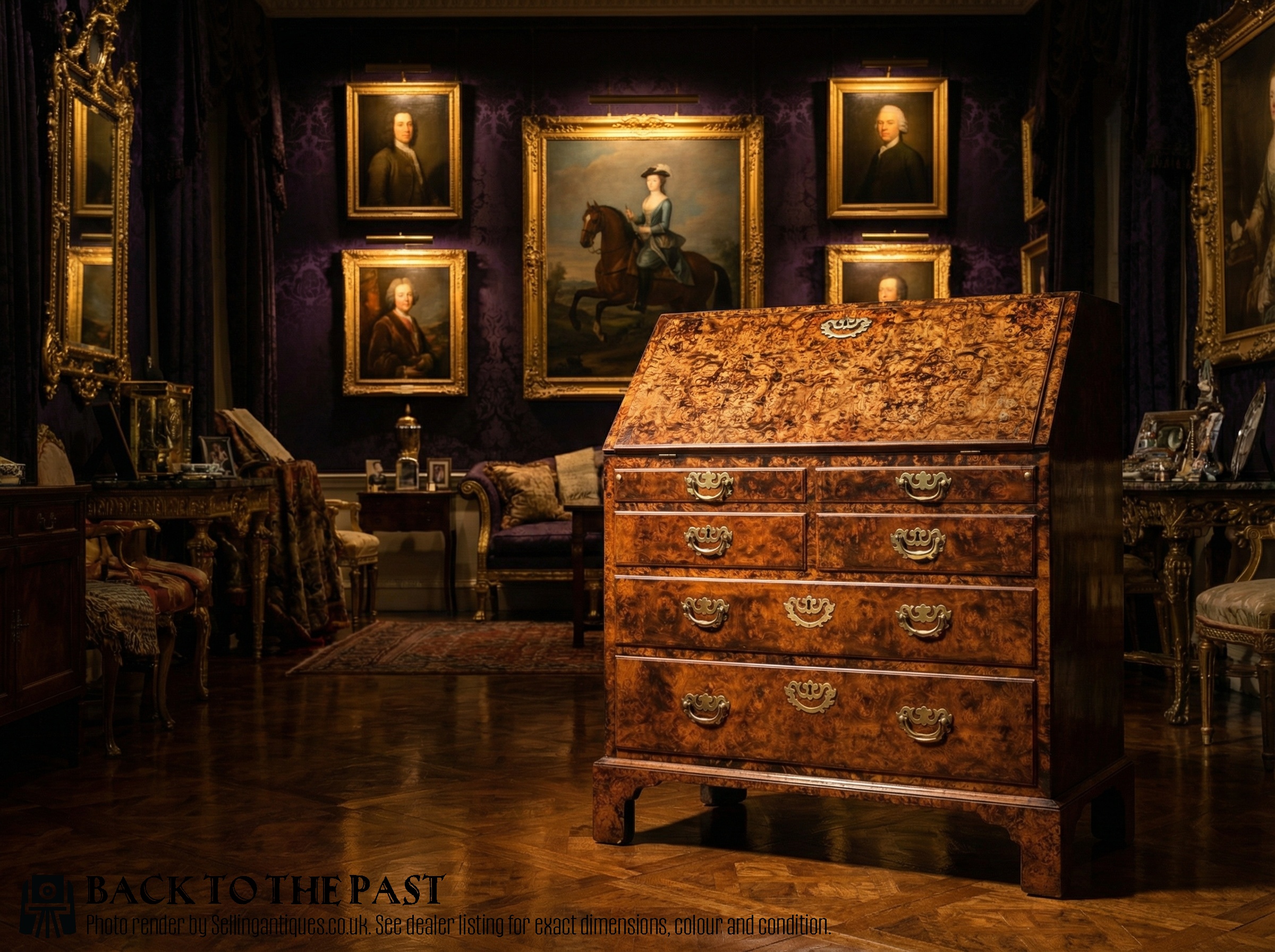
A traditional wooden bureau combines a functional writing surface with compartmented storage beneath a sloping flap or tambour top. The examples seen here range across the Georgian, Victorian and Edwardian periods, alongside pieces dating from eighteen hundred and the eighteenth century.
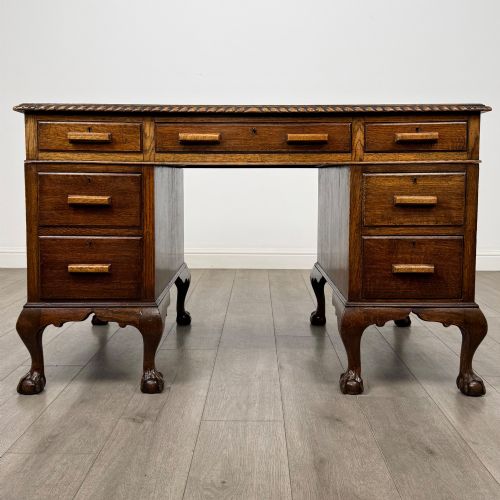
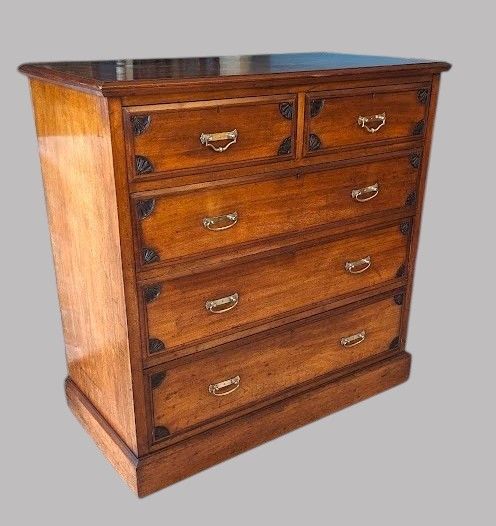
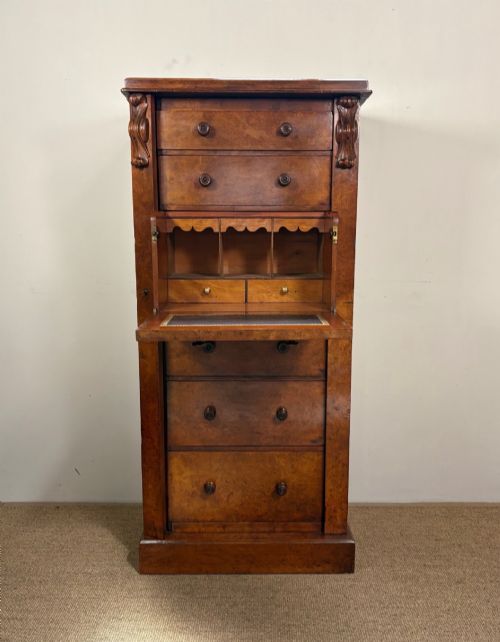
The primary forms found in these listings include bureaux, desks, tambour top cylinder desks, Carlton house desks and chests of drawers. These pieces reflect the domestic requirements of their respective eras, providing private writing compartments and concealed document drawers.
Buyers will most frequently encounter mahogany as the primary material, occasionally paired with satinwood crossbanding, brass fittings, leather inserts or burr wood veneers. Stylistic influences span traditional Georgian and Queen Anne aesthetics through to later Victorian and Edwardian interpretations.
How they were made
Cabinet makers constructed these pieces predominantly from solid mahogany and burr woods, utilising fine timber selections for visible exterior surfaces. Brass hardware and leather writing inserts were integrated to provide both structural durability and refined detail.
Surface decoration involved decorative crossbanding in satinwood and distinctive timber veneers, highlighting the natural grain of the wood. Tambour mechanisms and pull-out writing slides required precise joinery to ensure smooth daily operation.
Retail Price Guide 2026
Typical UK retail prices for traditional wooden bureau, calculated from the Sellingantiques database of over a million retail prices indexed since 2003. This retail price guide relies exclusively on Sellingantiques data; no external sources or auction records are used, so the figures do not describe the wider market.
Listings feature mahogany, satinwood, burr wood, brass and leather across Georgian, Victorian and Edwardian periods.
What varies in quality
Quality in a traditional wooden bureau rests upon the choice of timber figures and the precision of the cabinet work within the interior pigeonholes and small drawers. Superior examples display carefully matched grain patterns across the fall front and drawer facades.
The sophistication of the internal mechanisms, such as sliding writing surfaces and tambour tracks, distinguishes finer pieces from simpler utilitarian versions. Original brass handles and well-preserved leather inserts further elevate the standing of a piece.
The Traditional Wooden Bureau Glossary
- Bureau
- A desk featuring a sloping hinged lid that opens to reveal a fitted interior of small drawers and pigeonholes.
- Tambour
- A sliding door or top constructed from narrow strips of wood glued to a canvas backing, allowing it to curve around a drum.
- Crossbanding
- A border veneer applied around the edges of a panel where the grain runs at right angles to the central wood.
- Pigeonhole
- A small open compartment within a desk interior designed for sorting letters and documents.
- Cylinder desk
- A desk featuring a rolling semi-cylindrical shutter that conceals the writing surface and interior compartments.
Frequently Asked Questions
What is a traditional wooden bureau?
A traditional wooden bureau is a historic desk featuring a sloping lid that drops down to form a writing surface. Inside, it typically houses a collection of small drawers and pigeonholes for correspondence.
These pieces were designed for domestic studies and parlours, providing a secure place to write letters and store private papers.
How do I use a bureau?
You release the latches or pulls to lower the sloping front flap, which rests upon pull-out wooden supports to create a stable desktop. This reveals the internal compartments and provides a compact writing area.
When writing is finished, the flap lifts back up to conceal the paperwork and maintain a tidy room.
How do I date a bureau?
Dating relies on examining the timber species, construction techniques, handle styles and overall proportions of the piece. Georgian and eighteenth-century examples often show distinct cabinet-making methods and drawer lining materials compared to later Victorian or Edwardian pieces.
Secondary woods used inside the drawers can also indicate the period and region of manufacture.
Where should I place a bureau?
A bureau suits studies, living rooms or hallways where its compact footprint and enclosed storage are advantageous. Because the writing flap extends forward when opened, ensure there is sufficient clearance in front of the piece.
Keep wooden furniture away from direct heat sources and strong sunlight to protect the polish and timber veneers.