


English Walnut Bookcase
An English walnut bookcase brings warmth and organised storage to a room, ranging from early bureau cabinets to glazed display pieces.
English Walnut Bookcase
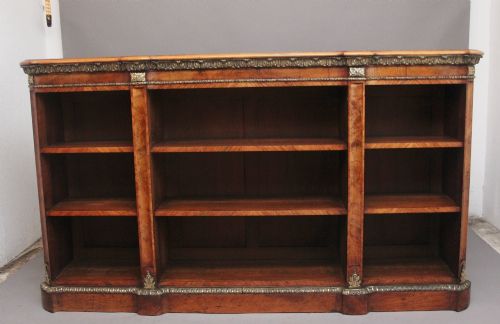
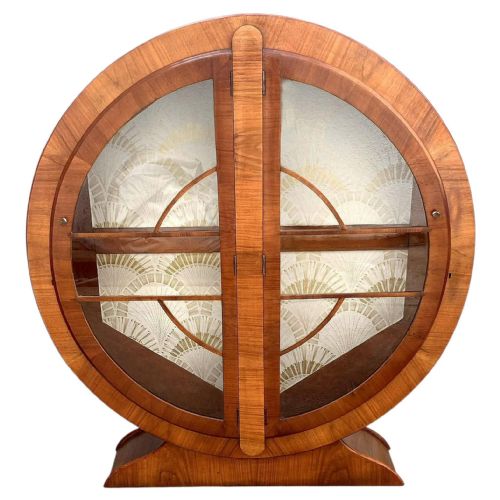
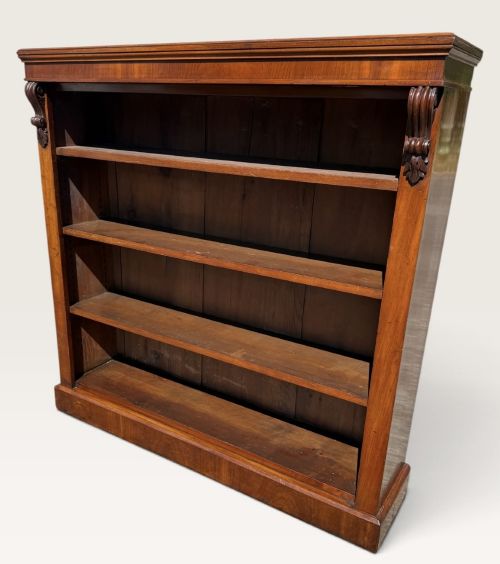
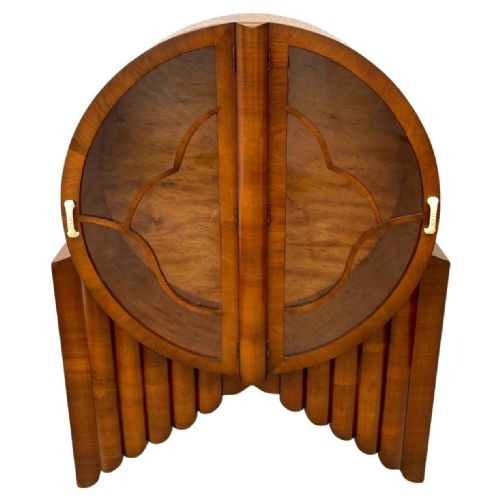
An English walnut bookcase encompasses a variety of forms, from tall bureau bookcases and breakfront libraries to open shelves and rotating companions. When searching for an english walnut bookcase, buyers encounter pieces spanning several centuries, including early examples from the William and Mary and George I periods, alongside later Victorian, Edwardian, and Art Deco interpretations.
The selection ranges from grand multi-door library cabinets down to compact revolving table models and pier cabinets. Bureau bookcases combine a sloping fall-front desk with shelving above, while display cabinets and vitrines utilise glass panels to showcase collections.
Materials and Construction
Makers utilised solid walnut and decorative burr walnut veneers to achieve rich grain patterns across the exterior surfaces. Pine frequently served as a secondary timber for internal carcases and drawer linings.
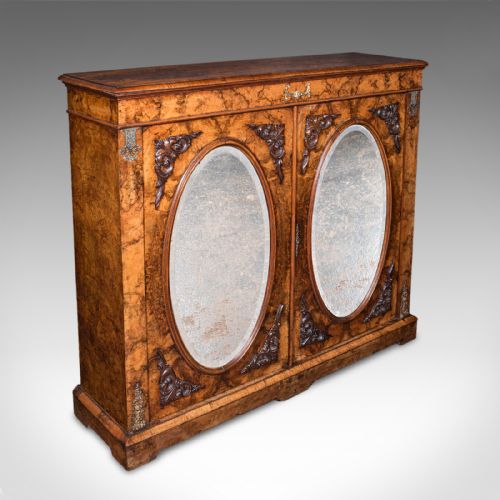
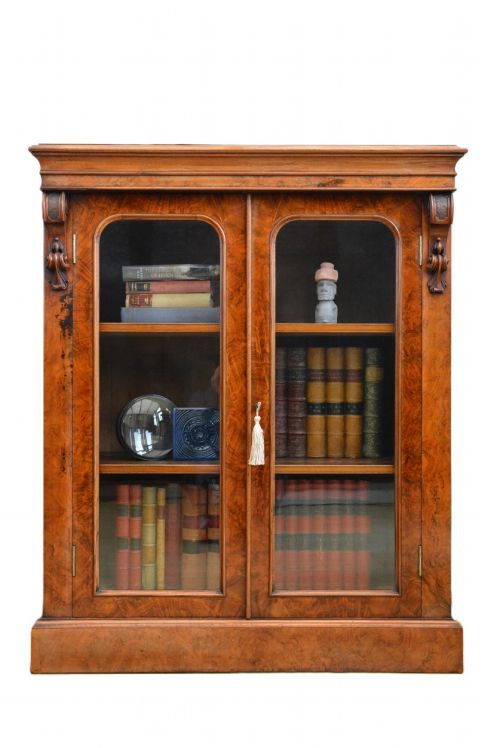
Glazing bars framed glass panels on cabinet doors, while decorative elements incorporated brass, ormolu, boxwood inlay, and marquetry details to enhance the visual depth of the timber.
Materials recorded across the inventory include solid walnut, burr walnut, glass, brass, ormolu, and pine.
Assessing Craftsmanship
Quality rests in the selection of the timber figures, particularly the symmetry and depth of burr walnut veneers applied to the primary surfaces. Superior examples demonstrate precision in the joinery of internal pigeonholes, drawers, and cabinet doors.
The presence of original hardware, glass, and surface patination distinguishes well-preserved items from those with heavy interventions. Finer pieces often feature deliberate decorative flourishes such as delicate boxwood stringing or cast ormolu mounts.
Johnstone and Jeanes·Druce and Co·Holland and Sons
The English Walnut Bookcase Glossary
- Burr Walnut
- A specialised wood veneer harvested from the gnarled growths of a walnut tree, yielding complex, swirling grain patterns. It was frequently utilised on the primary facades of elite cabinet work.
- Bureau Bookcase
- A dual-purpose furniture form featuring a sloping fall-front writing desk positioned beneath an enclosed bookcase. Early iterations often date to the Queen Anne and George I periods.
- Breakfront
- A cabinet design where the central section projects forward from the flanking wings. This configuration creates architectural depth in large library bookcases.
- Pier Cabinet
- A slender display piece traditionally designed to stand against the wall space between windows. These cabinets often incorporate glass doors and delicate inlay work.
- Ormolu
- Gilded bronze mounts applied as decorative ornamentation on furniture. It appears on select nineteenth-century pieces to accent the walnut timber.
English Walnut Bookcase: Frequently Asked Questions
How do I date an early walnut bookcase?
Dating relies on examining construction methods, timber choice, and hardware styles. Early eighteenth-century pieces often display distinct drawer linings in oak or pine alongside candle slides beneath the upper doors.
Secondary indicators include the presence of hand-cut dovetails and original mirrored or glazed door frames typical of the George I and Queen Anne eras.
What is a bureau bookcase used for?
A bureau bookcase combines a functional writing desk with shelved storage for books. The hinged fall-front opens to reveal a fitted interior of small drawers and pigeonholes for correspondence.
The upper section protects volumes behind glass doors, making the form suitable for a home study or parlour.
Where should I place a walnut display cabinet?
Walnut display cabinets benefit from placement away from direct sunlight and heat sources to protect the wood and veneer. These pieces suit living rooms and libraries where glazed doors shield books or collections from dust.
Allowing sufficient clearance around breakfront or rotating models ensures the functional elements operate smoothly.
How do open bookcases differ from cabinet versions?
Open bookcases feature accessible shelving without doors, suited for everyday book storage and display. Cabinet versions incorporate glazed or solid wooden doors to enclose the contents.
Enclosed designs protect more delicate or antique volumes from environmental exposure.