
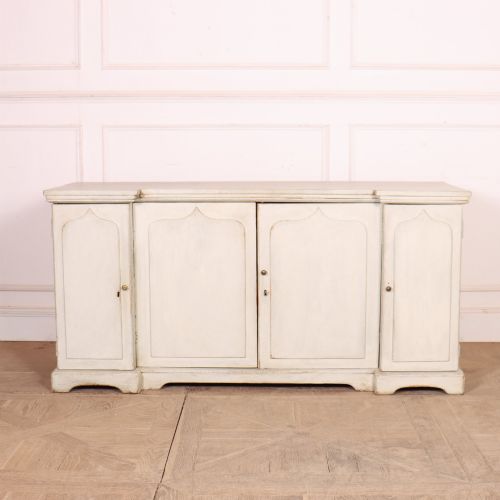
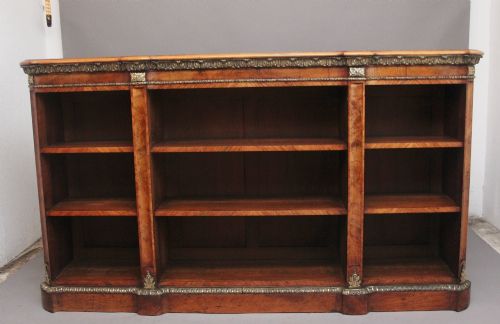
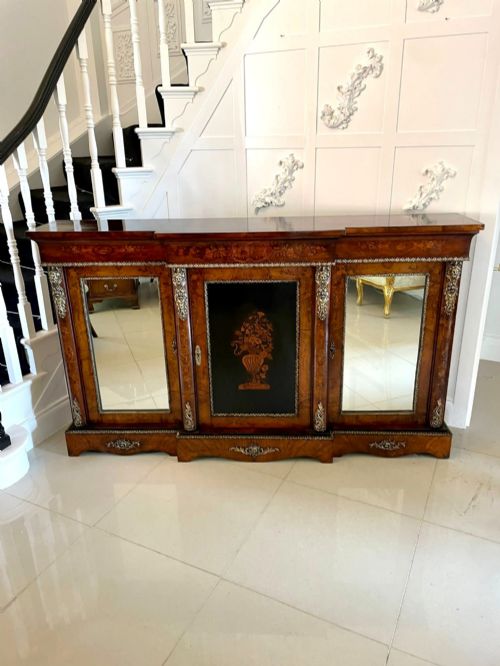
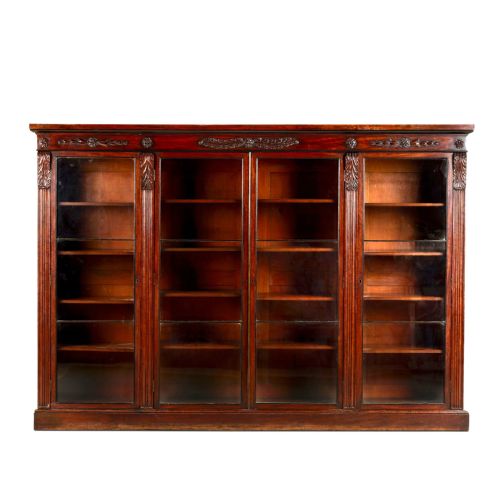


Low Breakfront Cabinet
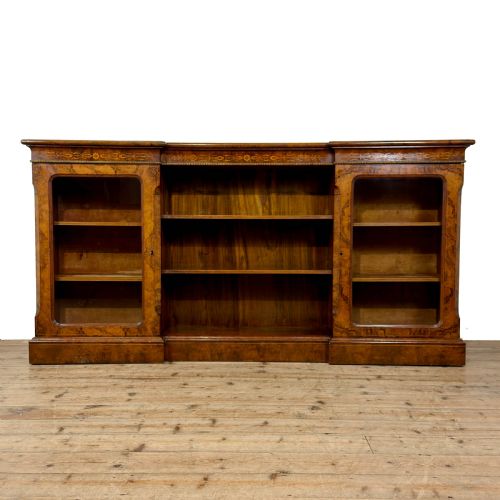
A low breakfront cabinet offers balanced proportions and refined storage, bringing architectural presence to a room without overwhelming the wall.
What these low breakfront cabinets are
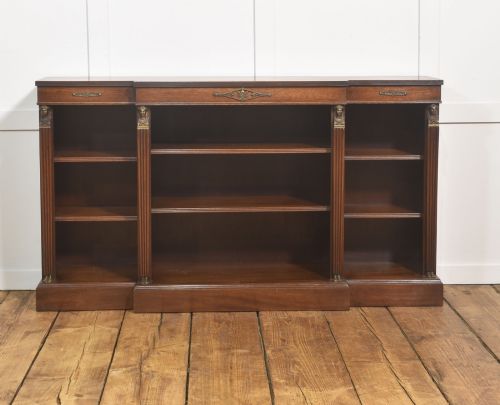
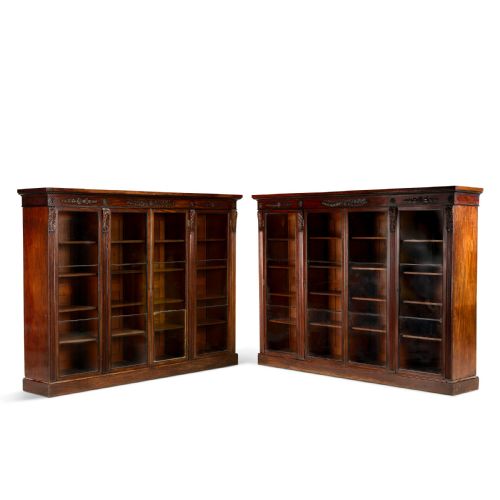
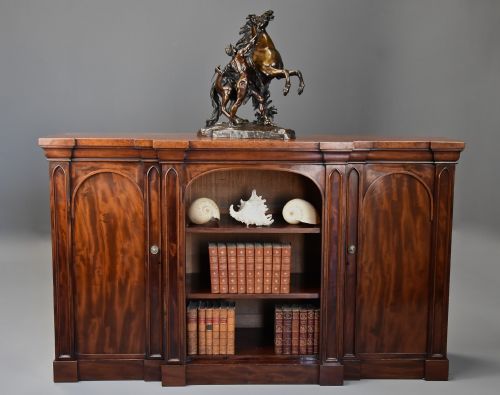
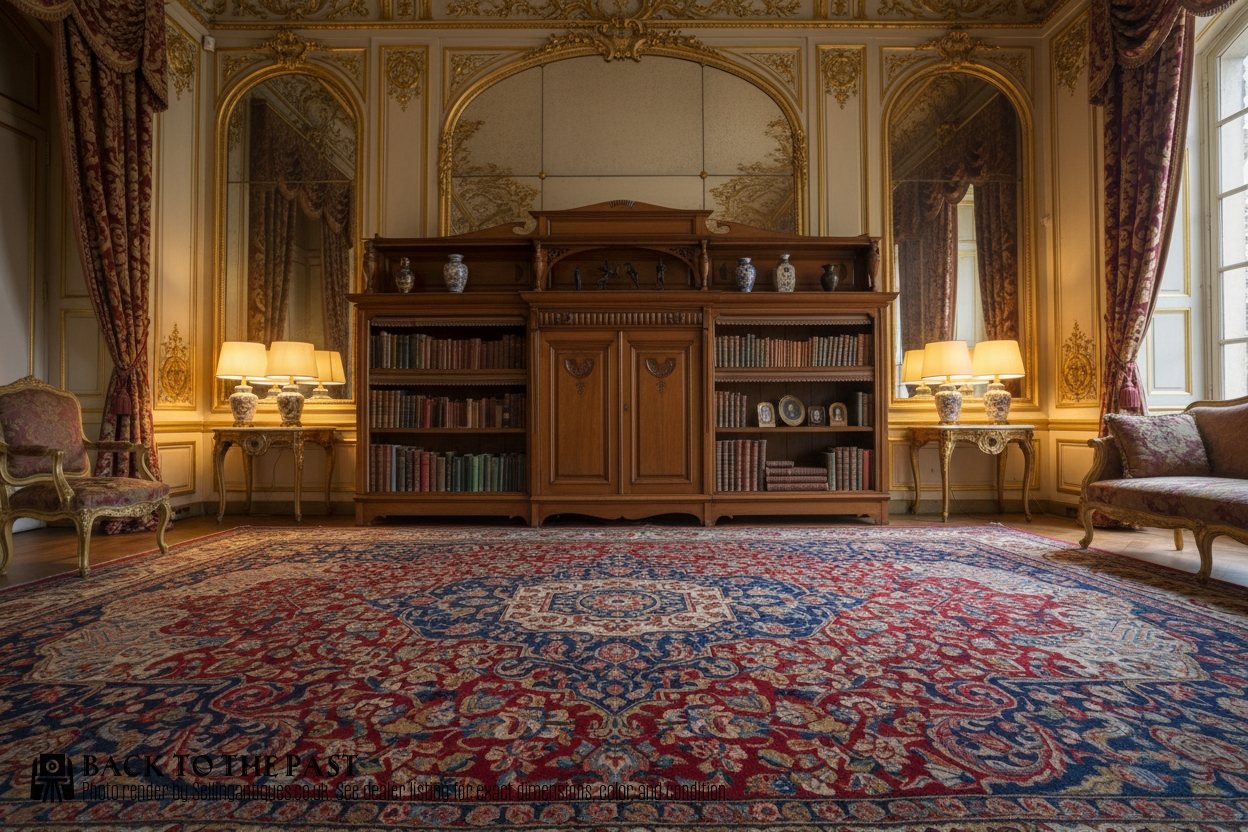
When you search for a low breakfront cabinet, you encounter substantial bookcases and side cabinets structured with a projecting central section flanked by recessed wings. These pieces span the Regency, Victorian, and early twentieth-century periods, appearing in forms that served as libraries and display cabinets.
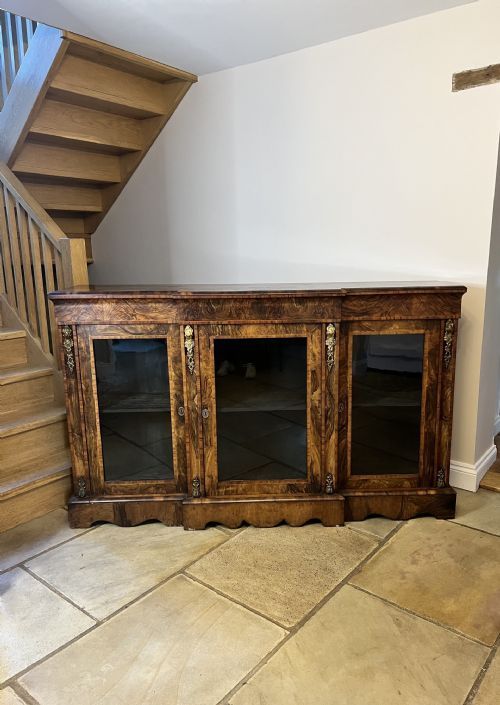
The versions most commonly met on this page include mahogany, walnut, and rosewood bookcases alongside side cabinets featuring glass doors or open shelving. Their low stature distinguishes them from taller library bookcases while maintaining the architectural breakfront silhouette.
Origins stretch from the strict symmetry of the Regency era through nineteenth-century revivals up to nineteen hundred, demonstrating sustained popularity in formal English interiors.
Materials and construction
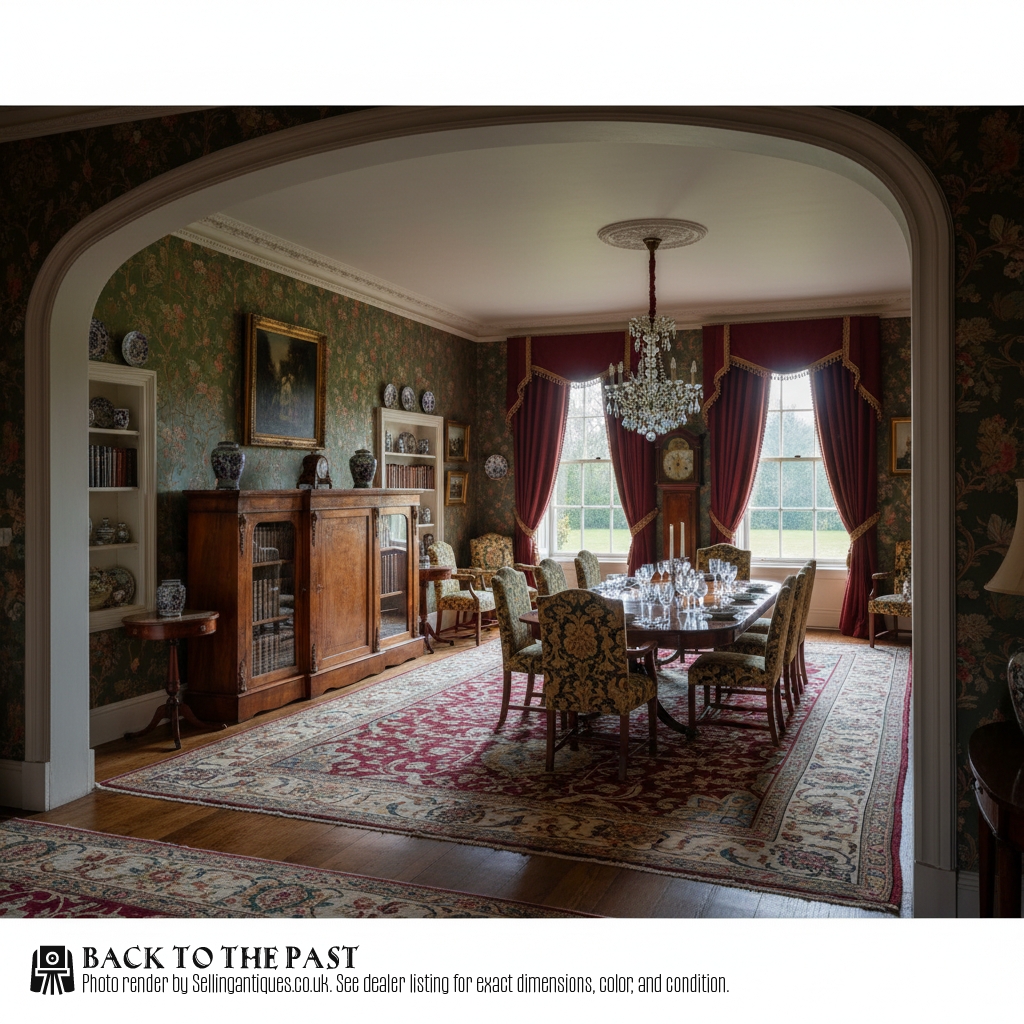
Cabinet makers utilised choice timbers including mahogany, walnut, burr walnut, satinwood, and striking Gonçalo Alves, often enhanced by boxwood inlay. Surfaces display rich grain patterns selected for visual impact.
Metal mounts in ormolu and brass provide structural and decorative accents, alongside glazed doors that protect collections while maintaining visibility.
Retail Price Guide 2026
Typical UK retail prices for low breakfront cabinet, calculated from the Sellingantiques database of over a million retail prices indexed since 2003. This retail price guide relies exclusively on Sellingantiques data; no external sources or auction records are used, so the figures do not describe the wider market.
Materials recorded across the archive include brass, walnut, glass, mahogany, burr walnut, ormolu, and boxwood inlay.
What separates fine examples
Quality rests upon the selection of timber veneers, where highly figured burr walnut or rich rosewood demonstrates superior craftsmanship. The finesse of boxwood inlay and the precision of brass or ormolu mounts further elevate finer pieces above standard production.
Proportion and execution of the breakfront profile dictate visual success, distinguishing masterwork cabinetry from simpler utilitarian items of the nineteenth and twentieth centuries.
Gillows
The Low Breakfront Cabinet Glossary
- Breakfront
- A cabinet design where the central section projects forward from the flanking wings. This architectural arrangement creates depth and shadow across the front elevation.
- Gonçalo Alves
- A dense exotic timber with striking contrasting grain patterns. It provides a highly decorative surface on Regency cabinetry.
- Ormolu
- Gilt bronze mounts applied to furniture for decorative enrichment. These metallic details catch the light and punctuate dark woods.
- Boxwood inlay
- Contrasting pale wood inserted into darker timber to form linear patterns. This technique defines borders and panels on period cases.
Frequently Asked Questions
Where were these cabinets used?
These cabinets traditionally stood in formal libraries, drawing rooms, and studies of grand English houses. Their low profile allowed them to sit beneath artwork or windows.
Today, they serve similar purposes in domestic settings, housing book collections, display items, and household goods.
How do I date a cabinet?
Dating relies on identifying timber choices, decorative techniques, and stylistic markers such as Regency symmetry or Victorian revival details. Woods like rosewood and satinwood point towards specific nineteenth-century preferences.
Construction methods inside the cabinet also provide clues regarding the period of manufacture.
How do I care for walnut?
Walnut surfaces require protection from direct sunlight and excessive temperature fluctuations to prevent timber movement and fading. Regular dusting with a soft cloth maintains the finish.
Occasional application of appropriate wax feeds the wood and preserves the grain depth without building up heavy residues.