

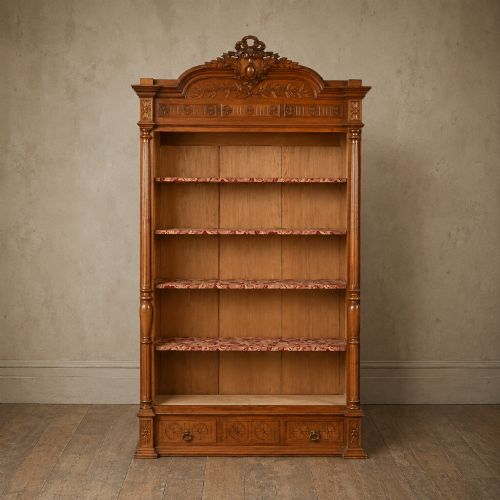
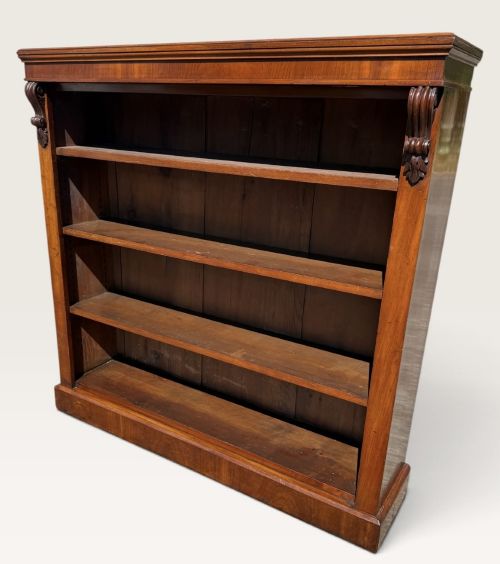
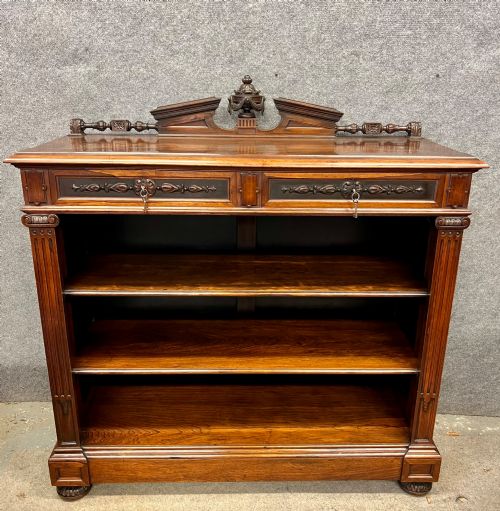
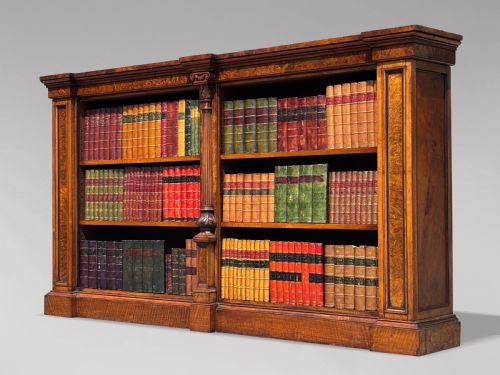


Carved Walnut Bookshelf
A carved walnut bookshelf brings rich timber grain and architectural detail to a room, offering sturdy display space for a growing library.
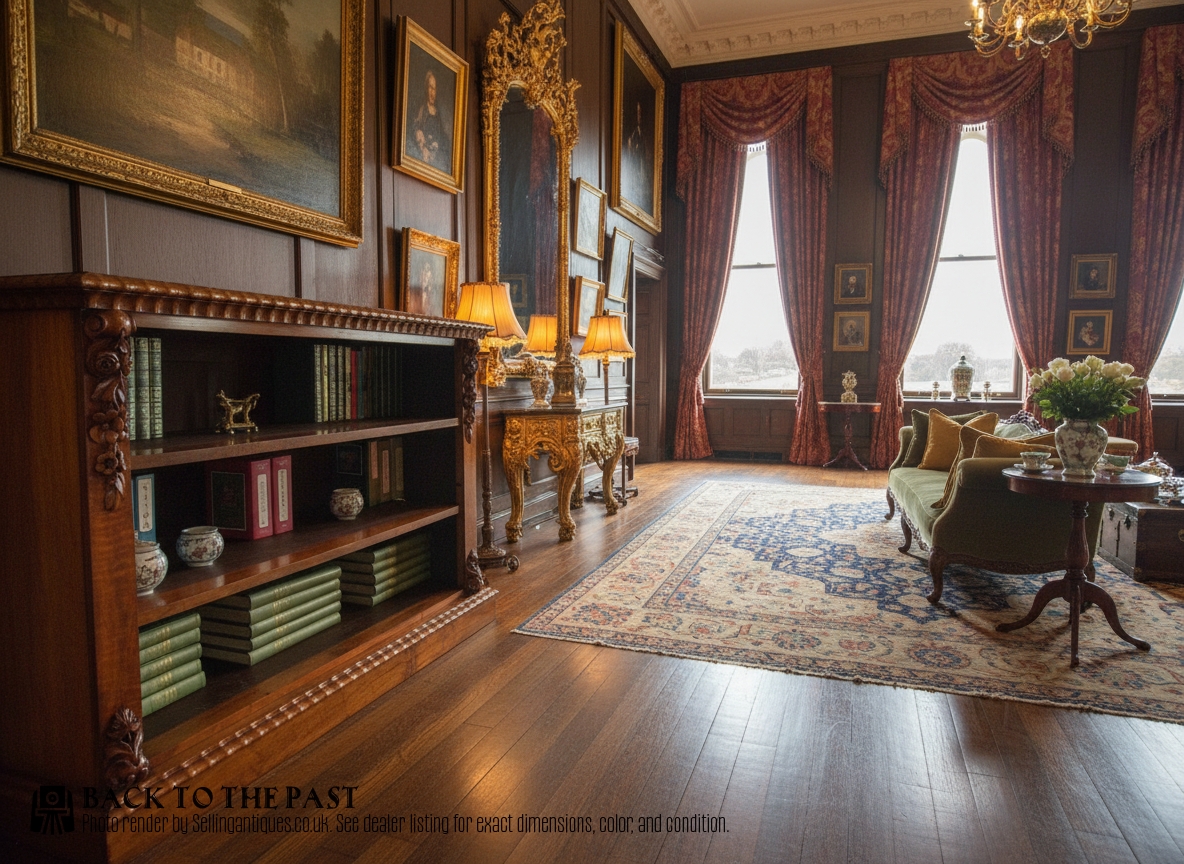
Carved Walnut Bookshelf
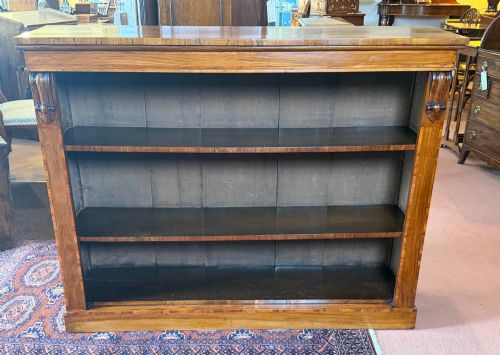
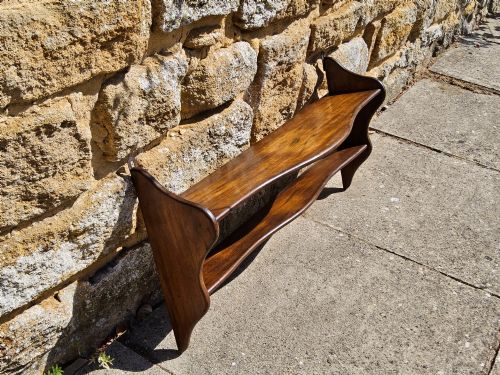
A carved walnut bookshelf combines practical shelving with decorative woodwork, appearing in forms such as open bookcases, wall shelves, and multi-tiered whatnots. These pieces emerge predominantly from the nineteenth century, spanning periods from William IV and Victorian eras through to Edwardian designs.
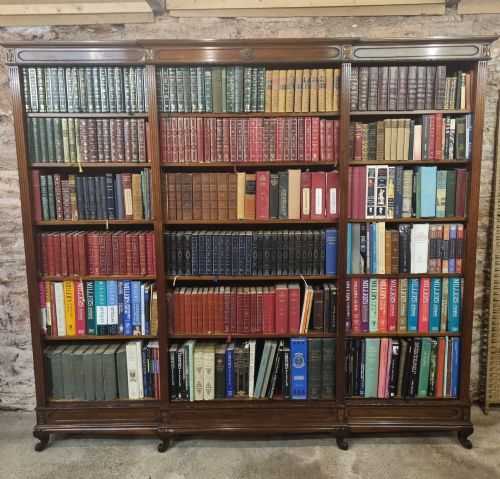
The most common formats on this page are open bookcases and freestanding bookcases, alongside corner whatnots and display stands. Continental and English workshops produced these pieces, incorporating timber frames tailored for domestic libraries and parlours.
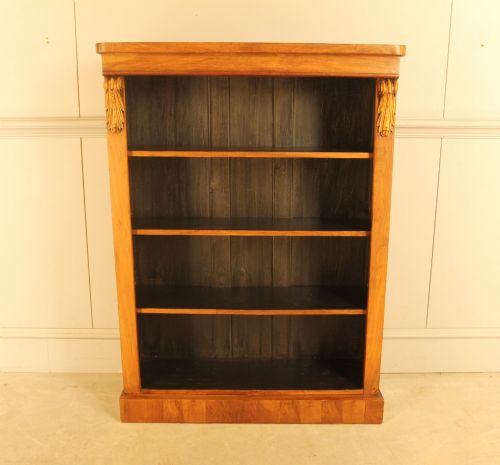
Details range from low open configurations to tall library units featuring carved friezes and column supports. Buyers frequently encounter versions utilising burr walnut veneers alongside solid timber construction.
Distinctions in craftsmanship
Quality rests upon the selection of timber figures, particularly the complexity of burr walnut veneer against plain stock. Superior examples demonstrate precise hand carving on mouldings and columns rather than cast composition ornament.
Construction integrity separates standard utility furniture from exhibition pieces, evident in the tightness of joinery and the execution of architectural revival styles such as Gothic or Jacobean motifs.
Carved Walnut Bookshelf Retail Price Guide 2026
Typical asking prices for carved walnut bookshelf among the pieces listed under this phrase on Sellingantiques today, from the lower quarter to the upper quarter. They describe what is for sale here now, not the wider market.
Listings span the nineteenth and early twentieth centuries, featuring Victorian, Edwardian, and William IV periods alongside Gothic and Jacobean revival styles.
The Carved Walnut Bookshelf Glossary
- Burr walnut
- A specialised timber cut from growths on the walnut tree, prized for swirling, knotty grain patterns. It provides highly decorative veneer surfaces on cabinet fronts and tabletops.
- Whatnot
- A piece of freestanding furniture consisting of multiple open shelves for displaying ornaments or books. These developed during the Victorian period and often feature turned supports.
- Ormolu
- Gilded bronze mounts applied to furniture for decorative effect. French and English cabinet makers utilised these metallic accents on high-status pieces.
- Barley twist
- A type of turning shaped like a spiral rope, popular in seventeenth-century furniture and revived during the Victorian era. It adds vertical visual texture to shelf supports and columns.
Carved Walnut Bookshelf: Frequently Asked Questions
What is a walnut whatnot?
A whatnot is an open-shelved tiered stand designed for displaying small objects, books, or ornaments in a reception room. These multi-level pieces often fit into corners or stand freely against walls.
Victorian makers built them in walnut and burr walnut, frequently incorporating turned columns and carved details to complement surrounding library furniture.
How do I adjust wooden shelves?
Nineteenth-century bookcases often utilise adjustable shelf systems consisting of wooden ratchets, brass studs, or movable pegs set into vertical slots inside the cabinet carcase.
Carefully support the shelf while shifting the brass pins or wooden supports to the desired height slot within the interior lining.
Where were these bookcases placed?
These items found placement primarily in domestic libraries, studies, and formal drawing rooms of country houses and town residences. Freestanding open formats allowed easy access to frequently read volumes.
Smaller wall shelves and corner whatnots provided vertical storage solutions where floor space was restricted.
How do I identify a Victorian bookcase?
Victorian examples display characteristic revival styles such as Gothic, Jacobean, or French Provincial motifs carved into solid walnut or burr walnut timbers. Look for period construction methods in the secondary woods and framing.
Hardware details like ormolu mounts and barley twist columns help distinguish mid to late nineteenth-century manufacture from later twentieth-century reproductions.