

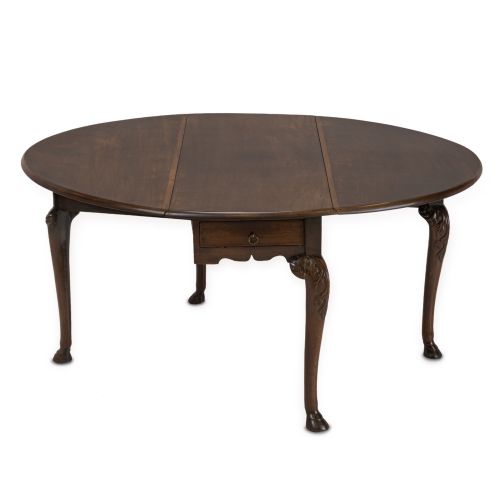


George II Mahogany Table
When you search for a george ii mahogany table, you step into an era of robust cabinet-making and dense, dark timber.
George II Mahogany Table
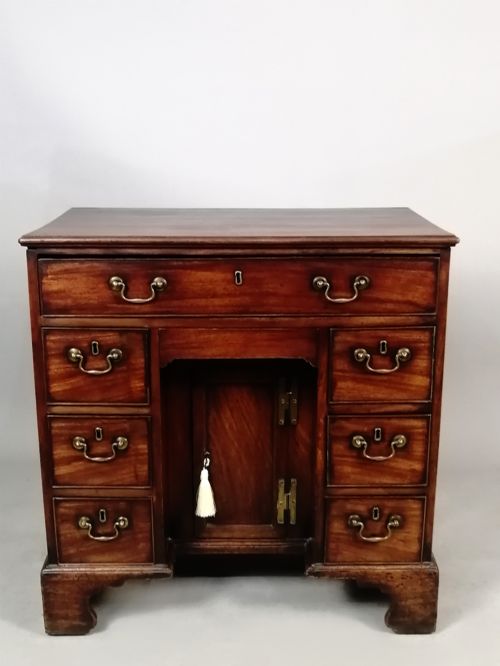
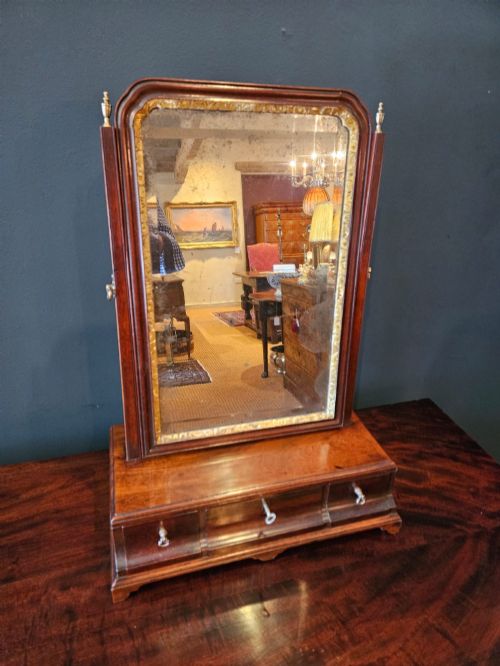
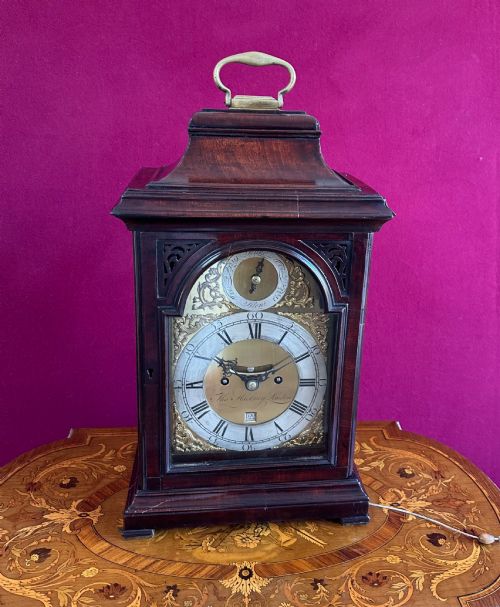
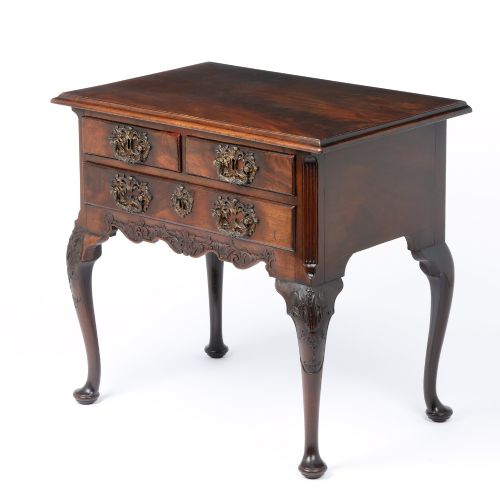
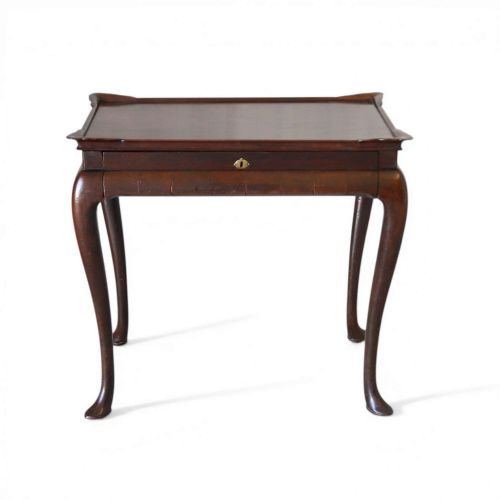
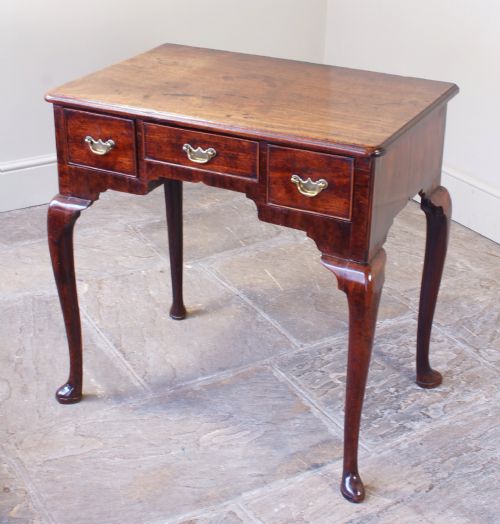
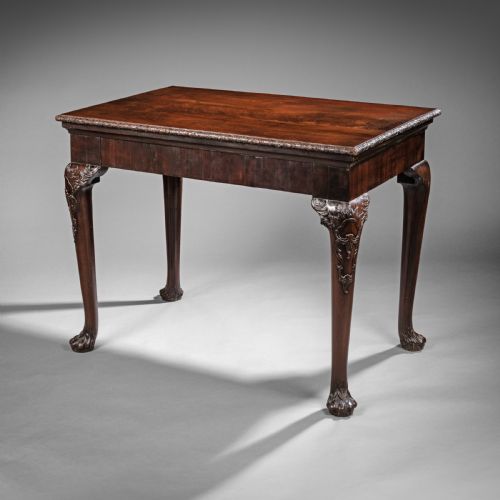
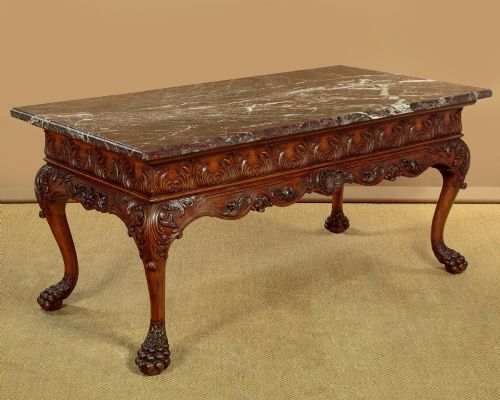
A george ii mahogany table spans practical furniture for dining, tea, and games alongside smaller items like silver tables and lowboys. The selection ranges from authentic mid-eighteenth-century pieces to later revivals from the nineteenth and twentieth centuries.
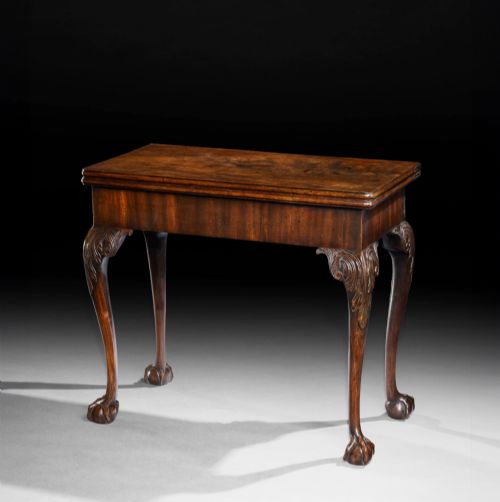
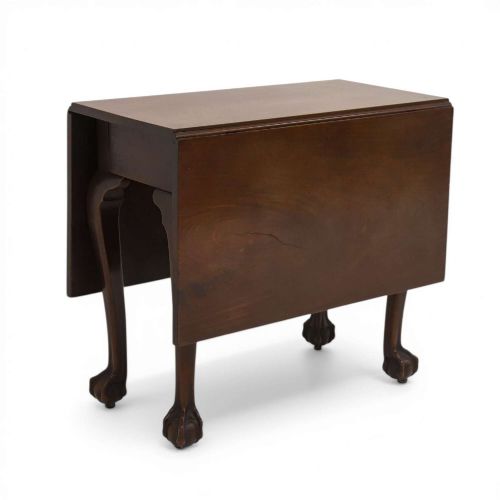
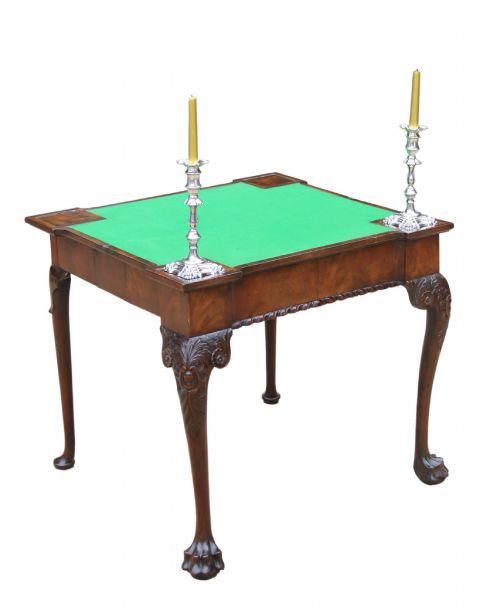
Card tables with concertina actions and drop-leaf dining surfaces appear frequently alongside tripod occasional tables and side tables. Makers from this era adapted forms to suit evolving domestic rituals, particularly tea drinking and card playing.
Origin points include English and Irish workshops, with occasional Scottish attributions recorded in the evidence. Pieces manifest both the strict proportions of the original reign and the revival interpretations produced much later.
Timber and Construction
Makers utilised solid mahogany and Cuban mahogany, often selecting timber with rich grain patterns and deep natural patination. Supporting structures frequently incorporated clever mechanisms such as birdcage actions for tripod tables and folding leaves for games surfaces.
Carving concentrated on cabriole legs finished with claw-and-ball or hoof feet, whilst certain tripod pieces utilised spiral twist columns or snap-top mechanisms. Secondary woods and brass hardware completed the internal framing of drawers and folding joints.
George II Mahogany Table Retail Price Guide 2026
Typical asking prices for george ii mahogany table among the pieces listed under this phrase on Sellingantiques today, from the lower quarter to the upper quarter. They describe what is for sale here now, not the wider market.
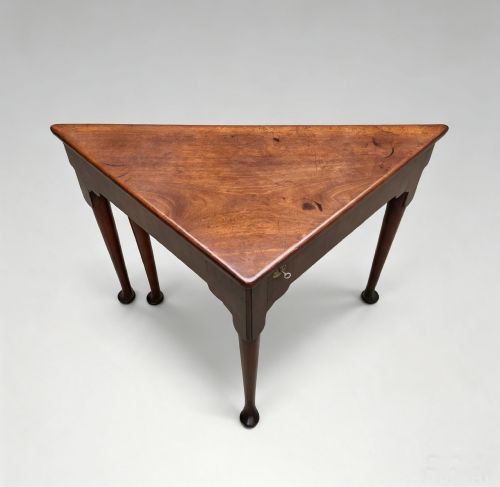
Some tables double as handkerchief holders.
Assessment of Quality
The degree of crispness in hand-carved elements, such as foliage on knees or claw-and-ball feet, separates standard workshop output from exceptional commissions. Timber selection dictates visual depth, with figured Cuban mahogany displaying superior light refraction across surfaces.
Integrity of mechanism determines functional success, particularly in concertina action card tables and telescopic tripod stands. Original surface patination left undisturbed through centuries preserves the historical character desired by serious collectors.
Giles Grendey·Mappin & Webb
The George II Mahogany Table Glossary
- Cabriole leg
- A furniture leg that curves outward at the knee and tapers inward toward the foot, mimicking animal limbs. This form dominated mid-eighteenth-century seating and table design.
- Concertina action
- An expanding frame mechanism used in folding card tables that allows the rear legs to move outward when opened, providing symmetrical support. It requires precise joinery to operate smoothly.
- Tripod table
- A small freestanding table supported by a central pillar and three splayed feet. Many examples feature birdcage or snap-top actions for easy storage.
- Lowboy
- A small dressing table or side table featuring one or more rows of drawers beneath a flat top. They typically stand on tall cabriole legs.
- Silver table
- A specialised occasional table with a raised gallery edge designed to hold tea or silver services safely. These forms reflect the refined social habits of the Georgian period.
George II Mahogany Table: Frequently Asked Questions
What is a concertina action table?
A concertina action table uses an expanding wooden frame that pulls outward when the top is unfolded, allowing the rear legs to extend symmetrically.
This clever mechanism ensures the table remains balanced when opened for games or dining, unlike simpler folding designs that rely on a single swinging leg.
How do I identify a tripod table?
A tripod table stands on a single central turned column supported by three splayed legs.
Many examples include a birdcage or snap-top mechanism beneath the top surface, allowing the table top to tilt vertically when not in use.
Were these tables used for dining?
Larger examples functioned as dining surfaces, often utilising drop-leaf designs or multiple pillars to accommodate expanding gatherings.
Smaller iterations served specific domestic rituals, acting as tea tables, silver tables, or bedside stands within Georgian homes.
What is Cuban mahogany?
Cuban mahogany is a dense, heavy timber sourced from the Caribbean that gained popularity during the eighteenth century for its rich colour and distinctive grain figure.
Cabinet-makers favoured this material for high-status commissions because it accepted crisp hand-carving and developed a deep natural patina over time.