

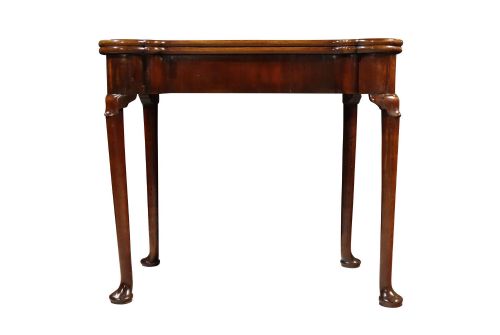


George II Games Table
A george ii games table brings mid-eighteenth-century craftsmanship into your home, offering a versatile surface for card play and tea.
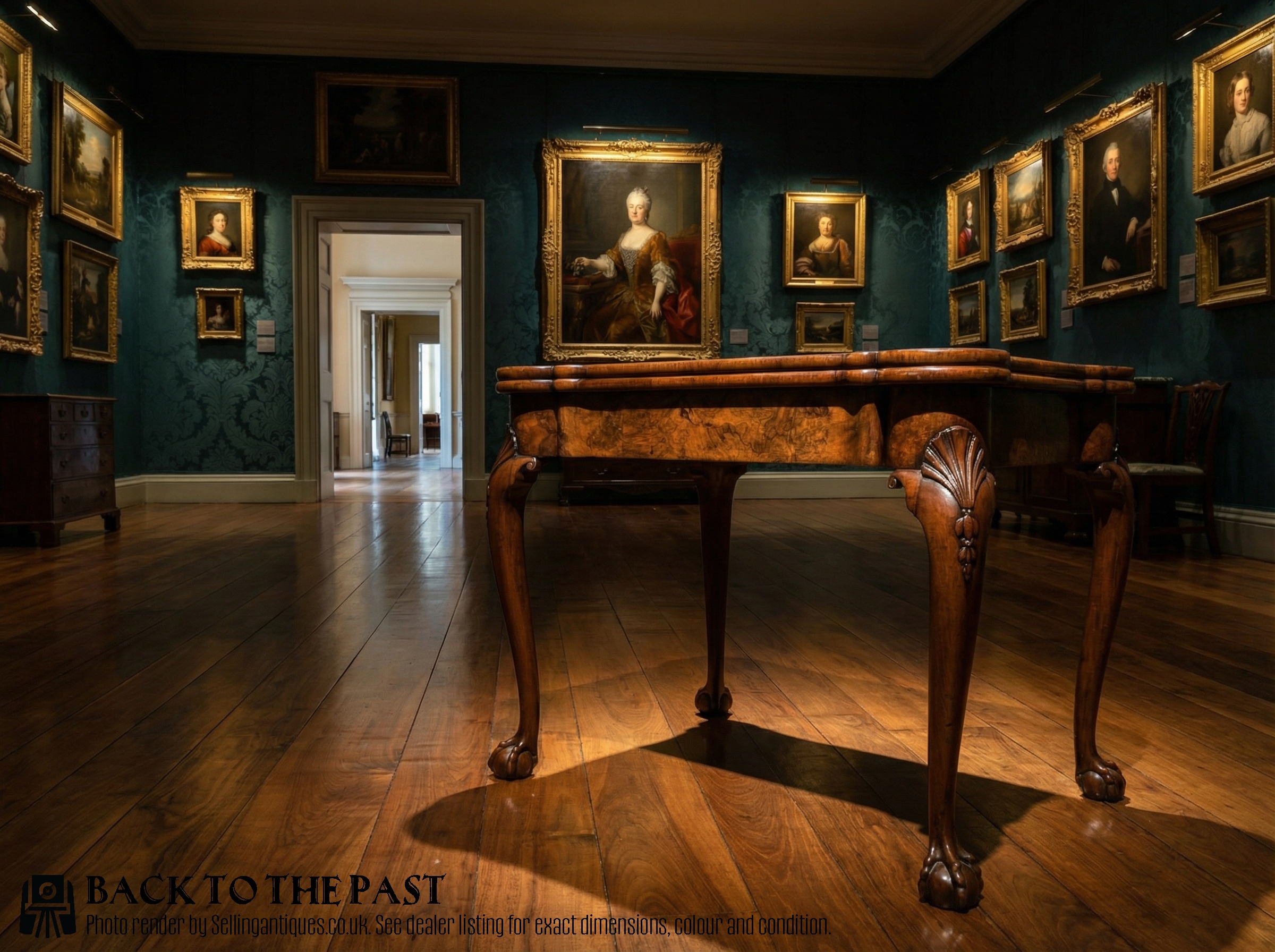
What a george ii games table is
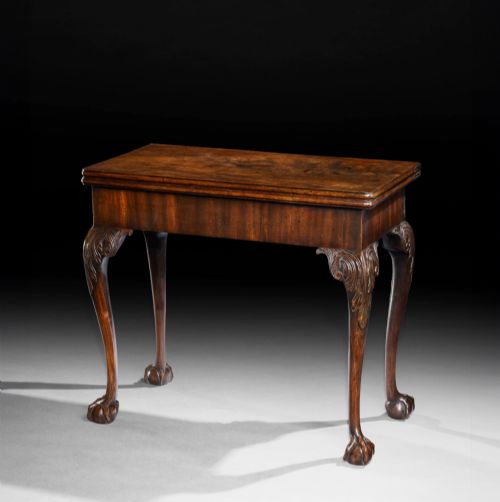
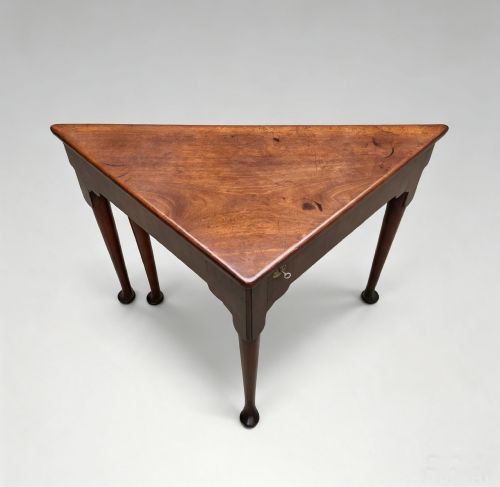
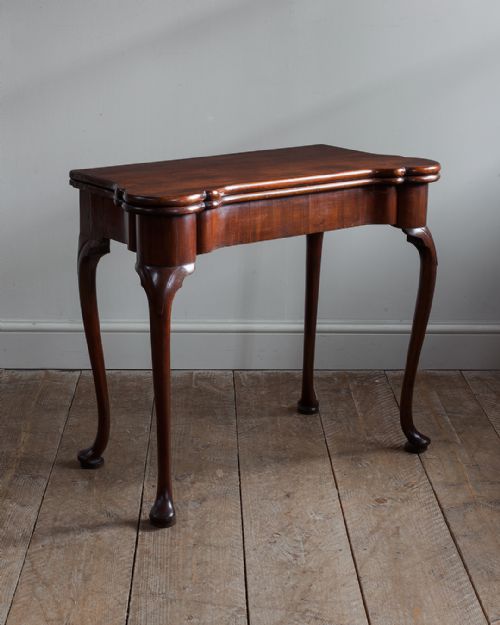
A george ii games table typically manifests as a card, console, or tea table dating from the eighteenth century, with walnut and mahogany standing as the dominant timbers. These pieces frequently feature fold-over tops, triple-top configurations, or concertina actions that expand the surface area for social pastimes.
Origins trace back to the Georgian era, encompassing period pieces alongside later nineteenth-century revivals styled in the manner of George II. The construction prioritises domestic utility, moving effortlessly from a side table to a fully fledged gaming surface.
How they were made
Cabinet makers utilised dense hardwoods such as mahogany, red walnut, burr walnut, and figured walnut, frequently pairing them with oak for internal framing and secondary woods. Surfaces were often enhanced with rich timber grains, while brass fittings provided functional hinges and hardware for folding mechanisms.
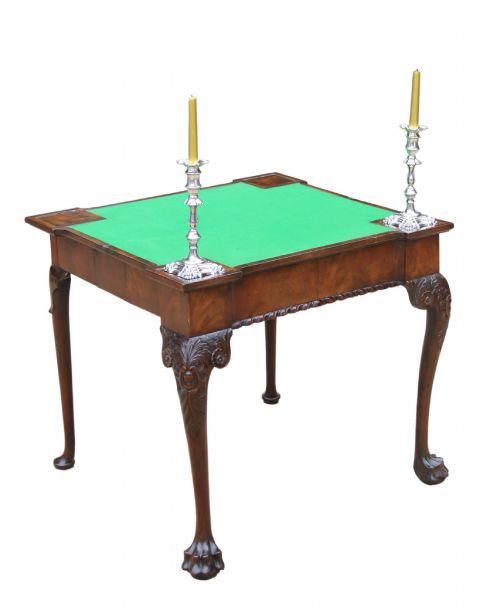
Construction relied on traditional joinery to support the weight of heavy fold-over leaves and triple-top designs. Green baize was traditionally inset into the playing surface to provide a suitable texture for handling cards and counters.
Retail Price Guide 2026
Typical UK retail prices for george ii games table, calculated from the Sellingantiques database of over a million retail prices indexed since 2003. This retail price guide relies exclusively on Sellingantiques data; no external sources or auction records are used, so the figures do not describe the wider market.
Listings feature mahogany, red walnut, burr walnut, walnut, and oak, paired with baize linings and brass hardware across eighteenth-century forms.
What varies in quality
The choice of timber creates a clear distinction between standard items and superior examples, with highly figured walnut, burr walnut, and rich mahogany marking out the better pieces. Finer specimens display meticulous grain matching across the fold-over leaves and superior handling of timber selection.
Complexity of mechanism dictates the upper tiers of craftsmanship, where concertina actions and triple-top configurations demand advanced engineering from the maker. Integrated details such as dedicated guinea wells elevate a table beyond a standard card surface.
Tozer Of London
The George II Games Table Glossary
- Concertina action
- An expanding frame mechanism that allows the rear legs of a table to pull outward with the top, providing stable support for a fold-over leaf. This engineering feat ensures the table maintains balanced proportions whether closed or fully extended for play.
- Guinea well
- A small circular recess carved into the corners of a card table interior to hold gold coin currency safely during gaming. These depressions prevent rolling coins from disrupting the play.
- Baize
- A coarse woolen fabric used to line the playing surface of card and games tables. It provides a tactile, non-slip mat for dealing cards and placing counters.
- Triple top
- A multi-layered table design that unfolds through three distinct stages to reveal different surfaces for tea and card games. This clever multi-functional construction maximised utility in period drawing rooms.
- Pad foot
- A rounded, unornamented foot shape that sits flat on the floor at the base of a cabriole leg. This design distributes weight evenly without requiring elaborate carving.
Frequently Asked Questions
How do I use a games table today?
These tables function ideally as console or side tables against a wall when closed. Simply unfold the top and swing out the supporting leg whenever you need an extra surface for cards, board games, or entertaining.
Their historical adaptability means they fit comfortably into modern living rooms and dining spaces as occasional furniture. The clever folding mechanisms allow you to transform the room's layout in seconds.
What are guinea wells used for?
Guinea wells are small circular indentations carved directly into the wooden corners of the playing surface. In the eighteenth century, players placed their gold guinea coins and gaming counters into these recesses to keep the table organised during card matches.
Finding these wells indicates a table specifically equipped for serious gaming rather than general tea service. They add a fascinating functional detail that connects the piece directly to period social habits.
How do I tell a walnut table from mahogany?
Walnut typically displays a lighter, warmer brown tone with intricate swirling grain patterns and occasional burring. Mahogany tends to be darker and denser, showing a straighter, more uniform reddish-brown grain.
Examining the natural figure under good light helps clarify the timber species used by the cabinet maker. Both materials were prized during the Georgian period for their durability and rich appearance.
Why do some tables have three tops?
Triple-top tables offer multiple surfaces by stacking leaves that can be lifted or swung open independently. One surface might feature polished wood for serving tea, while the next reveals a baize-lined interior for card games.
This multi-tiered approach gave eighteenth-century households versatile furniture that adapted throughout the day. It combined the functions of a tea table and a gaming board into a single compact footprint.