
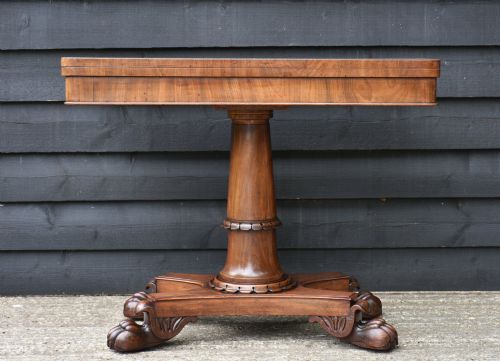
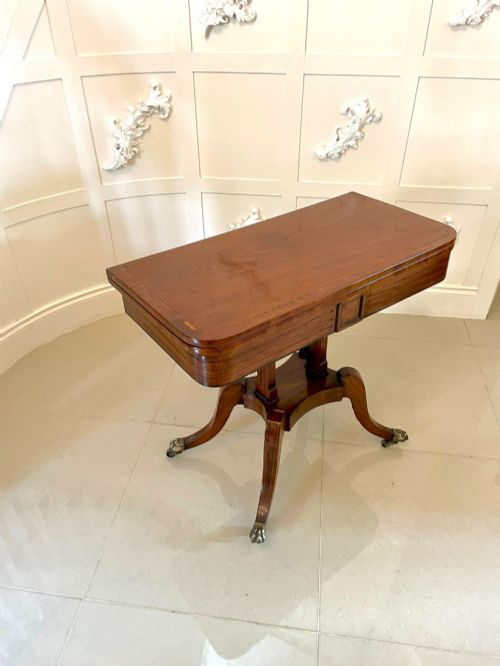
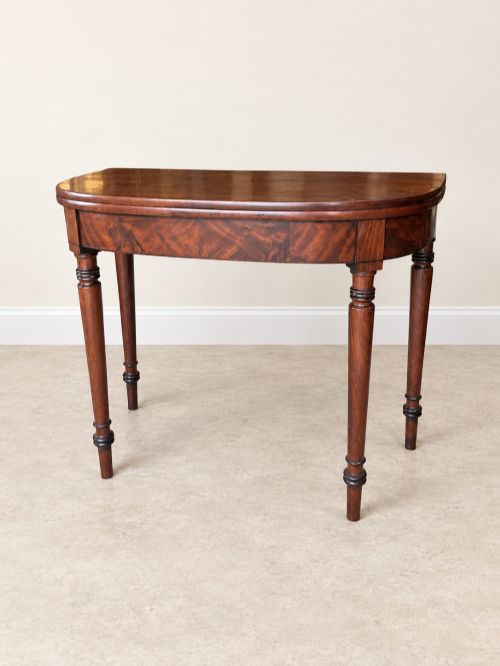
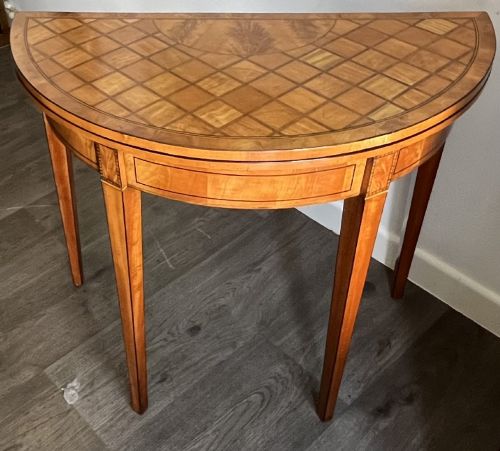

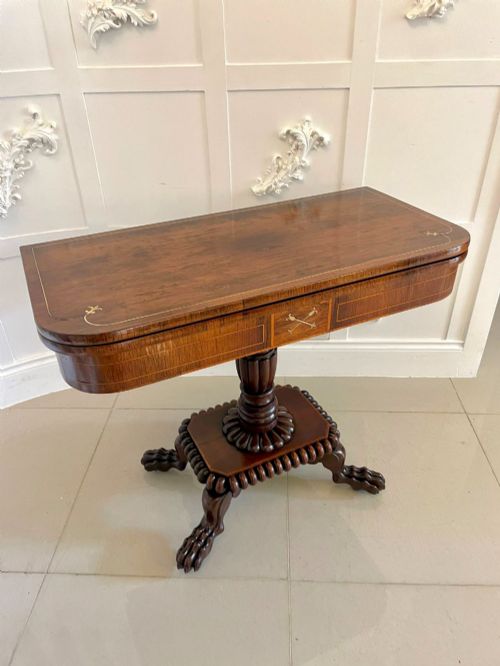
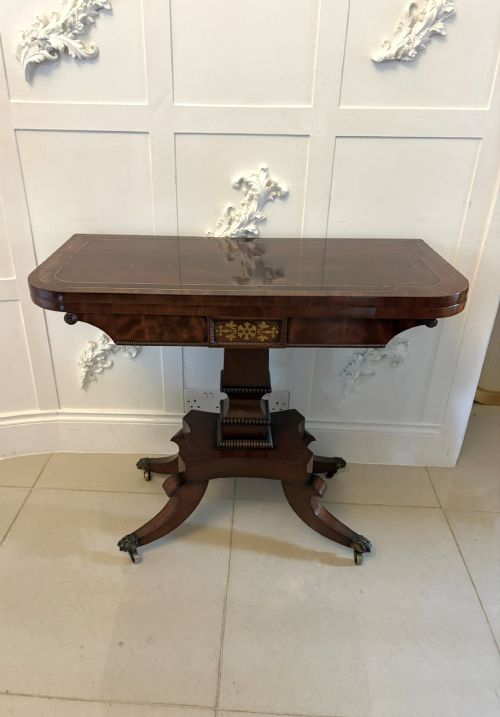
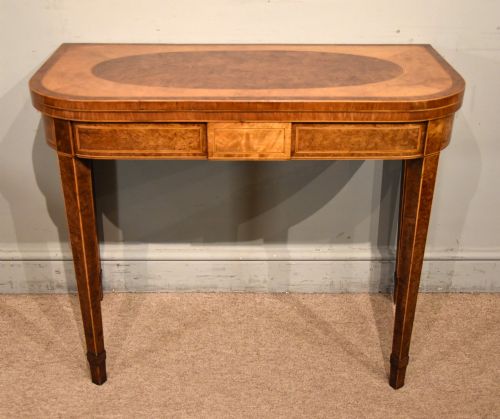
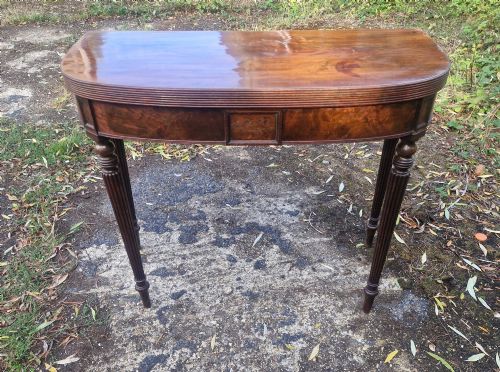
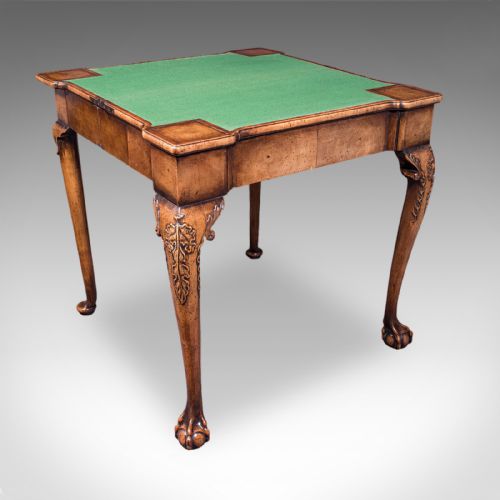
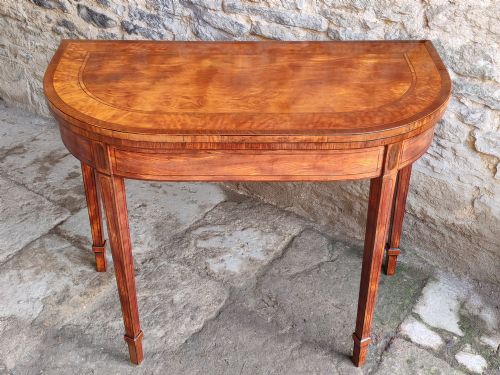
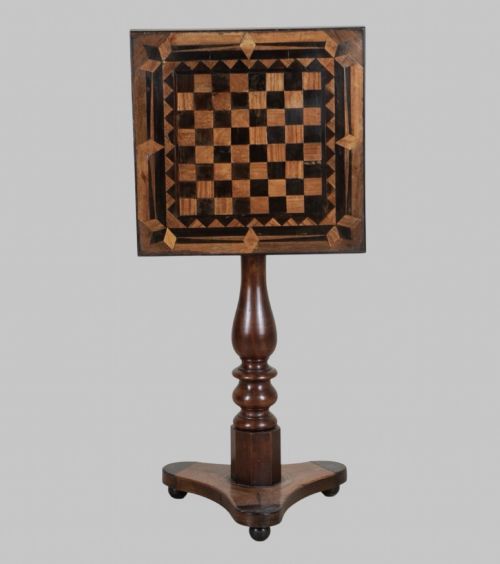
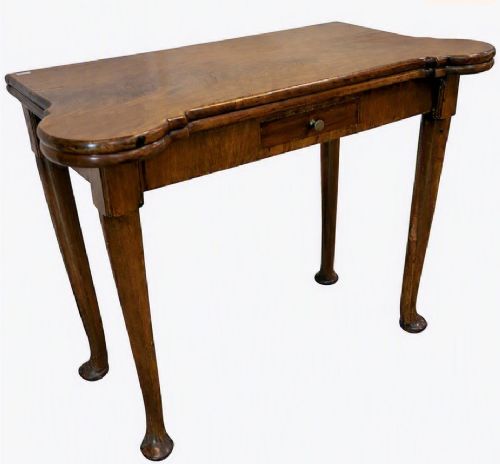
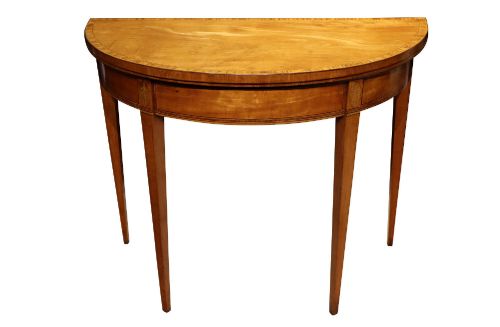
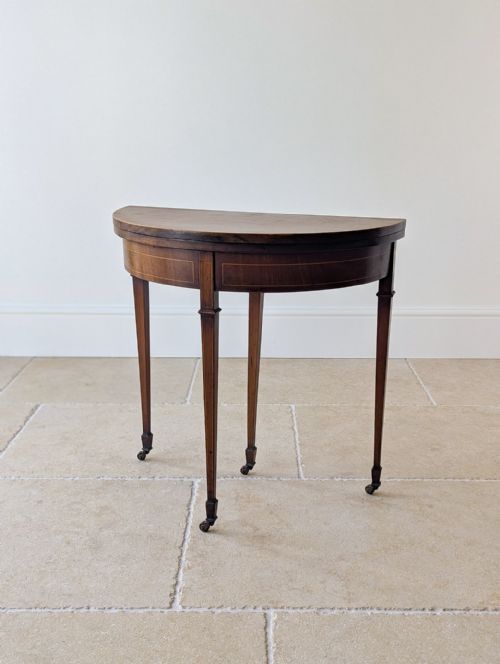
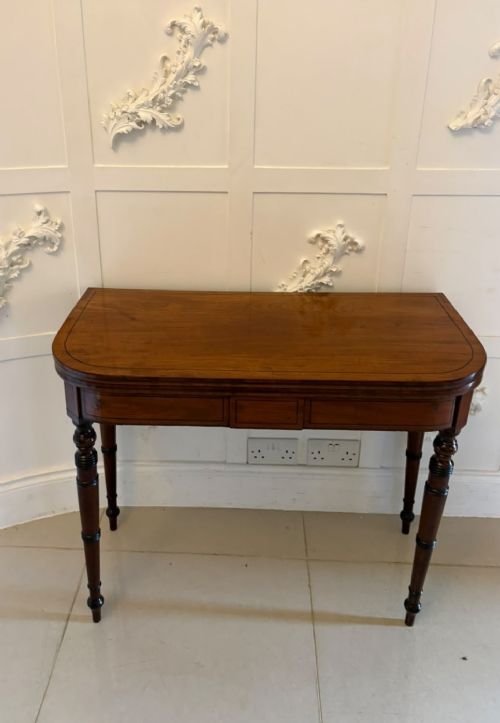
Georgian Gaming Table
These pieces are a georgian gaming table, made for entertainment and social display, and a buyer wants one for its clever convertible timber engineering.
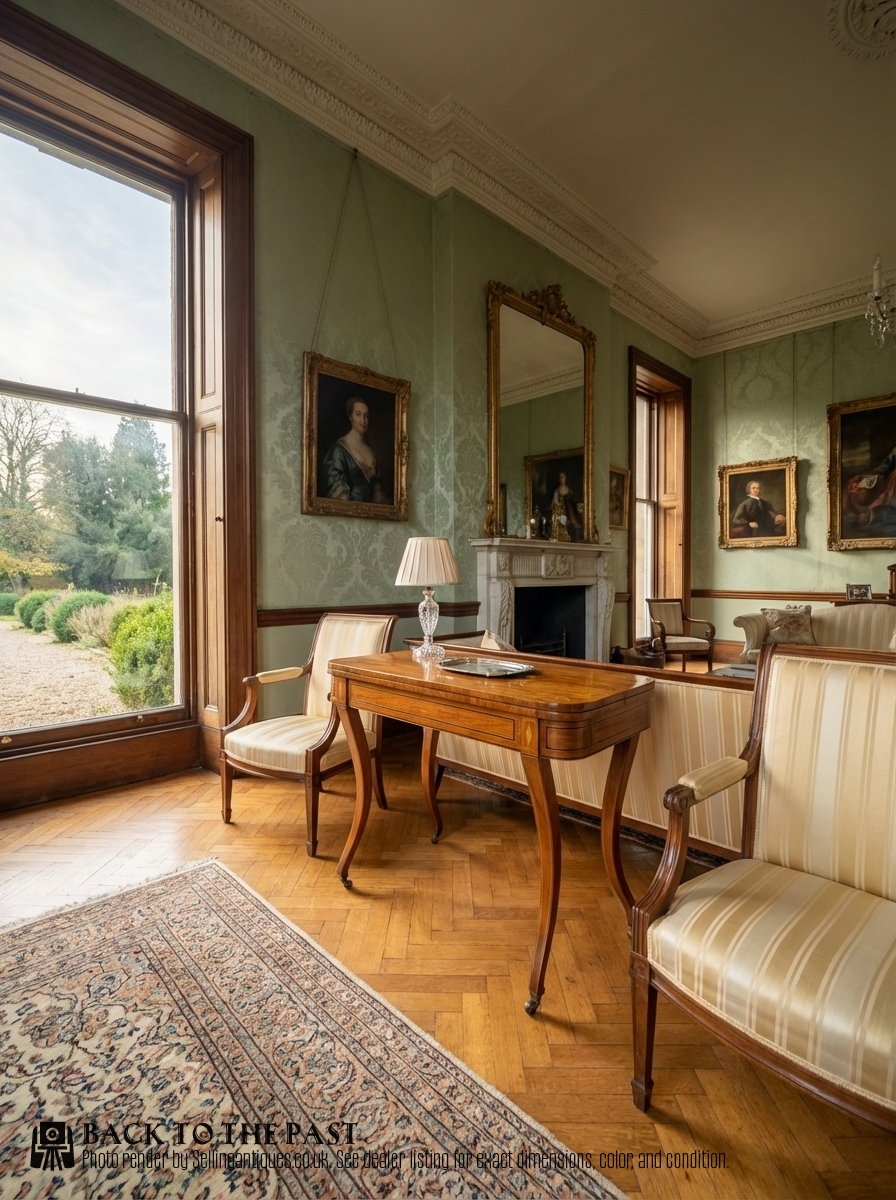
Georgian Gaming Table
A georgian gaming table appears in various timber forms designed for card playing and social gatherings, predominantly spanning the eighteenth and nineteenth centuries.
The selections available on this page run from George II and George III periods through to Regency and William IV eras, alongside later Edwardian and twentieth-century examples.
Primary object types include card tables, games tables, tea tables, and console tables, frequently featuring fold-over tops or concertina actions.
Geographical and stylistic influences range from English cabinet-making traditions to French Hepplewhite designs.
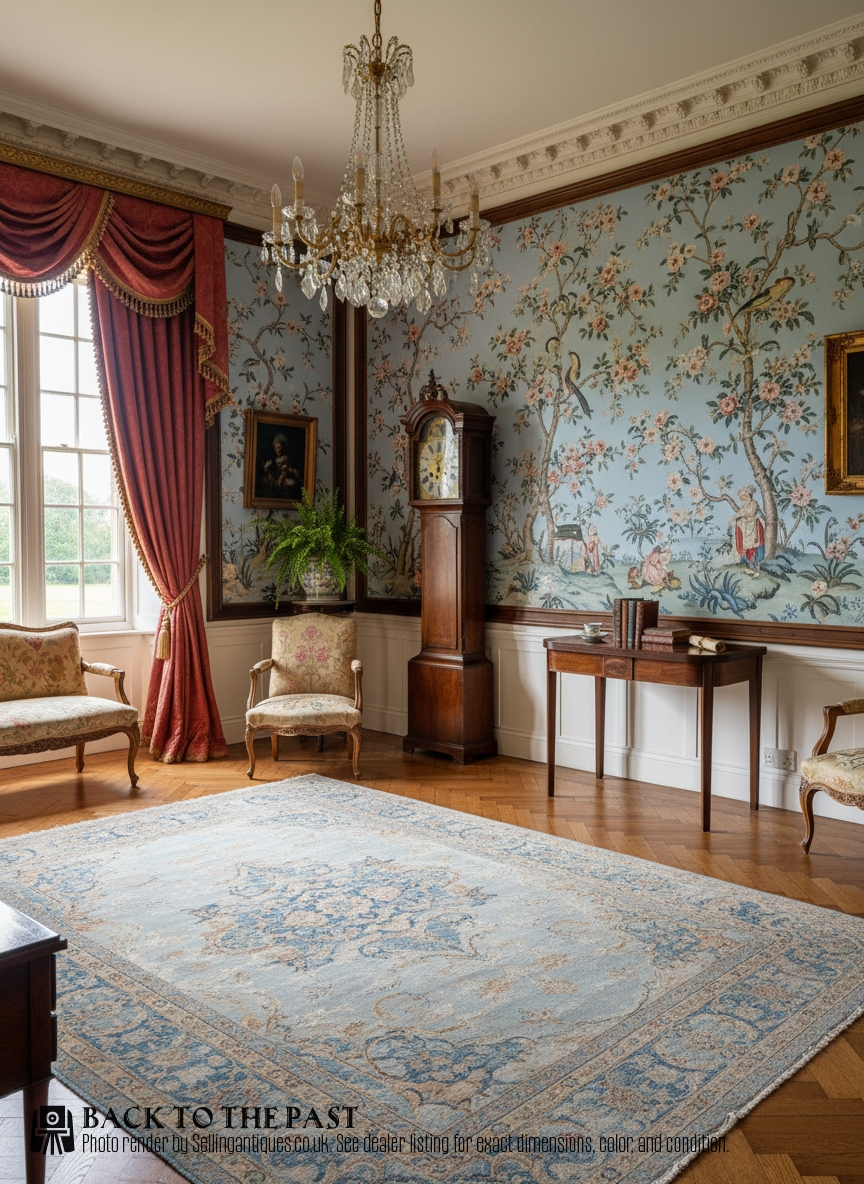
How they were made
Makers utilised solid timbers alongside specialised veneers, applying mahogany, walnut, rosewood, and satinwood across carcases.
Decorative surface details incorporate brass inlay, boxwood stringing, and kingwood crossbanding to define geometric and demi-lune boundaries.
Internal mechanisms employ concertina actions and pivoting fold-over leaves supported by tripod bases or straight and carved legs.
Georgian Gaming Table Retail Price Guide 2026
Typical asking prices for georgian gaming table among the pieces listed under this phrase on Sellingantiques today, from the lower quarter to the upper quarter. They describe what is for sale here now, not the wider market.
Listings feature mahogany, satinwood, rosewood, and walnut alongside specialist surfaces lined with baize for playing cards.
What varies in quality
The grade of timber selection and veneer matching defines the visual impact, particularly where flame mahogany or burr yew is deployed across the top surface.
Engineering precision in the opening mechanism dictates the stability of the folding leaf and the alignment of the concertina frame.
The refinement of carved details, brass inlay placement, and the preservation of original surface patination separate standard examples from finer works.
Giles Grendey·Gillows·Chippendale
The Georgian Gaming Table Glossary
- Concertina action
- An expanding frame mechanism that allows the rear legs of a table to pull outward symmetrically when the top unfolds, providing stable corner support.
- Crossbanding
- A strip of veneer applied perpendicularly to the grain of the main surface around the edge of a table top, creating a contrasting border.
- Demi-lune
- A half-moon shape used for console and card tables designed to stand flat against a wall when closed.
- Baize
- A coarse woolen fabric traditionally used to line the playing surface of card and games tables.
- Patina
- The surface sheen and mellowing developed by aged timber through decades of handling and wax polishing.
Georgian Gaming Table: Frequently Asked Questions
What is a georgian gaming table?
A georgian gaming table is a dual-purpose piece of antique furniture featuring a folding or pivoting top designed to open out for card games and social pastimes.
When closed, these items function as console, side, or tea tables against a wall, conserving domestic space while displaying figured timber veneers.
How do you open a concertina action table?
A concertina action table operates by pulling the rear framework outward, which causes the hinged legs to extend in unison with the unfolding top.
This clever mechanical design distributes weight evenly across four corners without needing a central swing leg.
What woods were used for these tables?
Cabinet-makers utilised dense timbers like mahogany and walnut for structural stability and primary surfaces, supplemented by decorative elements.
Satinwood, rosewood, kingwood, and burr yew appear frequently as contrasting veneers and crossbanding to frame the top boards.
How do I care for a baize lined surface?
Baize requires gentle brushing to remove dust and should be kept away from direct sunlight to prevent fading of the traditional green or coloured wool.
Spills must be blotted immediately rather than rubbed, protecting both the fabric lining and the timber rebate beneath.