
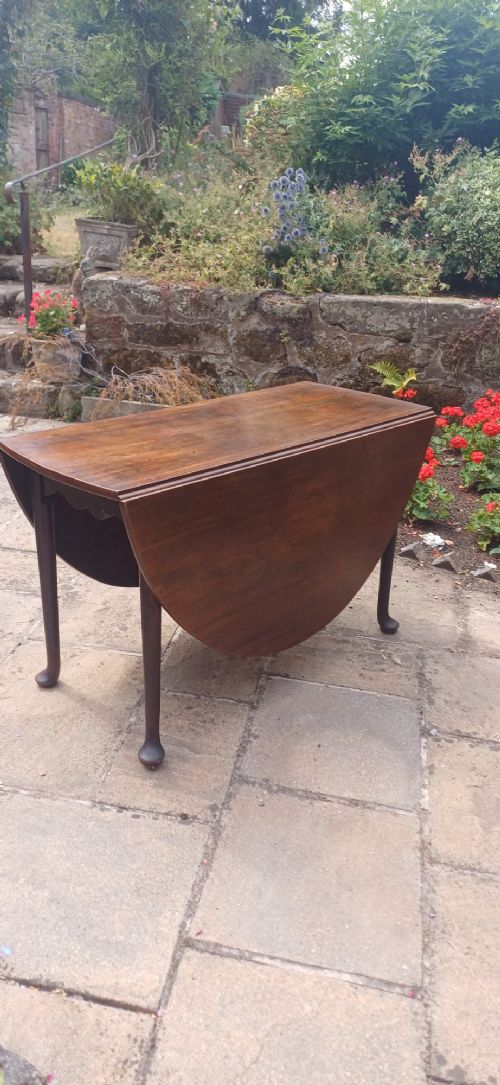
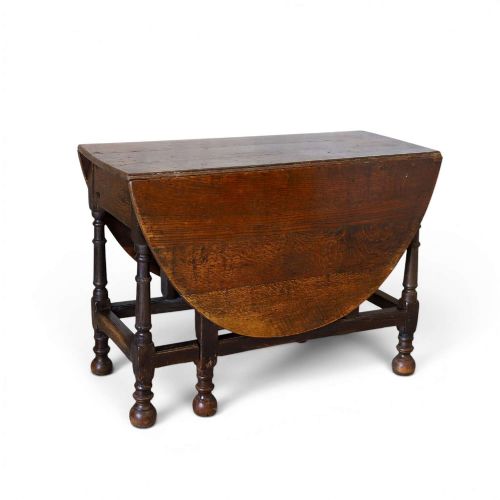
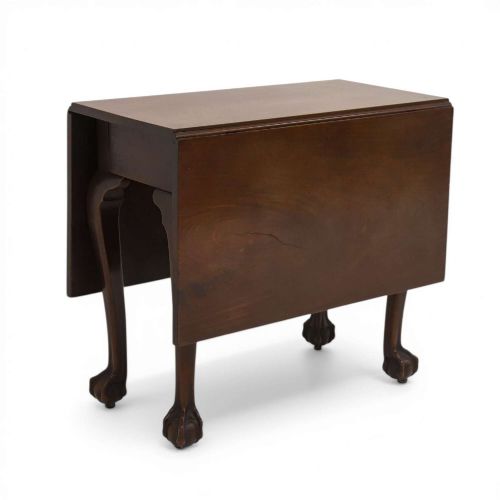
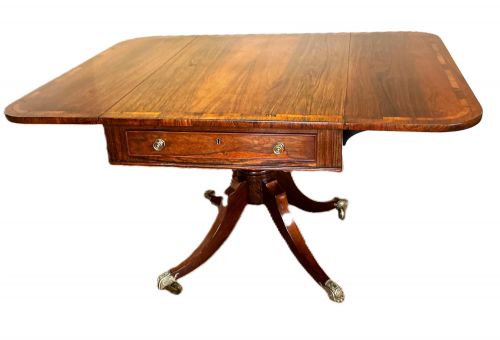
Georgian Flap Table
A georgian flap table offers nimble surface space through folding leaves, answering the persistent demand for adaptable rooms.
What these pieces are
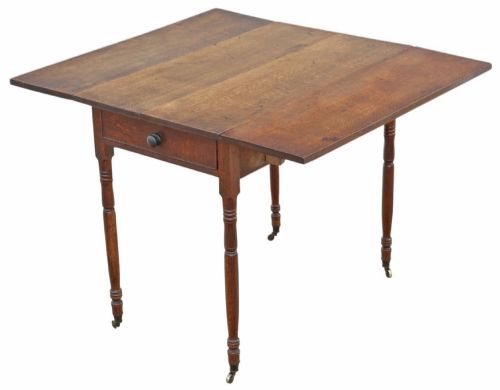
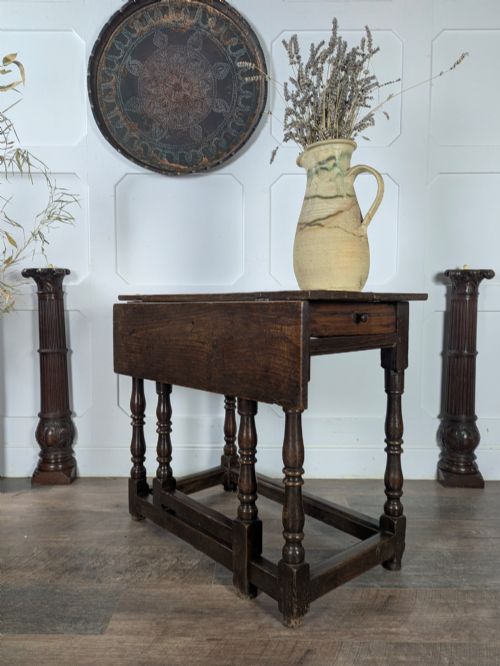
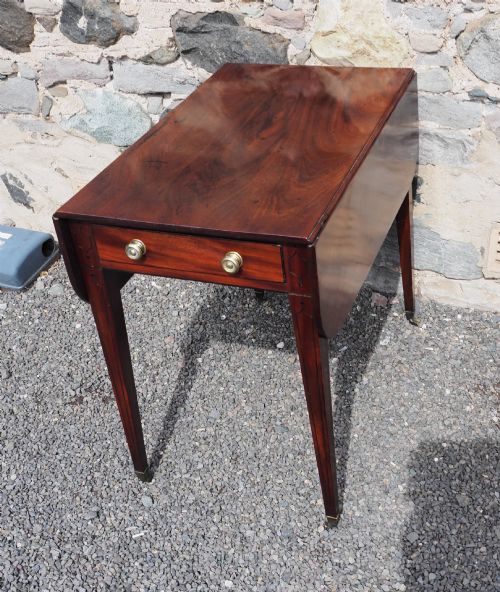
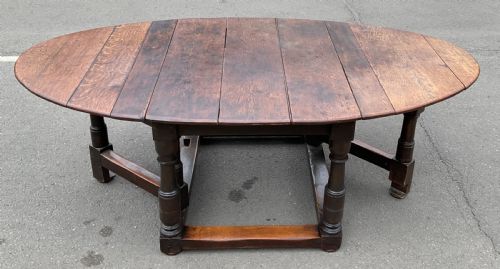
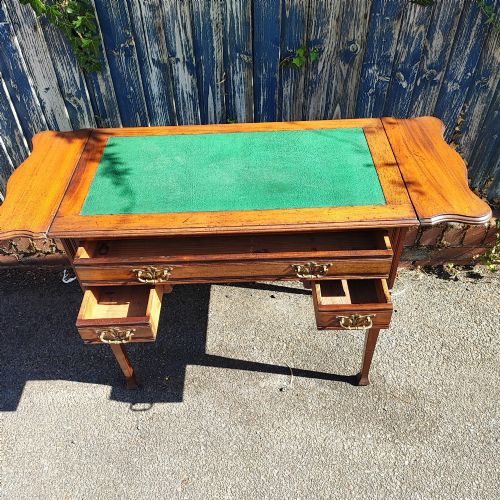
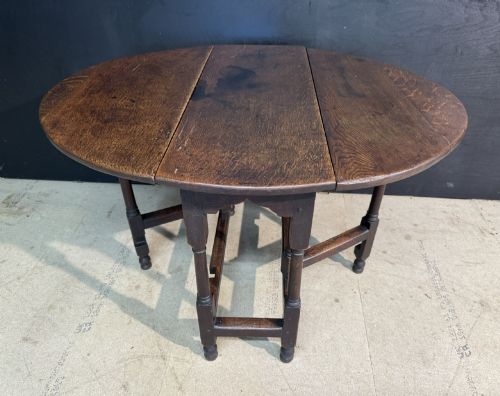
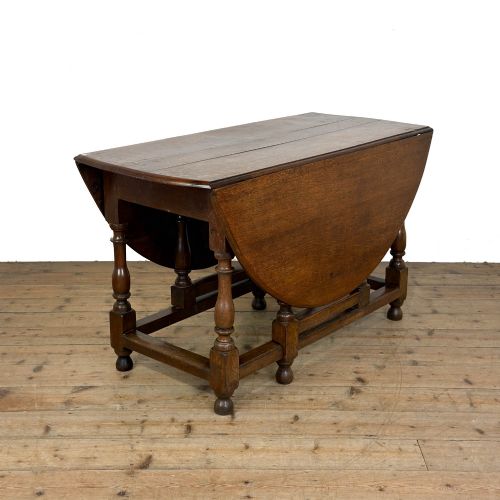
A georgian flap table provides a flexible surface through drop leaves or fold-over tops that expand a compact footprint when needed. These domestic pieces appear as side tables, occasional tables, dining tables, tea tables, pembroke tables, and work tables.
The surviving examples range from smaller cottage dining pieces to larger dining tables, alongside tea tables with folding tops. They originate from the Georgian period, with specific dates spanning the middle of the eighteenth century up to around eighteen twenty.
Mahogany dominates the selection, accompanied by occasional red walnut variants. The forms reflect both utilitarian cottage furniture and more refined tea and dining formats.
How they were made
Cabinetmakers constructed these tables primarily from solid mahogany, with certain examples utilising red walnut. Timber selection dictated the structural integrity of the folding flaps and the durability of the hinges.
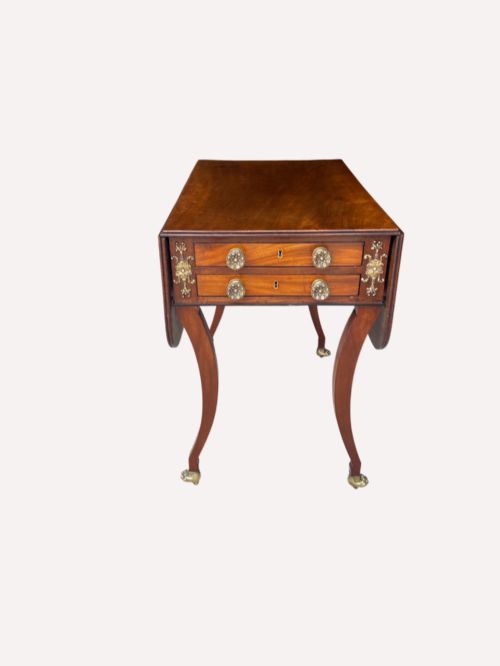
Construction techniques include hinged drop flaps supported by swinging legs or brackets, and rotating fold-over tops for tea tables. Some elevated examples feature carved cabriole legs, while others incorporate brass hardware.
Retail Price Guide 2026
Typical UK retail prices for georgian flap table, calculated from the Sellingantiques database of over a million retail prices indexed since 2003. This retail price guide relies exclusively on Sellingantiques data; no external sources or auction records are used, so the figures do not describe the wider market.
Some cottage tables evidently worked hard for their keep, doubling as both dining surfaces and impromptu workbenches for domestic tasks.
What varies in quality
Quality separates simple cottage utility from finer parlour furniture through timber selection and structural substance. Heavier, solid construction and thoughtful integration of folding mechanisms distinguish the sturdier survivals.
Decorative ambition further divides the range, moving from plain working surfaces to tables finished with carved cabriole legs and brass details. The refinement of the hinges and the precision of the fold-over joints reveal the maker's hand.
The Georgian Flap Table Glossary
- Drop leaf
- A table with a fixed centre section and hinged leaves that fold down at the sides. This allows the furniture to occupy less space when not in use.
- Pembroke table
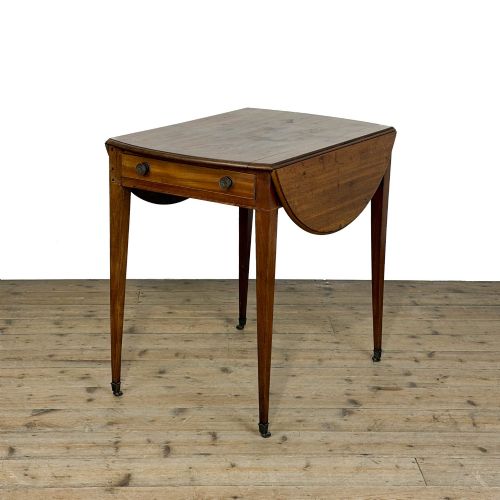
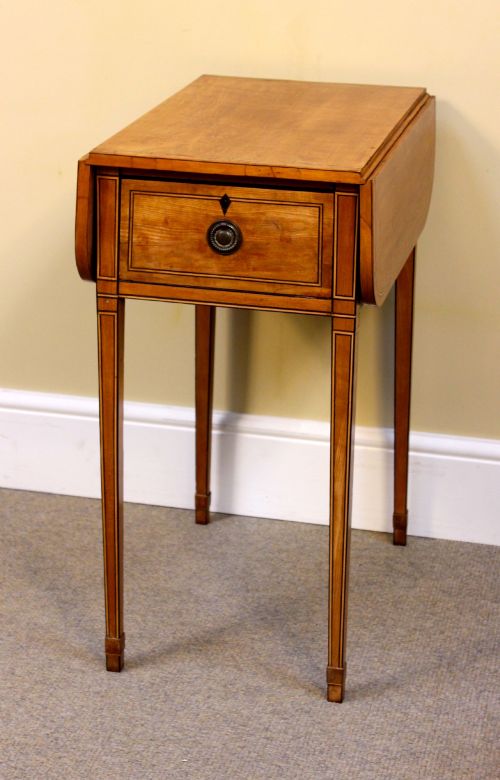
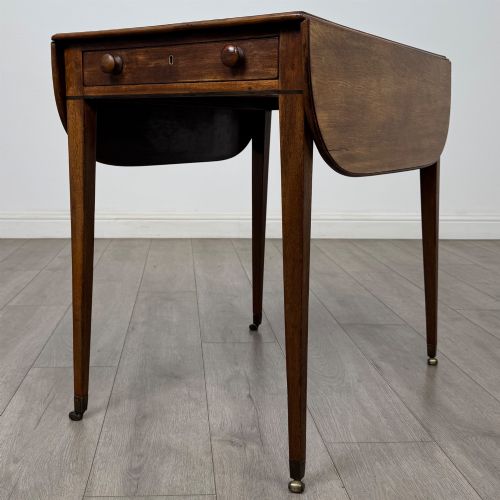
- A small rectangular table featuring two hinged drop leaves on opposite sides, frequently fitted with a drawer. It functioned as a versatile writing or breakfast table.
- Cabriole leg
- A furniture leg that curves out and then in, resembling the leg of an animal. It typically terminates in a pad or claw foot.
- Fold-over top
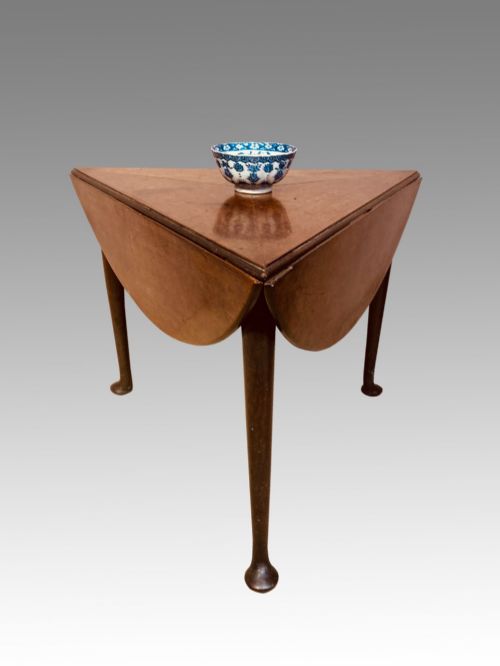
- A hinged table top that opens outward to double the available surface area. This mechanism appears frequently on tea tables from the period.
Frequently Asked Questions
How were tea tables used?
Tea tables held the tea service during social gatherings, often featuring fold-over tops that revealed a surface for cups and pots.
When closed, they functioned as side tables against a wall, conserving valuable floor space in the parlour.
How do I spot a Pembroke table?
A Pembroke table is identified by its rectangular central leaf flanked by two smaller drop leaves. They often include a small drawer at one end.
Their proportions made them easy to move around the room for writing, sewing, or breakfast.
What timber is most common?
Mahogany is the primary timber found in these tables, valued for its strength and rich grain. Red walnut also appears in earlier pieces.
Both woods provided the stability needed for the moving joints and hinges inherent in flap tables.