




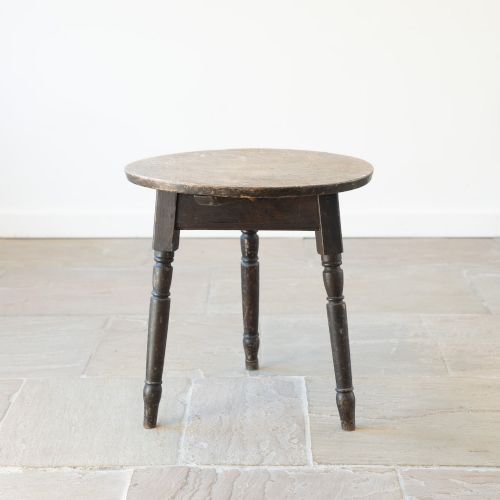
Dark Brown Occasional Table
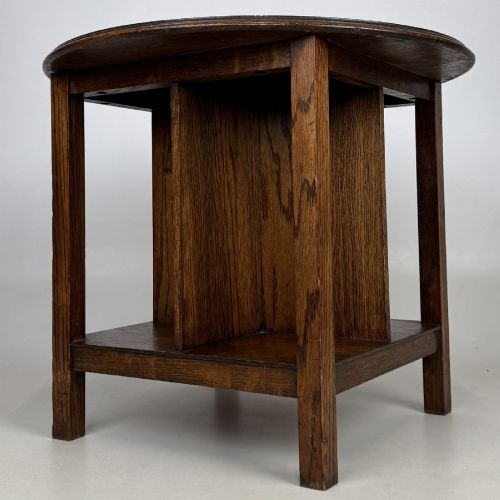
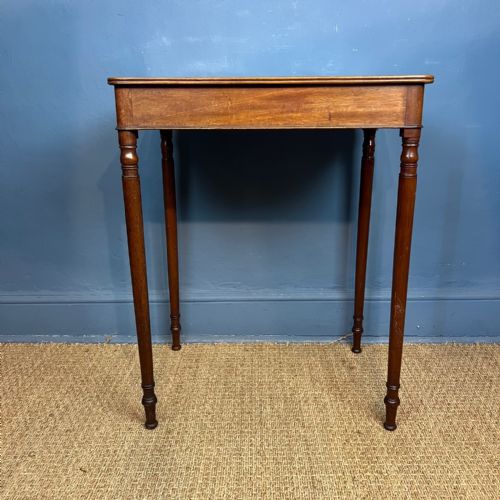
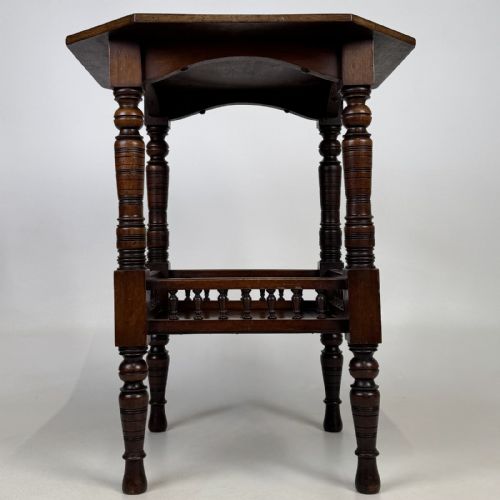
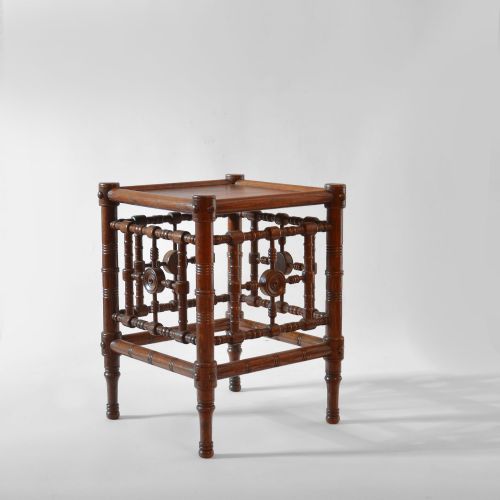
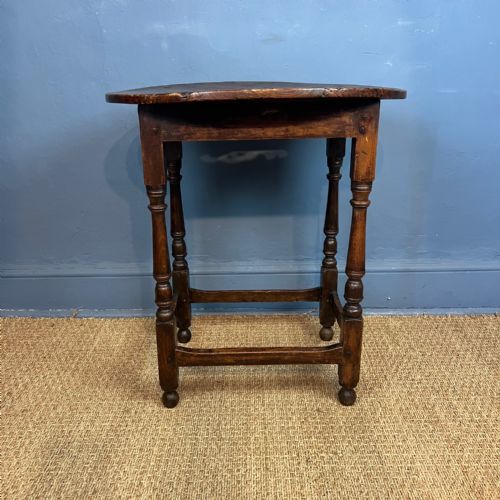
A dark brown occasional table offers a compact surface for a lamp or book, grounding a room with rich timber tones.
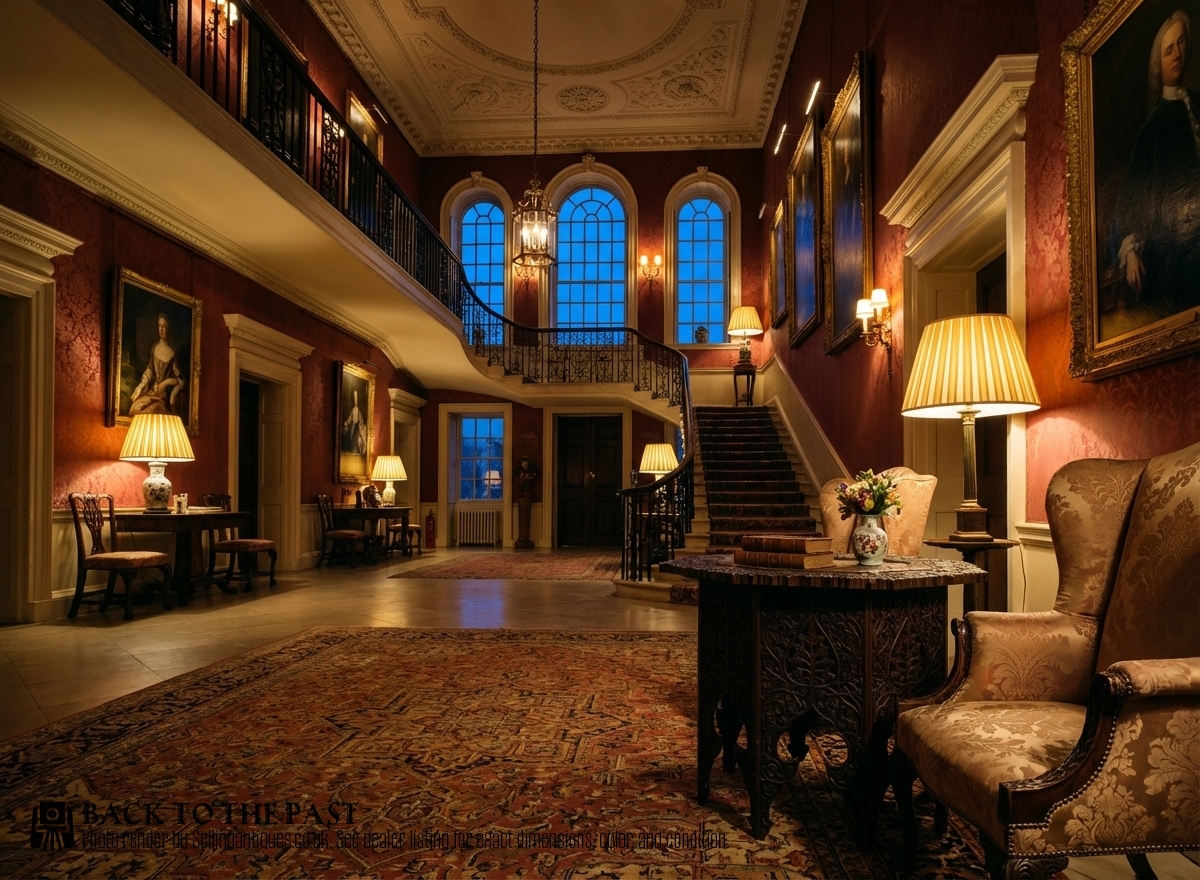
Dark Brown Occasional Table
A dark brown occasional table encompasses a varied group of small tables designed for flexible placement around a room, including side tables, lamp tables, and nests of tables. These pieces span multiple centuries, stretching from 18th-century country oak examples to Edwardian and later iterations.
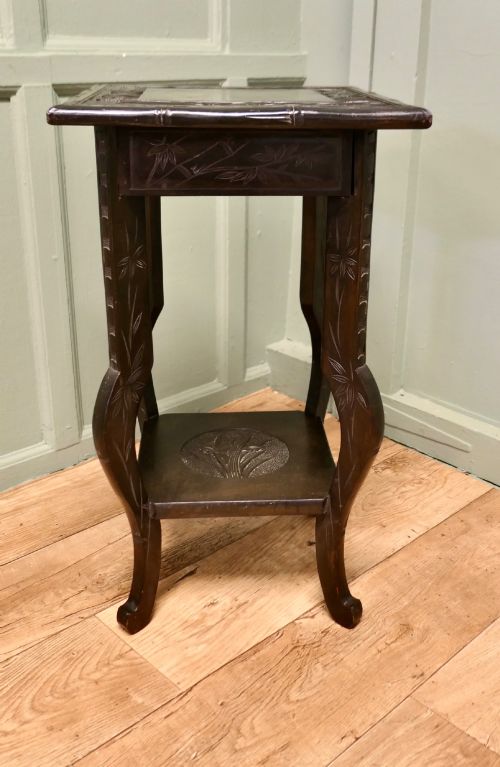
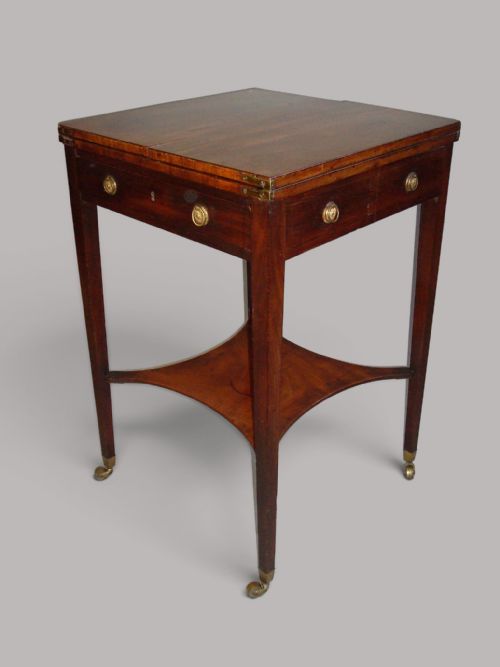
The versions most frequently met on this page belong to the Edwardian and Victorian periods, alongside 19th-century interpretations in various timbers. Forms range from tripod tables and lowboys to folding campaign tables and octagonal plant stands, reflecting the diverse domestic needs of past eras.
Materials and construction methods
Cabinetmakers utilised dense hardwoods such as oak, mahogany, and rosewood, often finished to deep, dark brown hues that highlight the natural grain. Veneer and solid construction both appear across the periods, sometimes enhanced with brass hardware or contrasting inlay.
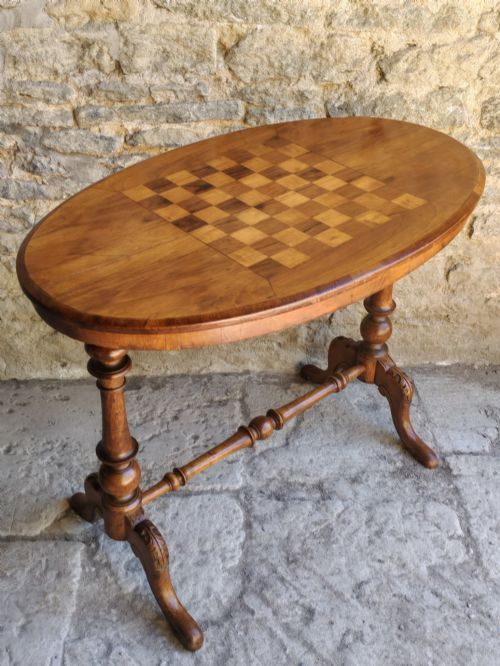
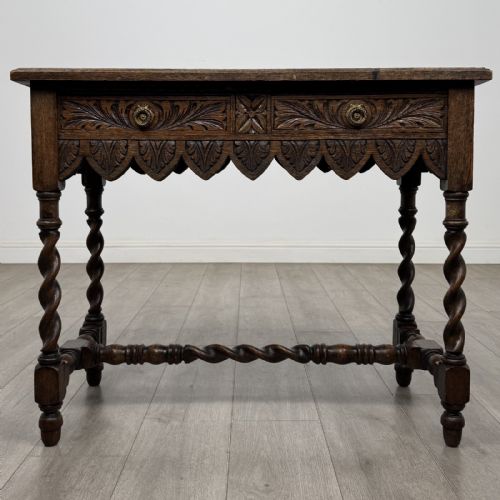
Construction techniques vary from traditional peg and tenon joints in earlier country pieces to turned barley twist legs, tilt-top mechanisms, and sophisticated marquetry inlay found in later formal centre tables.
Dark Brown Occasional Table Retail Price Guide 2026
Typical asking prices for dark brown occasional table among the pieces listed under this phrase on Sellingantiques today, from the lower quarter to the upper quarter. They describe what is for sale here now, not the wider market.
A pair of gipsy tables waits patiently to bring late-Victorian bohemian charm into a modern corner.
Separating the ordinary from the exceptional
Quality in a dark brown occasional table rests upon the selection of timber and the precision of the joinery rather than mere age. Denser grain patterns, thoughtful deployment of brass or satinwood inlay, and balanced proportions distinguish finer examples from utilitarian pieces.
The integrity of the construction, whether a stable tripod base or a neatly folding campaign frame, dictates how well a piece handles daily service. Superior execution shows in crisp carving and seamless movement in drop leaves or tilt tops.
Liberty & Co.·William Birch
The Dark Brown Occasional Table Glossary
- Cricket table
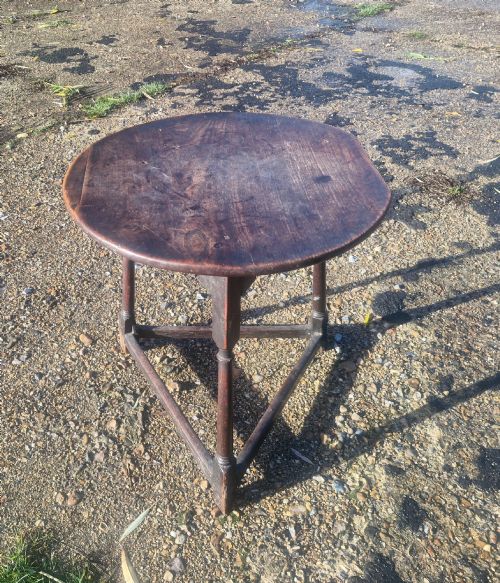
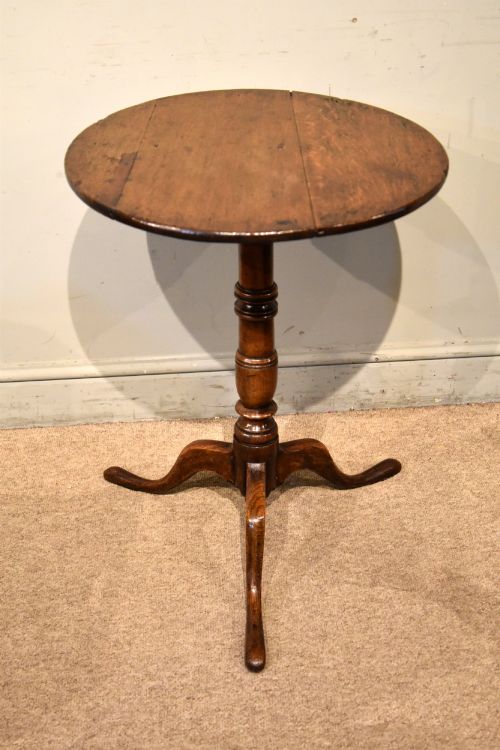
- A small three-legged table with a round wooden top, typically originating from the 18th century and constructed in oak.
- Tilt top
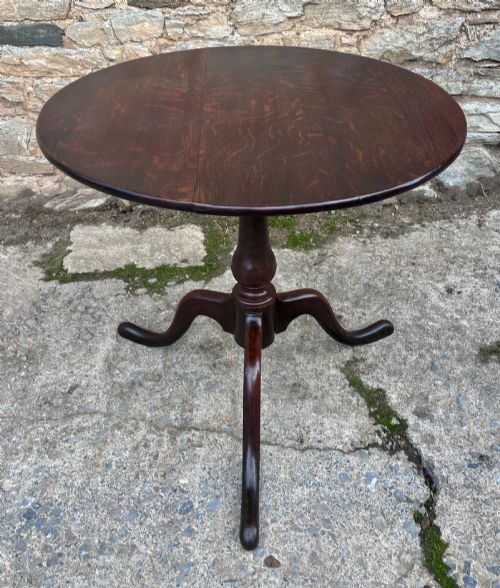
- A tabletop mounted on a pivot mechanism that allows the surface to fold vertical when not in use, saving space in smaller rooms.
- Tripod table
- A freestanding table supported by a central pillar resting on three spreading feet, common in Georgian and Victorian parlours.
- Lowboy
- A small kneehole dressing table or side table with one or more rows of drawers, frequently built in oak or walnut during the 18th century.
- Sofa table
- A rectangular freestanding table traditionally placed behind a sofa, often featuring drop leaves and double pedestal supports.
Dark Brown Occasional Table: Frequently Asked Questions
What is an occasional table?
An occasional table is a small, movable piece designed to serve a specific purpose when needed, such as holding a lamp, drink, or book.
These tables were built in numerous shapes and heights to fit beside chairs, in corners, or at the centre of a room.
How do I style a dark brown table?
A dark brown occasional table works well against lighter walls to create contrast, or paired with similar timber tones in a traditional interior.
Keep items placed on top minimal to allow the grain and colour of the wood to remain visible.
Are these tables sturdy enough for daily use?
Most of these tables were constructed from hardwoods like oak and mahogany, intended for practical domestic service.
Checking the stability of the legs and joints ensures the piece handles everyday placement of lamps or cups.
How do I date an antique wooden table?
Dating relies on observing construction methods, timber choices, and stylistic cues such as leg turning or edge profiles.
Earlier pieces often show hand-cut joinery and native timbers like oak, while later items incorporate machine production and exotic veneers.