


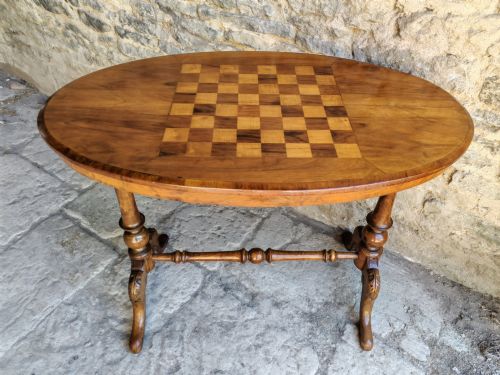
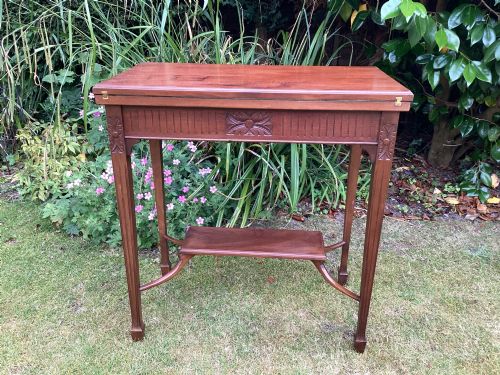
Antique Wooden Games Table
An antique wooden games table brings centuries of social parlour entertainment into a modern room with timber craftsmanship.
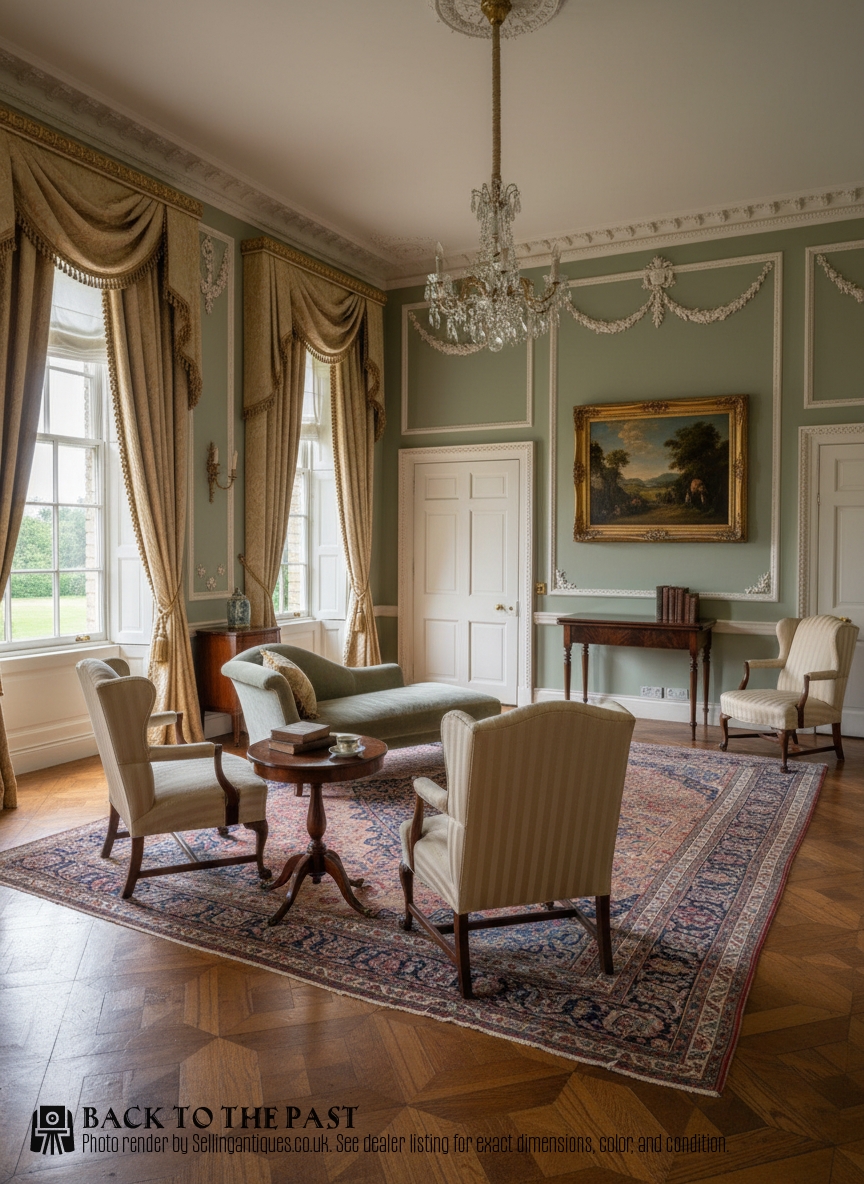
Antique Wooden Games Table
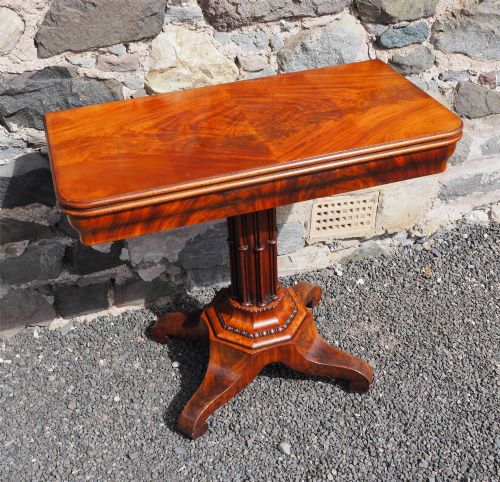
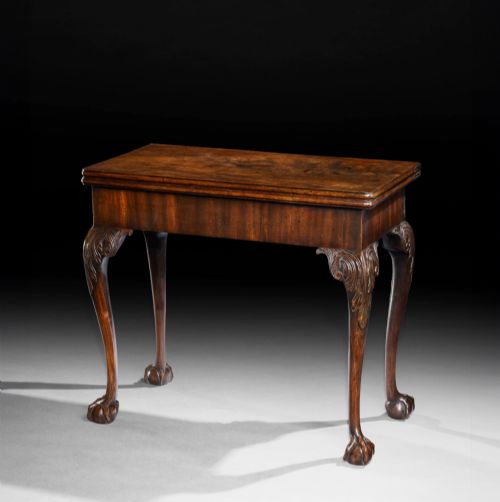
An antique wooden games table is a multifunctional piece of furniture designed for leisure, featuring fold-over leaves, reversible tops, or fitted interiors for chess, backgammon, and cards. These pieces span periods from the eighteenth century through the Edwardian era, encompassing Georgian, Regency, and Victorian designs.
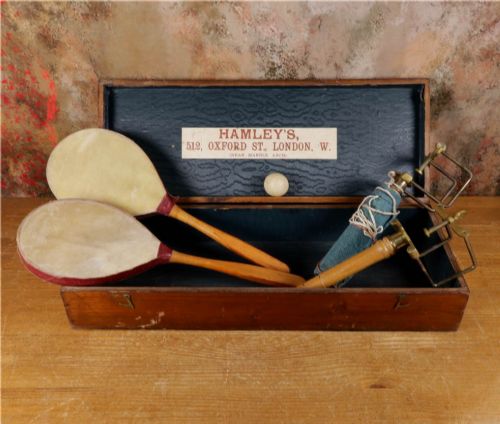
The most common examples on this page are mahogany and walnut card and chess tables from the nineteenth century. Buyers also encounter occasional tea tables that double as gaming surfaces, alongside smaller portable items like boxed sets and game blocks.
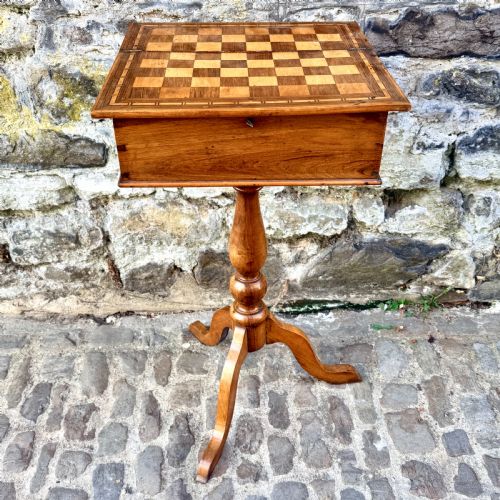
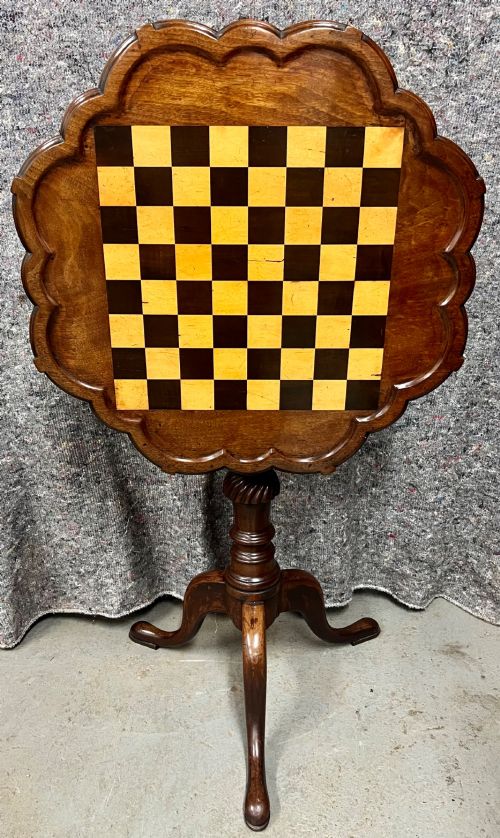
Origins range across British workshops, French provincial makers, and Anglo-Indian production. Formats vary from tripod tables with inlaid chess boards to concertina-action console tables.
Materials and construction
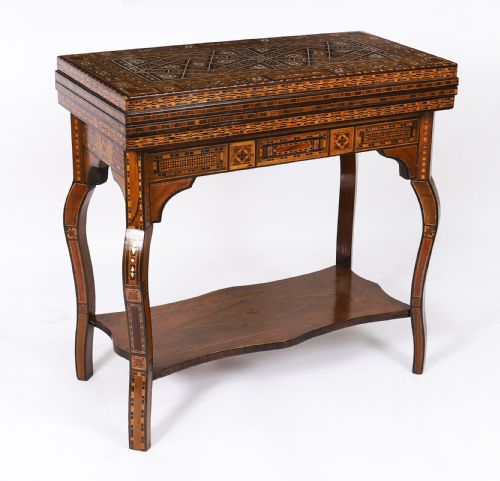
Cabinetmakers utilised dense timbers such as mahogany, walnut, rosewood, and satinwood, frequently enhanced with contrasting veneers and boxwood inlay for chess and backgammon boards. Secondary woods like oak and beech provide structural stability for folding mechanisms and internal wells.
Joinery techniques include concertina actions, fold-over hinges, and pivoting tops that reveal concealed compartments for counters and dice. Ormolu mounts and brass hardware appear on specific French and English parlour pieces to accent the woodwork.
Antique Wooden Games Table Retail Price Guide 2026
Typical asking prices for wooden games table among the pieces listed under this phrase on Sellingantiques today, from the lower quarter to the upper quarter. They describe what is for sale here now, not the wider market.
Judging the standard of execution
Quality rests in the precision of the timber matching and the crispness of the inlaid gaming boards. Finer examples display figured mahogany or walnut veneers that align seamlessly when the table is closed or opened.
The mechanical ingenuity of the folding or concertina action dictates the tier of craftsmanship. Superior pieces maintain rigid stability and smooth movement in their mechanisms without relying on loose secondary supports.
Jaques & Hamleys·Gillow·Giles Grendey
The Antique Wooden Games Table Glossary
- Concertina action
- An expanding frame mechanism that allows a card table to pull forward on an accordian-like timber frame, providing structural support when the top unfolds.
- Foldover top
- A hinged wooden surface that doubles the top area when opened for play, often concealing a baize-lined interior or gaming well.
- Marquetry
- Decorative veneer work created by fitting small pieces of various coloured woods into a design, seen frequently on French tables.
- Tripod table
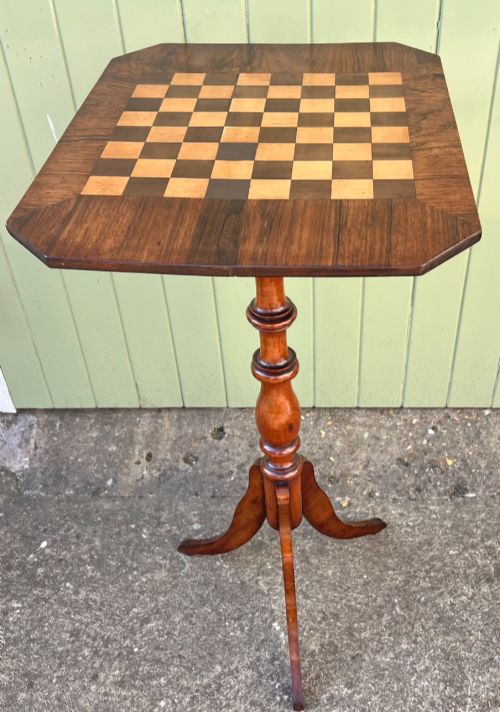
- A small freestanding table supported by a central pillar above three splayed legs, occasionally fitted with an inlaid chess surface.
- Bagatelle
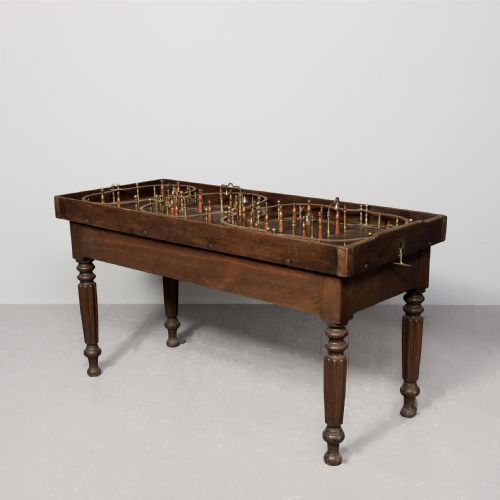
- An indoor table game akin to billiards where balls are hit with a cue up a wooden board into numbered holes.
Antique Wooden Games Table: Frequently Asked Questions
How were antique games tables used?
These tables served as dual-purpose furniture for the home, acting as decorative side or tea tables during the day and opening up for cards, chess, or backgammon in the evening.
Wealthy households utilised them in drawing rooms and parlours to entertain guests with structured social pastimes before modern board games existed.
How do I tell a card table from a chess table?
Card tables typically feature a fold-over wooden top that reveals a baize or leather playing surface for holding cards and counters.
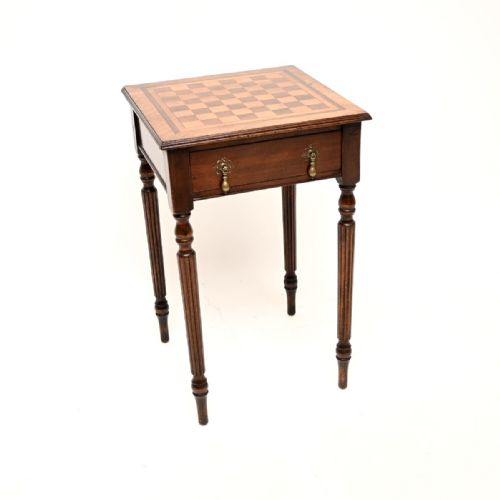
Chess tables incorporate a permanent or reversible inlaid checkered board on the upper surface, sometimes lifting off to expose a backgammon interior underneath.
What periods do these tables come from?
The listings span several centuries, starting from George II and Georgian periods through Regency and Victorian eras, up to Edwardian and early twentieth-century examples.
Earlier pieces often showcase rich mahogany and straightforward folding designs, whilst Victorian and Edwardian items introduce diverse veneers, satinwood, and specialised compartment interiors.
How do I live with an antique games table?
Position the table away from direct sunlight and heat sources to protect sensitive wood veneers and polished surfaces from drying out or warping.
Keep the folding mechanisms clean and avoid placing heavy objects on extended leaves to preserve the historic joints and hinges.