



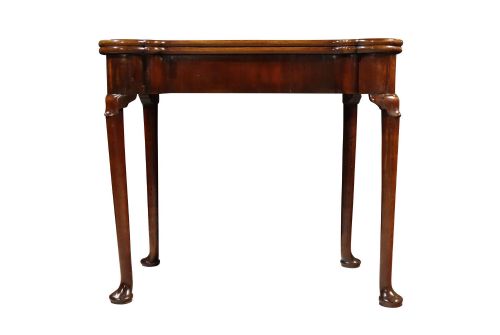
Pad Foot Tea Table
A pad foot tea table brings the architectural restraint of the eighteenth century into a room with understated grace.
Pad Foot Tea Table
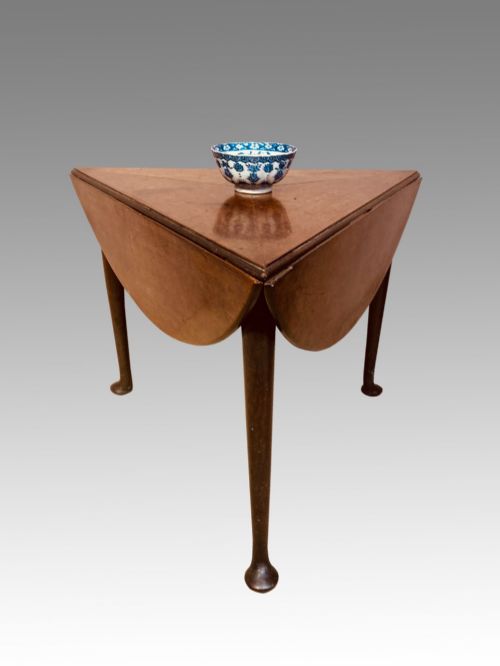
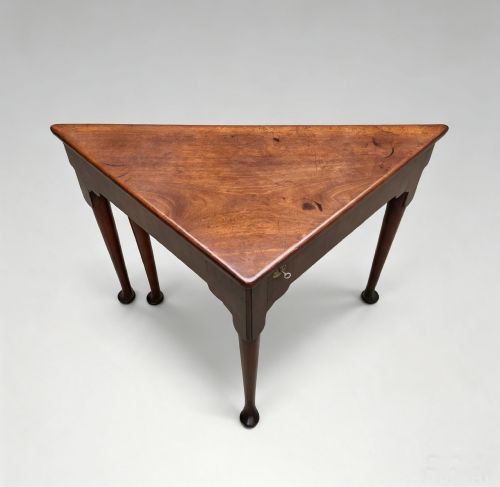
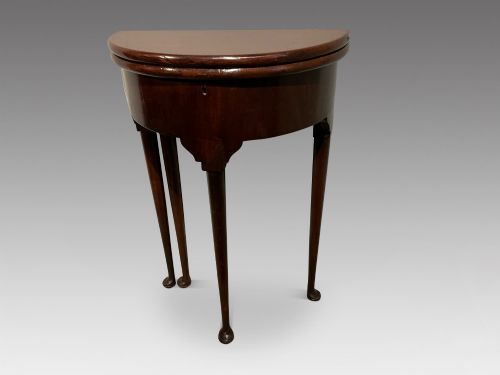
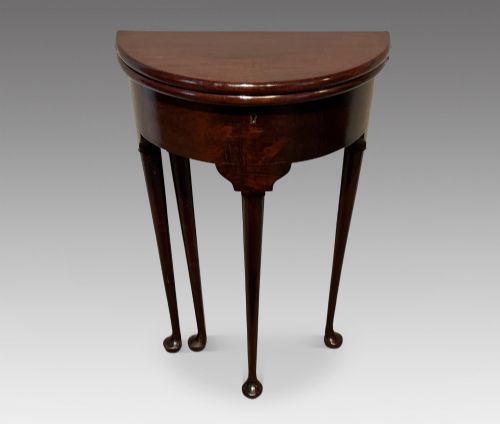
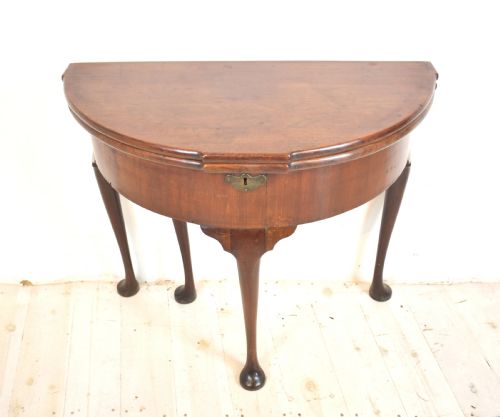
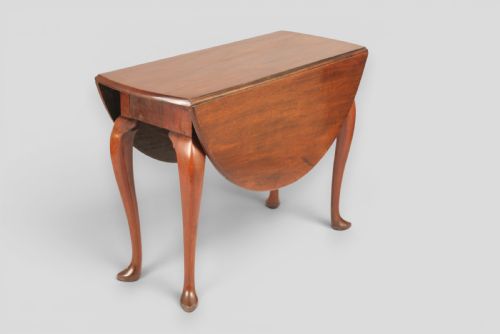
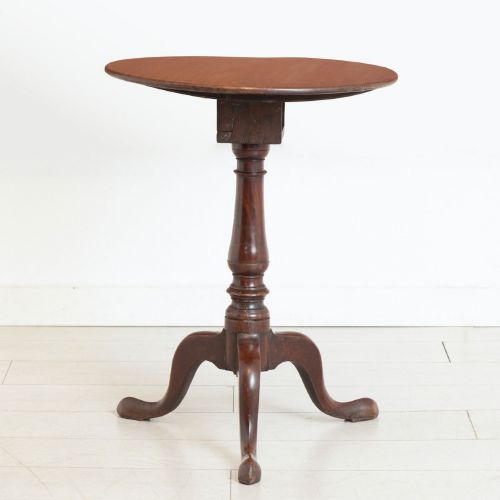
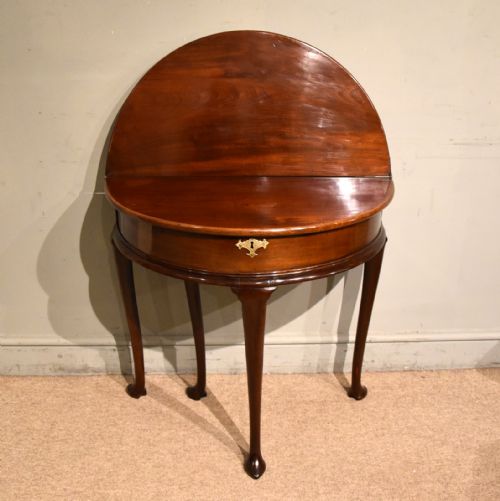
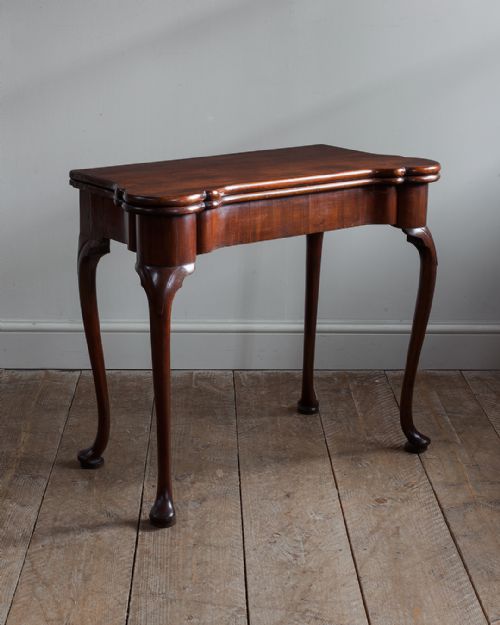
A pad foot tea table is primarily a domestic surface designed for the social rituals of tea drinking, emerging mainly during the Georgian periods. The forms found here range from fold-over tops and triangular corner designs to drop-leaf and console variants.
The material evidence spans solid mahogany, red walnut, and fruitwood, often supported on cabriole legs terminating in simple pad feet. These pieces frequently date from the eighteenth century, alongside later revivals from the twentieth century.
How they were made
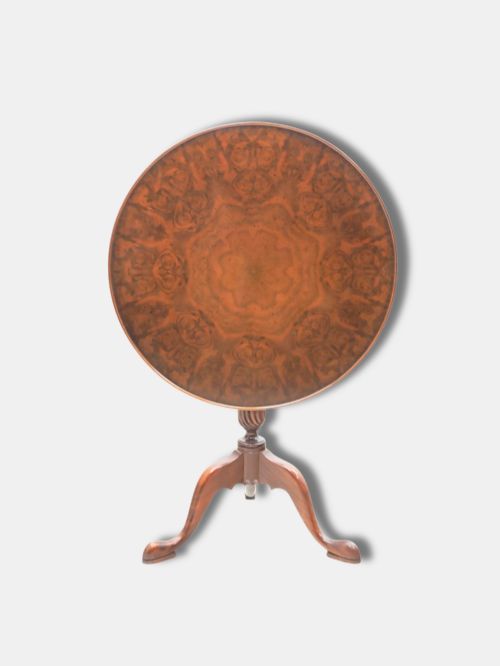
Joiners and cabinet-makers built these tables using dense timbers such as mahogany and walnut, occasionally incorporating burr walnut veneer or fruitwood and oak for secondary framing. The construction relies on sturdy pivoting mechanisms, drop-leaf hinges, and concertina actions to support folding leaves.
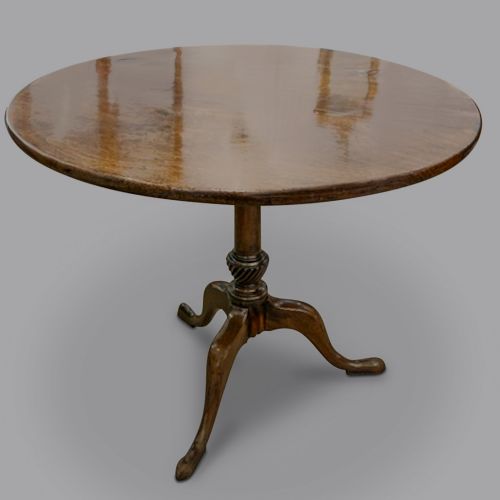
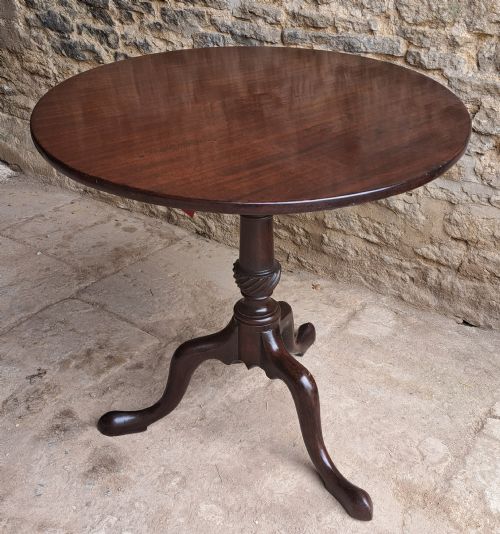
Legs are shaped into cabriole profiles that flow downward into pad feet, sometimes incorporating birdcage mechanisms on tripod variants for tilting surfaces.
Pad Foot Tea Table Retail Price Guide 2026
Typical asking prices for pad foot tea table among the pieces listed under this phrase on Sellingantiques today, from the lower quarter to the upper quarter. They describe what is for sale here now, not the wider market.
Some tables hide clever concertina actions and dished gaming wells for cards, proving ancestors took their evening entertainment very seriously.
What varies in quality
Quality rests on the selection of timber grain, the crispness of the cabriole leg profile, and the proportion of the pad foot. Finer examples display figured mahogany or red walnut with tight joints and smooth folding actions.
Simpler provincial pieces utilise fruitwood or oak with heavier, more utilitarian proportions, reflecting the regional workshops where they were built.
The Pad Foot Tea Table Glossary
- Pad foot
- A simple foot shape on a cabriole leg where the timber spreads into a rounded pad at the floor. It is characteristic of early eighteenth-century furniture.
- Cabriole leg
- A furniture leg that curves outward at the knee and tapers inward toward the ankle. This form mimics animal limbs and defines much of the Georgian period.
- Birdcage
- A rotating wooden framework beneath a table top that allows the surface to tilt and turn. It is typically found on tripod occasional tables.
- Fold-over
- A table top design featuring a hinged flap that doubles the surface area when opened. This mechanism was essential for tea and games tables.
Pad Foot Tea Table: Frequently Asked Questions
What is a pad foot tea table?
A pad foot tea table is an eighteenth-century wooden table featuring cabriole legs that end in rounded pad feet. These pieces were built with folding or drop leaves to serve tea in the parlour.
They combine practical hinges with domestic craftsmanship, often appearing in mahogany or walnut across Georgian and revival periods.
How were these tables used?
These tables served primarily as stable surfaces for setting out tea service equipment during social gatherings. Their fold-over leaves allowed households to save space when tea time concluded.
Secondary uses included card playing and general display, adapting easily to different rooms in a period interior.
Where do pad feet appear?
Pad feet appear at the base of cabriole legs on tables, chairs, and small case pieces, mostly dating from the early eighteenth century. They provide a restrained termination compared to claw and ball feet.
This foot style appears frequently on George II walnut and mahogany tables listed in this category.
How do I live with one?
Living with an antique tea table involves placing it against a wall or in the centre of a room where its folding top can be appreciated. Regular dusting and occasional wax care keep the timber finish protected.
These compact tables fit well into modern hallways or living spaces as occasional surfaces.