
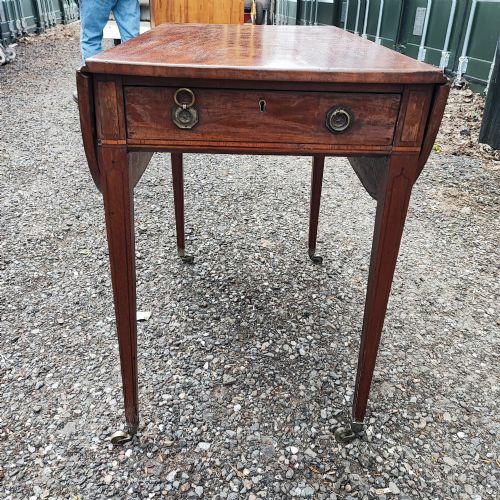
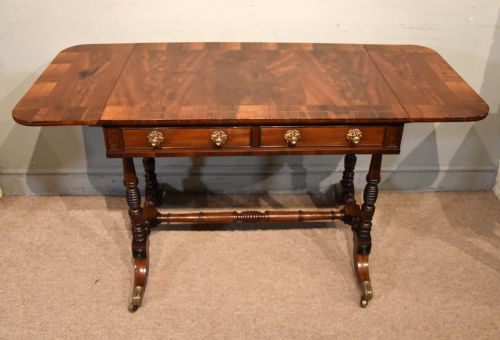
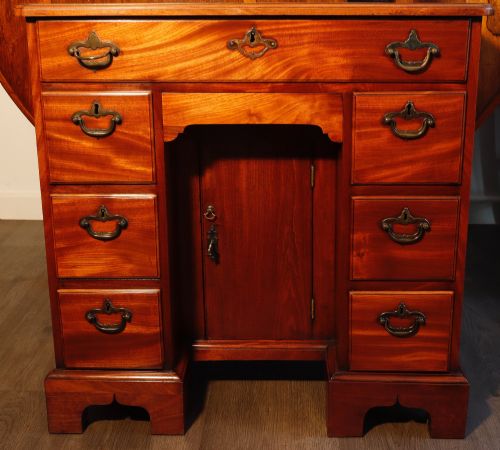

Georgian Drop Leaf Desk
A georgian drop leaf desk provides flexible writing and surface space through folding flaps, combining eighteenth or nineteenth century cabinetwork with adaptable domestic utility.
Georgian Drop Leaf Desk
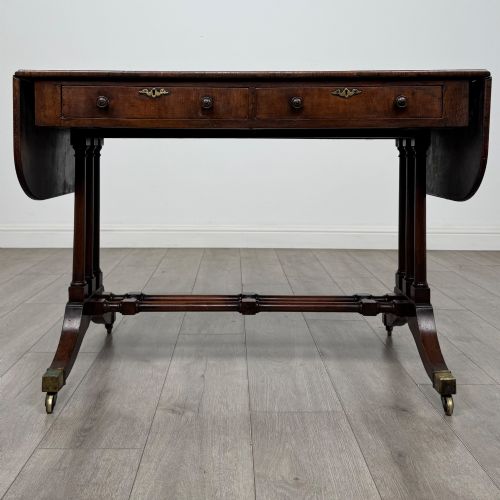
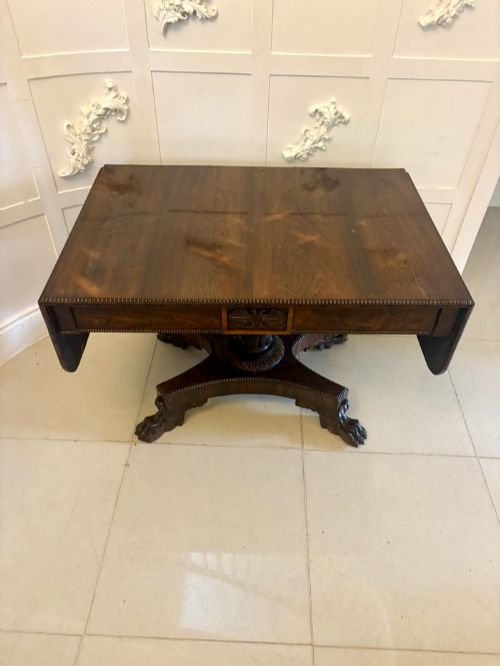
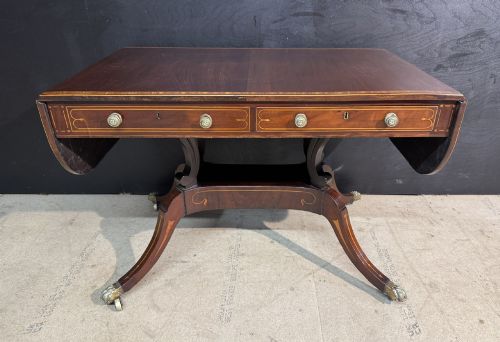
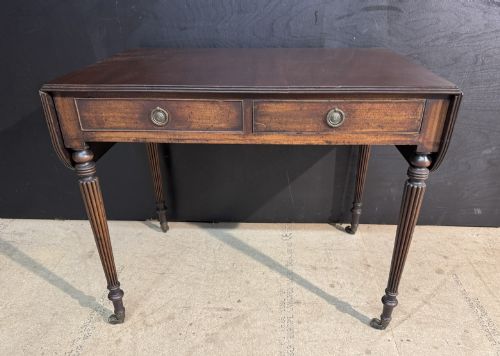
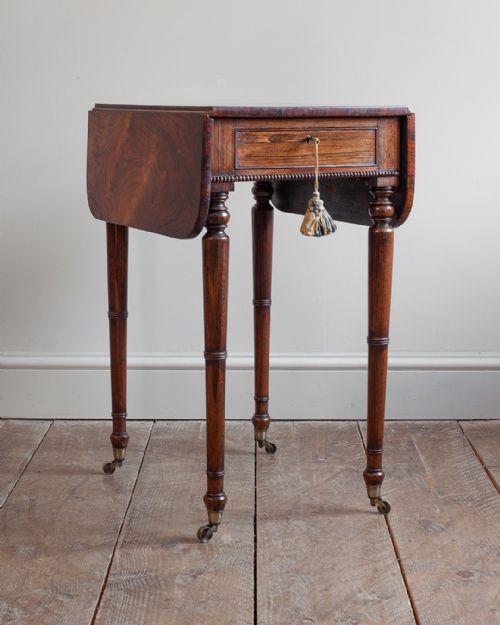
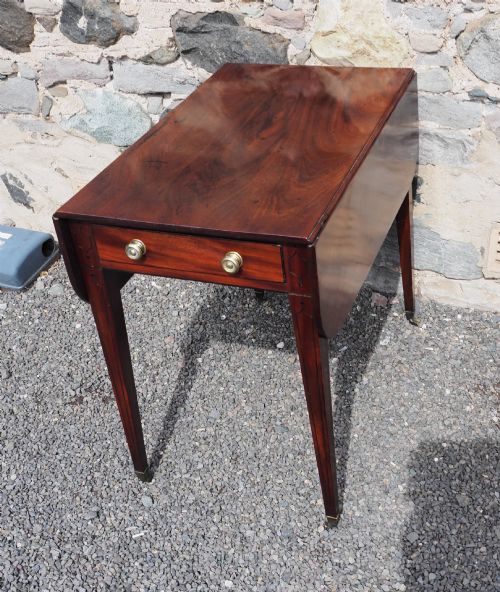
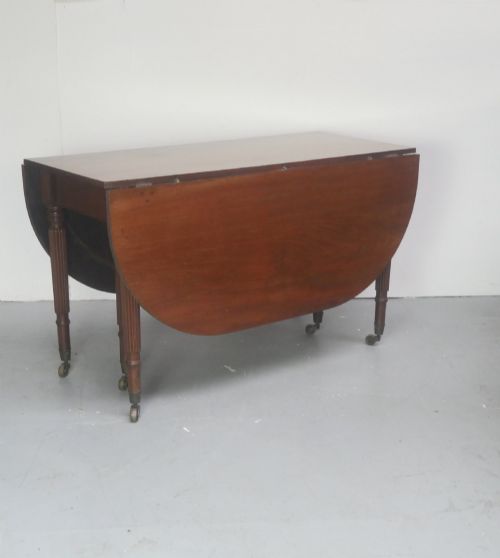
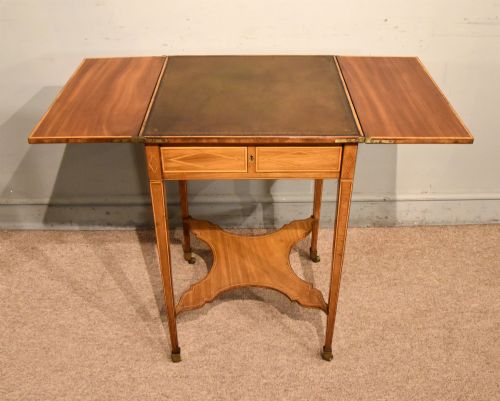
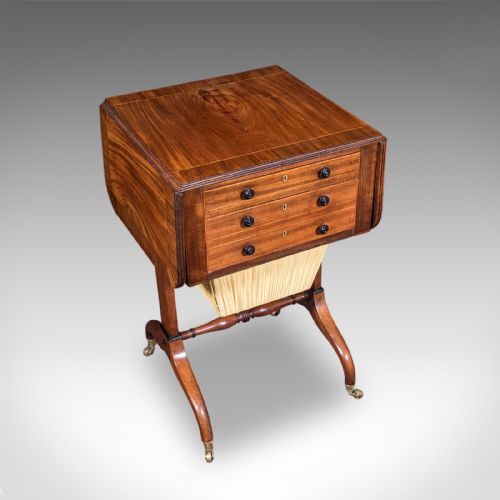
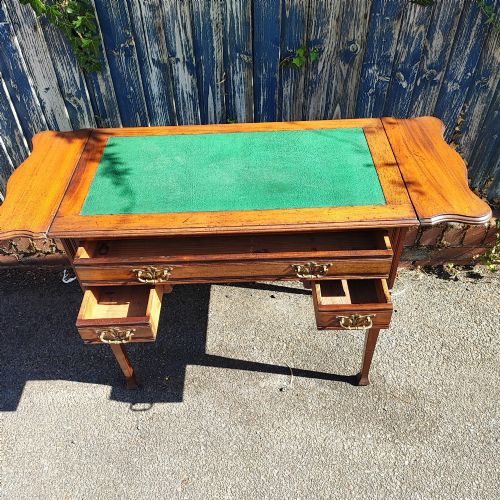
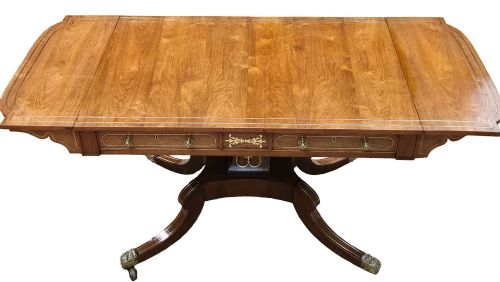
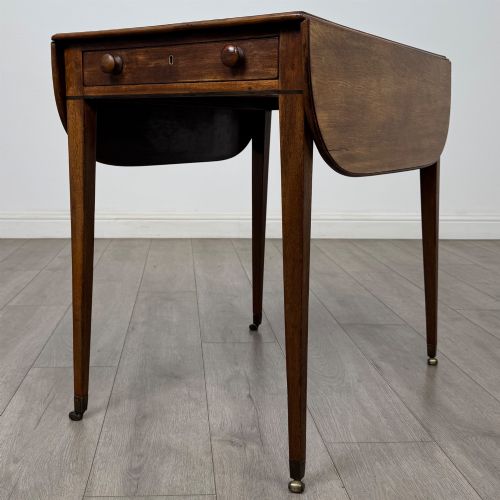
When searching for a georgian drop leaf desk, collectors encounter versatile tables with hinged flaps, commonly taking the form of sofa tables, Pembroke tables, and writing tables across Georgian, Regency, and Victorian periods.
The pieces appearing here span the eighteenth and nineteenth centuries, featuring walnut, mahogany, and rosewood constructions that served multiple domestic functions from dining to correspondence.
Makers adapted these folding designs for specific tasks, producing work tables with fitted drawers, library tables, and pembroke forms defined by drop leaves supported on swing brackets.
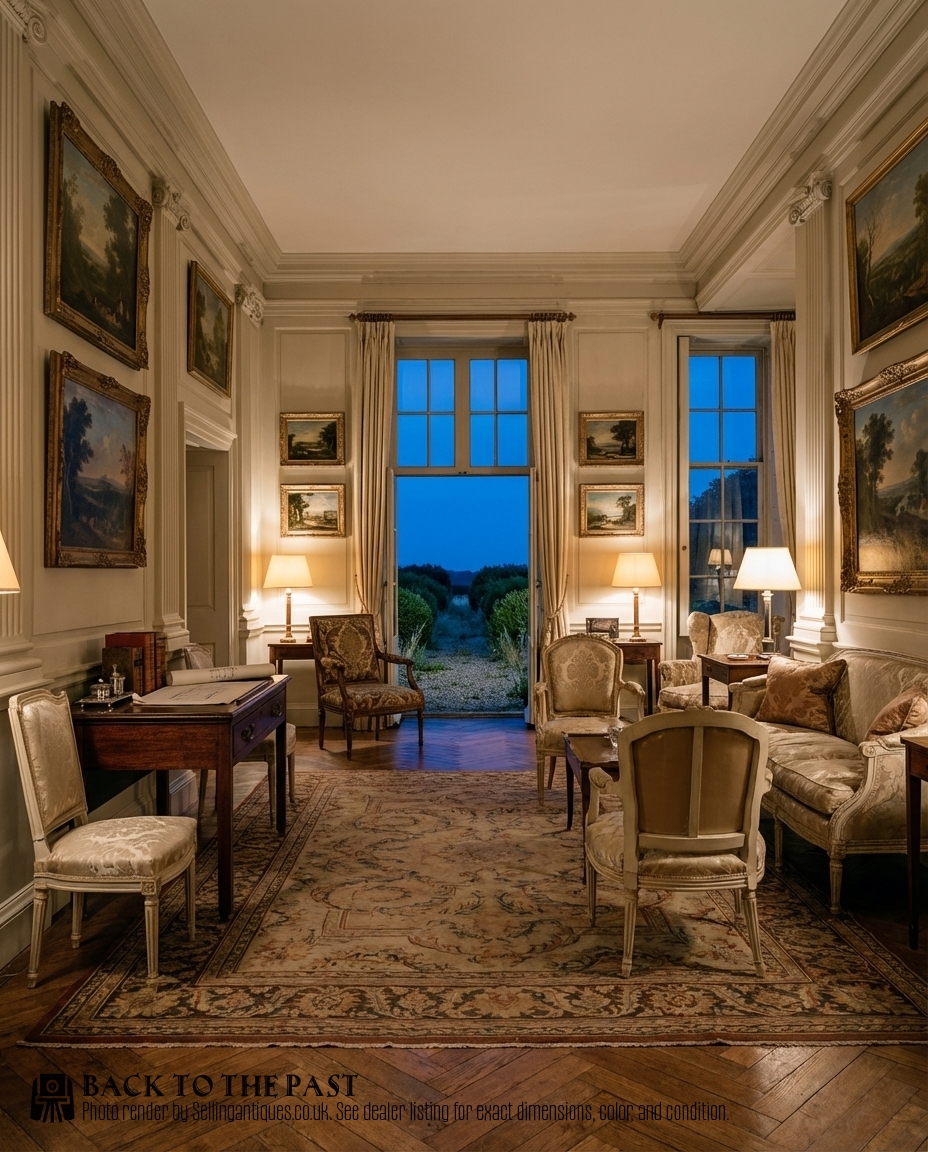
Materials and Technique
Cabinetmakers constructed these pieces primarily in solid and veneered timbers including mahogany, rosewood, walnut, and yew wood, often enhanced by contrasting boxwood and wood inlay.
Fine examples incorporate brass mounts, castors, and leather writing inserts, whilst structural stability relies on disciplined joinery adapted to drop flaps and folding leaf supports.
Georgian Drop Leaf Desk Retail Price Guide 2026
Typical asking prices for georgian drop leaf desk among the pieces listed under this phrase on Sellingantiques today, from the lower quarter to the upper quarter. They describe what is for sale here now, not the wider market.
Materials appearing across the inventory include mahogany, rosewood, yew wood, walnut, brass mounts, and leather writing inserts.
Assessing Quality
Quality rests upon the selection of figured timbers, such as flame mahogany or burr walnut, and the crisp execution of stringing and inlay work.
Superior execution shows in the seamless movement of drop leaf hinges, the precision of fitted drawer interiors, and the harmonious integration of lyre ends or pillar supports.
Gillows
The Georgian Drop Leaf Desk Glossary
- Drop leaf
- A table or desk featuring hinged flaps at the sides that lift to expand the surface area and drop down when not in use.
- Pembroke table
- A small, rectangular table with two hinged drop leaves on opposing sides, frequently fitted with one or more drawers.
- Sofa table
- A freestanding library or writing table designed during the Regency and Georgian periods to stand in front of a sofa.
- Cross banding
- A decorative border of veneer laid so that the grain runs at right angles to the main surface.
- Secretaire
- A desk or cabinet featuring a pull-down writing flap that conceals a fitted interior of small drawers and pigeonholes.
Georgian Drop Leaf Desk: Frequently Asked Questions
What is a georgian drop leaf desk?
A georgian drop leaf desk is a compact writing surface featuring hinged flaps that fold down to save space when not in use.
These pieces typically date from the eighteenth or nineteenth centuries and combine cabinetmaking timbers like mahogany or rosewood with functional drawers.
How do I identify a Pembroke table?
A Pembroke table is recognised by its rectangular central top flanked by two hinged drop leaves on opposite sides.
They often include one or two small drawers and stand on slender legs fitted with castors for easy movement around a room.
What woods were used in these desks?
Cabinetmakers primarily used mahogany, rosewood, and walnut, frequently selecting figured veneers for the main surfaces.
Secondary woods and decorative details include yew wood, satinwood, boxwood, and delicate string inlay.
Where should I place a sofa table?
Sofa tables were originally designed to stand directly behind a sofa, utilising their drop leaves for extended surface space.
Today they function equally well as freestanding writing tables against a wall or behind seating arrangements in a living space.