

Art Deco Storage Drawers
Art deco storage drawers bring linear geometry and rich figured timbers into daily utility.
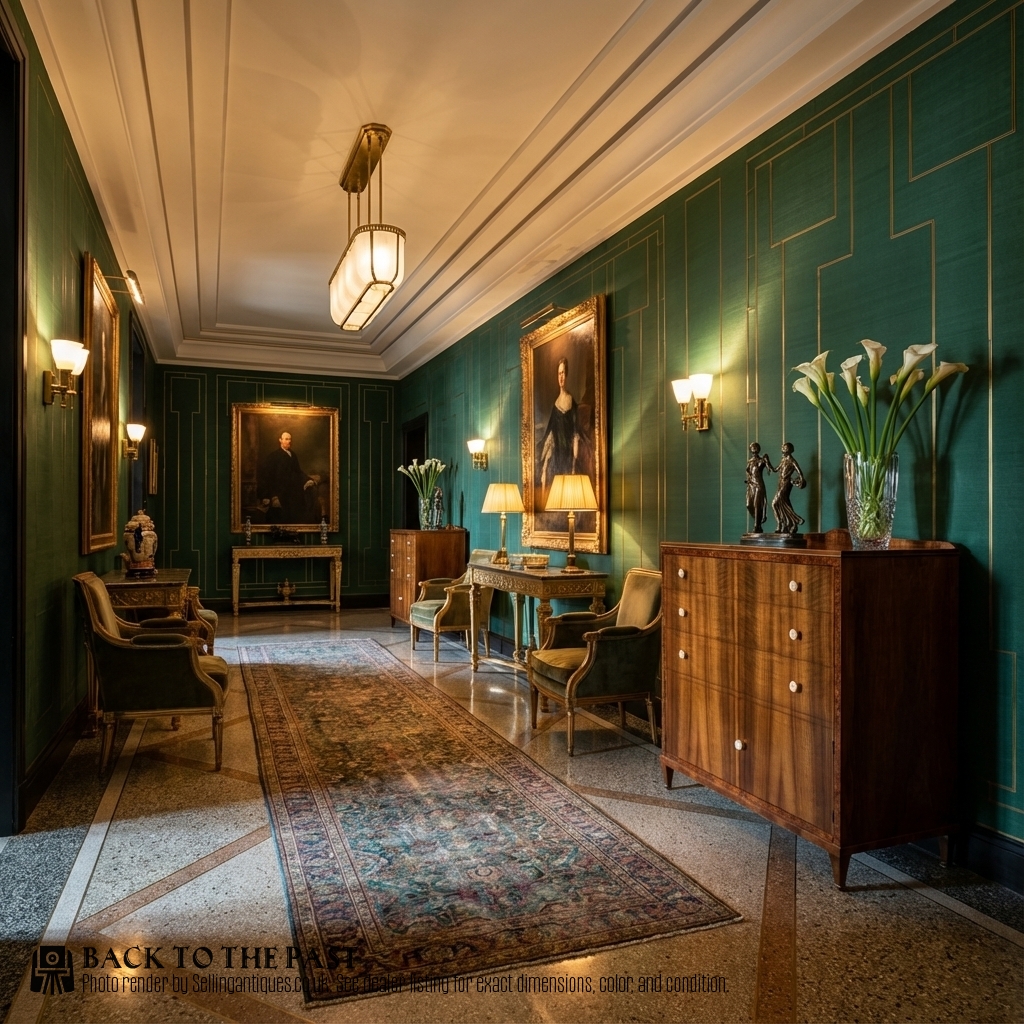
Art Deco Storage Drawers
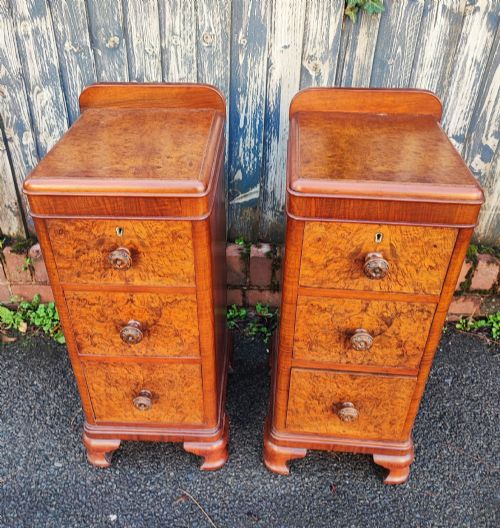
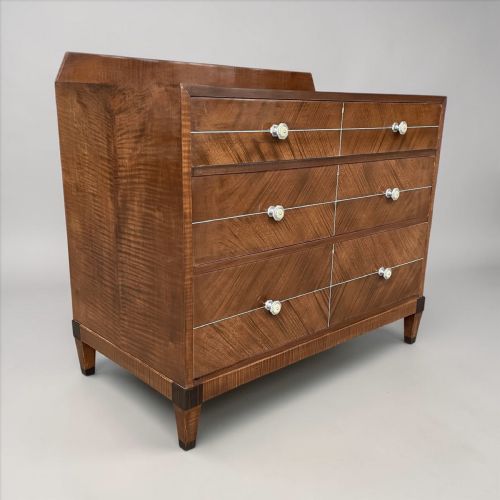
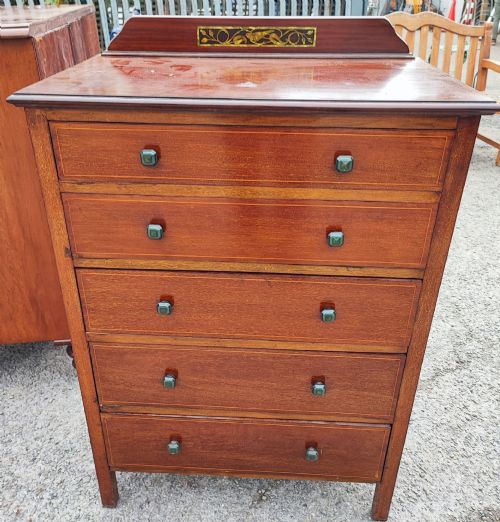
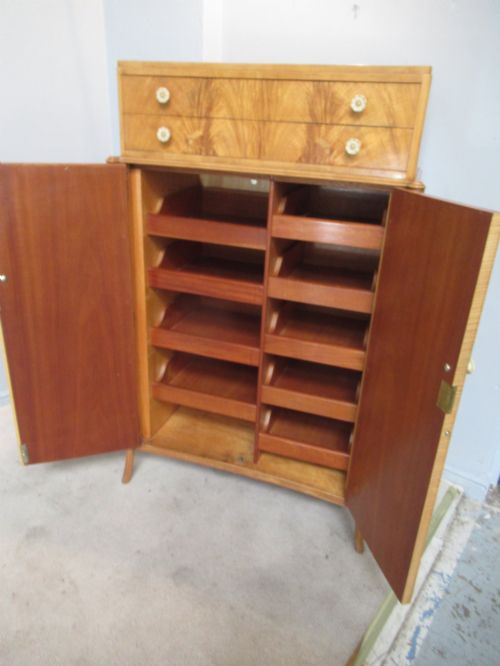
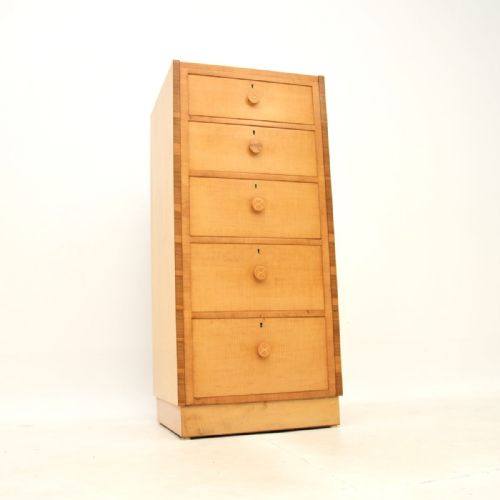
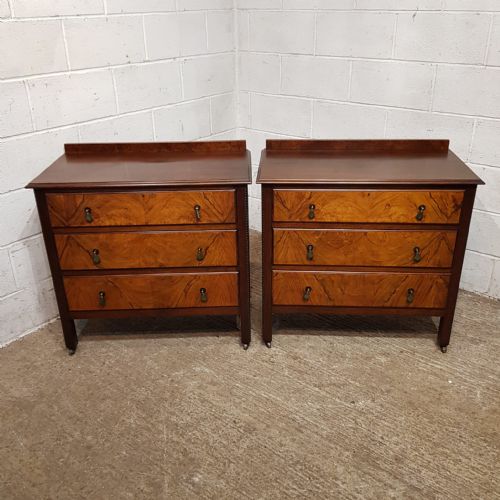
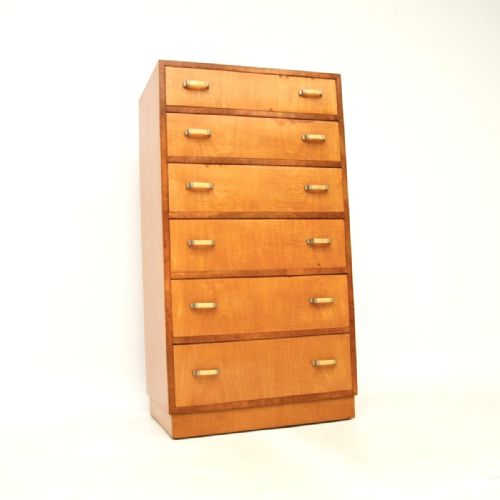
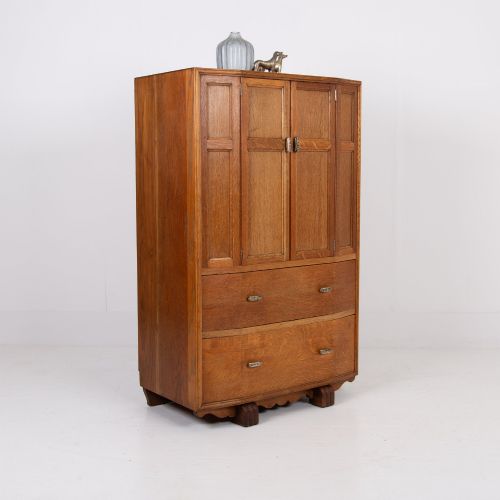
Art deco storage drawers comprise chests of drawers, tallboys, compactums, and cabinets primarily originating from the nineteen-thirties and nineteen-twenties. These pieces offer practical organisation through vertical and horizontal compartment configurations designed for domestic utility.
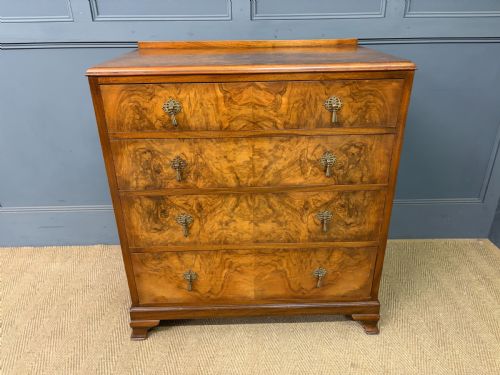
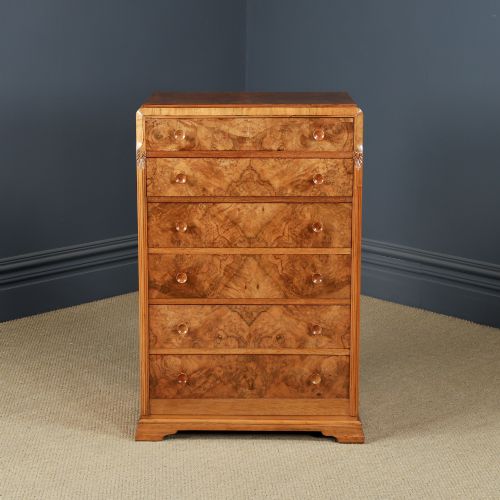
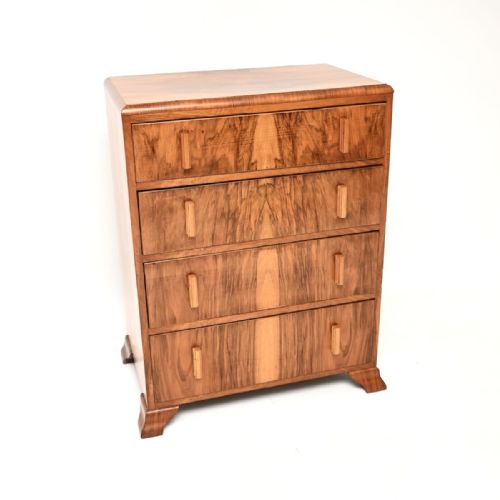
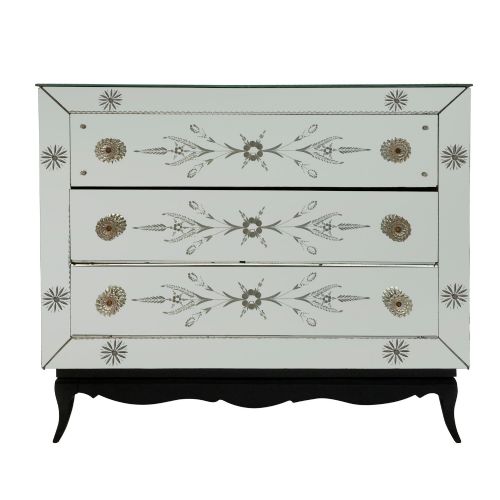
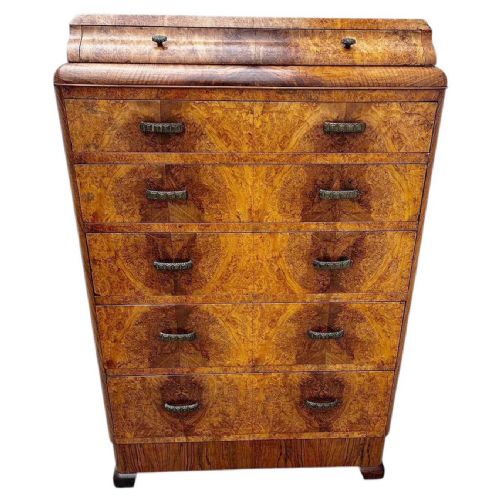
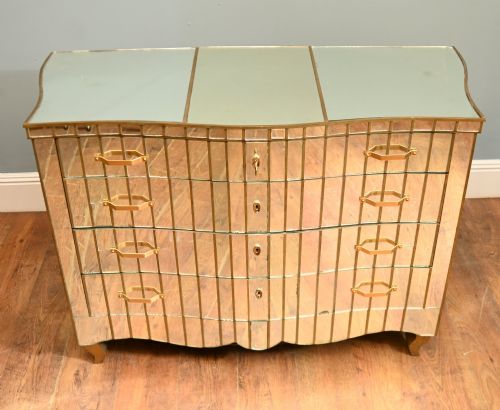
The most common examples on this page are walnut and burr walnut chests of drawers built in distinct modernist forms. Buyers encounter English and French interpretations spanning low commodes to towering multi-drawer tallboys.
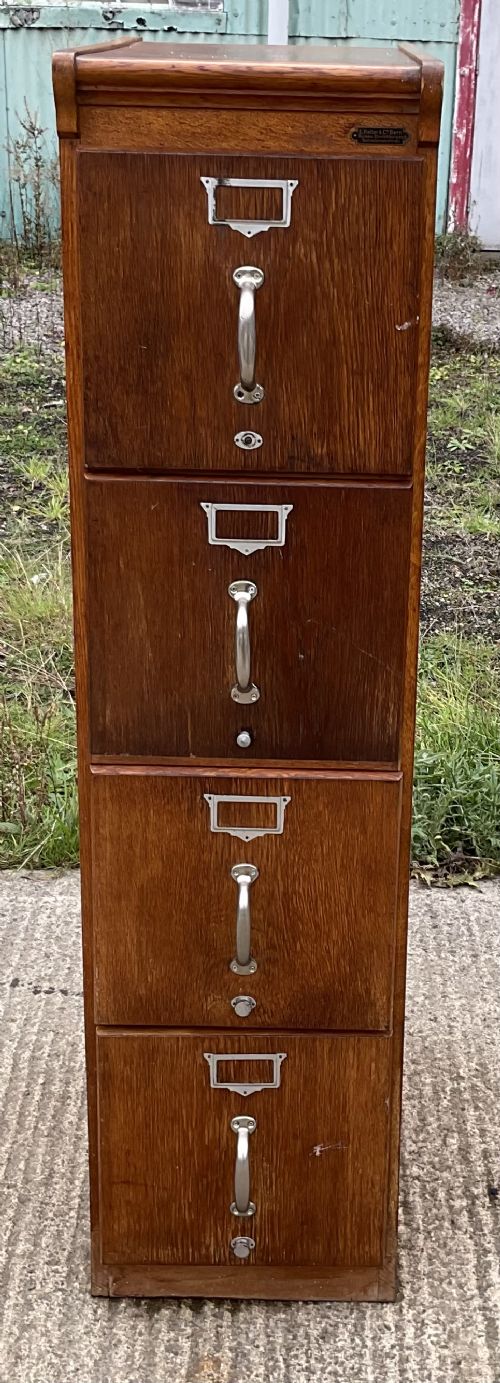
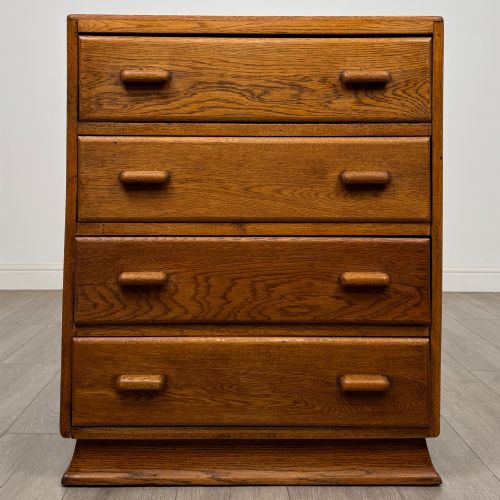
Object types stretch from traditional oak drawer units to specialist haberdashery cabinets and bedside tables. Makers such as Heal's and Gomme produced functional pieces that define the period's domestic storage.
How they were made
Craftsmen built these storage pieces using solid oak, mahogany, and maple as foundational timbers, frequently applying veneers of burr walnut, blonde walnut, and birds eye maple to create striking surface patterns. Selected items incorporate specialist materials including brass, chrome hardware, bakelite, and parchment drawer coverings.
Construction techniques balanced structural joinery with aesthetic surface display, using figured grain arrangements across multiple drawers to achieve symmetrical visual impact. Ebonised finishes and limed oak treatments further altered the natural timber appearance to suit modernist tastes.
Art Deco Storage Drawers Retail Price Guide 2026
Typical asking prices for art deco storage drawers among the pieces listed under this phrase on Sellingantiques today, from the lower quarter to the upper quarter. They describe what is for sale here now, not the wider market.
Listings feature walnut, oak, and mahogany across decades spanning the Edwardian era through to nineteen forty.
What varies in quality
Quality rests upon the selection and matching of timber veneers, particularly the grain symmetry found across burr walnut and birds eye maple drawer fronts. Superior execution involves careful grain continuity from top to bottom rather than random timber application.
Construction integrity shows in the precision of drawer movement and the integration of specialist handles made from brass, chrome, or wood. Pieces attributed to documented makers demonstrate tighter tolerances and more ambitious geometry than standard anonymous workshop output.
Hille·Gomme·Bowman Brothers·Betty Joel·Heal's
The Art Deco Storage Drawers Glossary
- Tallboy
- A tall chest of drawers, often combining a wardrobe section or multiple smaller drawers above deeper compartments. This vertical storage form saves floor space while providing significant capacity.
- Burr walnut
- A figured wood grain obtained from walnut tree growths, producing swirling patterns highly prized for cabinet fronts. It forms the primary decorative surface on many period pieces.
- Compactum
- A multi-functional wardrobe and drawer combination designed for efficient clothes storage. These units typically feature internal shelving alongside traditional sliding drawers.
- Haberdashery cabinet
- A glass-fronted or multi-drawer storage unit originally utilised in retail drapery shops. Collectors repurpose them domestically for organised small-item storage.
- Palisander
- A dense, dark exotic timber used in high-end cabinet making for its striking grain contrast. It appears on select modernist commodes.
Art Deco Storage Drawers: Frequently Asked Questions
What is a tallboy?
A tallboy is a vertical storage unit combining several drawers within a single elevated frame. It provides maximum compartment space whilst occupying minimal floor area.
These pieces often include cupboard sections at the top alongside lower sliding drawers for flexible organisation.
How do I identify nineteen thirties pieces?
Nineteen thirties pieces display clean geometric lines, stepped cornices, and symmetrical wood veneers. They favour walnut, oak, and maple over heavy ornamentation.
Hardware is typically minimal, utilising flush wooden pulls, chromium, or simple brass fittings rather than ornate traditional handles.
Where should I place a compactum?
A compactum suits bedrooms or dressing areas requiring integrated hanging space combined with internal drawers. Their vertical orientation fits well against substantial walls.
Ensure adequate clearance space for any doors or internal pull-out trays to operate without obstruction.
What maintenance do wood veneers need?
Wood veneers require protection from direct sunlight and excessive humidity to prevent lifting or fading. Periodic light dusting preserves the polished timber surface.
Applying microcrystalline wax occasionally helps nourish the walnut or maple finish without building up heavy residue.