


Vintage Walnut Chest
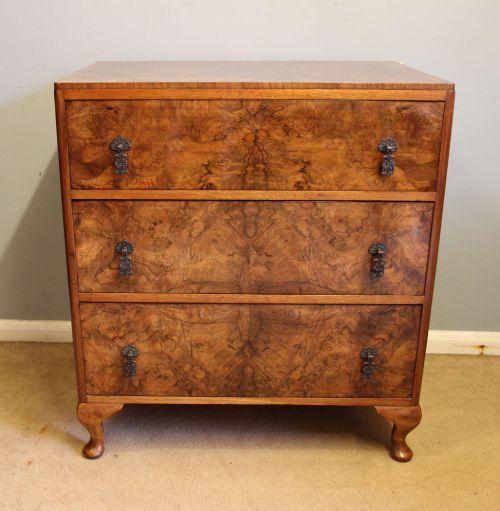
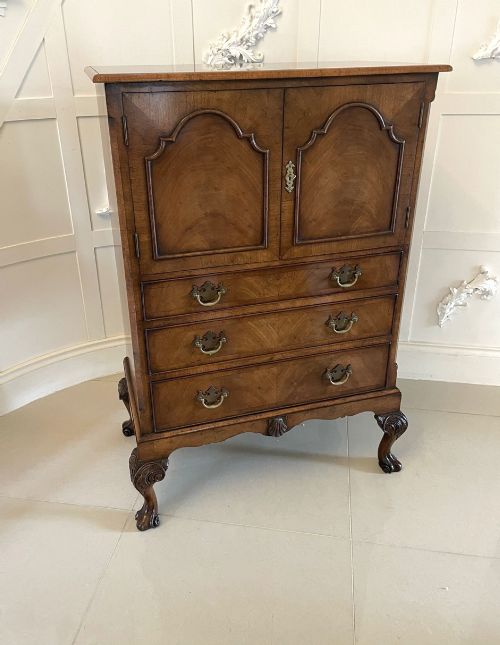
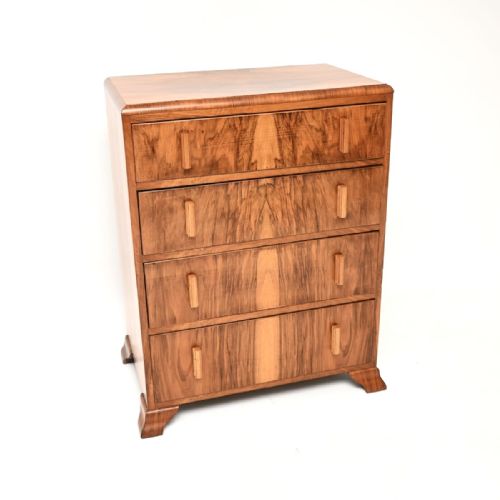
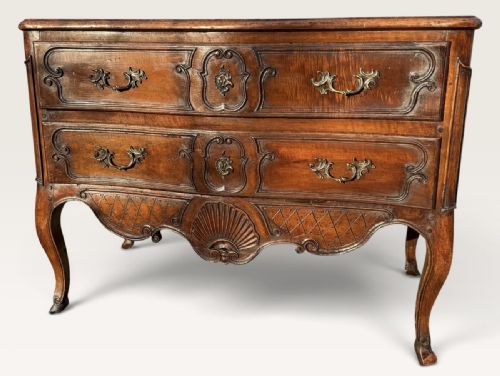
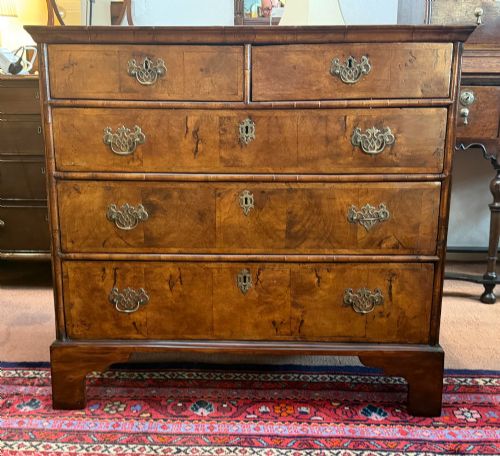
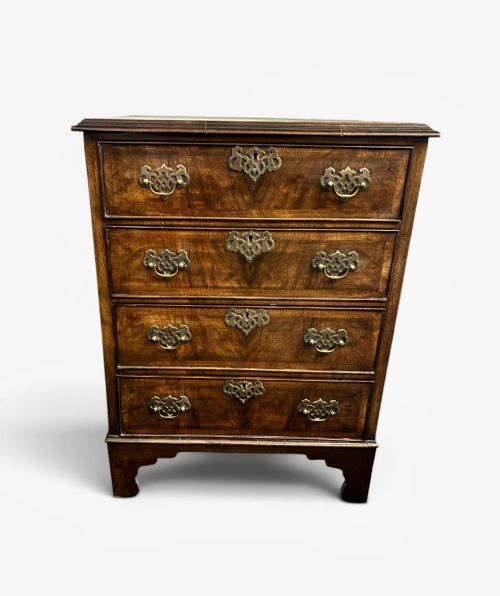
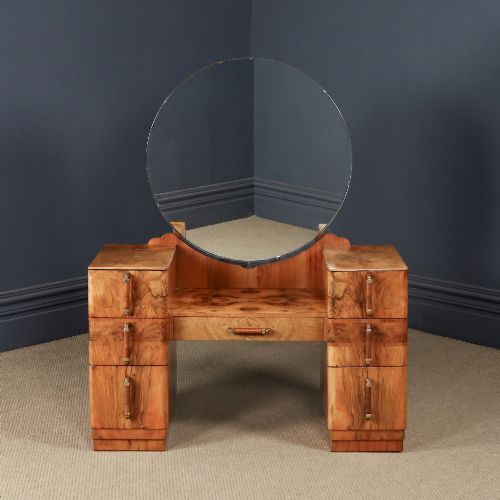
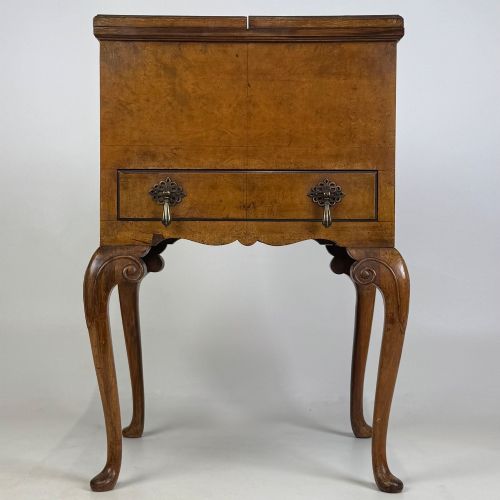
A vintage walnut chest brings rich grain and practical storage to a room, spanning periods from the eighteenth century to the art deco era.
Vintage Walnut Chest
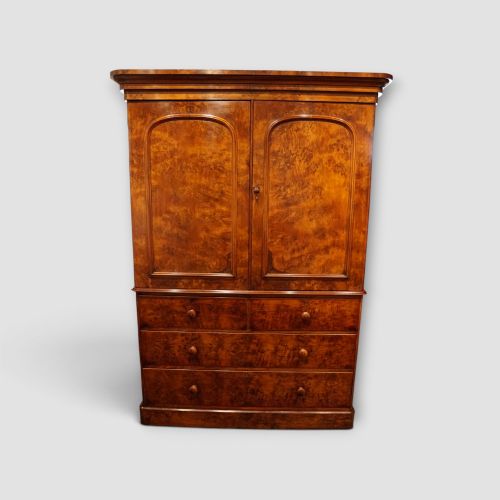
A vintage walnut chest encompasses a broad range of storage furniture, from Georgian drawer units to art deco commodes and tallboys. Buyers seeking a vintage walnut chest will encounter traditional drawer configurations alongside specialist pieces like cocktail cabinets, bedside tables and linen presses.
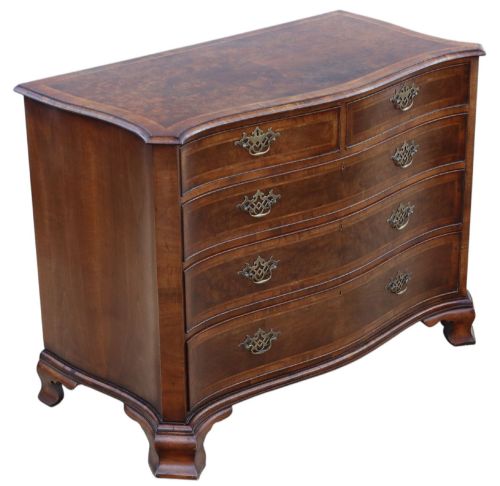
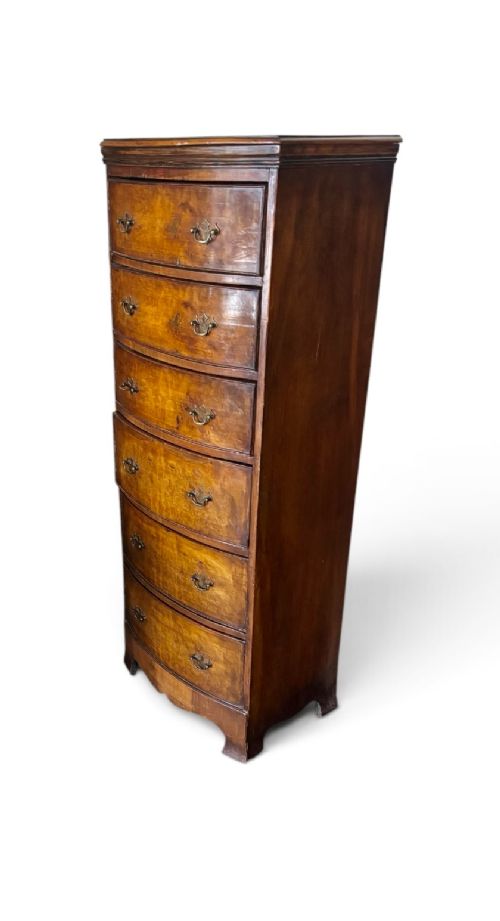
The selection ranges across distinct periods, showing eighteenth-century craftsmanship, nineteenth-century commodes and twentieth-century revival styles. Pieces appear in forms such as bow fronts, serpentine shapes and chests on stands, reflecting diverse interior needs.
Materials and construction
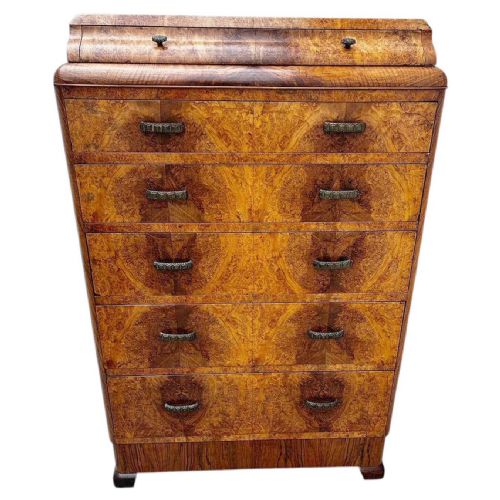
Construction relies heavily on solid walnut and decorative walnut veneer, often utilising burr walnut or figured timber for dramatic grain patterns on drawer fronts and surfaces. Secondary timbers like oak appear in carcases and drawer linings, while brass handles and ormolu mounts provide structural and decorative hardware.
Cabinet makers applied techniques such as crossbanding and herringbone banding to frame drawer faces and tops. Marble tops feature on several continental commodes, adding weight and a contrasting cool surface to the warm wood tones.
Vintage Walnut Chest Retail Price Guide 2026
Typical asking prices for vintage walnut chest among the pieces listed under this phrase on Sellingantiques today, from the lower quarter to the upper quarter. They describe what is for sale here now, not the wider market.
Listings feature walnut chests spanning the eighteenth century through the Victorian, Edwardian and art deco periods, incorporating brass and marble elements.
Assessing quality and finish
Quality rests upon the selection and matching of the wood veneers, where symmetrical burr walnut figures elevate a piece far above plain timber surfaces. Crispness in crossbanding, the precision of inlaid details and the integration of brass or ormolu mounts signal superior workshop standards.
Structural integrity shows in the smoothness of drawer operation, the weight and choice of secondary woods like oak, and the preservation of original hardware. Finer examples maintain crisp mouldings and uncompromised surface patination across centuries of handling.
Jas Shoolbred·Epstein
The Vintage Walnut Chest Glossary
- Burr walnut
- A figured wood grain derived from walnut tree growths, prized for its swirling patterns on cabinet fronts. It creates highly decorative surfaces.
- Commode
- A low chest of drawers, often French in origin and frequently topped with marble. These pieces served domestic storage needs in reception rooms and bedrooms.
- Tallboy
- A tall chest of drawers, typically constructed in two stacked sections. This form maximises vertical storage space while maintaining a compact footprint.
- Crossbanding
- A narrow strip of veneer laid around the border of a drawer front or table top, running perpendicular to the main grain. It provides a neat visual frame.
- Serpentine
- A front profile shaped with a convex centre flanked by concave curves. This undulating line adds architectural movement to chests and commodes.
- Herringbone
- A pattern of small V-shaped inlays arranged in alternating slanted rows. Craftsmen used this banding technique to decorate cabinet borders during the Georgian period.
Vintage Walnut Chest: Frequently Asked Questions
How do I date a walnut chest?
Dating relies on construction methods, drawer linings and overall style characteristics. Eighteenth-century pieces display different dovetail construction compared to Edwardian or art deco examples from the twentieth century.
Hardware and timber preparation also shift across eras, helping to distinguish a Georgian original from a later revival piece.
What is burr walnut?
Burr walnut comes from a growth on the tree where the grain grew in a deformed, swirling manner. Cabinet makers slice this wood into thin veneers to cover drawer fronts and tops.
This timber creates highly distinctive, decorative patterns that define finer antique and vintage furniture.
Where should I place a commode?
A commode works well in a hallway, living room or bedroom as a focal storage piece. Marble-topped versions offer durable surfaces for lamps and decorative objects.
Their substantial presence suits rooms needing both surface display area and concealed drawer space.
How do I care for walnut furniture?
Maintain walnut surfaces by keeping them away from direct sunlight and radiators to prevent timber shrinkage and veneer splitting. Regular dusting with a soft cloth preserves the finish.
Abrasive cleaners and excessive moisture should be avoided to protect the historic polish and wood grain.