
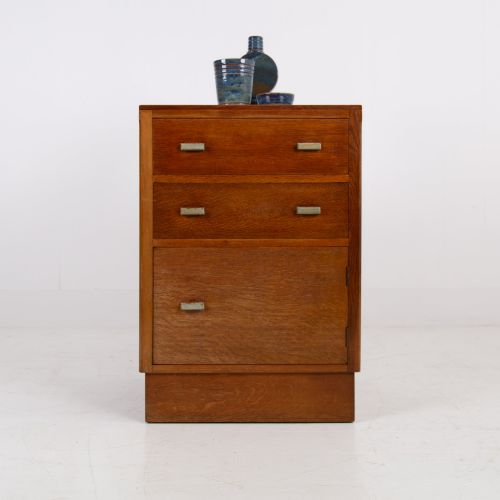
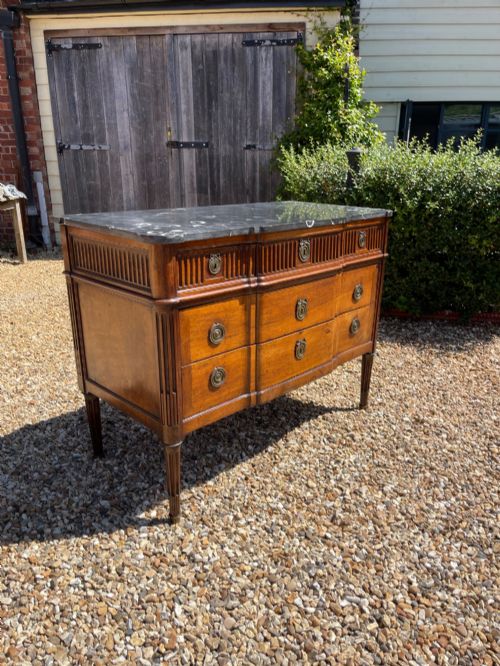
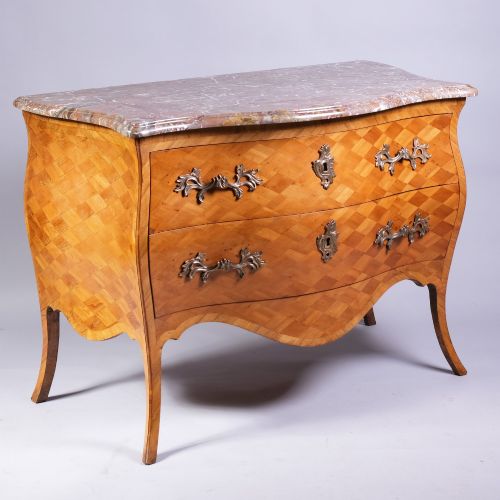
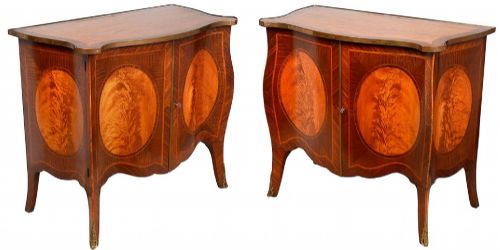
Antique Wooden Side Chest
An antique wooden side chest brings compact storage and rich timber grain to an interior, drawing on centuries of cabinet-making traditions.
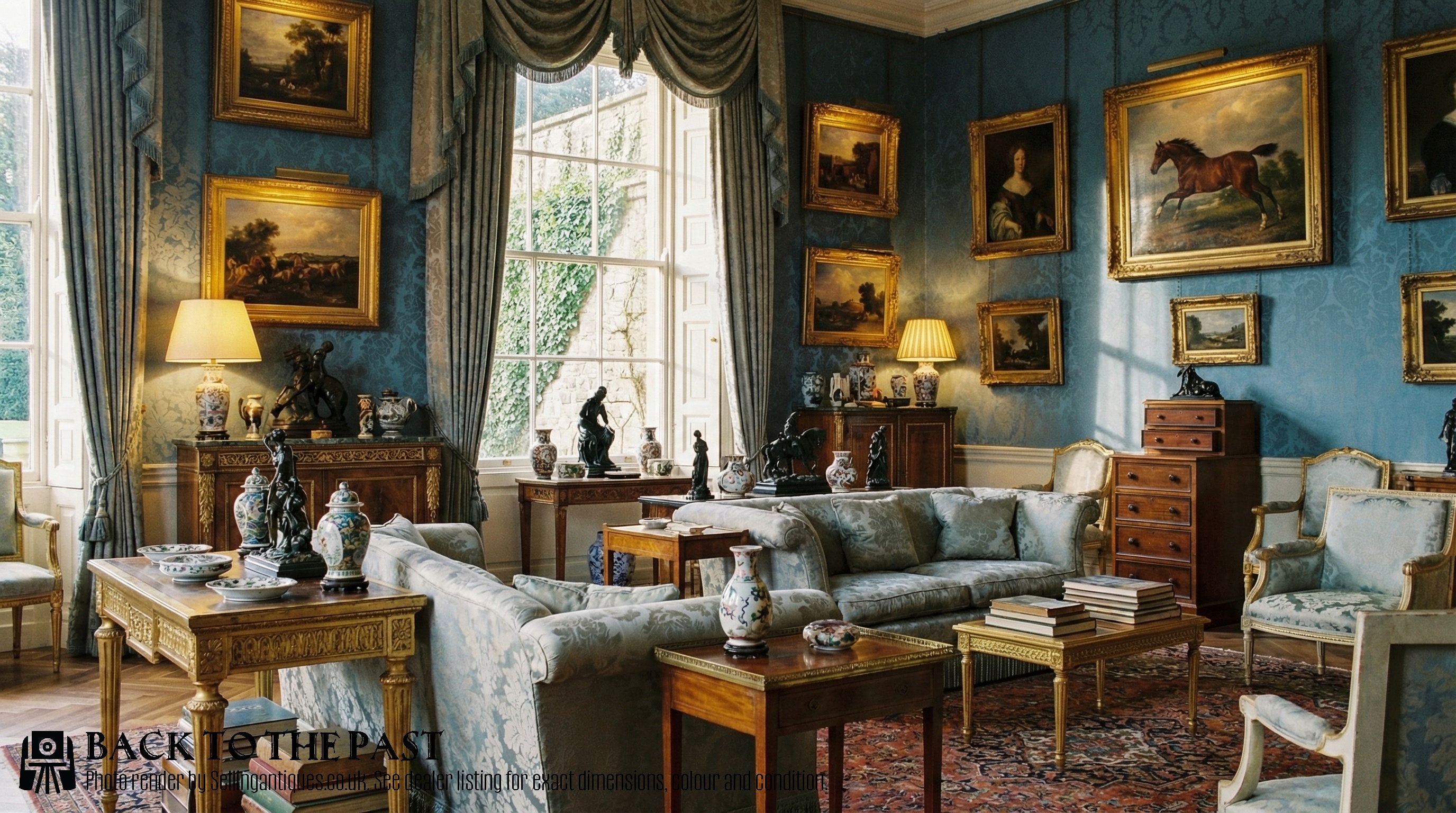
Antique Wooden Side Chest
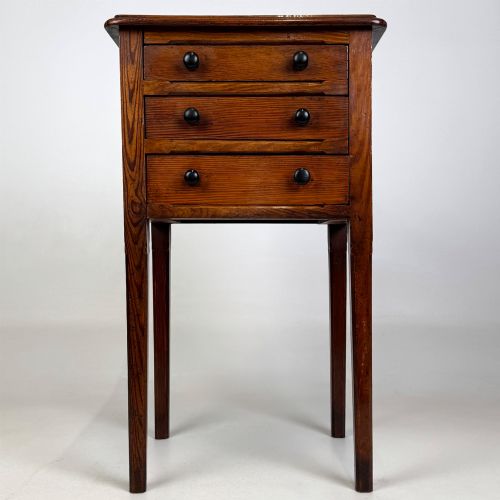
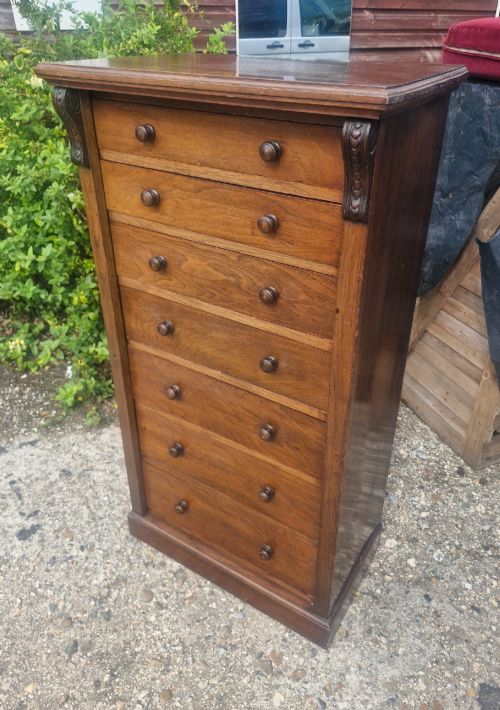
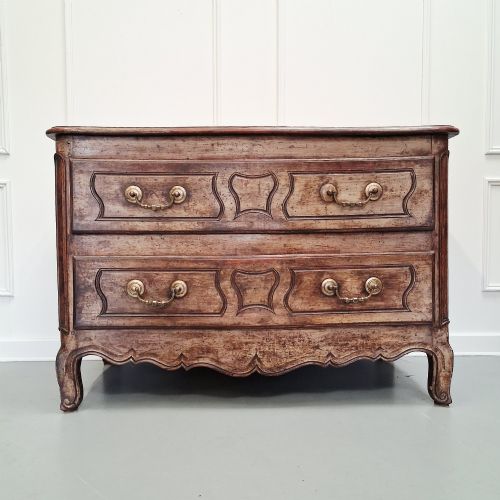
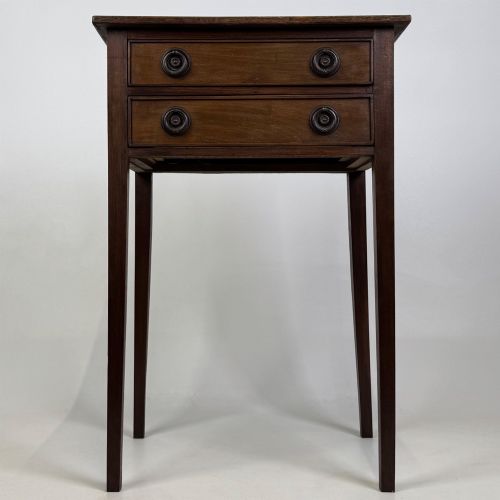
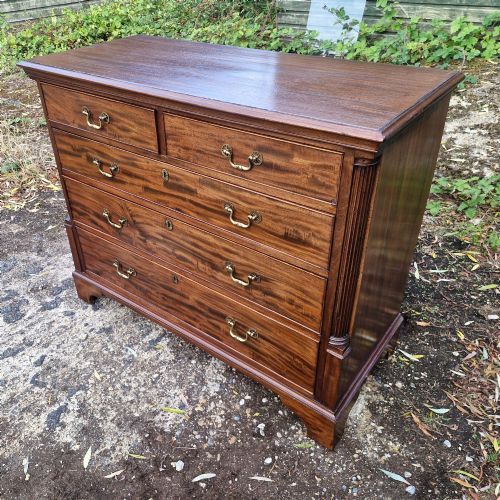
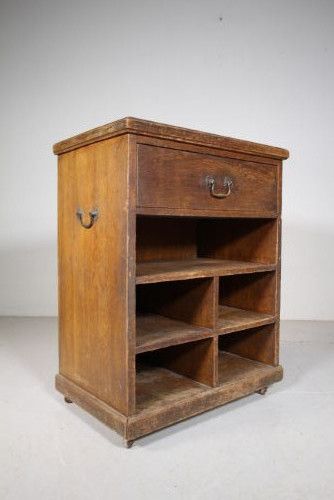
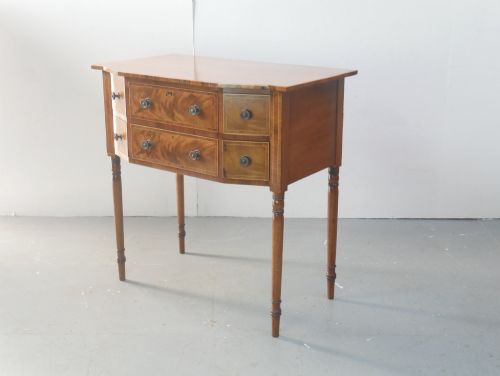
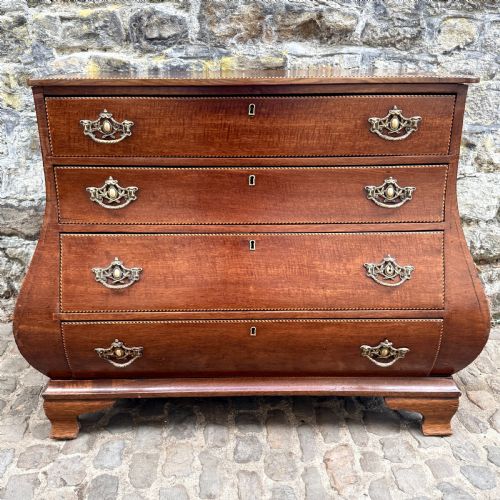
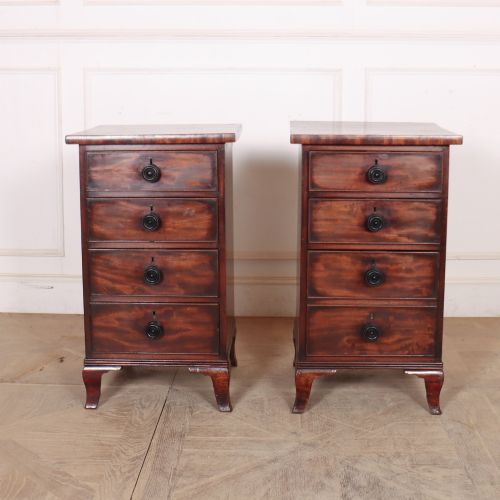
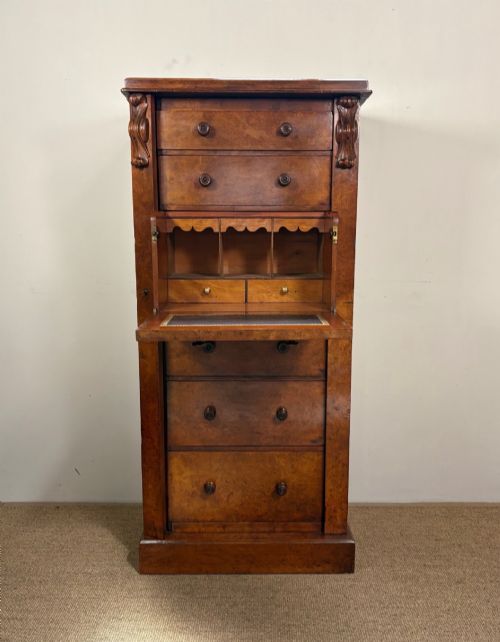
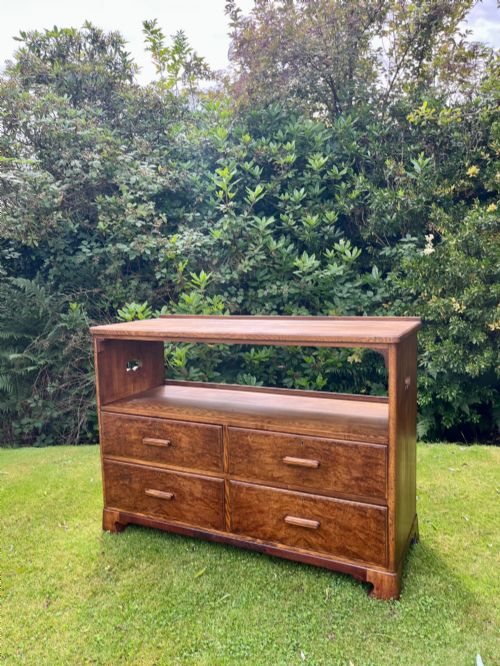
An antique wooden side chest encompasses a diverse group of domestic storage furniture, ranging from tall Wellington chests and bedside cabinets to commodes and small side tables. Buyers exploring this category encounter pieces spanning the seventeenth through the early twentieth centuries, with a strong representation of Victorian and Georgian examples.
Materials and construction
Cabinet-makers utilised dense hardwoods such as mahogany, walnut, oak, and elm, often selecting figured veneers like flame mahogany or burr walnut for primary visual surfaces. Secondary structural elements might incorporate softer timbers, while decorative highlights relied on satinwood, rosewood, and brass hardware.
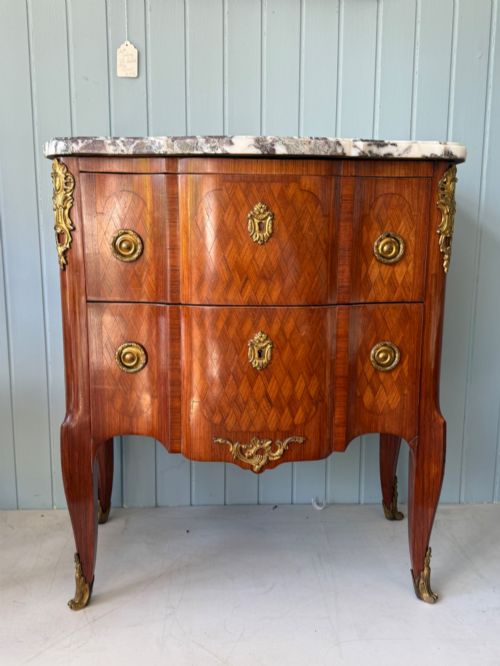
Surface ornamentation frequently involved marquetry inlay, hand painting, or carved details executed in styles from Regency to Gothic revival. Marble tops appear on several continental and later commodes, providing a durable and decorative upper surface.
Some nineteenth-century chests conceal secret locking mechanisms to keep private correspondence safe from wandering eyes.
Craftsmanship and distinction
The standard of a piece rests upon the selection of timber and the precision of its joinery, where finely figured veneers and tight dovetail joints signal superior workshop origin. Finer examples display harmonious proportions, carefully matched grain patterns, and well-executed decorative inlays rather than purely utilitarian construction.
Original hardware, working locks, and intact marble tops or painted details elevate the standing of a cabinet. The integrity of the timber ground and the subtlety of carved enrichment distinguish standard domestic furniture from pieces produced by notable makers.
Whytock and Reid·Harris Lebus·Shoolbred and Co·Incorporall
The Antique Wooden Side Chest Glossary
- Wellington chest
- A tall, slender chest of drawers featuring a hinged locking flap on one side that secures all the drawers simultaneously. This form typically dates from the Victorian era.
- Commode
- A decorative chest of drawers or low cabinet, often of French origin, frequently fitted with a marble top and elaborate veneer work. The term originates from the eighteenth century.
- Marquetry
- The art of applying pieces of veneer to a structure to form decorative patterns and pictures. Craftsmen used various coloured woods to create pictorial designs on drawer fronts and tops.
- Lowboy
- A small table with one or more rows of drawers, commonly used as a dressing table or side cabinet during the eighteenth and nineteenth centuries.
- Teapoy
- A small box or table designed to hold tea, often supported on a central pillar with tripod feet or configured as colonial furniture.
Antique Wooden Side Chest: Frequently Asked Questions
What is an antique wooden side chest?
An antique wooden side chest is a compact storage item, such as a small set of drawers, a commode, or a bedside cabinet, made from timber in past centuries.
These pieces were designed for functional storage in bedrooms, hallways, or living spaces, combining practical utility with the decorative styles of their period.
How do I date an antique chest?
Dating involves examining the construction methods, such as hand-cut dovetails, timber choices like oak or mahogany, and the prevailing stylistic traits.
Hardware styles, secondary woods, and any maker marks also provide clues to the decade or century of production.
Where were side chests used?
These chests found placement beside beds, in drawing rooms for holding documents or small items, and in hallways as side storage.
Their varied dimensions allowed them to fit into narrow spaces where larger wardrobes or tallboys would prove impractical.
How do I care for wooden cabinets?
Maintenance requires keeping timber items away from direct heat sources and strong sunlight to prevent veneer lifting and wood splitting.
Applying appropriate wax polish occasionally helps nourish the wood surface and preserves the historical finish.