

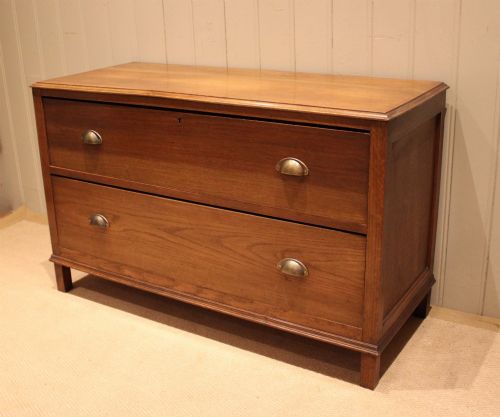
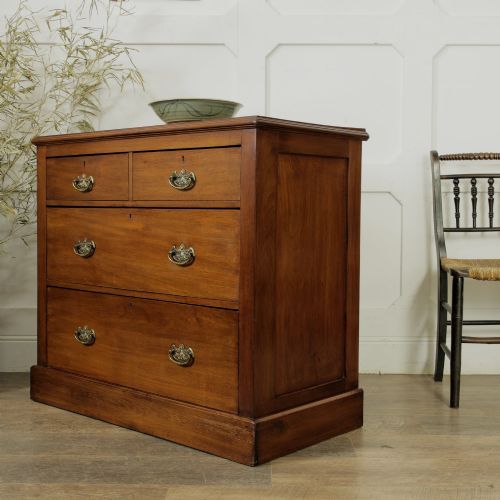
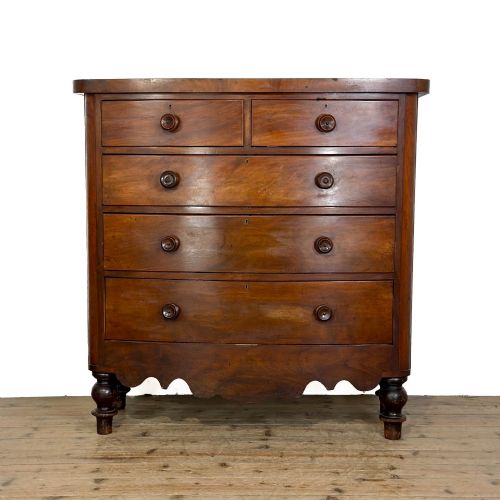
Two Drawer Commode Chest
A two drawer commode chest offers compact bedroom storage with elegant proportions, combining practical surface space with accessible drawers.
Two Drawer Commode Chest
A two drawer commode chest represents a traditional storage form found across various centuries, frequently utilised in bedrooms and living spaces for convenient organisation.
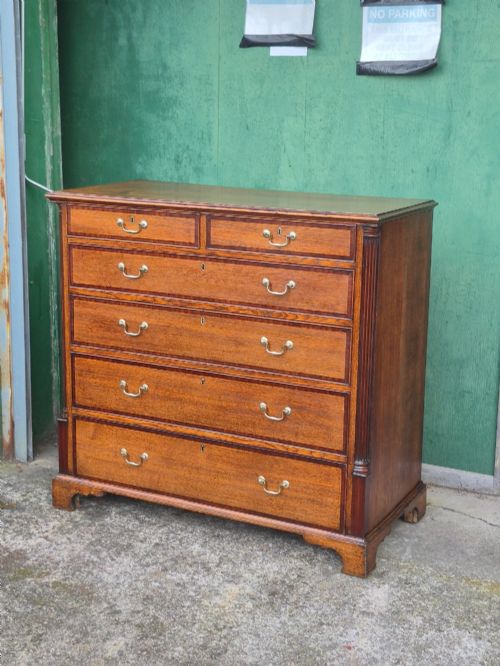
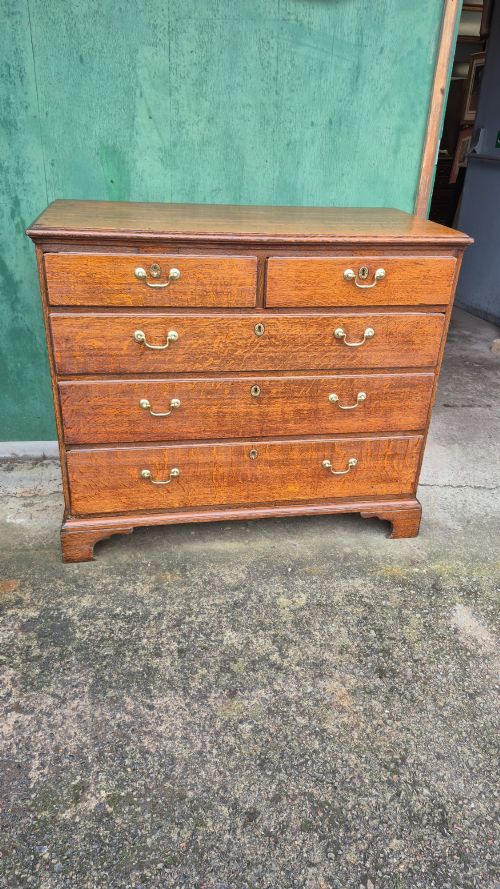
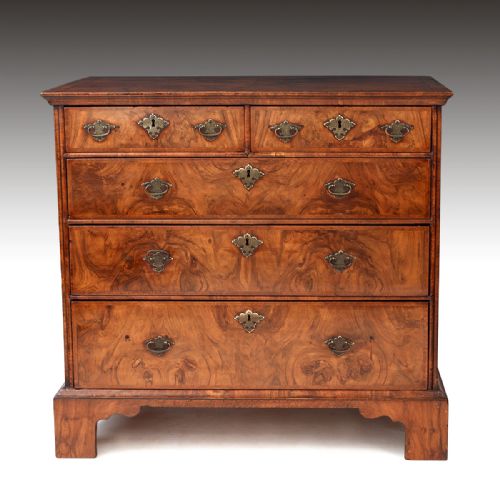
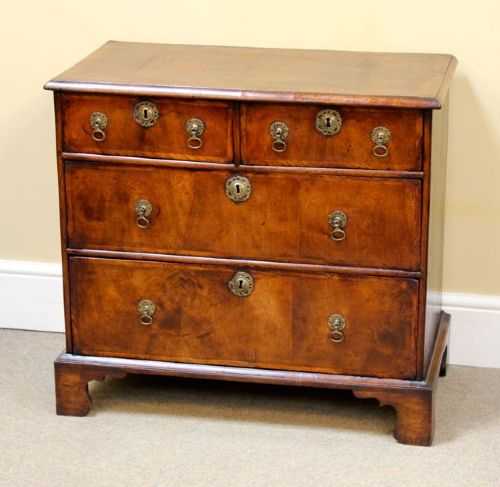
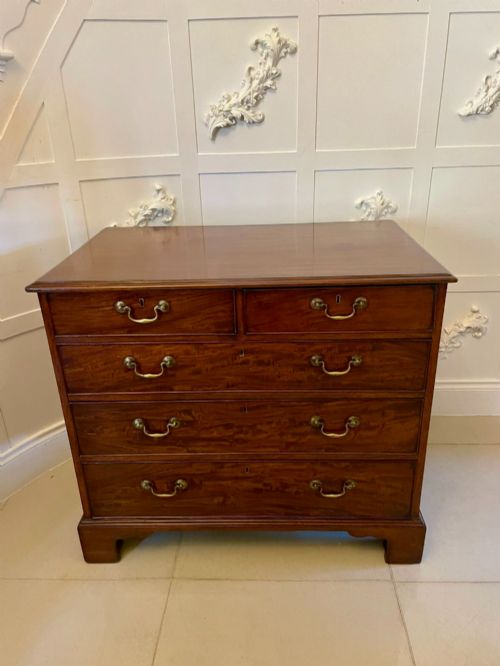
The pieces appearing on this page span several distinct eras, notably the Georgian, Victorian, and Edwardian periods, alongside earlier examples from the seventeenth and eighteenth centuries.
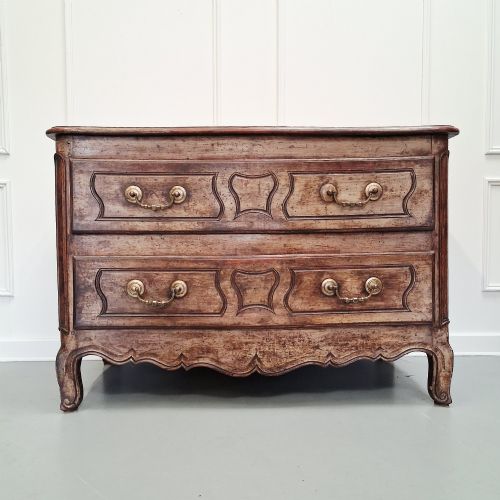
Makers fashioned these chests in multiple regional designs, encompassing English oak and mahogany variations alongside French provincial and Swedish pieces.
Materials and Technique
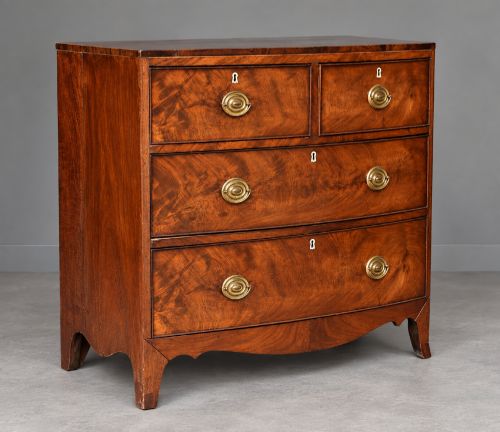
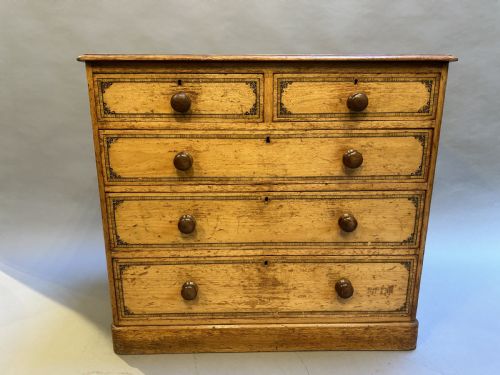
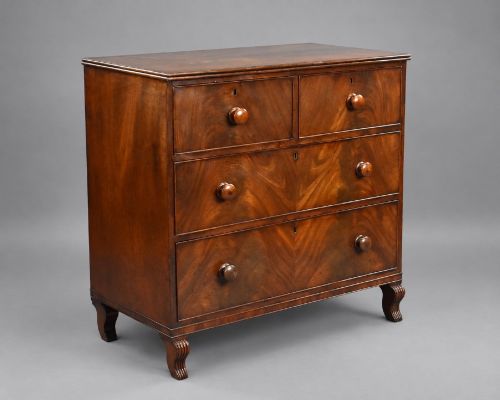
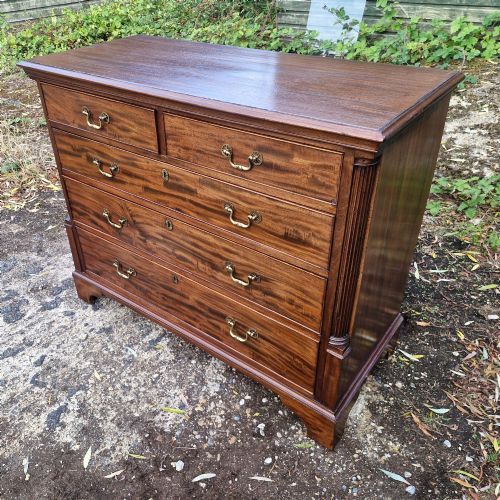
Cabinet makers relied primarily on solid timbers such as mahogany, oak, and pine, often enhancing select surfaces with flame mahogany veneer, burr walnut, or crossbanding.
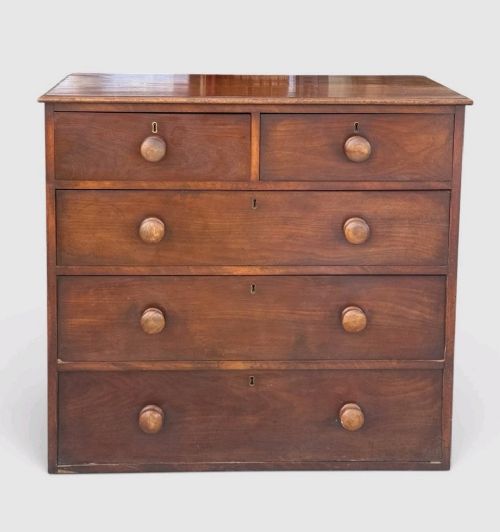
Joinery techniques involved sturdy carcase construction, housing drawers with traditional joints and equipping them with brass handles, bun handles, or subtle wooden pulls.
The selection includes regional English styles alongside French provincial and Swedish pieces.
Assessing Craftsmanship
The standard of timber selection and veneer matching defines the visual appeal of each chest, particularly when figured woods or flame mahogany come into play.
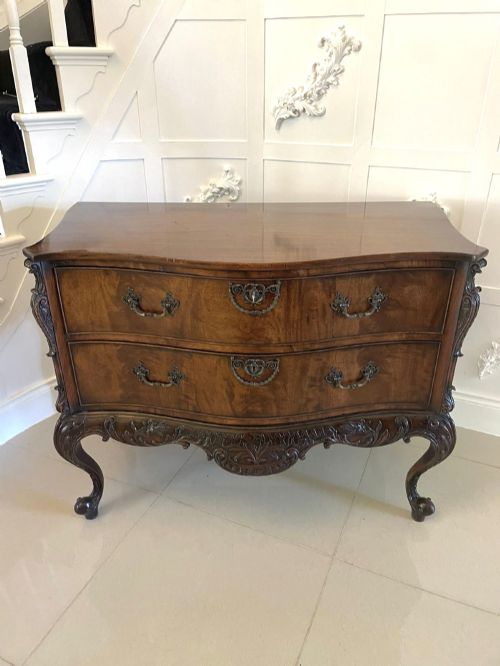
Proportion and decorative flourishes, such as bowfront shapes, serpentine fronts, or stencilled details, separate standard utility items from more ambitious cabinet work.
Heal & Son·Howard and Sons
The Two Drawer Commode Chest Glossary
- Bowfront
- A convex curved cabinet front that swells outward in the centre. This style gained popularity during the Georgian and Victorian eras to soften boxy room layouts.
- Flame Mahogany
- Timber cut from the fork of a mahogany tree to produce a flickering, flame-like grain pattern. Cabinet makers reserved this expensive veneer for primary display surfaces.
- Crossbanding
- A narrow strip of veneer laid around the border of a drawer front or top with the grain running at right angles to the central panel. This technique created a neat framed effect on finer pieces.
- Bombe
- A swollen, bulging contour found on furniture sides and fronts, particularly characteristic of continental pieces. It required advanced woodworking skill to shape timbers to this curving profile.
- Serpentine
- A horizontally undulating front edge featuring a convex centre flanked by concave sides. This flowing line typified high-status eighteenth and nineteenth-century case furniture.
Two Drawer Commode Chest: Frequently Asked Questions
What is a two drawer commode chest?
A two drawer commode chest is a low storage unit featuring a top surface above a pair of horizontal drawers. These pieces provide compact storage suited for bedrooms, hallways, or living spaces.
Historically, craftsmen built these chests in various regional styles using timbers like mahogany, oak, and pine. Their modest height allowed them to function as bedside units or small-scale serving surfaces.
How do I date a wooden chest?
Dating a chest involves examining the timber species, construction methods, hardware, and overall stylistic details. Georgian pieces often display different proportions and wood selections compared to later Victorian or Edwardian examples.
Secondary woods inside the drawer linings and the type of fixings used provide further clues regarding the period of manufacture. Regional variations also help narrow down the historical context.
Where should I place a small chest?
These compact chests fit easily into smaller rooms, serving effectively as bedside tables, hallway storage, or accent pieces beneath mirrors. Their low profile ensures they do not overwhelm narrow spaces.
Placing them away from direct heat sources and strong sunlight protects the timber and any delicate veneers from drying out or fading over time.
How do I maintain antique wood furniture?
Maintaining antique wood requires regular dusting with a soft, dry cloth and occasional application of traditional wax to nourish the surface. Avoid chemical sprays that can damage older finishes.
Keeping the furniture in a stable environment with consistent humidity prevents the solid timbers and veneers from warping or cracking across the seasonal changes.