

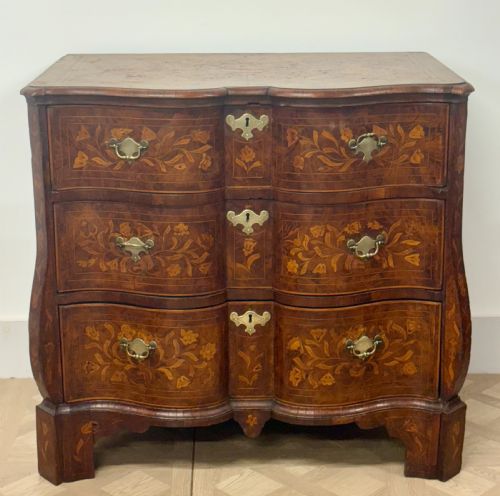
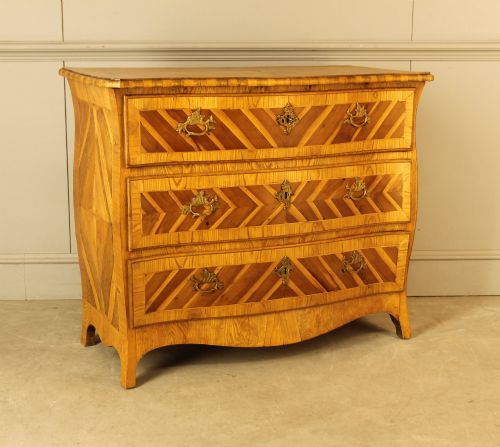
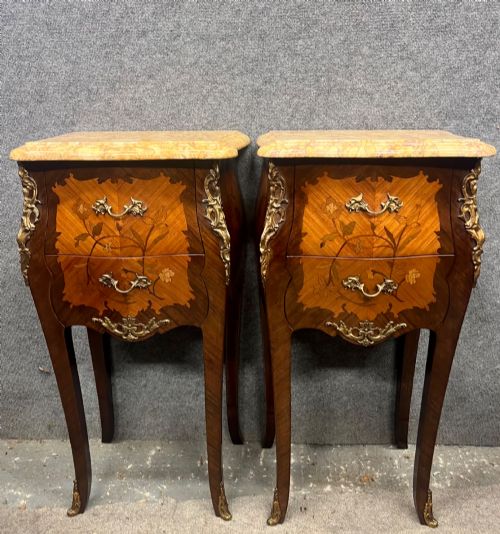
Rococo Chest Drawers
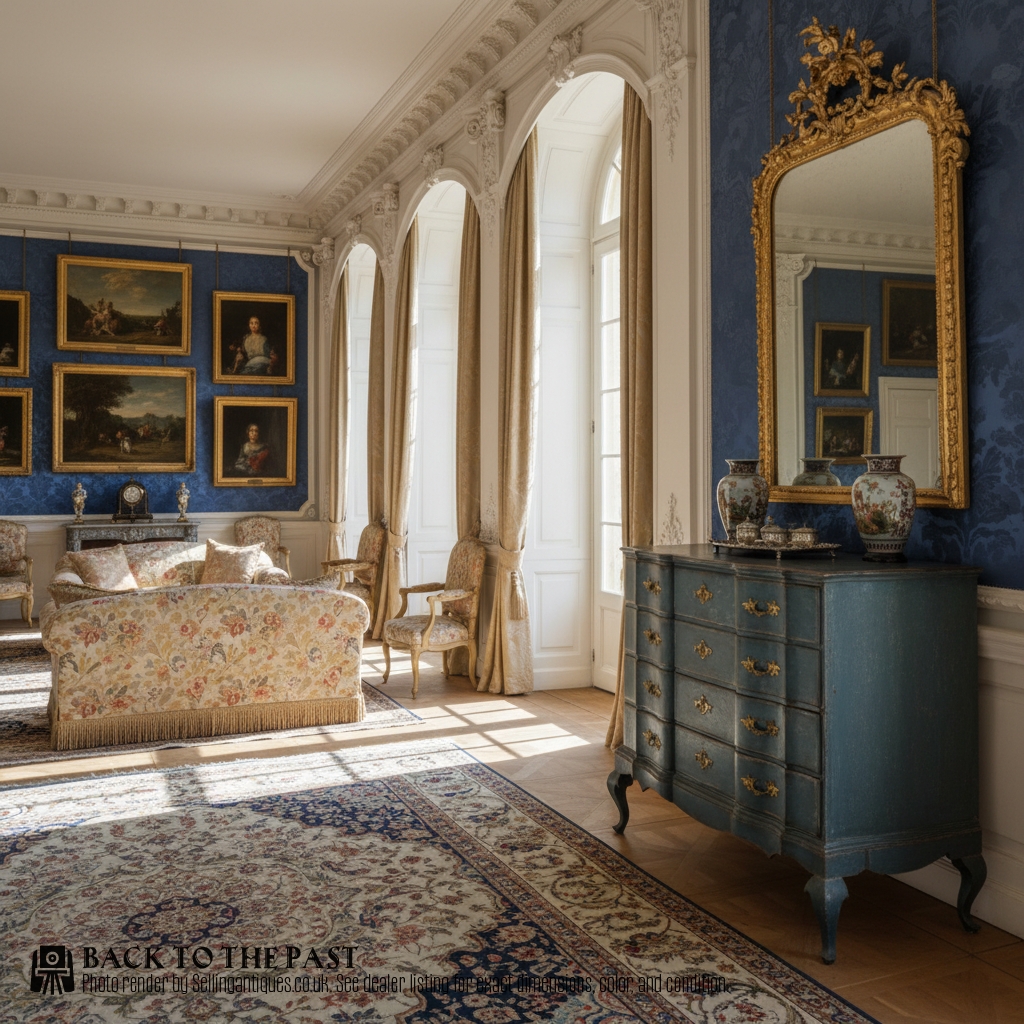
These rococo chest drawers combine flowing serpentine lines with elaborate hardware, offering a practical storage solution shaped by French and Italian design.
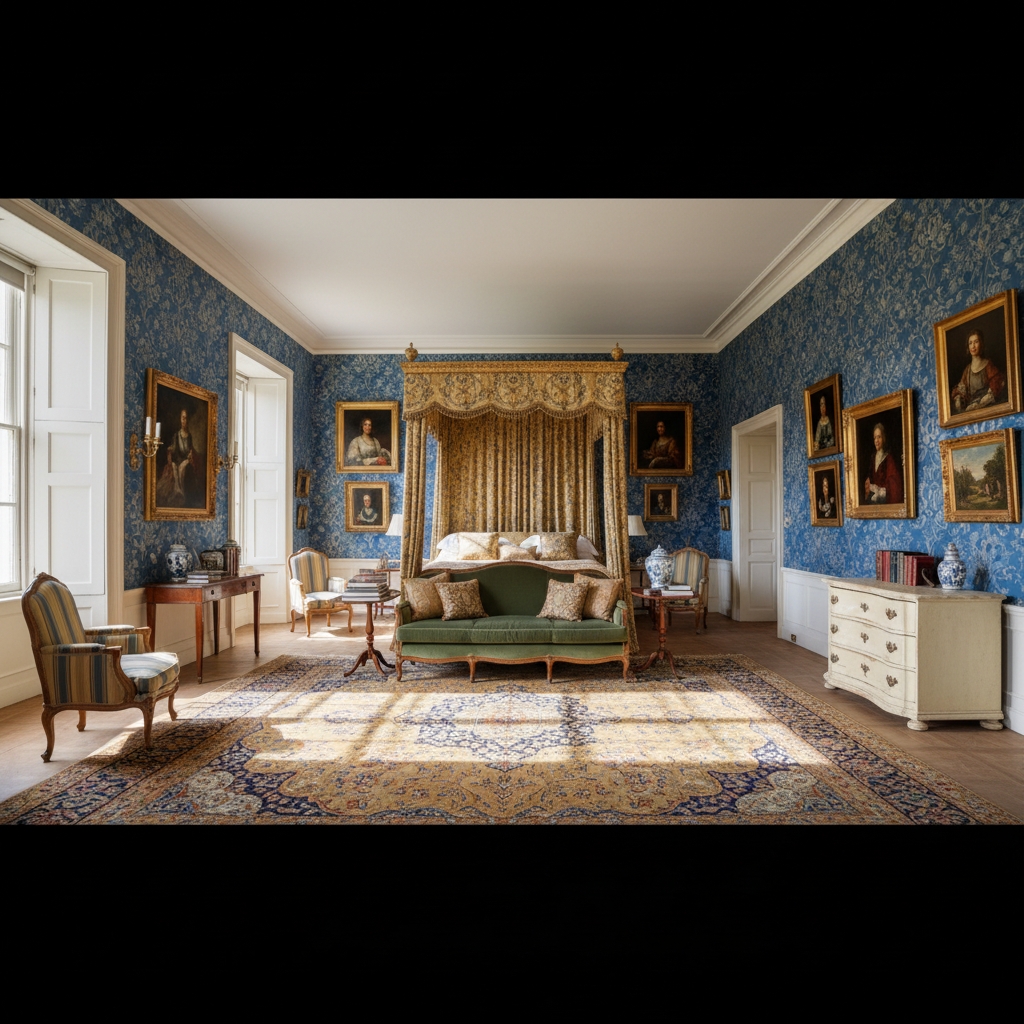
What these pieces are
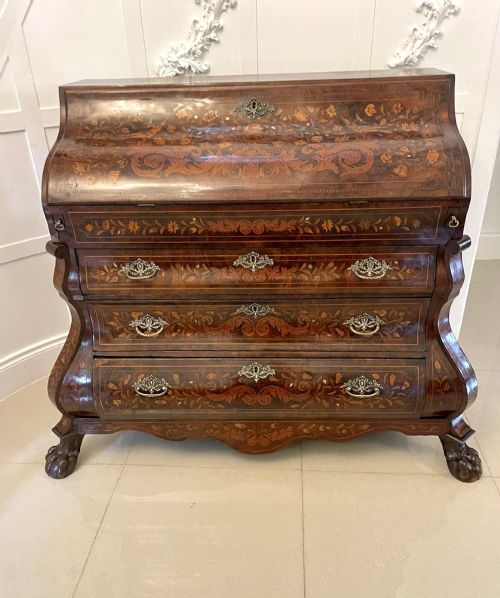
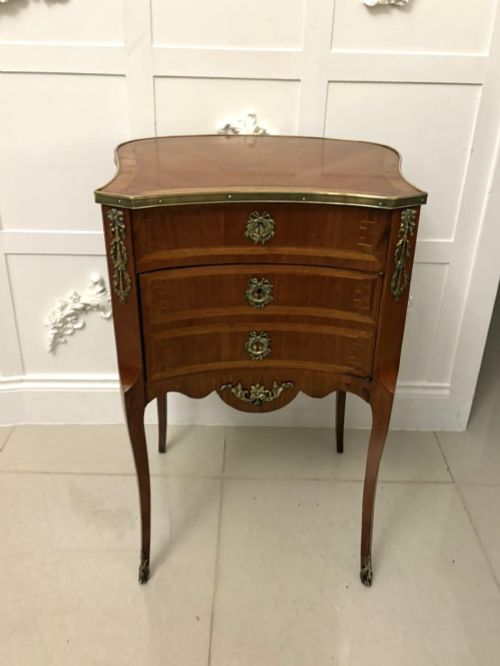
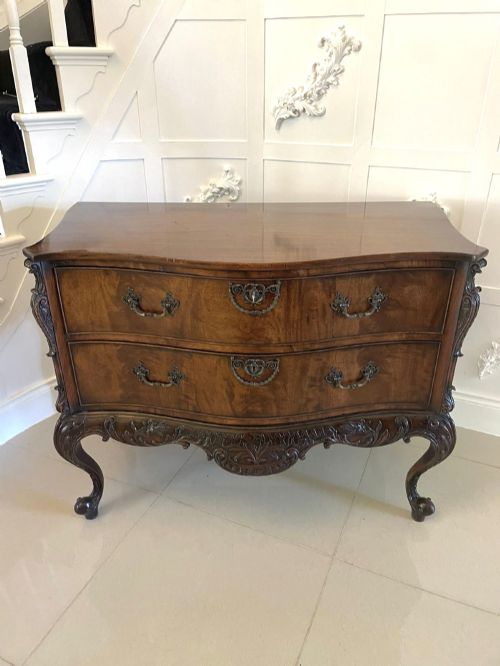
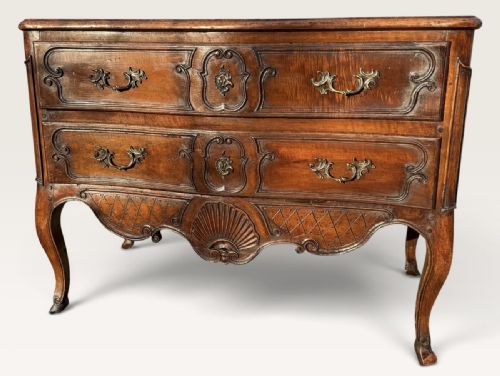
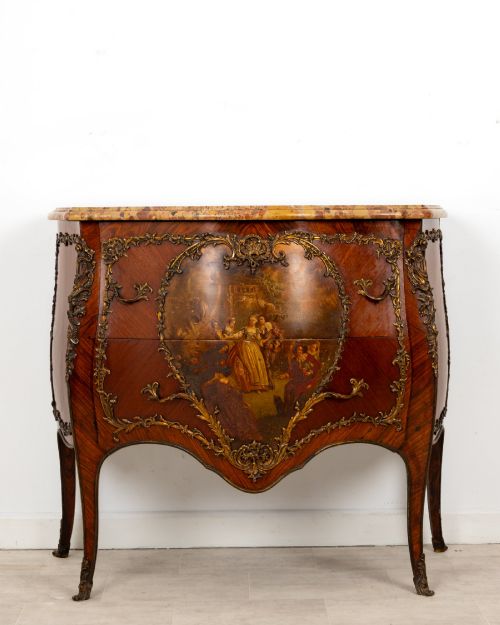
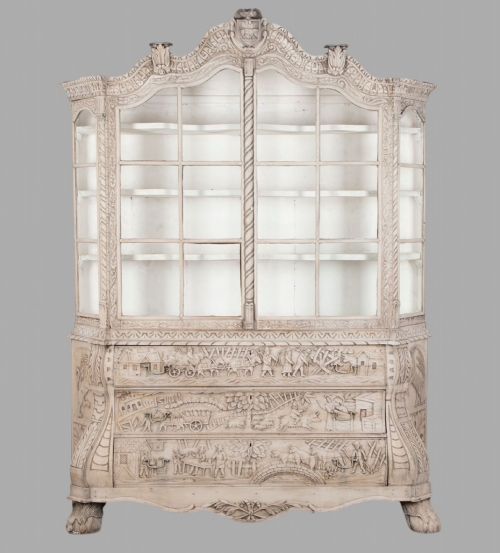
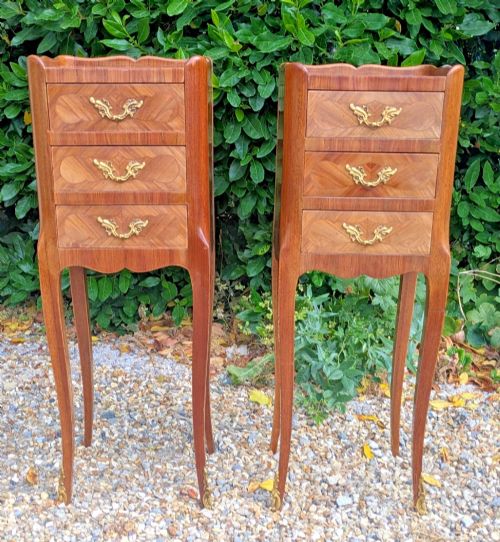
A rococo chest drawers brings distinctive continental flair to domestic interiors, taking the form of a commode or chest of drawers in walnut, satinwood, burr walnut, pine, or painted finishes. These pieces originate across Europe, spanning French provincial and chateau styles, Italian workshops, Scandinavian pieces, and later interpretations from the twentieth century.
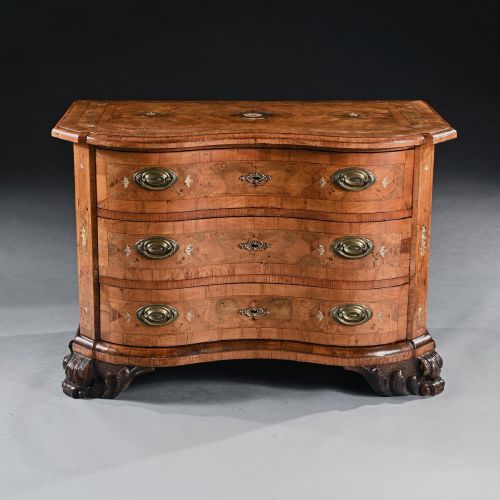
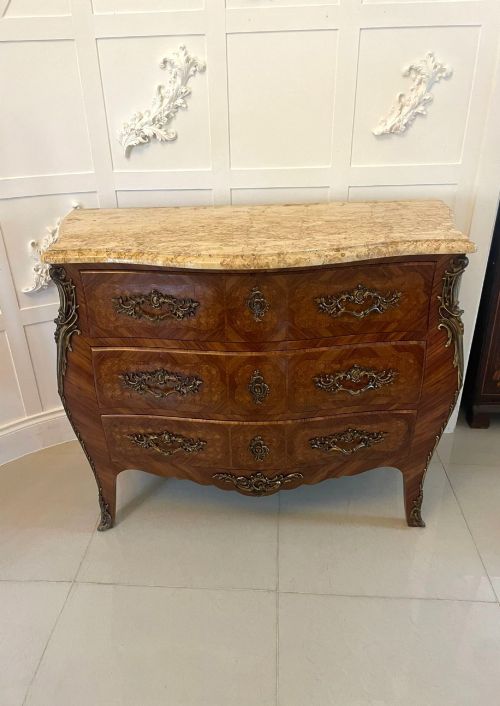
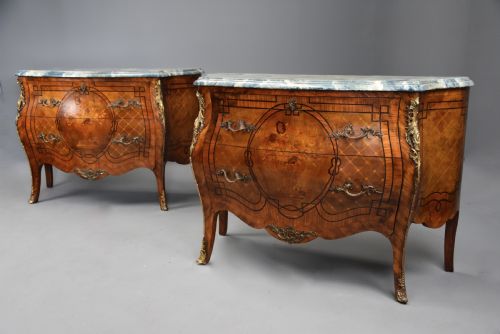
The most common form on this page is the serpentine chest of drawers, shaped with a characteristic undulating front that defines the rococo aesthetic. Examples range from eighteenth-century originals with painted surfaces to nineteenth-century Italian commodes and later twentieth-century iterations.
Buyers encounter varied regional expressions, from the warmth of figured woods to brightly painted surfaces and intricate marquetry. Each piece serves as a functional storage item while displaying the characteristic asymmetric scrolls and organic curves associated with the movement.
How they were made
Cabinet makers constructed these pieces using solid timbers like pine and walnut, applying decorative veneers such as satinwood and burr walnut to primary surfaces to create rich grain patterns. Painted finishes appear on eighteenth-century examples, providing colour and decorative detail directly onto the wood.
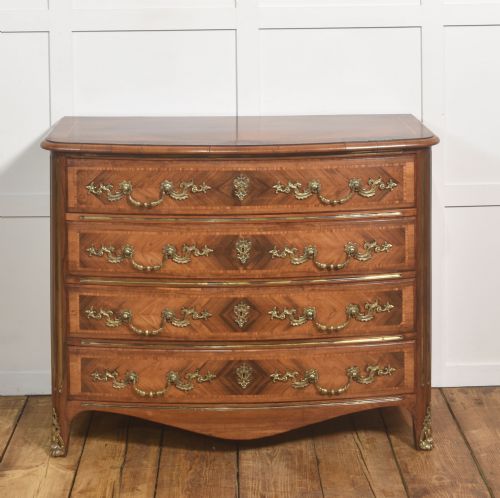
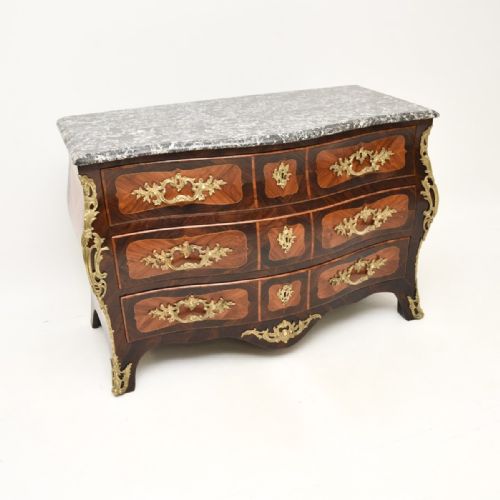
Mounts and handles in brass, ormolu, and gilt bronze furnish the drawers and corners, fastened securely to complement the wood. These metal elements follow organic rococo motifs, echoing the undulating outlines of the serpentine drawers and the curved legs of the commode.
Retail Price Guide 2026
Typical UK retail prices for rococo chest drawers, calculated from the Sellingantiques database of over a million retail prices indexed since 2003. This retail price guide relies exclusively on Sellingantiques data; no external sources or auction records are used, so the figures do not describe the wider market.
Gilt bronze handles often outlast the timber they decorate, having been polished by countless hands over three hundred years.
What varies in quality
Quality rests upon the execution of the serpentine curves and the selection of timber veneers. Finely figured burr walnut and satinwood display deliberate grain matching across the drawer fronts, elevating the visual impact of the piece beyond standard construction.
The integration of the brass, ormolu, or gilt bronze mounts distinguishes finer examples. Castings that display crisp detail and fit harmoniously into the wooden framework demonstrate superior craftsmanship compared to simpler hardware.
The Rococo Chest Drawers Glossary
- Serpentine
- A furniture front shaped with a central convex curve flanked by concave sweeps. This undulating line creates movement across the face of the chest.
- Commode
- A low chest of drawers originating in France. The term frequently describes continental examples with decorative veneers and mounts.
- Ormolu
- Gilded bronze applied to furniture as decorative mounts. The technique creates metallic highlights that contrast with the timber.
- Burr walnut
- Wood cut from walnut tree growths, producing swirling grain patterns. Cabinet makers prize this timber for decorative veneer panels.
- Satinwood
- A durable hardwood yielding a lustrous golden finish. It provides a pale, reflective surface for inlay and banding.
Frequently Asked Questions
How do I identify an eighteenth century commode?
Eighteenth century commodes show period construction techniques, hand-cut joinery, and original surface treatments such as early paint or walnut veneer. They embody the authentic proportions of the era.
Examining the secondary woods inside the drawers helps confirm the age. Continental pieces often display distinct regional building methods.
Where were these chests made?
These pieces originate from workshops across Europe, with strong representation from France and Italy. Scandinavian and later twentieth-century interpretations also appear.
Each region adapted the rococo style using local materials. Italian makers favoured walnut, while French examples often incorporated gilt bronze mounts and painted finishes.
How do I care for walnut furniture?
Walnut furniture benefits from stable indoor environments away from direct sunlight and heat sources. Maintaining consistent humidity protects the timber and delicate veneers.
Occasional dusting with a soft cloth preserves the finish. Avoiding harsh chemical polishes ensures the wood retains its natural lustre.