


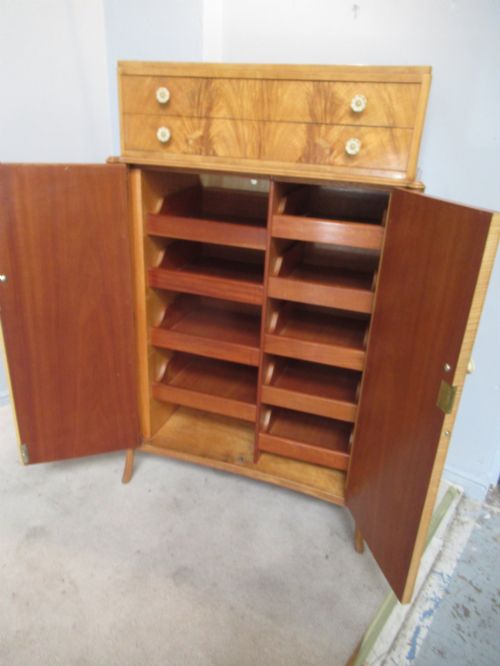
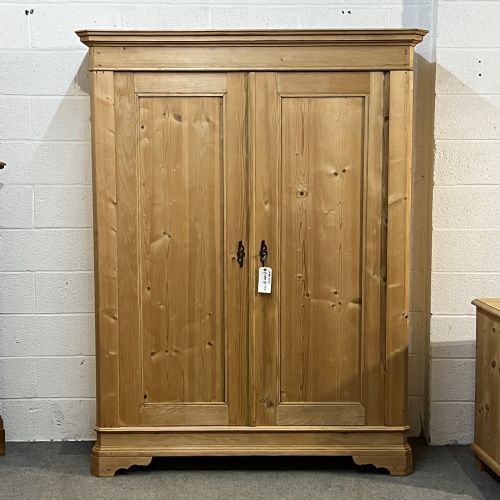
Vintage Tallboy Cabinet
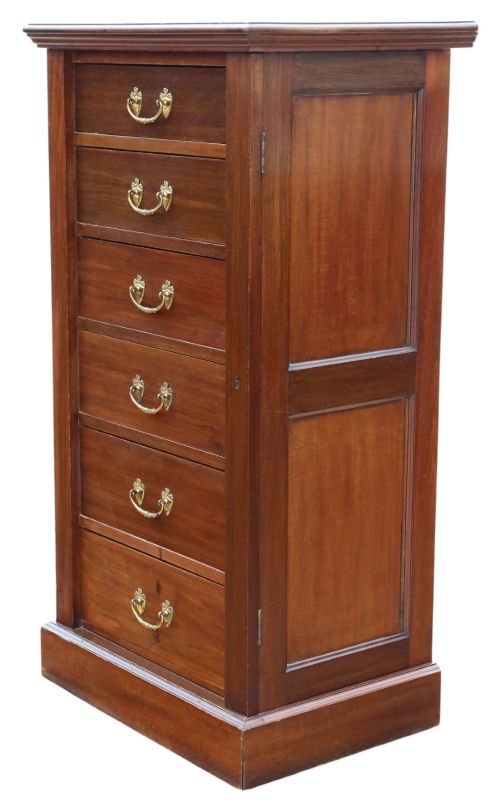
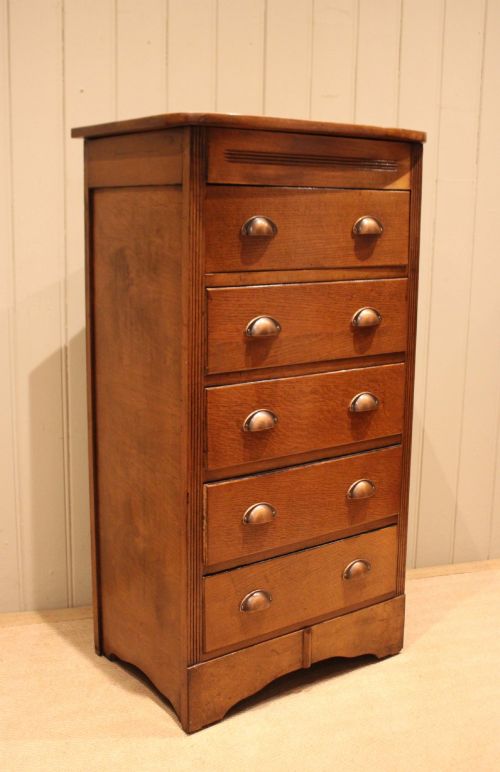
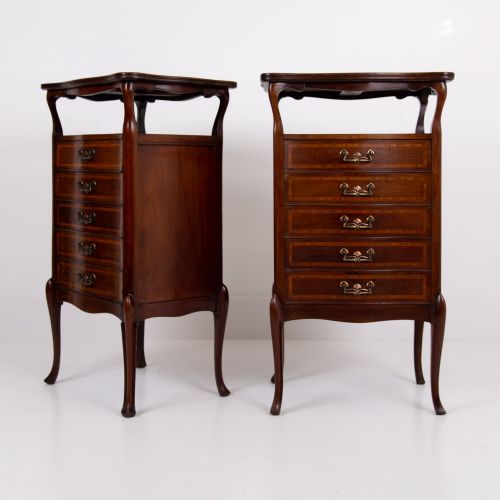
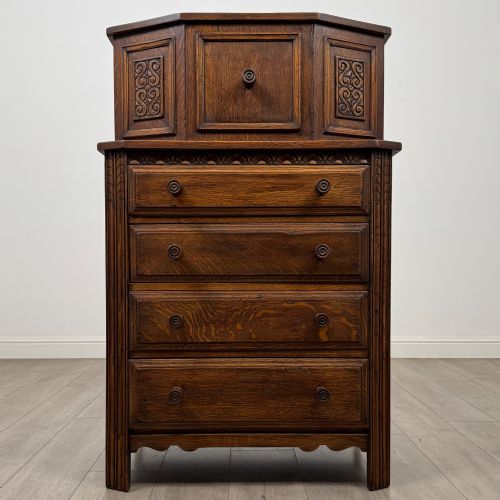
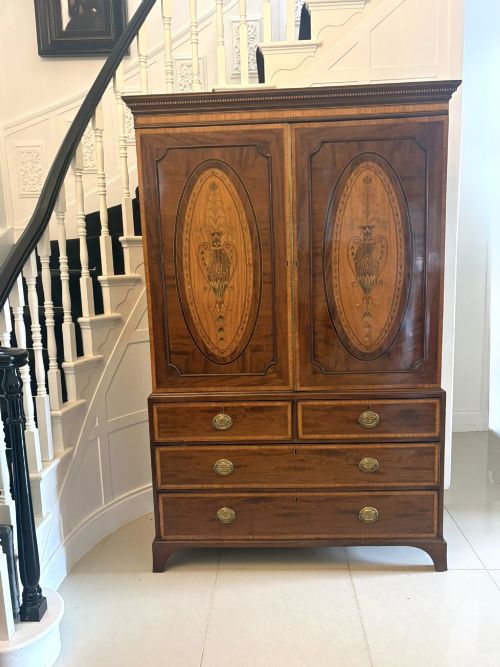
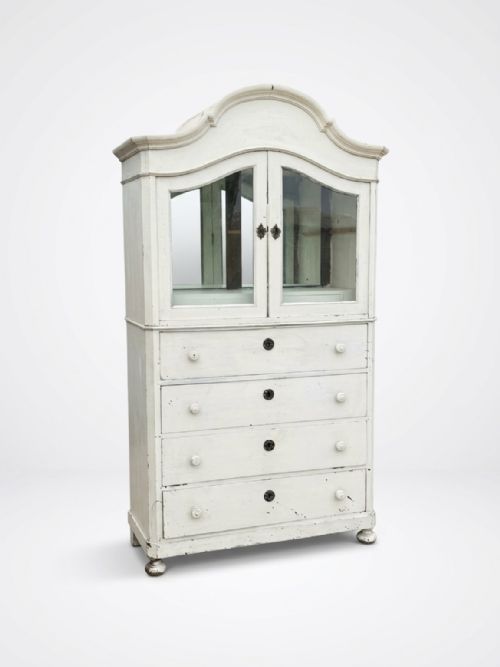
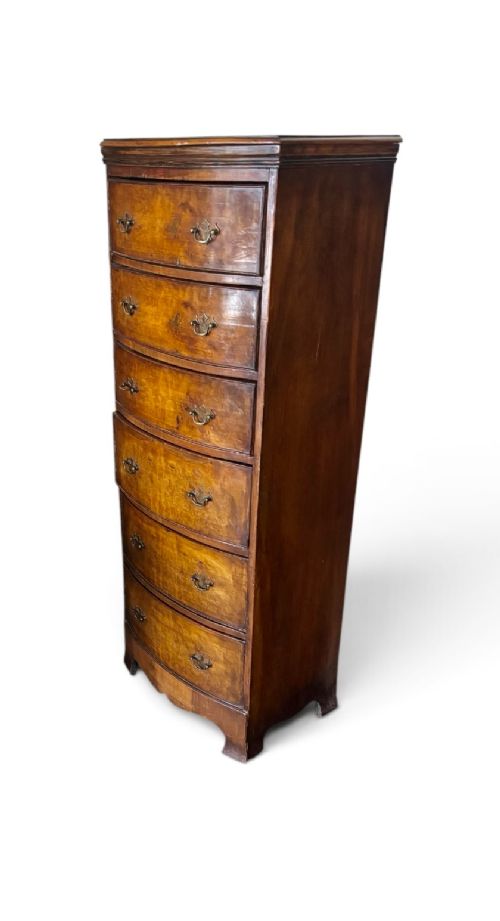
These vintage tallboy cabinet pieces are stately storage items built from mahogany and walnut, bringing classic vertical proportion to a room.
What a vintage tallboy cabinet is
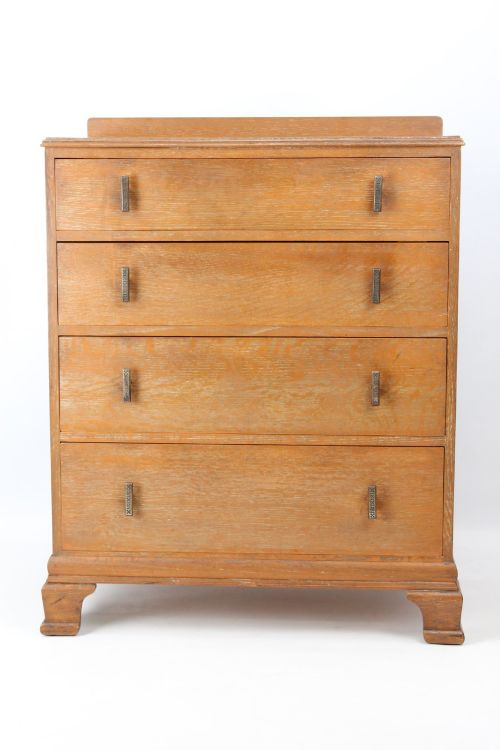
A vintage tallboy cabinet stands as a commanding storage piece, offering ample drawer space within a narrow vertical footprint. The selection spans periods from the eighteenth century through the Victorian and Edwardian eras, reaching into the Art Deco twentieth century.
Buyers encounter forms described variously as chests of drawers, chests on chests, and chests on stands. These pieces originate from distinct stylistic traditions including Georgian, Sheraton, Chippendale, and late Victorian designs.
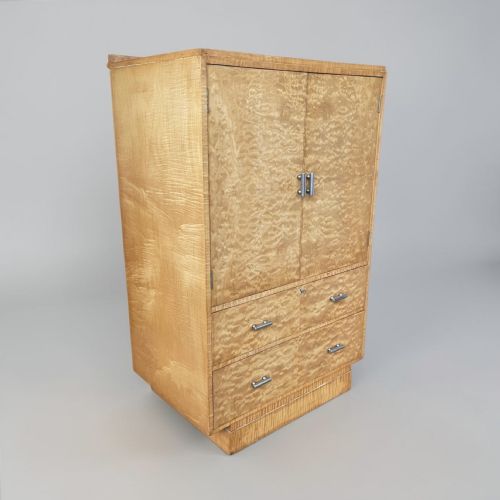
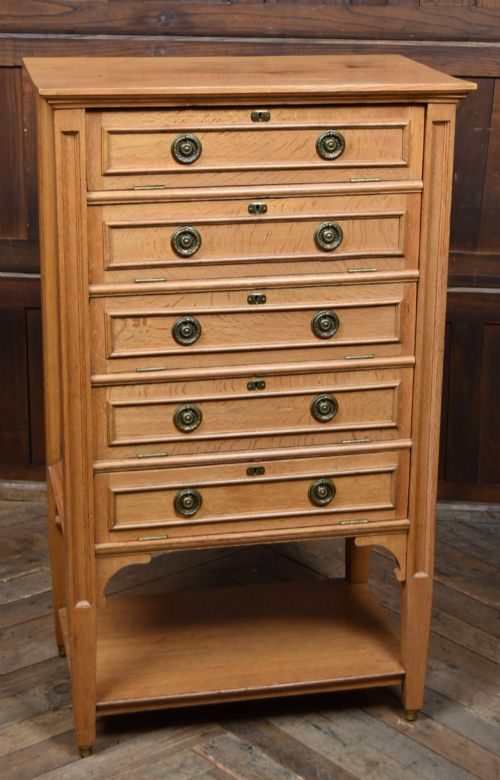
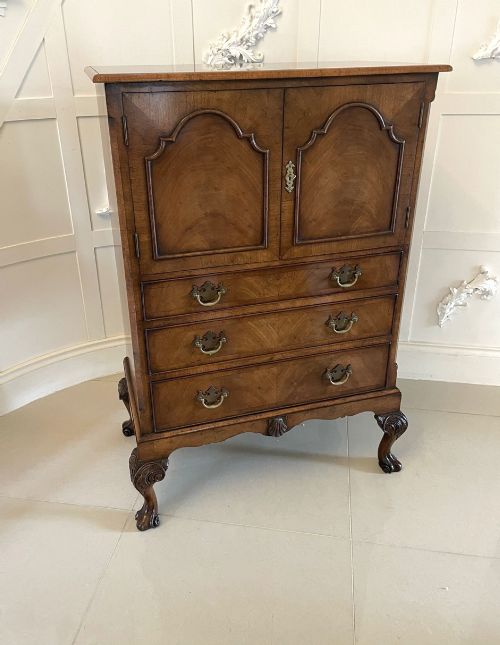
Mahogany and walnut predominate among the survivors, alongside satinwood and burr walnut veneers. Brass handles and metal hardware furnish the operational details across these upright structures.
Materials and construction methods
Cabinetmakers constructed these tall units using solid hardwoods like mahogany, alongside decorative veneers including burr walnut and satinwood. Fine linear details appear as line inlay on specific American and British pieces.
The architectural form typically stacks one cabinet section atop another or elevates a chest on a stand. Metal hardware and brass components secure the drawers and doors, reflecting the prevailing style of each distinct period.
Retail Price Guide 2026
Typical UK retail prices for vintage tallboy cabinet, calculated from the Sellingantiques database of over a million retail prices indexed since 2003. This retail price guide relies exclusively on Sellingantiques data; no external sources or auction records are used, so the figures do not describe the wider market.
Some tallboys stand so high that reaching the top drawer requires a small step or a sense of adventure.
Distinctions in quality
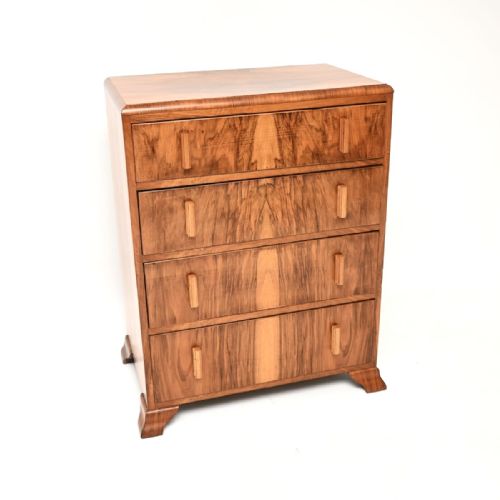
The tier of a piece depends on the choice of timber and the precision of the cabinetwork, from plain nineteenth-century drawer units to eighteenth-century chests on chests. Figured veneers like burr walnut elevate the visual impact of Art Deco examples.
Subtleties of proportion and the integrity of period details, such as inlaid lines and brass hardware, separate ordinary utility items from finer formal furniture.
The Vintage Tallboy Cabinet Glossary
- Tallboy
- A tall chest of drawers, often formed by one chest stacked upon another or upon a low stand. This vertical format maximises storage capacity while occupying minimal floor space.
- Chest on chest
- A style consisting of a larger lower chest with a slightly smaller upper chest placed directly on top. This form became popular during the eighteenth century.
- Veneer
- A thin layer of finely figured wood, such as burr walnut or satinwood, applied to a secondary wood carcass. This technique creates decorative patterned surfaces on furniture fronts.
- Line inlay
- A narrow strip of contrasting wood or light material embedded flush into the surface of the primary timber. It creates delicate borders on Georgian and later pieces.
Frequently Asked Questions
What is a tallboy cabinet?
A tallboy cabinet is a vertical storage unit designed to hold clothing and household items within multiple stacked drawers. These pieces save floor space by building upward rather than outward.
Historical examples often feature a chest on chest configuration or a tall chest mounted on a dedicated stand.
How do I date a tallboy?
Dating relies on observing the combination of primary materials, structural style, and hardware details. Eighteenth-century pieces show different proportions and joinery compared to Victorian or Art Deco revivals.
Secondary woods, handles, and inlay techniques further clarify the manufacturing period.
Where should I place a tallboy?
These tall pieces fit well in bedrooms, dressing rooms, or hallways where floor space is limited. Their vertical presence makes use of neglected wall height.
Ensure the room has adequate vertical clearance to accommodate pieces that feature stacked chest sections.
What woods were used for tallboys?
Cabinetmakers utilised sturdy timbers such as mahogany for structural durability and classic appearance. Decorative surfaces frequently display walnut, burr walnut, and satinwood veneers.
Brass and metal elements complete the construction of the drawers and mounts.