


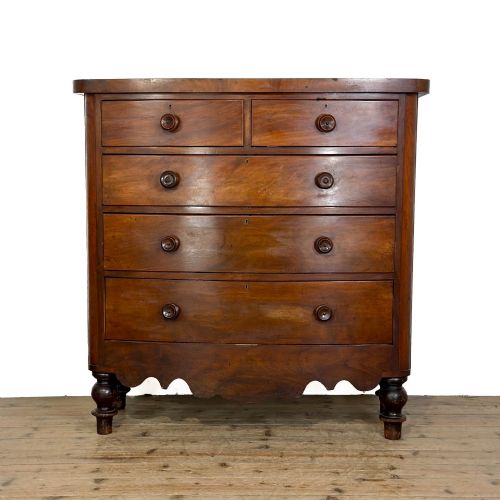
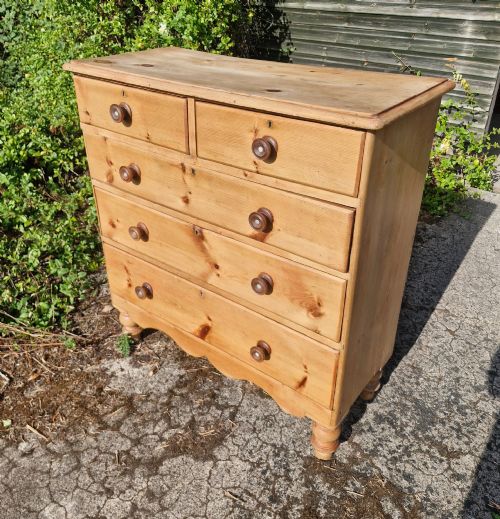
Traditional Wood Dresser
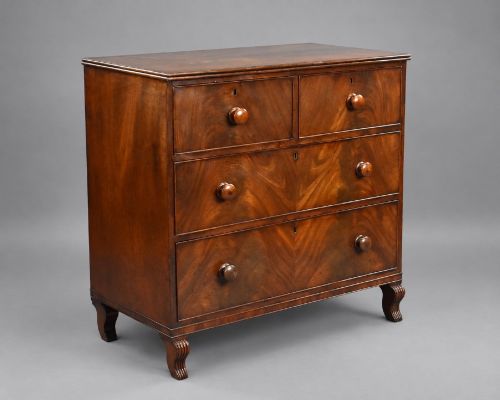
A traditional wood dresser brings practical storage and solid craftsmanship into a room, spanning periods from the Georgian era through to the Edwardian period.
Traditional Wood Dresser
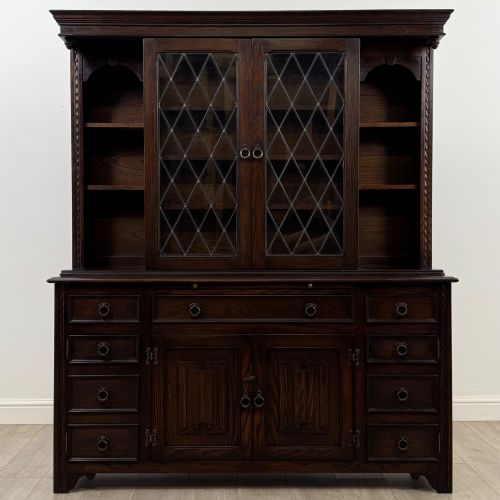
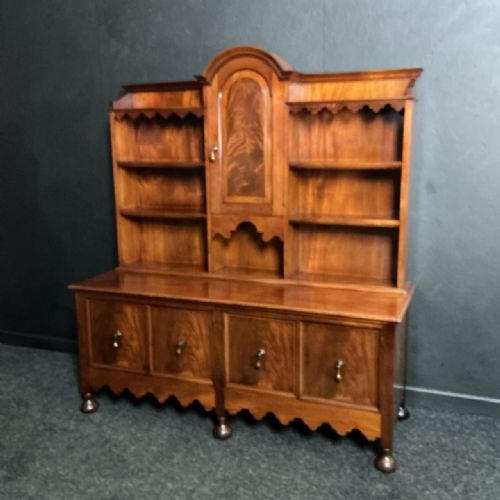
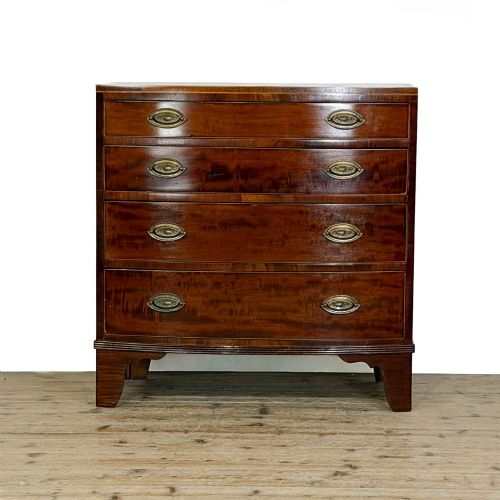
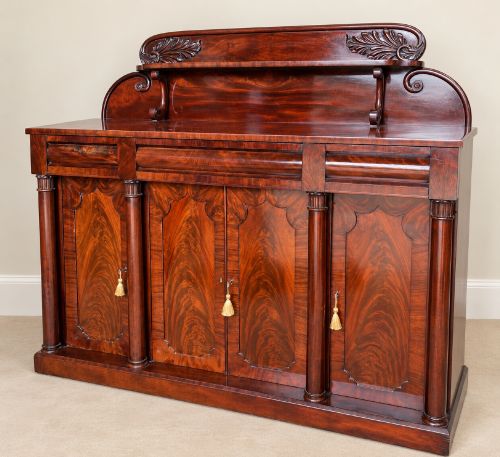
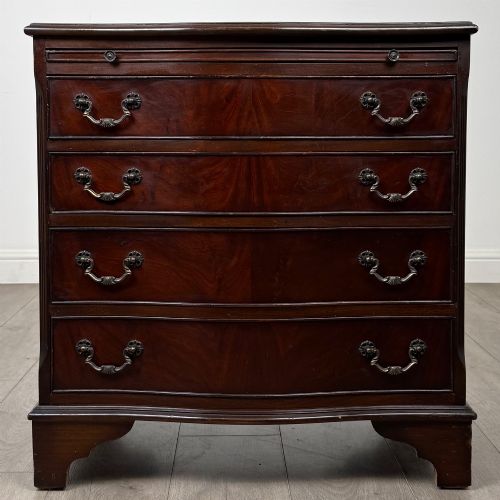
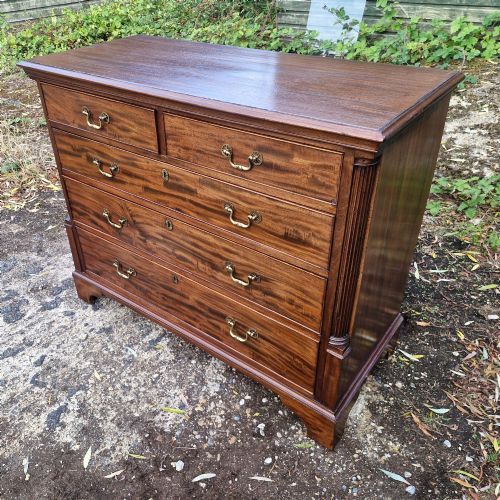
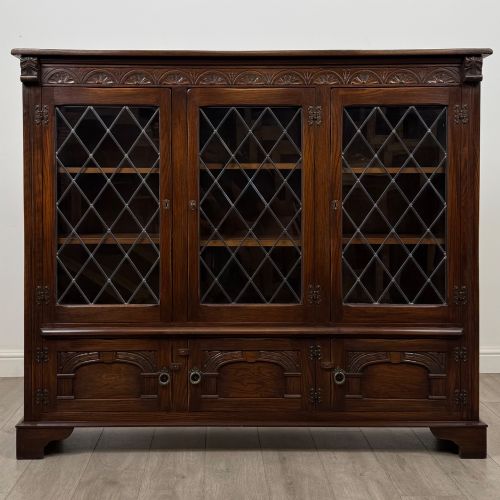
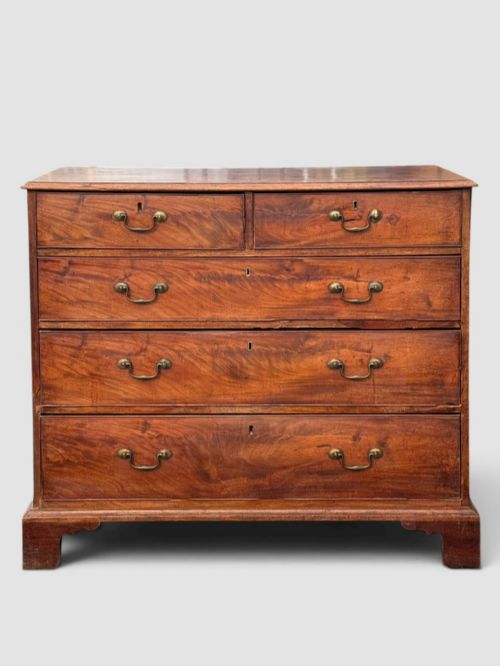
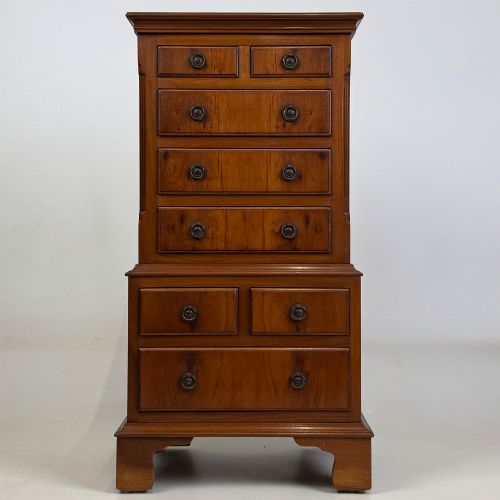
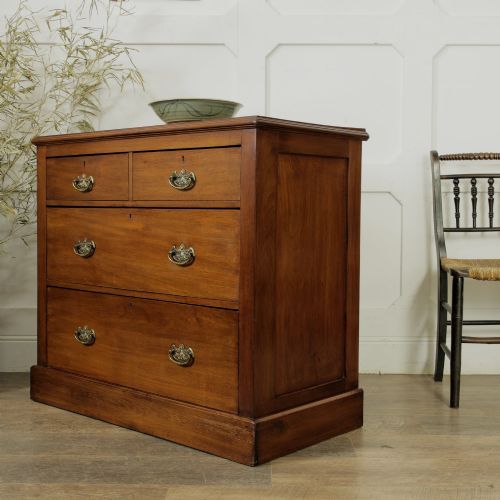
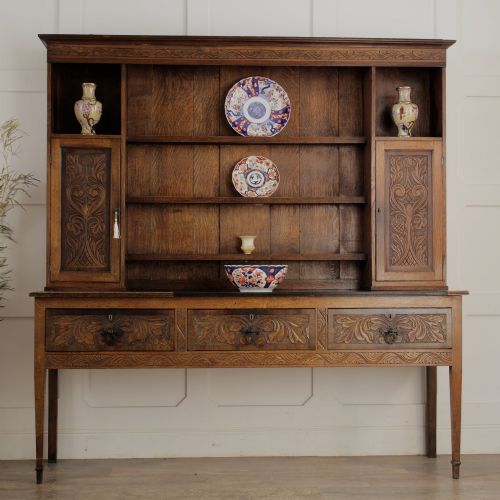
A traditional wood dresser encompasses a variety of storage furniture, including chests of drawers, display cabinets, sideboards, and kitchen dressers originating from the 18th century to the 20th century. Buyers searching for a traditional wood dresser will frequently encounter pieces styled in Victorian, Georgian, Edwardian, and Jacobean Revival aesthetics.
The material selection heavily leans towards hardwoods like mahogany and oak, alongside pine and yew wood, reflecting the domestic utility and stylistic shifts of each era. Items range from scrubbed pine country pieces to finely figured flame mahogany chests and oak dresser bases with potboards.
Judging Quality
Quality rests on the selection of timber figures, such as matching flame mahogany veneers, and the crispness of hand-carved details on oak framework. Superior examples demonstrate careful timber selection and proportion, whereas simpler utility items rely on straightforward pine or plain oak construction.
Originality of surface finishes, handles, and glass panes elevates the standing of a piece. The integration of structural elements like potboard bases or serpentine fronts separates standard regional utility furniture from finer metropolitan cabinet work.
Traditional Wood Dresser Retail Price Guide 2026
Typical asking prices for traditional wood dresser among the pieces listed under this phrase on Sellingantiques today, from the lower quarter to the upper quarter. They describe what is for sale here now, not the wider market.
Some pine chests retain their original paint, offering a glimpse into domestic life before stripping became fashionable.
The Traditional Wood Dresser Glossary
- Bow Front
- A convex curved front shape popular on 19th-century chests of drawers. This curved design softens the silhouette of the furniture.
- Serpentine
- A front contour featuring a central convex curve flanked by concave sweeps. This styling requires skilled woodworking.
- Potboard
- An open lower shelf on a dresser base used originally for storing pots and heavy kitchenware. It forms a sturdy platform beneath the main counter.
- Flame Mahogany
- Timber veneer exhibiting a distinctive flickering flame-like grain pattern. Cabinetmakers selected these cuts for primary display surfaces.
Traditional Wood Dresser: Frequently Asked Questions
What is a traditional wood dresser?
A traditional wood dresser refers to storage furniture built from timber like oak, mahogany, and pine. These pieces include kitchen dressers, sideboards, and chests of drawers.
They reflect historical periods from the Georgian era to the Edwardian period, combining practical storage with period joinery.
How do I date a wooden dresser?
Dating relies on examining the timber species, construction methods, and stylistic cues such as Georgian bracket feet or Victorian handles. Oak and pine often point to earlier country pieces or revival styles.
Finer mahogany and walnut veneers typically align with formal Georgian, Regency, or Edwardian cabinet making traditions.
Where were these dressers used?
These items served primarily in dining rooms, living spaces, and kitchens for storing tableware, linens, and provisions. Glazed top variants also displayed ceramics and glassware.
Country versions in scrubbed pine functioned as heavy-duty workspace storage in domestic pantries and farmhouses.
How should I care for timber furniture?
Maintain wooden surfaces by keeping them away from direct heat sources and sudden humidity changes to prevent timber splitting. Regular gentle dusting preserves the polished finish.
Avoid harsh chemical cleaners that strip natural patinas, opting instead for appropriate wax finishes suitable for antique wood.