
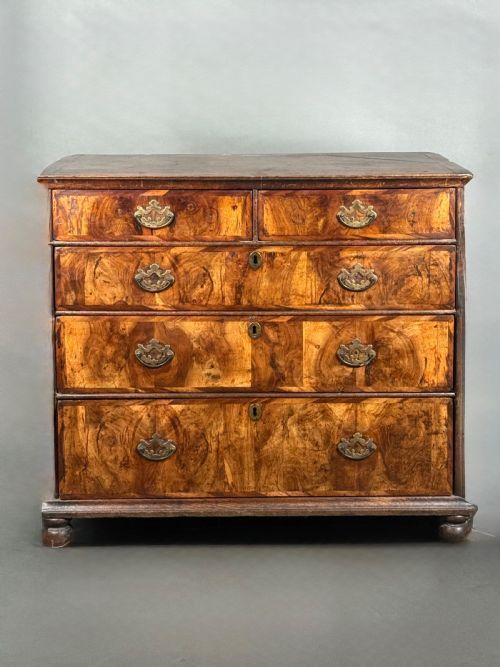
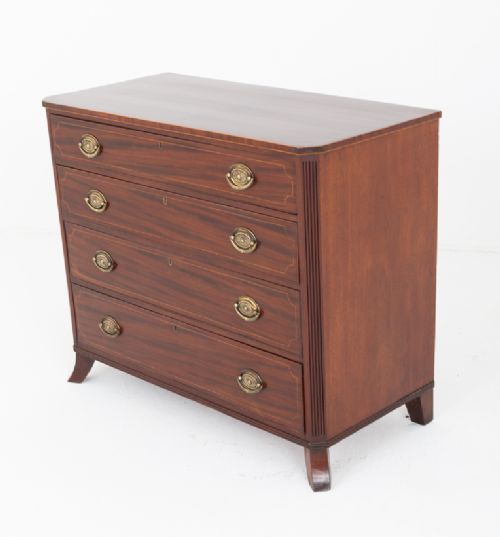
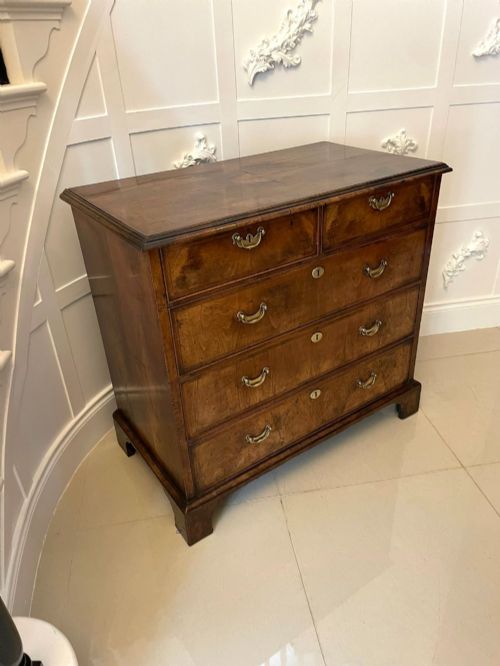
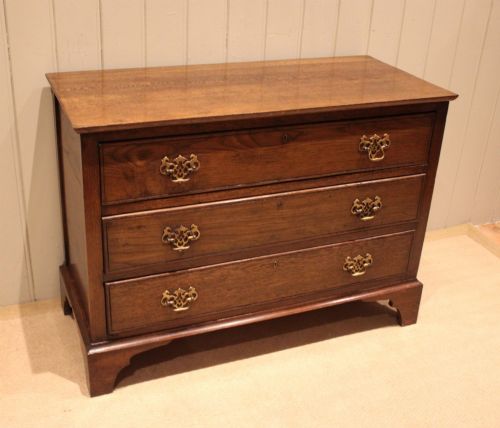
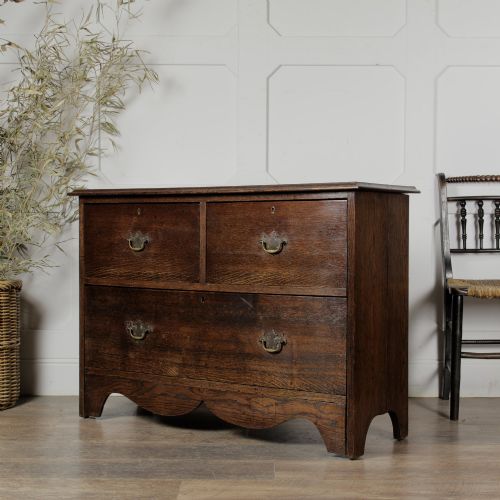
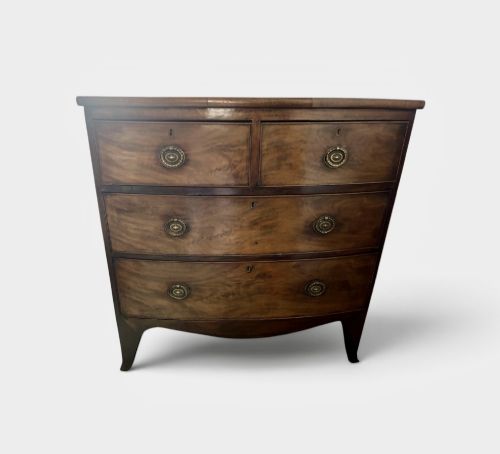


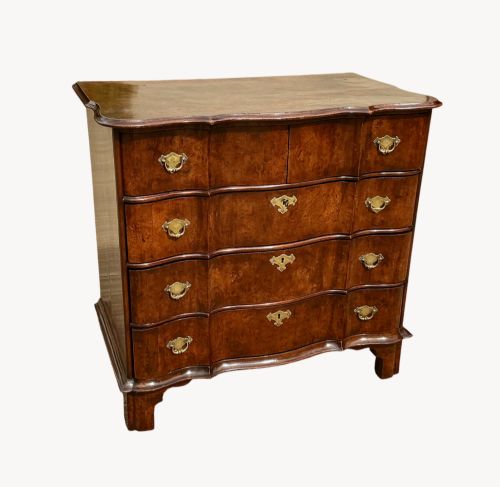
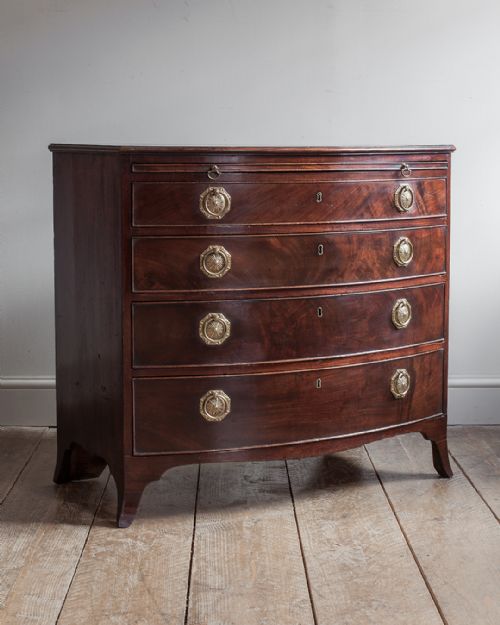
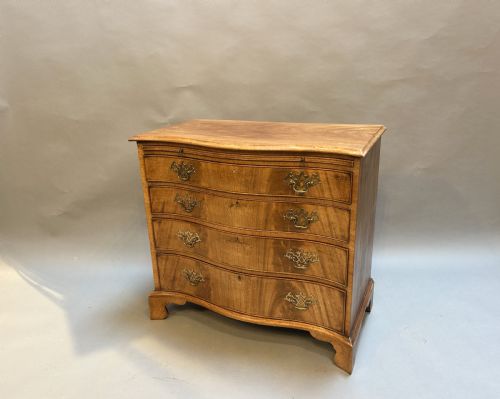
Brass Handle Dresser
A brass handle dresser provides solid timber storage and traditional surface space, prized for period character and robust construction.
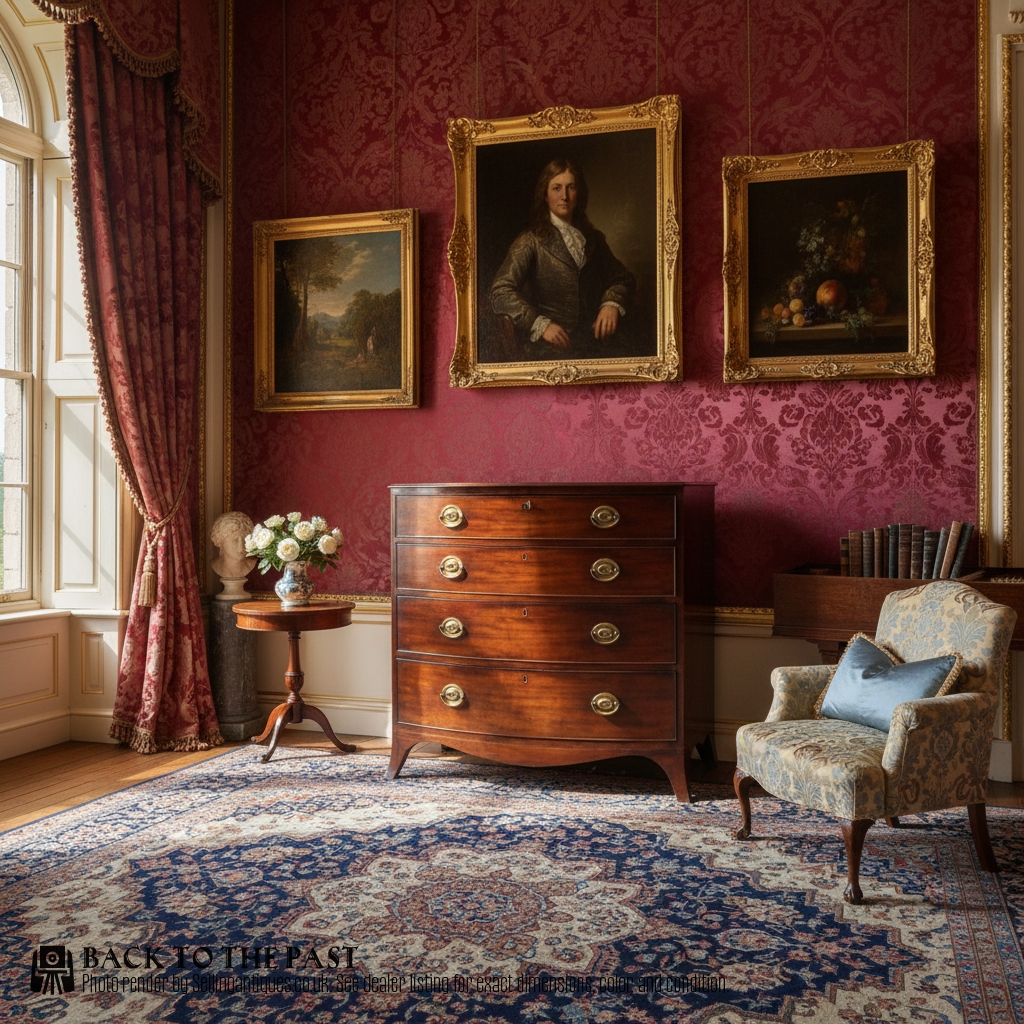
What these pieces are
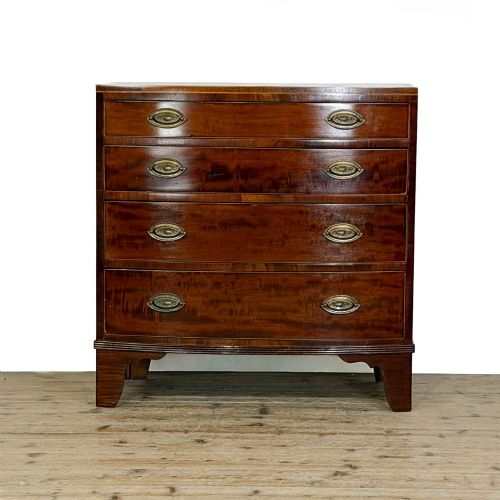
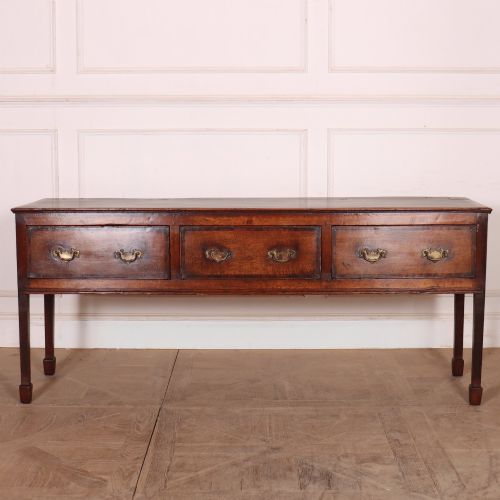
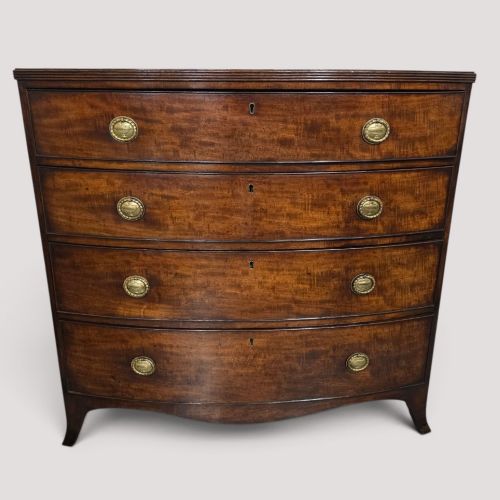
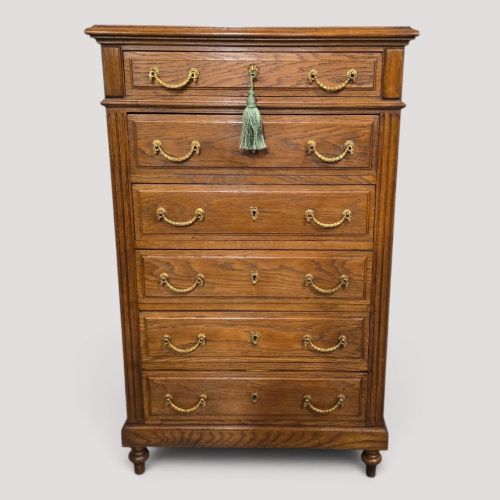
A brass handle dresser covers sturdy oak and mahogany timber carcases fitted with working drawers and mounted with brass hardware. Buyers search for these pieces to anchor a dining room or hallway with functional historic storage.
The versions most commonly met across these listings span Georgian oak dresser bases and mahogany chests of drawers. They combine generous proportions with patinated metal fittings that show decades of honest use.
Dating ranges from the eighteenth century through to the Edwardian period and the early twentieth century. Forms include traditional Lancashire oak bases alongside bow-fronted and upright drawer configurations.
How they were made
Cabinet makers constructed these carcases using dense hardwoods such as oak, mahogany, and walnut, frequently accented with boxwood stringing. Timber was selected for grain movement and stability before being joined with traditional methods.
Hardware consists of cast brass handles and escutcheons secured directly to the drawer fronts. Metal components were cast and finished by hand, matching the heavy domestic demands of period interiors.
Retail Price Guide 2026
Typical UK retail prices for brass handle dresser, calculated from the Sellingantiques database of over a million retail prices indexed since 2003. This retail price guide relies exclusively on Sellingantiques data; no external sources or auction records are used, so the figures do not describe the wider market.
What varies in quality
Quality rests upon the integrity of the timber selection and the retention of original brass hardware. Pieces retain greater character when handles and backplates show uniform wear consistent with the age of the carcase.
Construction finesse separates standard regional workshop output from finer urban cabinet making. Well-executed dovetailing and undisturbed patination elevate the visual balance of the finished piece.
Jas Shoolbred
The Brass Handle Dresser Glossary
- Dresser base
- A low wooden sideboard or storage unit featuring multiple working drawers, designed for domestic utility.
- Bow-front
- A curved cabinet front that swells outward in the centre, common in mahogany pieces from the Georgian era.
- Escutcheon
- A protective metal plate surrounding a keyhole, usually cast in brass to match the drawer pulls.
- Dovetail
- A traditional interlocking joint used to secure drawer corners with high tensile strength.
Frequently Asked Questions
Where should I place a brass handle dresser?
These timber pieces sit well in dining rooms as serving surfaces or in hallways to provide deep storage drawers. Their robust construction handles daily domestic use comfortably.
Ensure the room humidity remains stable to protect the hardwood carcase and prevent timber movement around the brass mounts.
How do I clean brass handles?
Historic metalwork benefits from gentle dusting rather than aggressive polishing to preserve the underlying dark patination. Chemical cleaners strip the aged surface that develops over centuries.
Use a soft, dry cloth to remove surface grime without disturbing the surrounding timber grain.
Are these drawers suitable for daily use?
Hardwood drawer construction allows for regular storage of household items when runners are properly maintained. The solid timber frames withstand routine opening and closing.
Avoid overloading deeper drawers to keep the historical joints aligned and functioning smoothly.
How do I identify a Georgian piece?
Georgian examples utilise native timbers like oak and imported mahogany combined with hand-cut dovetails and heavy cast brass hardware. Proportion and restraint define the silhouette of this period.
Examine the drawer linings and backboards for tool marks and timber shrinkage that indicate genuine age.