
French Country Chest Drawers
These French country chest drawers bring practical storage and rustic provincial character together, formed from solid timbers like walnut and cherrywood.
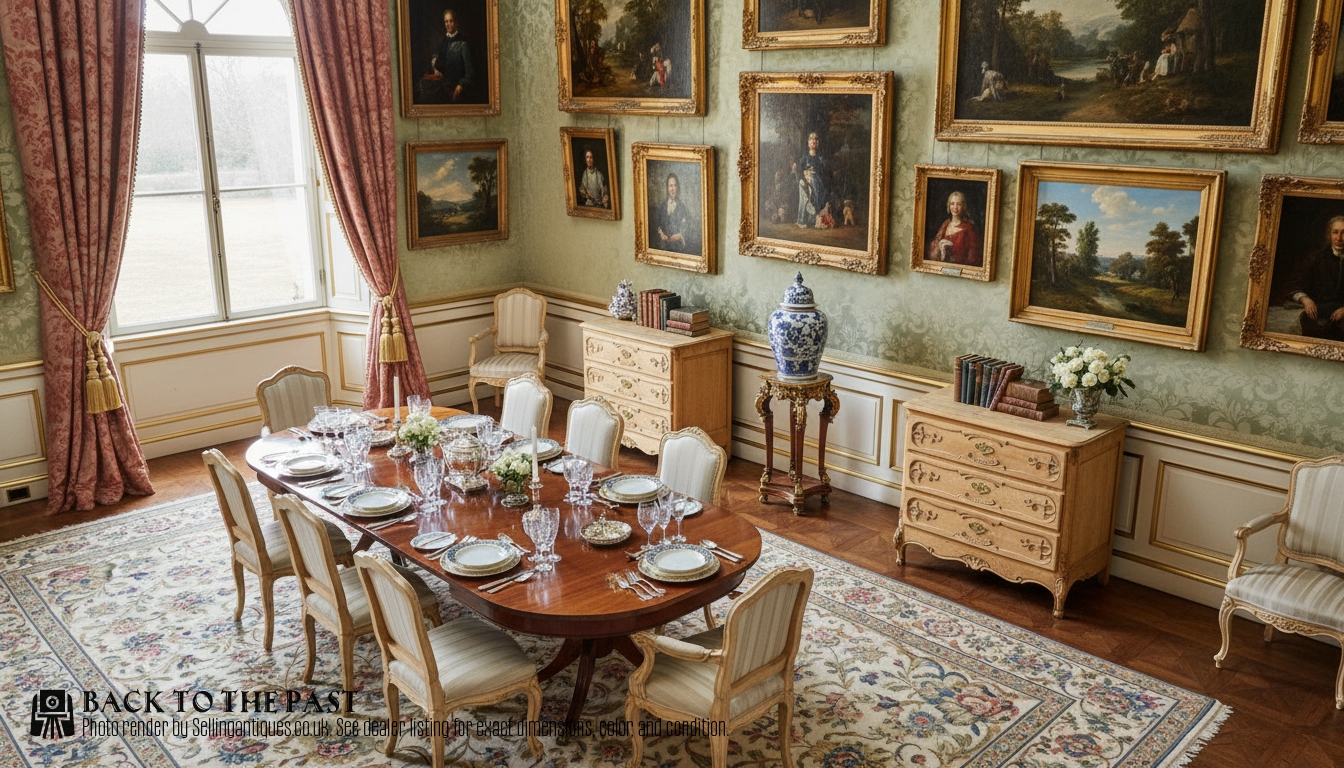
French Country Chest Drawers
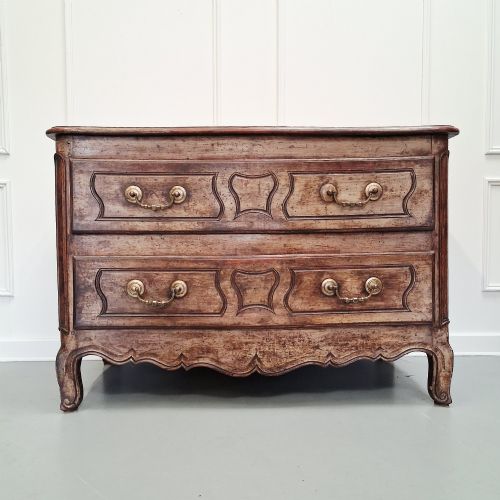
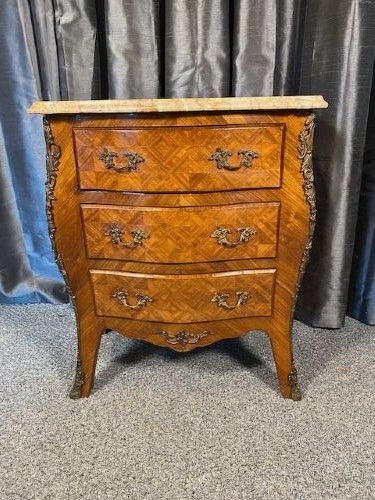
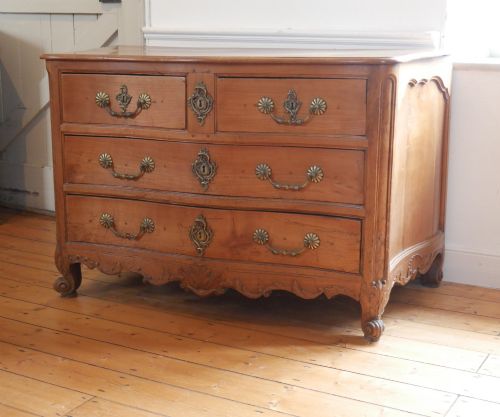
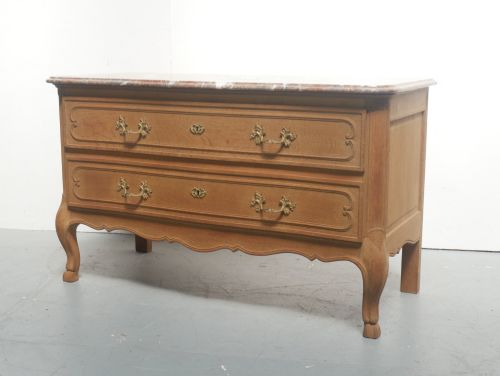
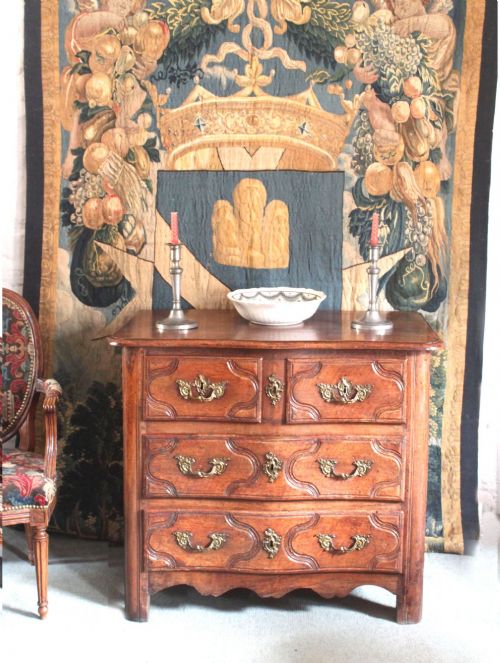
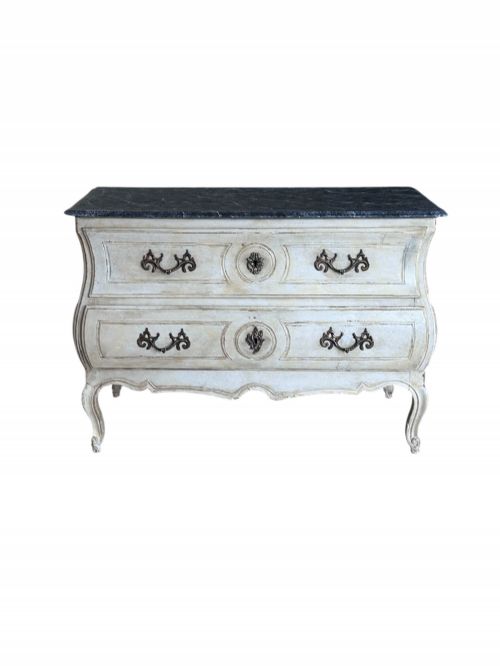
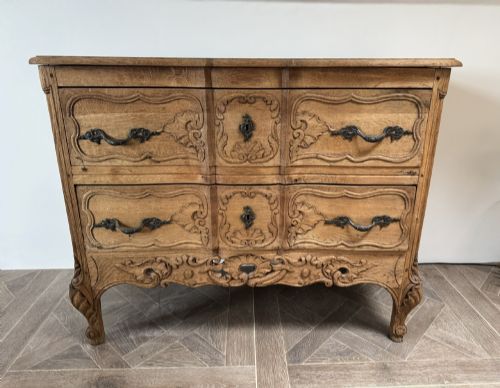
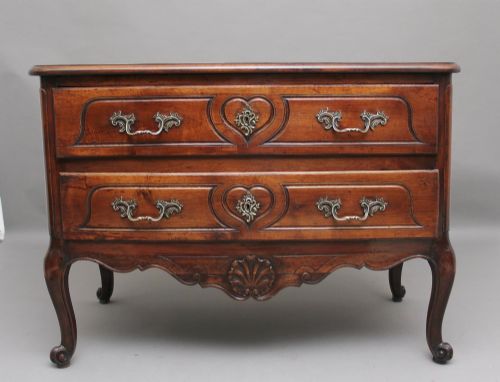
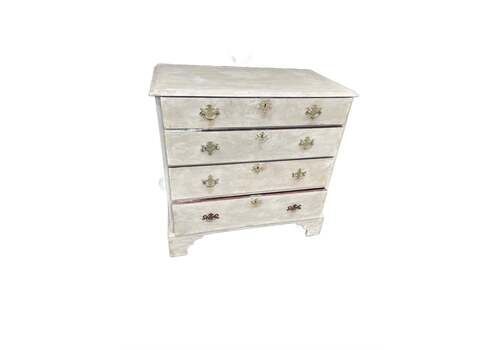
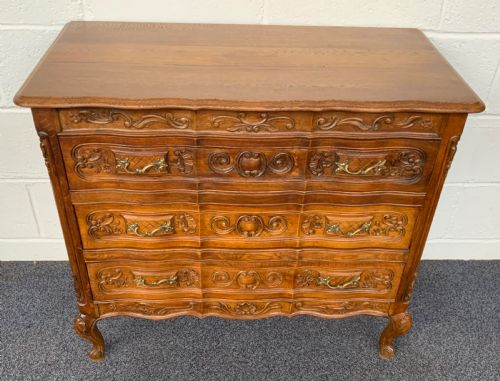
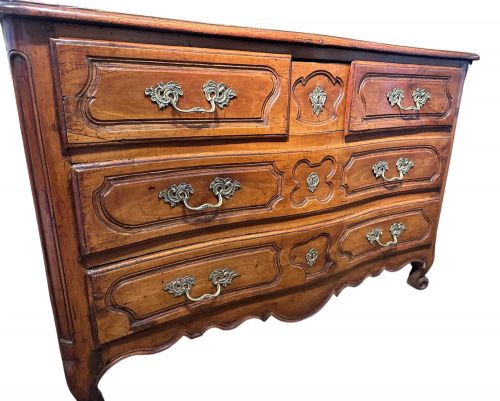
When you search for french country chest drawers, you meet commodes and chests built across the eighteenth and nineteenth centuries in regional workshops. The most common pieces on this page are provincial commodes shaped with serpentine fronts, straight lines, or modest proportions.
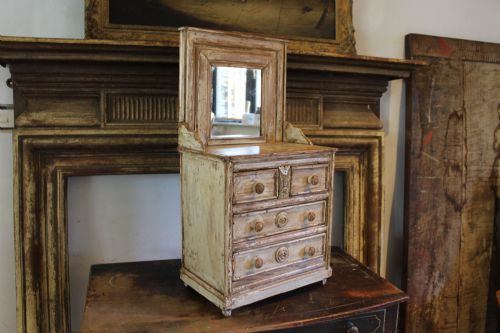
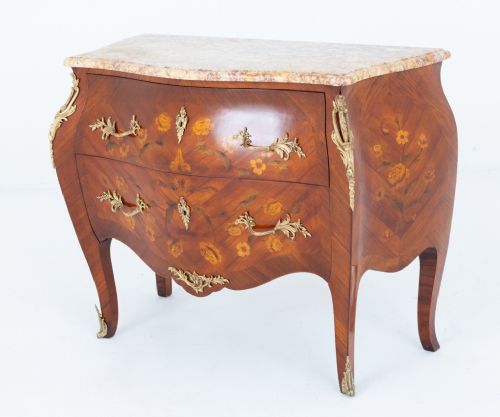
Makers fashioned these storage items in oak, walnut, and cherrywood, often finishing them with painted surfaces or polished marble tops. You will also find miniature apprentice pieces, banks of drawers, and bedside tables reflecting the same rural aesthetic.

How they were made
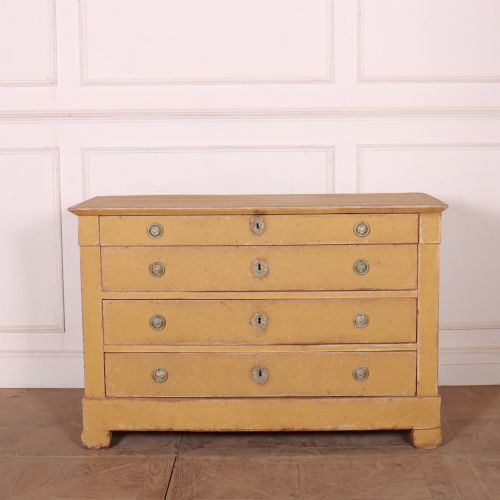
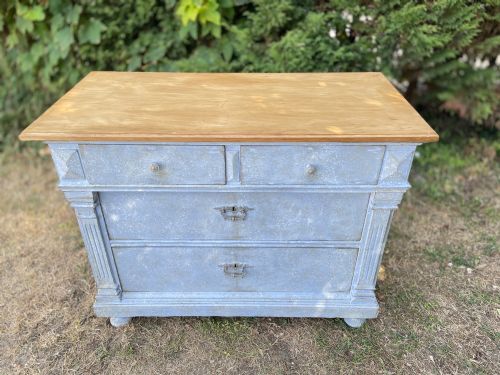
Cabinetmakers utilised local timbers such as oak, walnut, cherrywood, and burr elm, constructing carcases with traditional joints suited to provincial workshops. Surfaces were left natural, limed, scrubbed, or painted in muted tones.
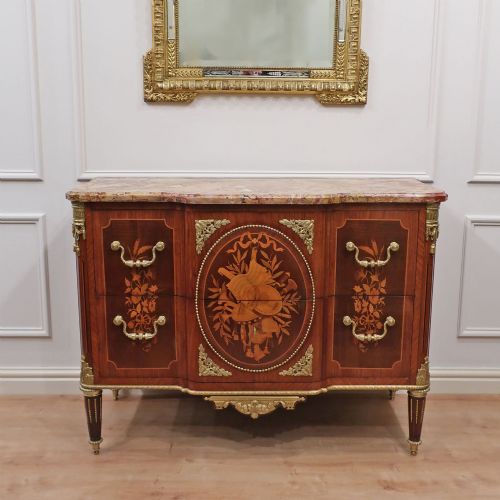
Many commodes received inset marble tops in white or grey stone, while others displayed marquetry, diamond-point detailing, or ormolu and brass mounts to complement the carved woodwork.
French Country Chest Drawers Retail Price Guide 2026
Typical asking prices for french country chest drawers among the pieces listed under this phrase on Sellingantiques today, from the lower quarter to the upper quarter. They describe what is for sale here now, not the wider market.
Listings feature eighteenth and nineteenth-century pieces alongside early twentieth-century examples, constructed from walnut, oak, cherrywood, and marble.
What varies in quality
Quality rests on the choice of timber and the crispness of the provincial carving, separating standard workshop output from finer commodes. Pieces built with dense walnut, figured cherrywood, or substantial burr elm show superior structural integrity.
The integration of materials also defines the grade, seen in the thickness of a marble top or the precision of inlaid marquetry and brass hardware rather than simple surface decoration.
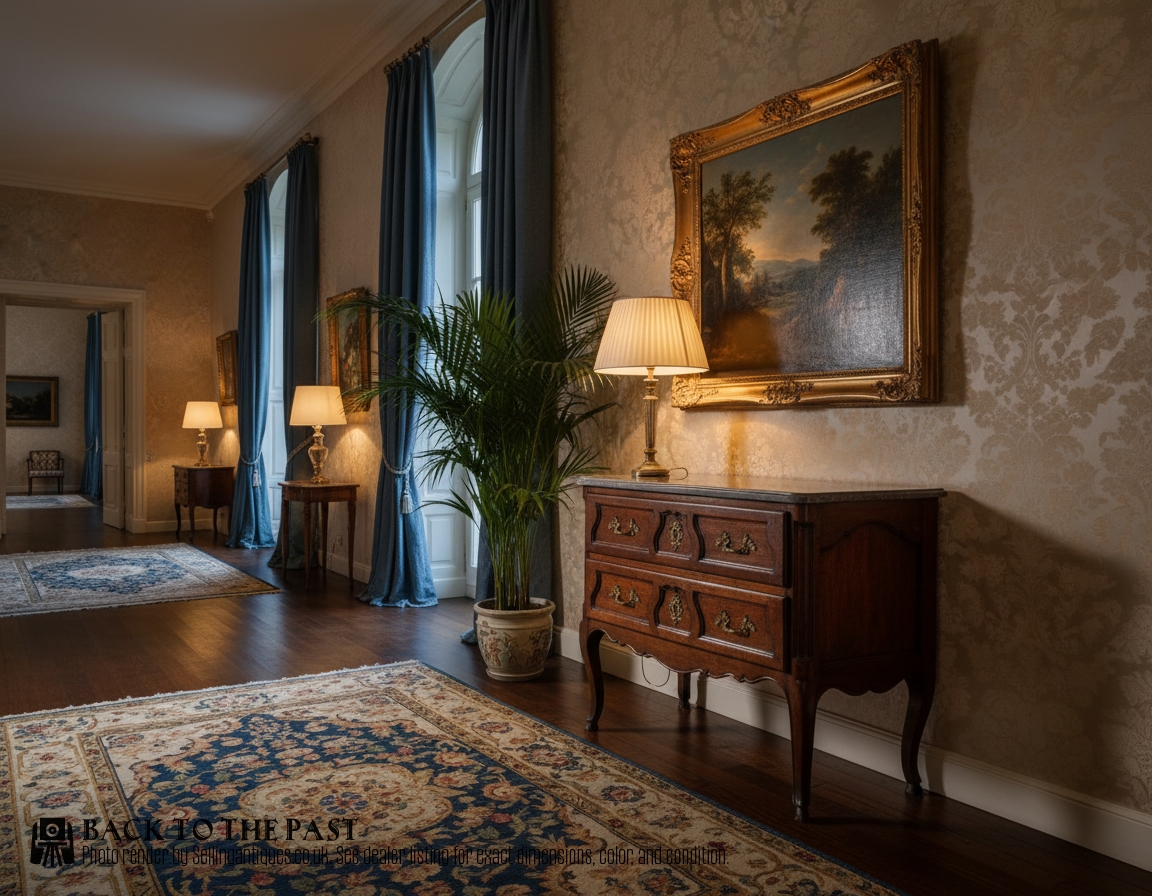
Edwards and Roberts
The French Country Chest Drawers Glossary
- Commode
- A low chest of drawers, often featuring multiple tiers and a flat or serpentine top. This French term describes the primary storage form found across provincial houses.
- Serpentine
- A furniture front curving outward in the centre and inward at the sides. This contour requires skilled woodworking to shape the timber drawers and carcase accurately.
- Marquetry
- Inlaid patterns of wood veneer forming decorative motifs on the surface. Cabinetmakers cut contrasting timbers to create detailed pictorial or geometric designs.
- Ormolu
- Gilt-bronze mounts applied to furniture for decoration. These metal ornaments accent the corners, feet, and drawer pulls of finer commodes.
French Country Chest Drawers: Frequently Asked Questions
What is a French commode?
A commode is a low chest of drawers designed for domestic storage, originating in France as a bedroom or salon piece. Provincial versions rely on solid timbers and straightforward construction.
These items provide deep drawer space while offering decorative appeal through carved wood, painted finishes, or marble tops.
How do I date a chest?
Dating relies on observing construction techniques, timber choice, and hardware styles across eighteenth and nineteenth-century examples. Earlier pieces often use native walnut or cherrywood with hand-cut joinery.
Later nineteenth-century items may incorporate machine-sawn elements, standardised brass fittings, or applied marble surfaces.
Where should I place it?
These chests suit bedrooms, hallways, or living spaces where low storage and a display surface are useful. The marble or wooden top holds lamps, ceramics, or mirrors.
Consider the depth of the serpentine or bow fronts when positioning the piece in narrow corridors.
Are marble tops original?
Many French commodes from the nineteenth century were built specifically to carry heavy marble slabs on their upper surfaces. These stone tops provided a durable, wipe-clean finish for washing gear or displaying objects.
Checking the fit against the wooden carcase helps confirm whether the slab belongs to the period of manufacture.