
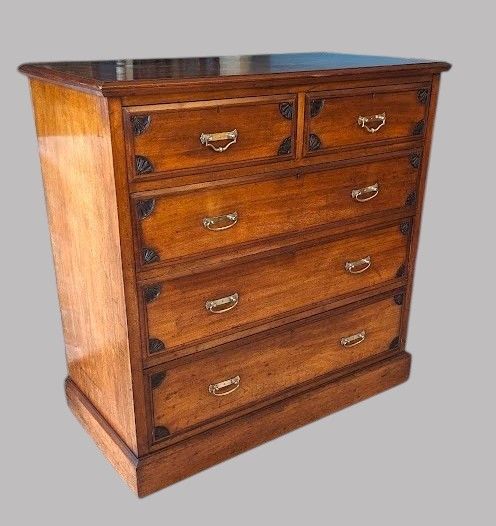
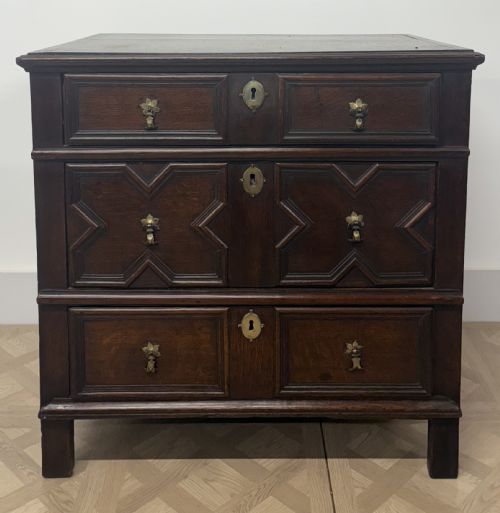
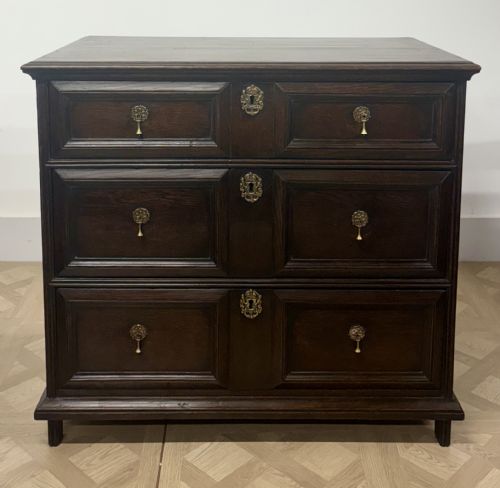
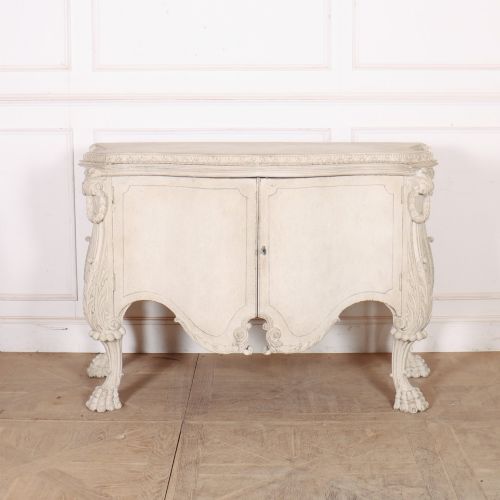
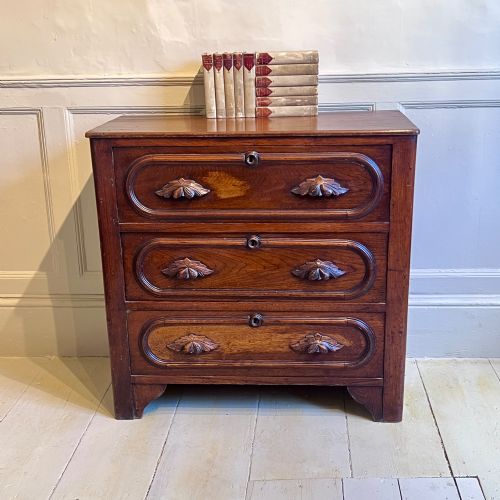
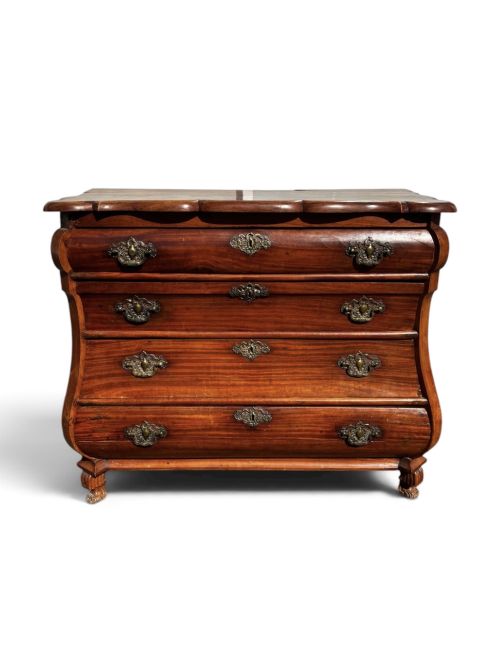

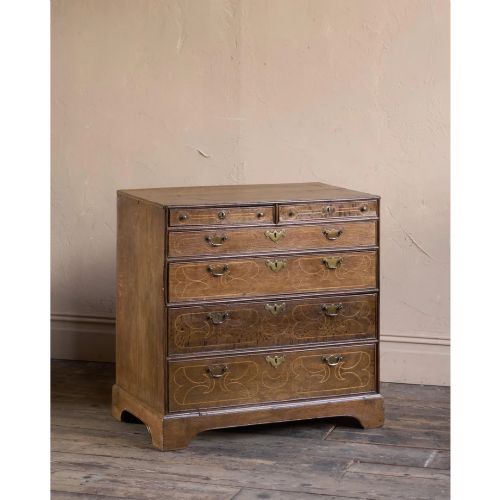
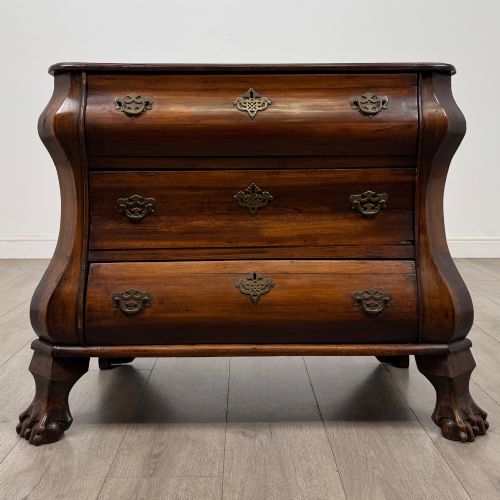
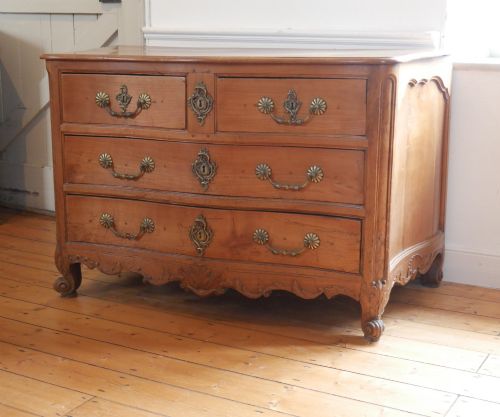
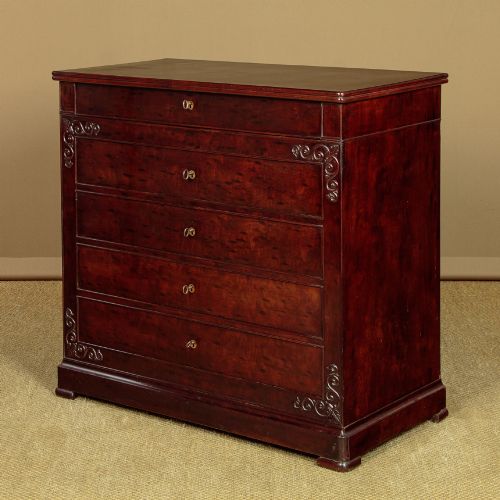
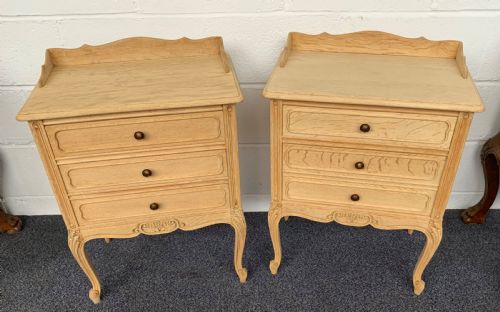
Carved Wood Commode
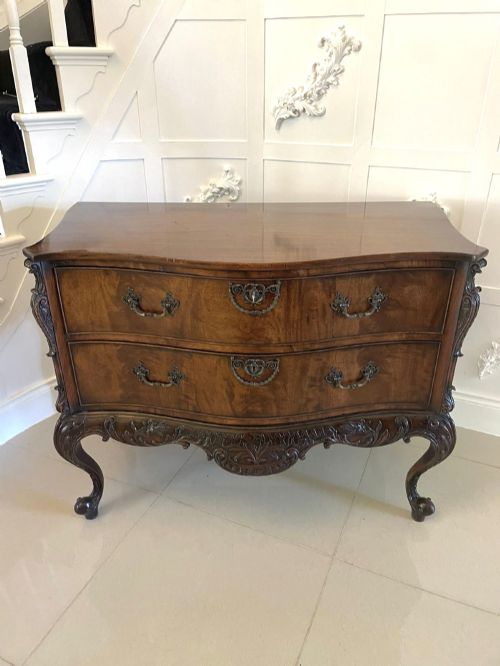
A carved wood commode brings substantial storage and distinct regional character to a room, offering deep drawers and fine architectural timberwork.
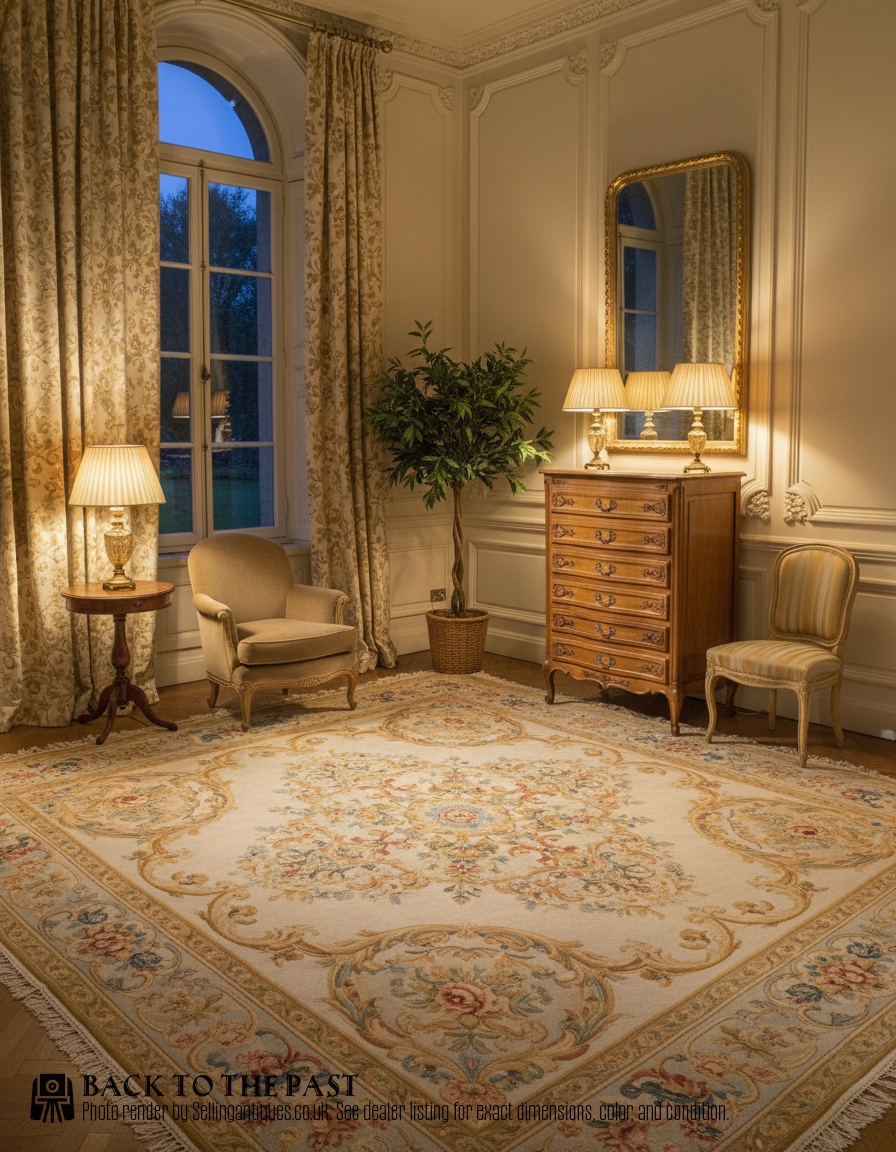
Carved Wood Commode
When you search for a carved wood commode, you encounter substantial storage furniture spanning multiple centuries, from seventeenth-century oak pieces to eighteenth-century walnut, elm, and cherry examples. These items function primarily as chests of drawers, bedside cabinets, and commode cupboards, originating from workshops across France, Britain, Italy, and the Netherlands.
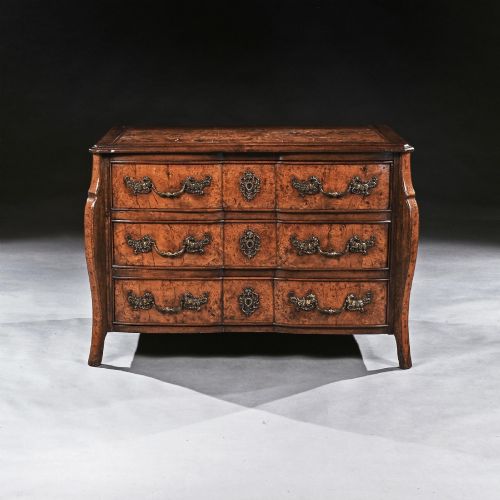
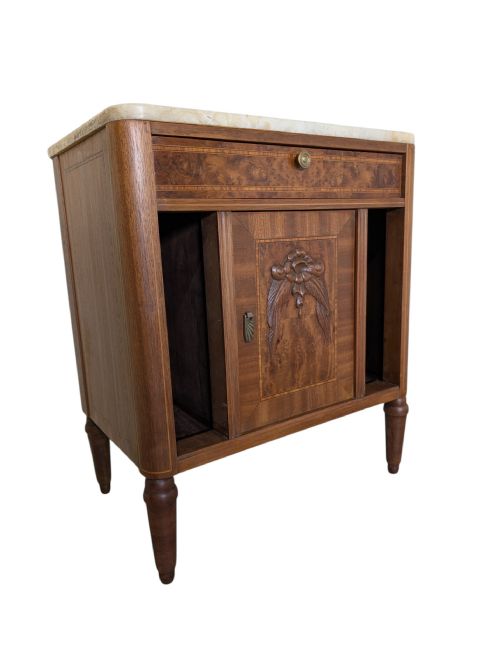
The versions you meet most frequently on this page lean heavily towards eighteenth-century French provincial designs and nineteenth-century mahogany interpretations. Alongside traditional commodes, the selection includes bombe shapes, serpentine forms, and related bedside night tables constructed from solid timber.
Makers and cabinetmakers built these storage pieces using regional woods typical of their local environment, employing heavy oak and walnut in earlier periods and shifting toward mahogany and burr elm as trade routes and tastes evolved. The overarching form remains a low, wide chest designed for domestic storage and display.
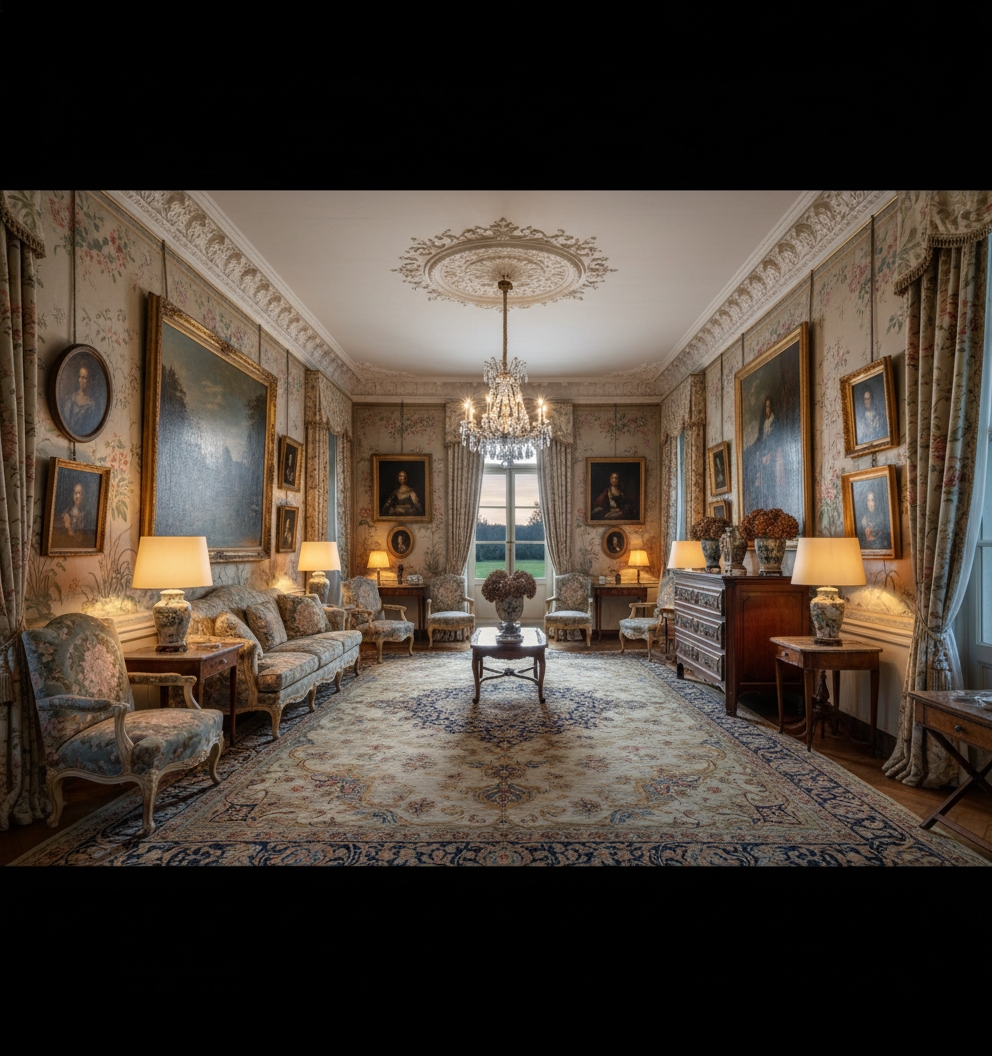
How they were made
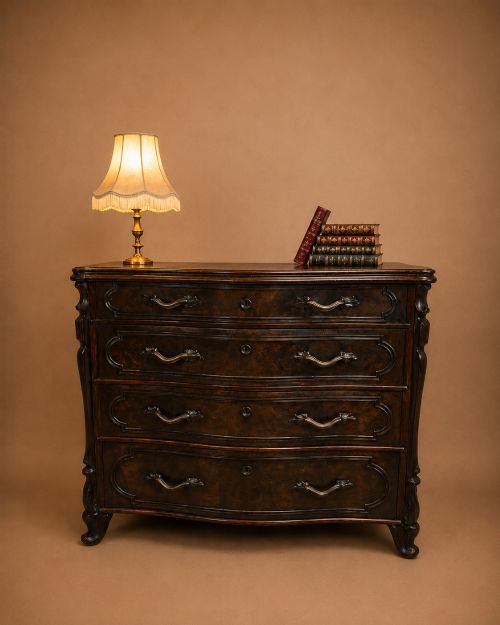
Cabinetmakers constructed these pieces using dense hardwoods like oak, mahogany, walnut, and elm, often applying burr veneers to curved or flat drawer fronts for visual depth. Structural stability relied on traditional joinery techniques, combining solid timber carcases with hand-cut dovetails on the drawer construction.
Surface ornamentation involved hand carving directly into the timber, supplemented by brass handles, escutcheons, and occasional painted or ebonised finishes. French provincial and Dutch colonial examples demonstrate specialised shaping, including bombe profiles and geometric mouldings carved straight into the primary wood.
Carved Wood Commode Retail Price Guide 2026
Typical asking prices for carved wood commode among the pieces listed under this phrase on Sellingantiques today, from the lower quarter to the upper quarter. They describe what is for sale here now, not the wider market.
Several pieces double as close stools, proving that past generations valued discreet multi-tasking furniture just as much as we do.
What varies in quality
The calibre of a carved wood commode rests upon the crispness of its hand-carved detailing and the selection of timber used for the carcase and drawer fronts. Superior pieces exhibit tight, precise dovetails, well-matched wood grain, and original brass hardware that integrates harmoniously with the design.
Proportion and execution set the finer examples apart, particularly in complex shapes like serpentine or bombe forms where symmetry and structural balance are essential. Pieces retaining their original finish, uncompromised timber thickness, and authentic period handles command greater regard from collectors.
The Carved Wood Commode Glossary
- Bombe
- A bulging, convex shape swelling outward on the front and sides of a chest or commode. This profile is frequently seen in Dutch and French eighteenth-century furniture.
- Serpentine
- A curved line that undulates gently, curving inward at the centre and outward at the ends, often applied to the front edges of drawers.
- Escutcheon
- A protective plate surrounding a keyhole, usually fashioned from brass to complement the surrounding wood and hardware.
- Dovetail
- A joint formed by interlocking wedge-shaped fingers, used traditionally to secure the corners of drawers with high tensile strength.
- Burl
- A woody growth on a tree resulting in swirling, highly figured grain patterns when sliced into veneer for cabinetwork.
Carved Wood Commode: Frequently Asked Questions
Where were these commodes placed?
These storage pieces stood primarily in bedrooms, grand hallways, and drawing rooms as practical repositories for linen, clothing, and personal items.
Their substantial surfaces also served to hold decorative objects, mirrors, or washing equipment depending on the specific room and period.
How do I identify periods?
Dating relies on examining the timber species, joinery methods, and characteristic hardware styles associated with specific centuries, such as early oak in the seventeenth century or mahogany in the Georgian era.
Secondary woods inside drawers and the presence of hand-cut dovetails or machine-cut elements help narrow down the manufacturing decade.
Can I use them as bedside tables?
Smaller variations, such as bedside cabinets, night tables, and pot cupboards, suit modern bedroom layouts as functional bedside storage.
Their enclosed cabinets and top drawers provide convenient space for lamps and nighttime accessories while adding distinct historical character to a room.
How do I care for the wood?
Maintenance requires keeping the timber away from direct heat sources and sudden humidity shifts to prevent wood movement and splitting.
Applying occasional appropriate wax preserves the polished finish and nourishes the natural grain without building up heavy chemical residues.