



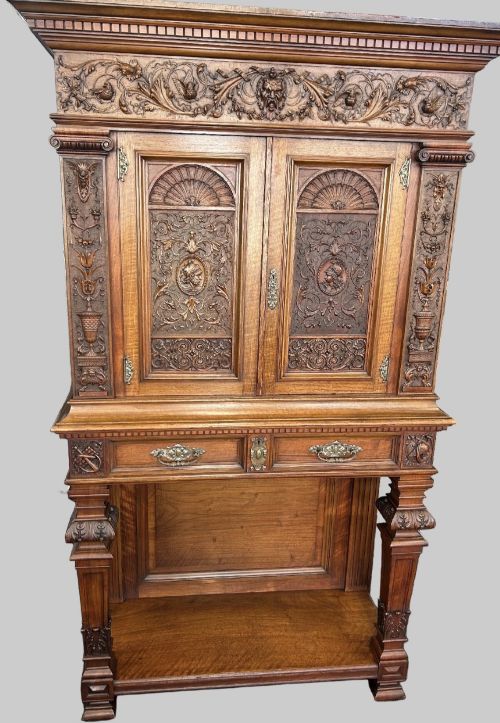
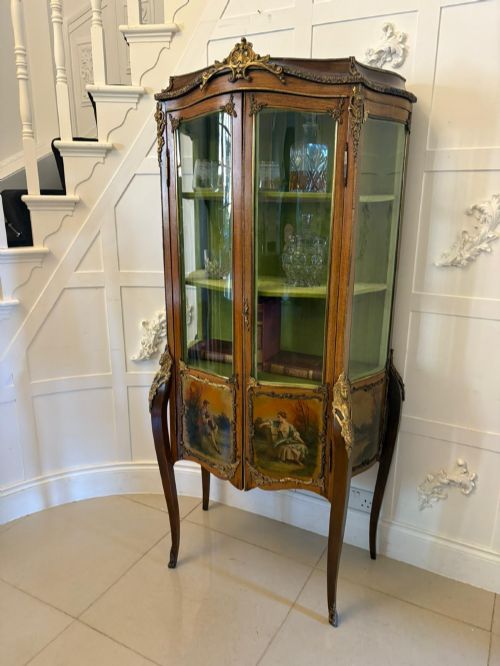
Victorian French Style Cabinet
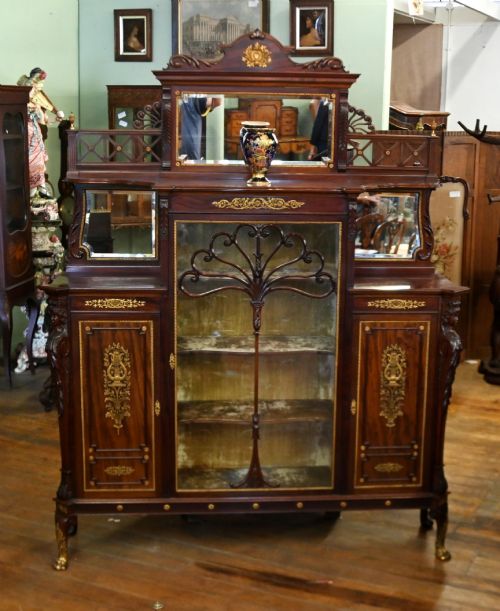
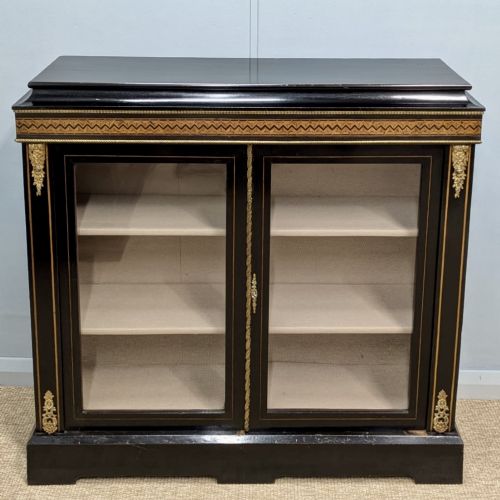
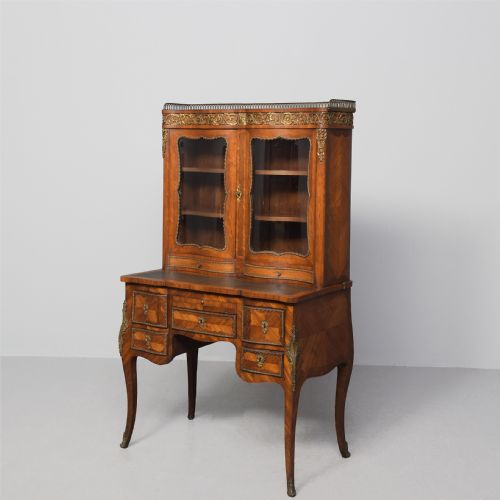
A victorian french style cabinet brings continental flair to British rooms through rich burr walnut, intricate marquetry, and gleaming ormolu mounts.
Victorian French Style Cabinet
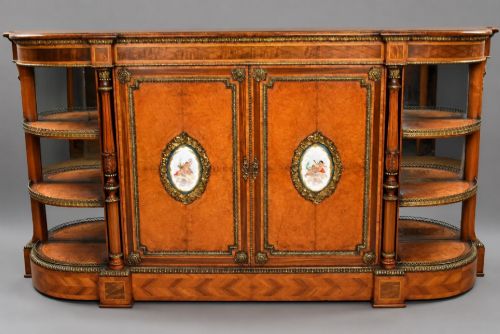
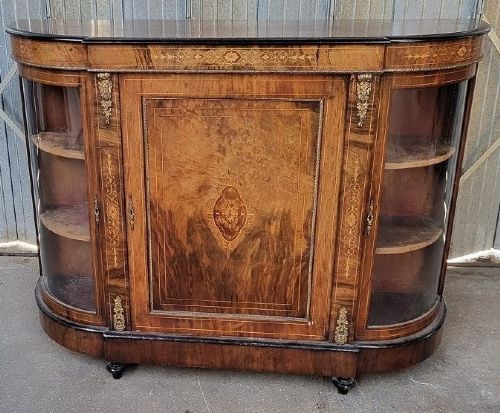
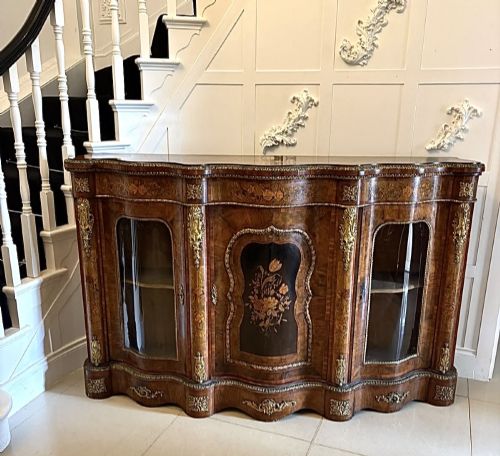
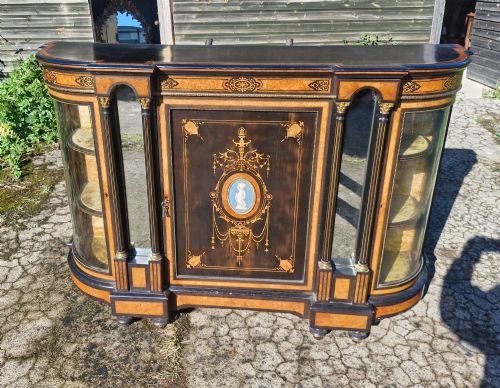
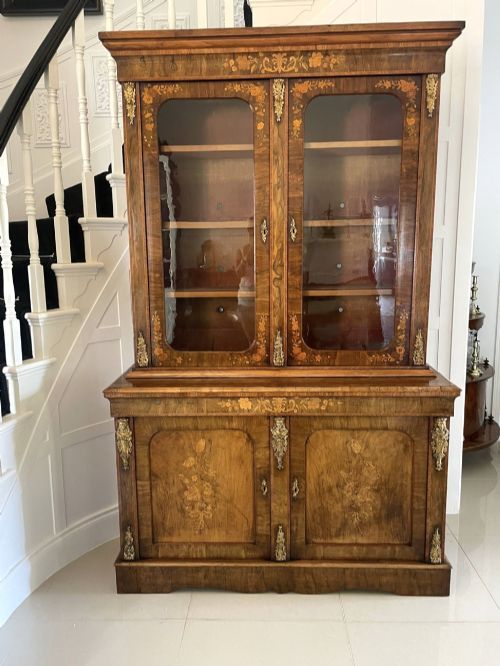
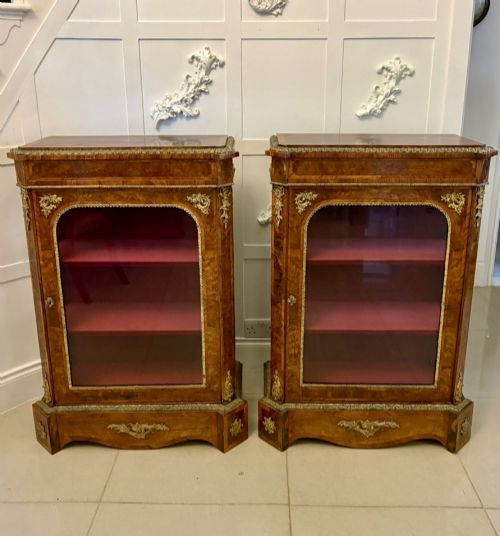
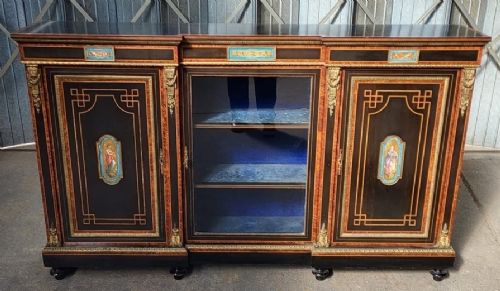
When you search for a victorian french style cabinet, you encounter a selection of nineteenth-century display furniture, credenzas, and pier cabinets produced during the Victorian era and drawing heavily on continental revivals.
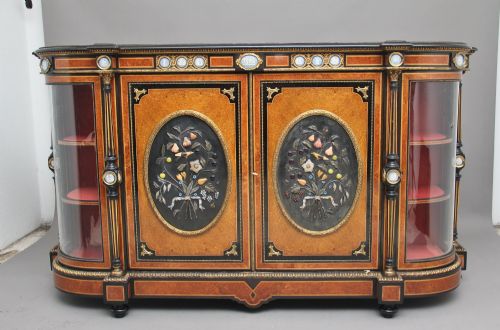
The objects span varied forms including serpentine credenzas, side cabinets, vitrines, and bedside tables, often showcasing nineteenth-century interpretations of Louis XV and Louis XVI aesthetics.
You meet pieces constructed from burr walnut, mahogany, and rosewood, frequently enriched with marquetry inlay and porcelain plaques that reflect sophisticated nineteenth-century tastes.
How they were made
Cabinetmakers constructed these pieces using dense hardwoods like walnut, kingwood, and rosewood as a base for elaborate floral marquetry and parquetry patterns.
Gilded bronze or ormolu mounts punctuate the timber frames, alongside inset porcelain plaques and marble tops that provide a contrasting tactile surface.
Glass panels feature in display cabinets and vitrines, while internal brass and wood fittings complete the functional storage spaces of credenzas and side cabinets.
Victorian French Style Cabinet Retail Price Guide 2026
Typical asking prices for victorian french style cabinet among the pieces listed under this phrase on Sellingantiques today, from the lower quarter to the upper quarter. They describe what is for sale here now, not the wider market.
What varies in quality
The distinction between standard examples and exhibition quality pieces rests upon the precision of the marquetry and the weight and chasing of the ormolu mounts.
Finer items incorporate high-grade timbers such as amboyna and satinwood alongside hand-painted Sevres porcelain plaques rather than simpler inlaid motifs.
Construction methods and timber selection determine structural integrity, with superior examples exhibiting refined serpentine shaping and balanced proportions.
Gabriel Viardot·Gillows·Edward Holmes Baldock·Maison Gagneau·Blake
The Victorian French Style Cabinet Glossary
- Ormolu
- Gilded bronze used for decorative mounts and accents on nineteenth-century furniture. It provides a bright metallic contrast against dark woods like walnut and ebonised timber.
- Marquetry
- Decorative patterns formed by fitting together small pieces of veneered wood of different colours and grains. It frequently depicts floral or geometric designs across cabinet doors.
- Credenza
- A low-standing side cabinet or sideboard used for display and storage. Nineteenth-century versions often feature glazed central doors flanked by curved side compartments.
- Pier Cabinet
- A narrow display cabinet designed to fit against the wall space between windows. These pieces typically incorporate glass doors and velvet-lined interior shelving.
- Vitrine
- A glass-fronted display cabinet intended for the exhibition of porcelain and small objects. Many examples draw inspiration from French Louis XV and Louis XVI revival styles.
- Parquetry
- Geometric mosaic woodwork used for floors and cabinet surfaces. It relies on contrasting wood tiles to create repeating patterns.
Victorian French Style Cabinet: Frequently Asked Questions
What is a victorian french style cabinet?
These items are nineteenth-century storage and display pieces produced in Britain or France during the Victorian period, adopting continental revival designs like Louis XV and Rococo.
They combine rich timbers with decorative mounts and marquetry to serve as focal points in reception rooms.
Where were these cabinets placed originally?
Victorian homeowners positioned credenzas and side cabinets against principal walls in dining rooms and drawing rooms to display porcelain and silver.
Smaller pier cabinets fitted into narrow wall spaces between windows, while bedside tables served private chambers.
How do I care for burr walnut furniture?
Protect antique wood from direct sunlight and steady humidity levels to prevent timber splitting and veneer lifting across curved surfaces.
Apply gentle beeswax occasionally and buff with a soft cloth rather than using modern liquid silicones.
How can I date a nineteenth century cabinet?
Examine the secondary woods inside the carcass, the construction of drawer linings, and the style of the brass hardware and ormolu mounts.
Revival pieces often reflect specific decades within the nineteenth century, such as 1860 or 1880, through distinct marquetry patterns and wood choices like amboyna or satinwood.