
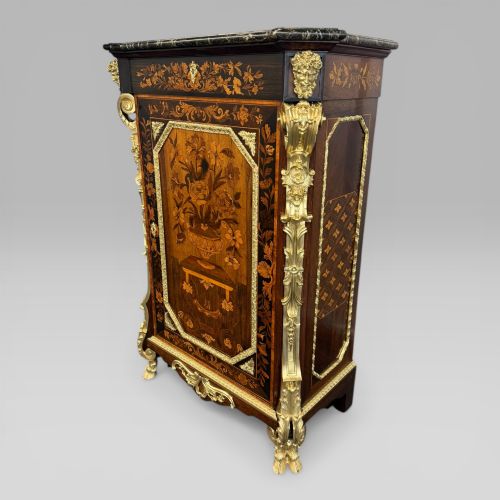

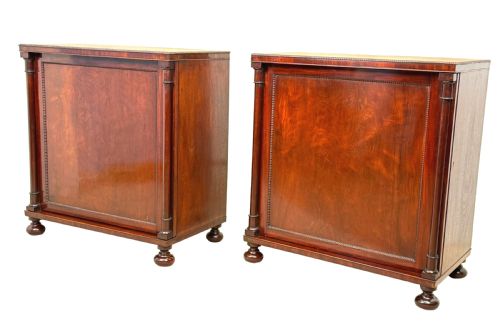


Dark Wood Pier Cabinet
These dark wood pier cabinet examples offer tall, narrow proportions designed for tight wall spaces between windows, combining display space with refined period craftsmanship.
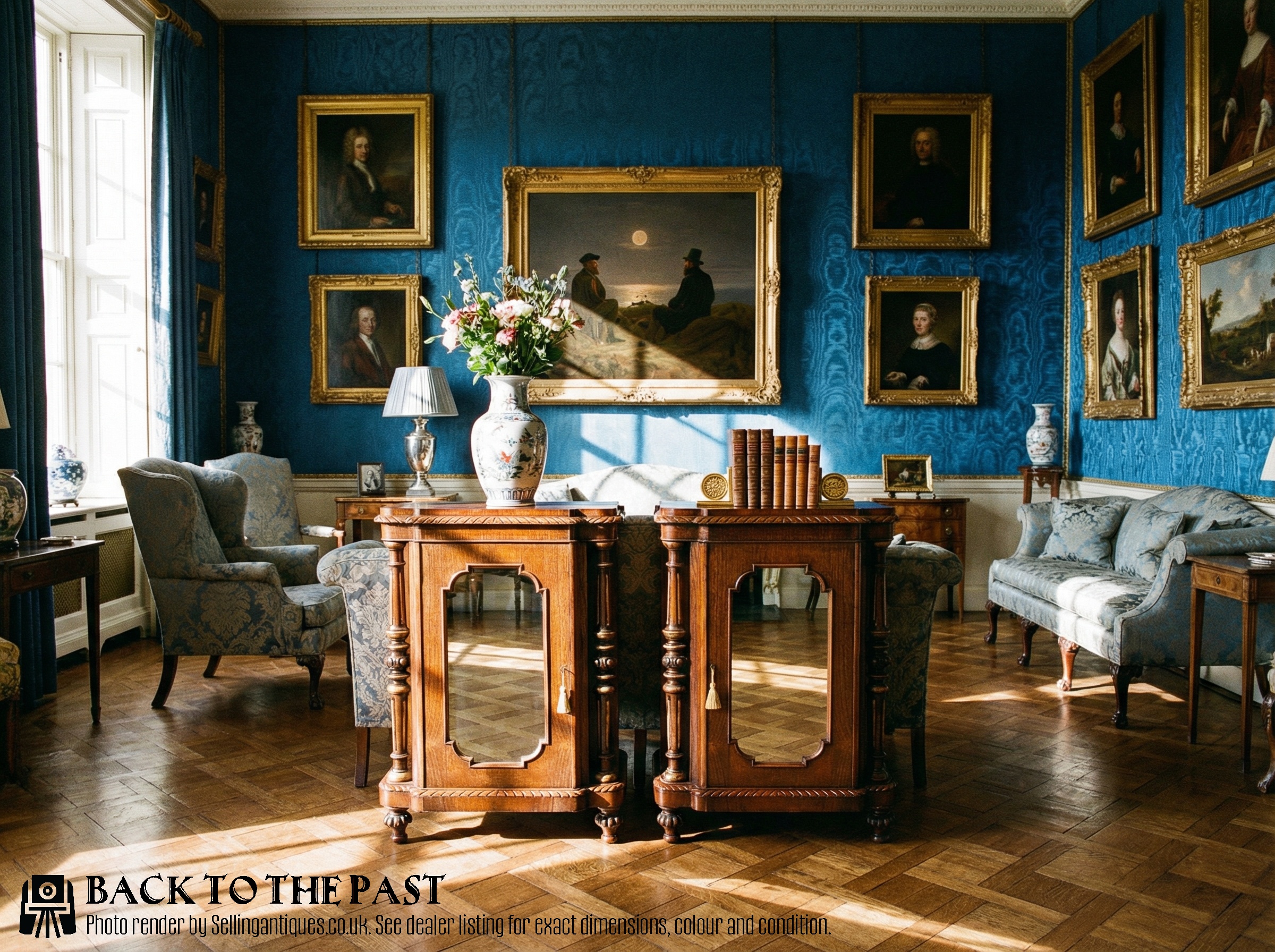
Dark Wood Pier Cabinet
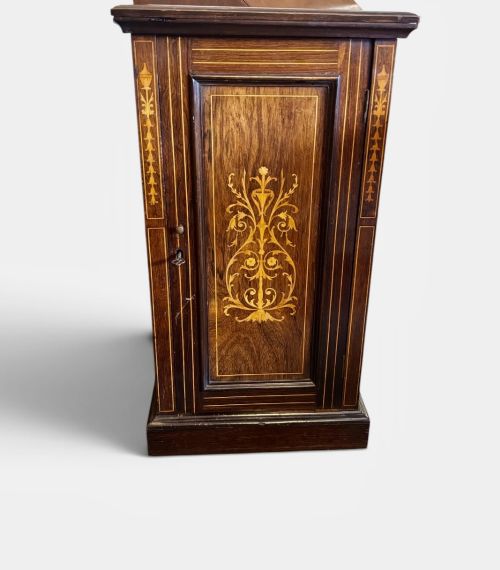
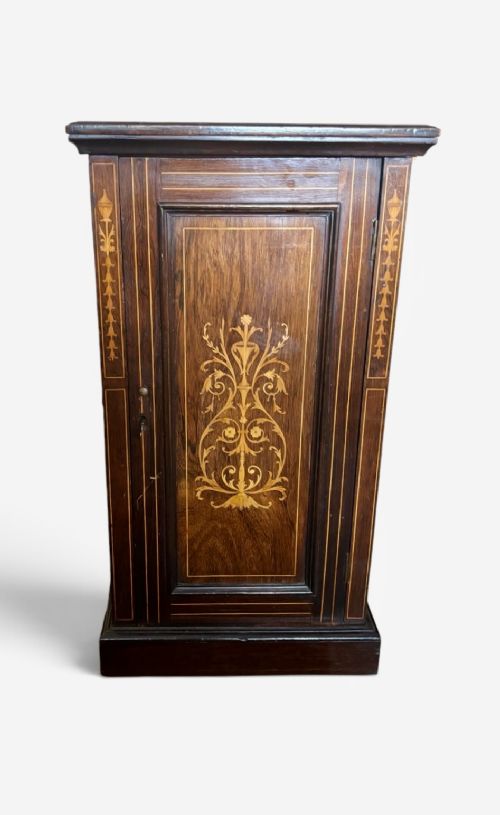
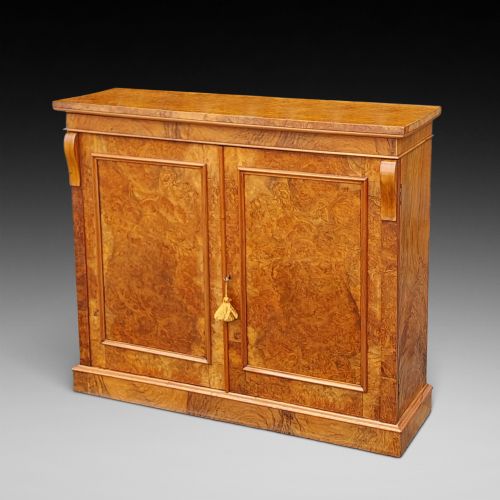
A dark wood pier cabinet stands as a narrow display or storage piece built to fit the wall space directly between tall windows in formal rooms. The selection includes tall narrow rosewood pieces, burr walnut salon cabinets, and mahogany examples dating through the nineteenth century.
Makers designed these items to showcase decorative objects while anchoring the lower wall beneath architectural mirrors. The versions encountered most frequently on this page belong to the Victorian and Regency periods, utilising rich timbers with inlaid details.
How they were made
Cabinet makers utilised dense hardwoods including rosewood, mahogany, and burr walnut as the primary structural foundations. Artisans applied boxwood and satinwood inlay alongside brass stringing to create geometric or floral patterns across the timber surfaces.
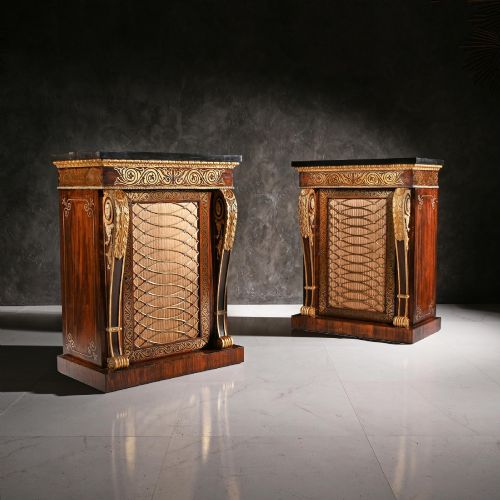
Many examples incorporate glazed doors, fossil marble tops, and cast or chased ormolu mounts. Workshops joined these varied materials using period joinery techniques suited to narrow upright furniture forms.
Fossil marble tops bring ancient prehistoric marine remains straight into the nineteenth-century drawing room.
What varies in quality
The sophistication of the marquetry and the choice of timber figure determine the relative standing of individual items. Finely figured burr walnut and intricate boxwood inlay indicate higher workshop standards than plain veneer surfaces.
The integration of heavy brass mounts, glazed panels, and cast ormolu details separates standard utility pieces from exhibition examples. Well executed timber selection and precise cabinet construction sustain structural integrity over centuries.
Louis Constantin Le Gaigneur·Edward Holmes Baldock
The Dark Wood Pier Cabinet Glossary
- Pier cabinet
- A narrow cabinet designed specifically for placement against the wall space between tall windows. These pieces usually feature a single glazed or panelled door.
- Marquetry
- Decorative veneer work forming pictures or geometric patterns by fitting together small pieces of wood, boxwood, and other materials. Artisans applied this technique to cabinet doors and friezes.
- Ormolu
- Gilded bronze mounts and decorative trimmings applied to furniture surfaces. Workshops used these metallic accents to highlight corners, keyhole surrounds, and borders.
- Burr walnut
- Timber taken from the warted growths on walnut trees, yielding complex swirling grain patterns. Cabinet makers prized this figured wood for high status salon furniture.
Dark Wood Pier Cabinet: Frequently Asked Questions
Where did these cabinets go in a room?
These cabinets fit neatly into the narrow wall sections situated between large sash windows. This placement made effective use of awkward architectural gaps while reflecting light from surrounding glass.
Rooms of the nineteenth century utilised this arrangement to display porcelain, small bronzes, and curated collections without obstructing pathways.
How do I identify a Victorian pier cabinet?
Victorian examples typically display dark timbers such as rosewood or burr walnut paired with glazed doors and enclosed shelving. Many incorporate satinwood inlay or brass stringing across the front.
Dates cluster around the middle of the nineteenth century, often showing revival styles that draw upon earlier Regency and French design vocabulary.
What is the difference between a pier cabinet and a side cabinet?
A pier cabinet is defined by its tall, narrow footprint built to occupy specific wall spaces between architectural openings. Side cabinets generally offer broader proportions suited to general wall placement.
Both forms utilise similar dark hardwoods and decorative inlays, but the pier cabinet prioritises vertical display over general surface area.
How should I care for rosewood furniture?
Maintain stable indoor humidity levels and keep timber surfaces away from direct sunlight to prevent the rosewood from drying or fading. Periodic dusting with a soft, dry cloth preserves the polished finish.
Avoid placing damp items directly onto marble tops or wood surfaces to protect the underlying polish and natural grain.