



Regency Pier Cabinet
A regency pier cabinet brings symmetry and rich timbers to a room, offering low display space designed to sit snugly between architectural windows.
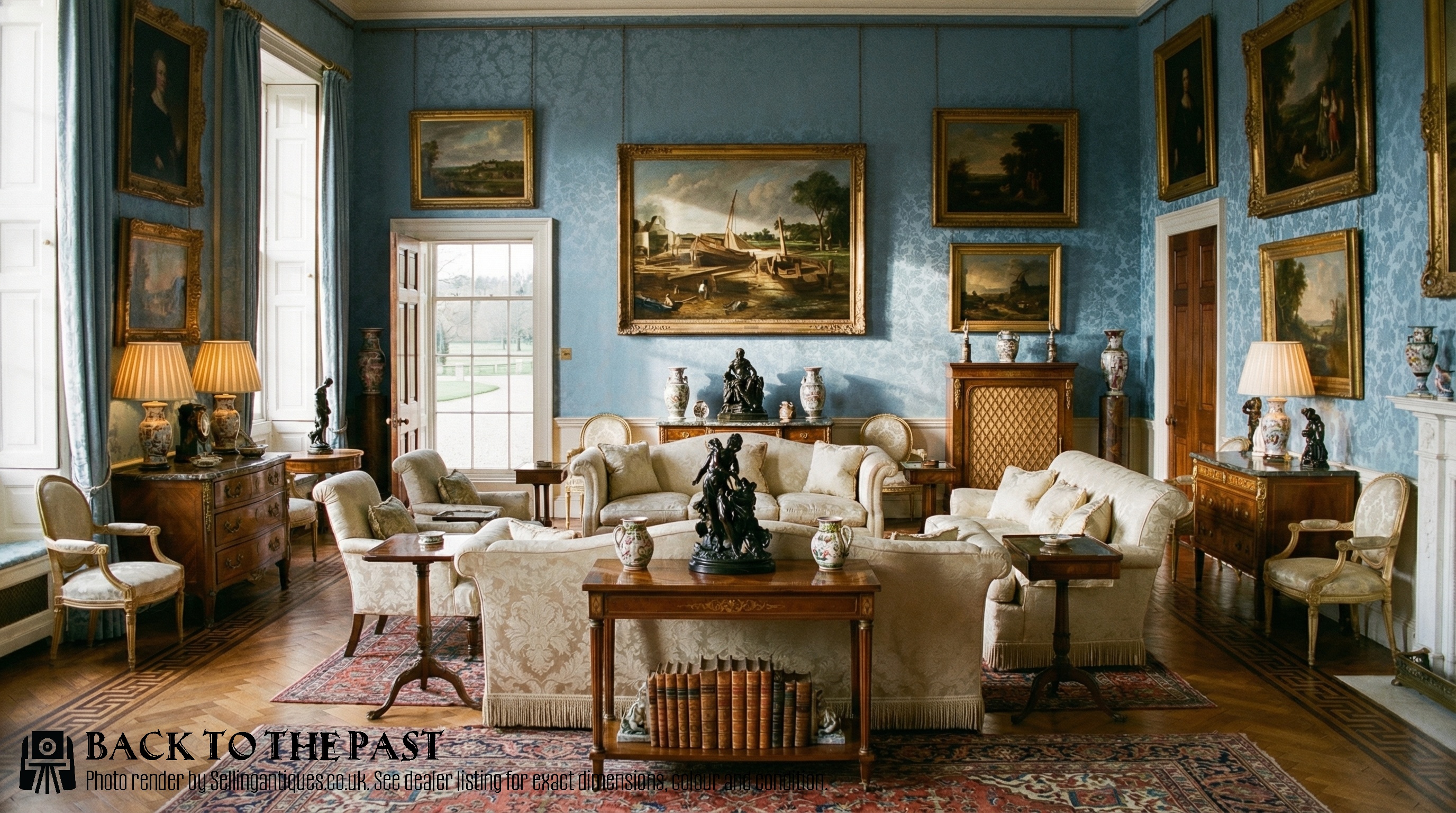
Regency Pier Cabinet
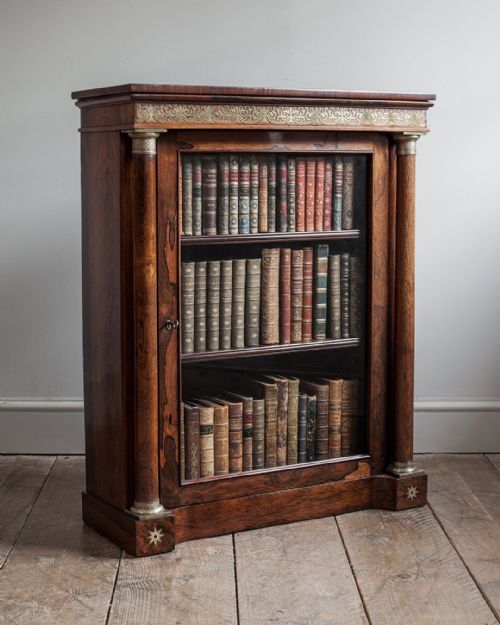
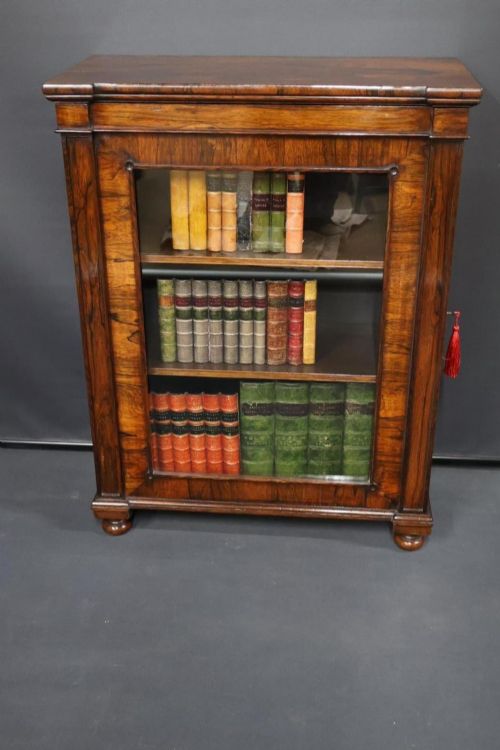
The regency pier cabinet is a low storage and display form designed for the narrow wall space between windows, emerging primarily in rosewood and mahogany. You will frequently encounter variations in rosewood, walnut, and mahogany, often paired with glazed doors or open shelving for books and ornaments.
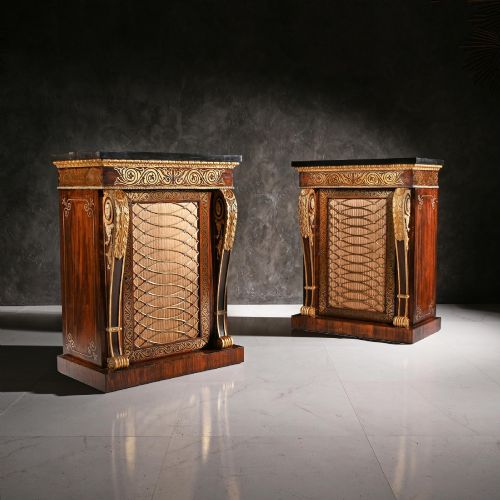
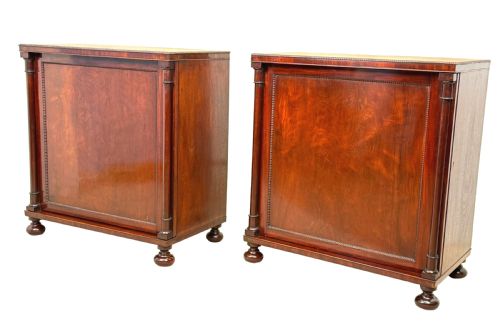
Evidence shows forms ranging from single cupboards to pairs, sometimes incorporating marble tops, fabric linings, or mirrored backs. The selection spans the nineteenth century, touching upon William IV, George IV, and Victorian interpretations alongside strict regency pieces.
Alongside dedicated pier cabinets, you will find related side cabinets, pedestal cupboards, and chiffoniers fulfilling the same domestic function. These pieces combine utility with formal display, serving as practical surfaces beneath pier glasses or mirrors.
Materials and construction
Cabinet makers utilised dense exotic timbers such as rosewood, goncalo alves, and mahogany as the primary carcase materials, often highlighting the grain through polished finishes. Brass inlay, brass grilles, and boxwood stringing provide linear contrast against the dark timber surfaces.
Glazed doors, sometimes paired with fabric backing or interior shelving, protect the contents while maintaining visual lightness in a room. Structural details such as marble tops and reeded pilasters add weight and classical proportion to the design.
Several cabinets feature brass sphinx mounts, bringing an unexpected Napoleonic gaze to the domestic drawing room.
Distinguishing quality
Quality rests upon the selection of timber veneers and the precision of inlaid brass or boxwood work, where tight joints and crisp execution separate standard cabinet work from finer commissions. The integration of materials like white marble tops and cast brass mounts elevates the decorative ambition of individual pieces.
Proportion and the handling of architectural details, such as pilasters and grille work, determine the visual balance of the cabinet. Finer examples display disciplined symmetry and careful matching of wood figures across doors and panels.
Louis Constantin Le Gaigneur
The Regency Pier Cabinet Glossary
- Pier cabinet
- A low cabinet designed specifically for the wall space between windows. These pieces often feature glazed doors for the display of books or porcelain.
- Chiffonier
- A low sideboard or cabinet, frequently equipped with a shelf above or a marble top. They share domestic spaces with pier cabinets and offer similar enclosed storage.
- Brass grille
- A metal lattice fitted into cabinet doors in place of wood panels or glass. It allows ventilation while partially concealing the interior contents.
- Goncalo Alves
- A dense exotic hardwood with striking variegated figuring, utilised in select nineteenth-century cabinet making. Its distinct grain patterns provide a natural decorative surface.
Regency Pier Cabinet: Frequently Asked Questions
What is a regency pier cabinet used for?
These cabinets were built to occupy the narrow wall spaces between tall drawing-room windows, where they provided a stable surface for decorative objects. Inside, shelves held small books, ceramics, or curiosities protected behind glass or brass grilles.
They also served to anchor large pier mirrors hung above them, creating a unified focal point on the wall. Today, they function well in hallways or living rooms for similar display and compact storage purposes.
How do I distinguish regency from later revival styles?
Strict regency and George IV pieces date from the early nineteenth century, showing specific cabinet-making traits like hand-cut veneers and traditional joinery. Revival pieces from later in the nineteenth century or Edwardian periods often employ different secondary woods and mechanical assembly methods.
Examining the interior linings, backboards, and brasswork helps clarify the period of manufacture. Comparing the timber grain and the style of inlay against dated examples provides further guidance.
Can these cabinets support a heavy lamp?
Most pier cabinets are structurally solid, particularly those reinforced with marble tops or sturdy mahogany and rosewood carcases. They were originally designed to bear the weight of heavy vases, clocks, or bronzes.
However, delicate proportions and historical joinery mean one should consider the balance and weight distribution of modern electrical items. Standard table lamps fit comfortably on the surface provided the cabinet stands level on the floor.
Why do some cabinets have fabric behind the grille?
Fabric linings behind brass grilles served to conceal the contents of the cabinet while adding colour and texture to the piece. Silk or pleated materials were common choices in the nineteenth century for interior protection and display enhancement.
Many surviving cabinets retain fragments of these linings or have been re-covered to match contemporary interiors. The fabric choice often reflects the period taste of the room in which the cabinet stood.