
Antique Glazed Display Cupboard
An antique glazed display cupboard offers a refined threshold for treasured porcelain and glassware, bringing visible depth to a room through clear glass and timber.
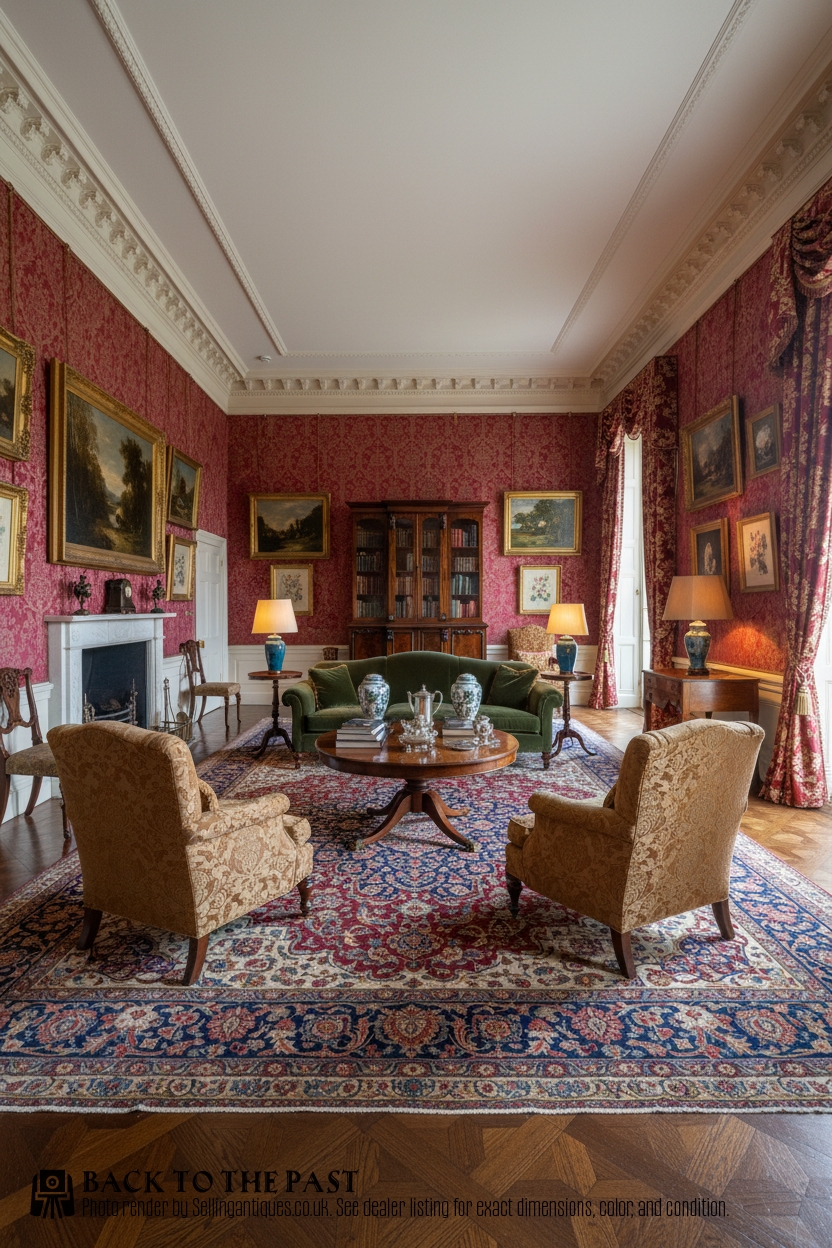
Forms and periods
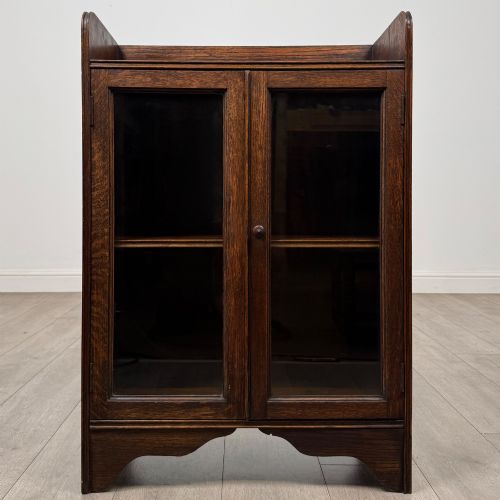
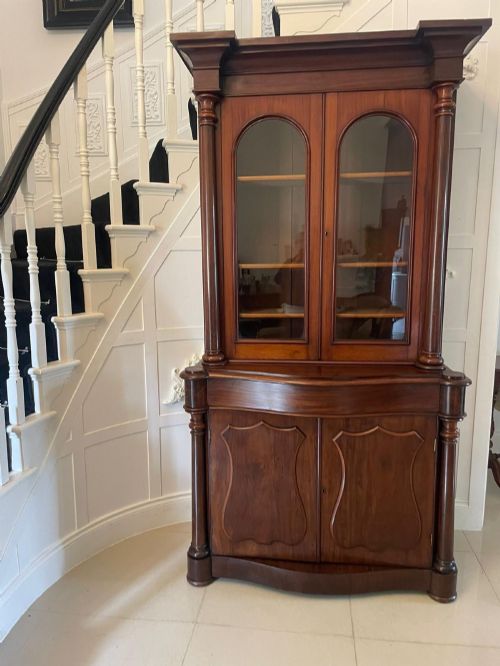
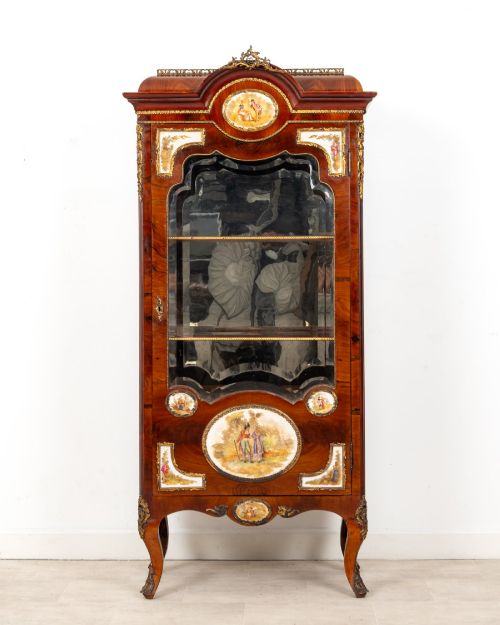
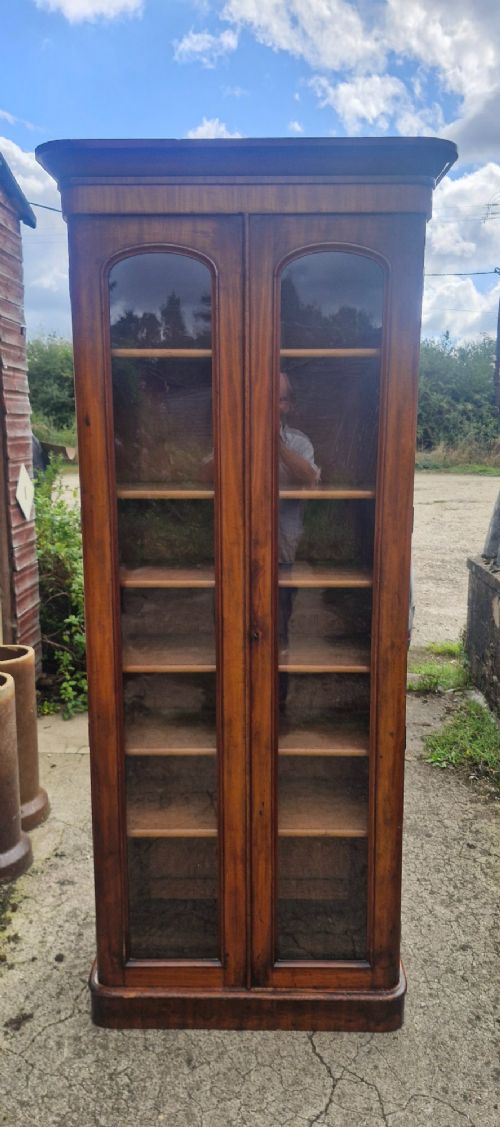
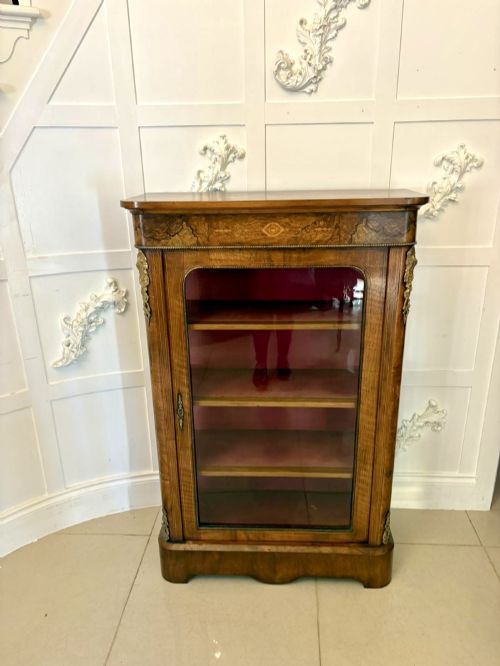
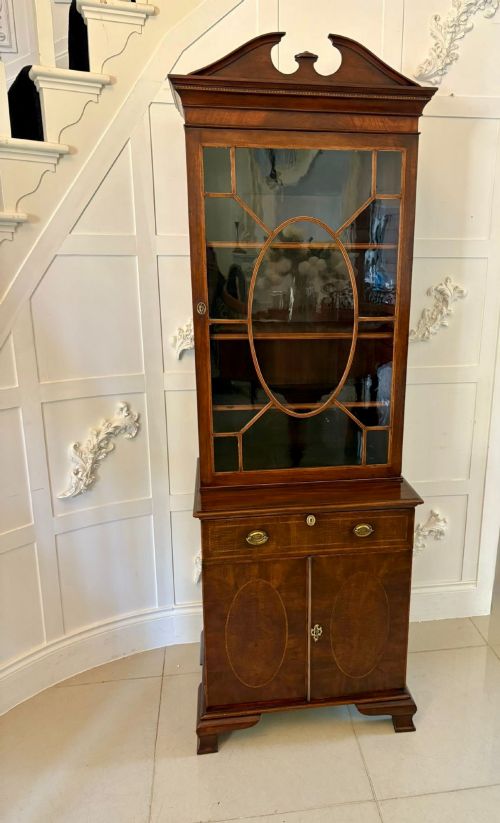
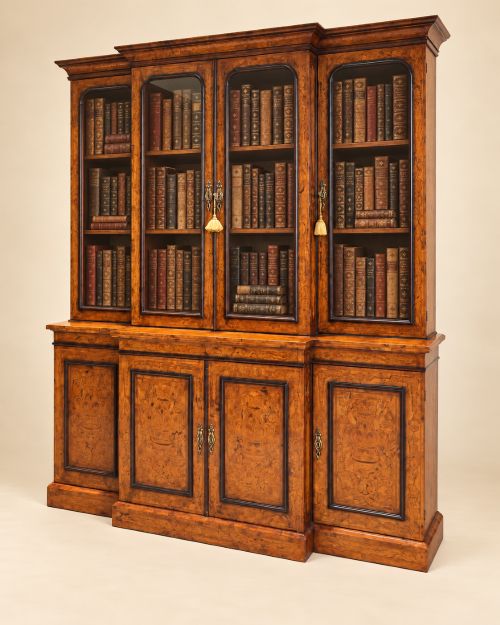
The antique glazed display cupboard covers a broad family of storage pieces, from tall breakfront bookcases and standing pier cabinets to compact corner units designed to hang upon a wall or fit neatly into a room juncture.
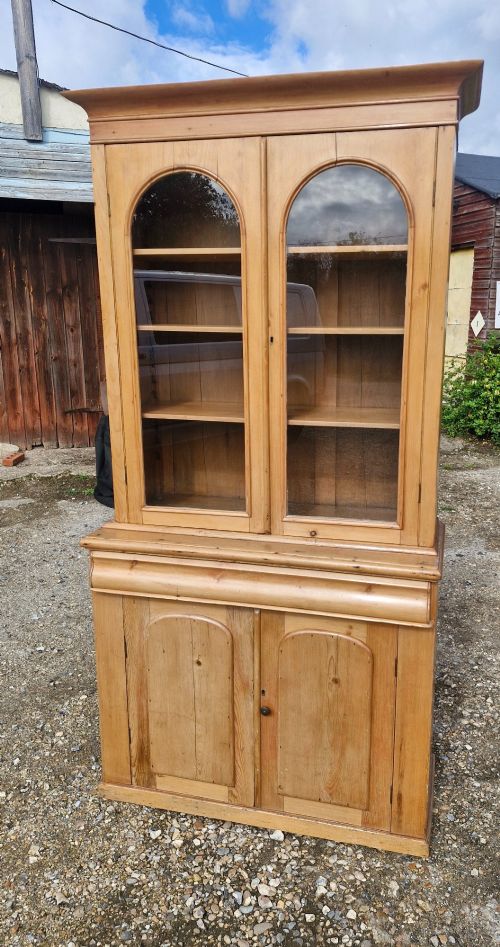
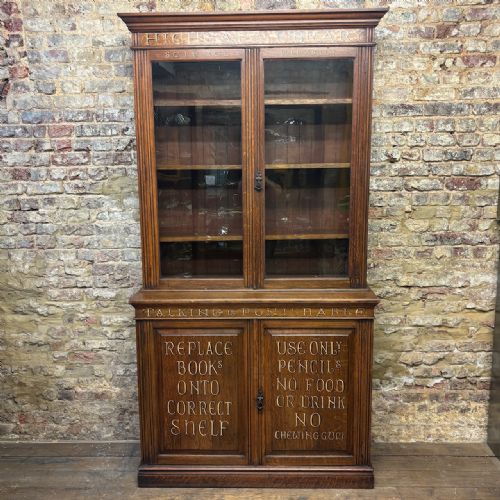
Victorian examples dominate the selection, frequently realised in burr walnut, flame mahogany, or mellow oak, often mounted with brass and fitted with adjustable interior shelving.
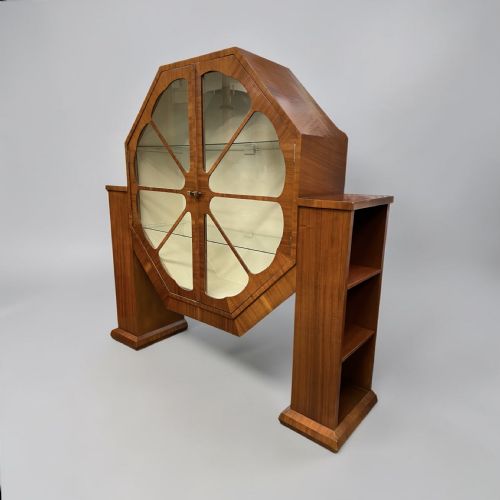
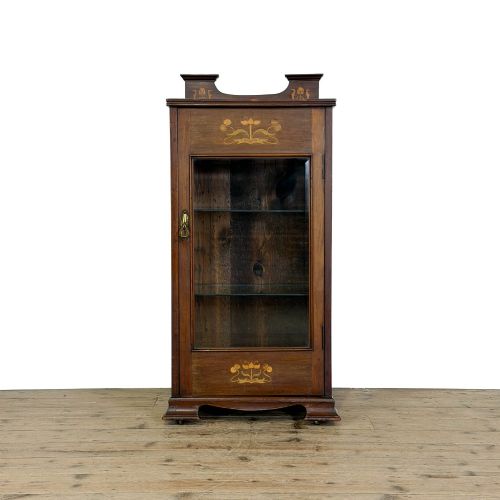
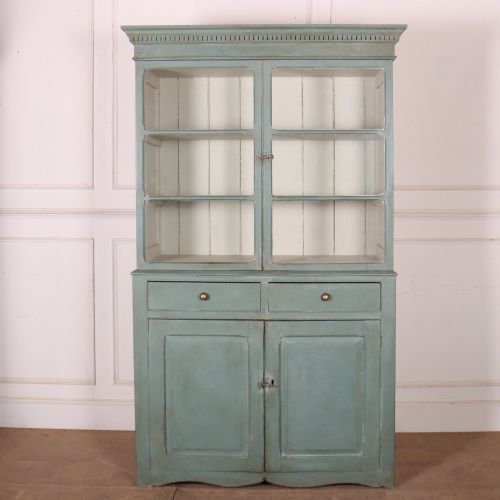
Earlier Georgian and eighteenth-century pieces appear alongside Edwardian marquetry-inlaid variations, Dutch painted vitrines, and Queen Anne styles, showing how cabinetmakers adapted glass fronts for domestic display across multiple eras.
Materials and construction
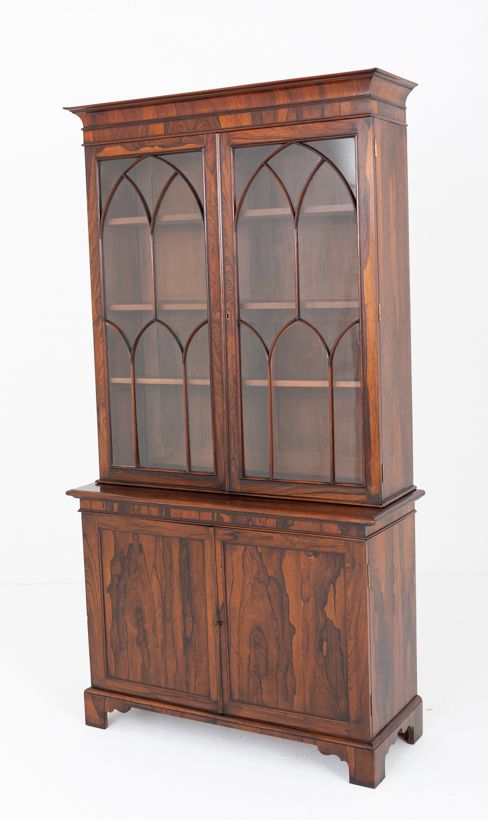
Timbers span native oak and mahogany alongside rich decorative veneers such as burr walnut and rosewood, matched with brass hardware, ormolu mounts, and painted surfaces.
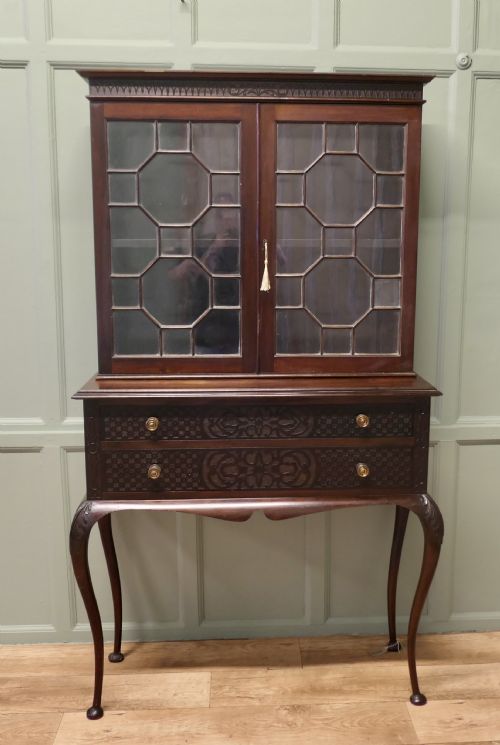
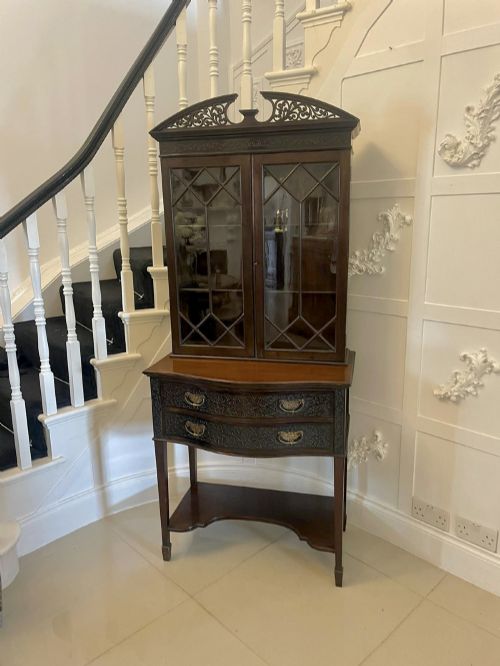
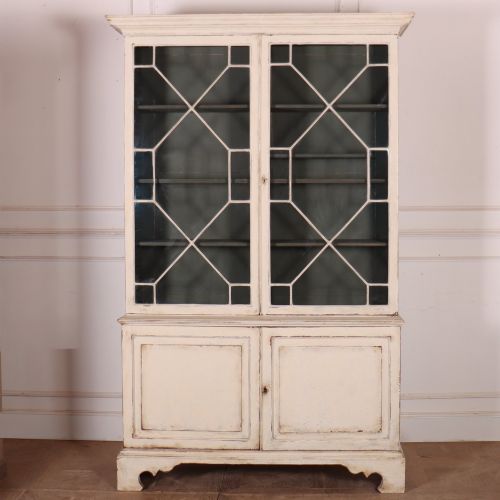
Glazing takes multiple forms, from single expansive panes to intricate astragal bars dividing the glass, housing books, ceramics, and personal collections securely behind transparent barriers.
Retail Price Guide 2026
Typical UK retail prices for glazed display cupboard, calculated from the Sellingantiques database of over a million retail prices indexed since 2003. This retail price guide relies exclusively on Sellingantiques data; no external sources or auction records are used, so the figures do not describe the wider market.
The archive and current selection span walnut, mahogany, oak, and painted wood, alongside glass, brass, and ormolu.
Judging construction and finish
Quality rests upon the selection of timber veneers, the precision of inlay work, and the structural integrity of the timber framing supporting heavy glass doors.
Finer examples reveal considered proportion, harmonious grain matching across large surfaces, and well-executed brass mounts or delicate astragal glazing bars that maintain structural strength without visual bulk.
The Antique Glazed Display Cupboard Glossary
- Astragal
- Timber or metal mouldings that divide panes of glass within a door or window frame. These bars create geometric patterns across the front of the cabinet.
- Breakfront
- A piece of furniture where the central section projects forward from the flanking wings. This architectural arrangement adds depth and shadow to large bookcases.
- Ormolu
- Gilded bronze mounts applied to furniture for decorative effect, often seen on Victorian walnut pieces. The technique provides a metallic contrast to dark timber.
- Pier cabinet
- A low freestanding cabinet designed to fit against the wall space between windows. They frequently feature glazed doors and fitted shelves for ornaments.
Frequently Asked Questions
What fits inside these cupboards?
These cabinets suit books, ceramics, glassware, and small ornaments where visibility matters.
Adjustable shelving allows the interior layout to adapt to taller volumes or delicate porcelain collections.
How do I spot a Victorian piece?
Victorian examples frequently employ dense timbers like burr walnut, mahogany, and rosewood, often enhanced with brass hardware or ormolu mounts.
Heavier construction and adjustable shelving systems inside point directly towards nineteenth-century production standards.
Are corner cabinets practical?
Corner units maximise unused room angles by utilising wall space efficiently while providing a glazed viewing area.
They exist in both hanging wall formats and tall standing two-piece heights.
What is an astragal glazed door?
Astragal glazing involves wooden bars intersecting across the glass panel to form smaller individual panes.
This technique supports the glass securely while introducing decorative geometry to the cabinet front.