


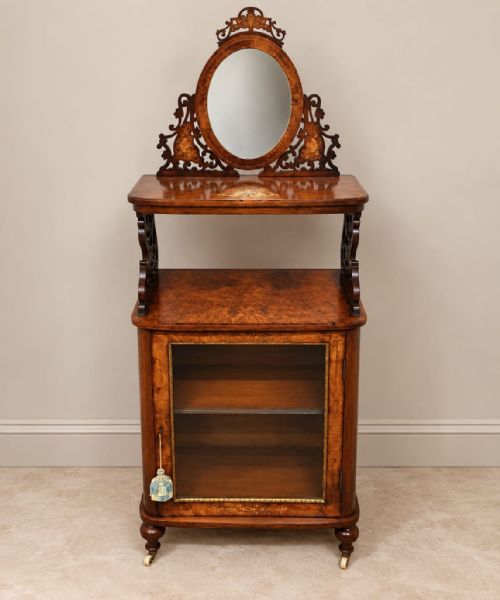
Wooden Display Cabinet
These wooden display cabinet examples bring together glass and timber to hold treasured objects, spanning periods from the Victorian era to the 1930s.
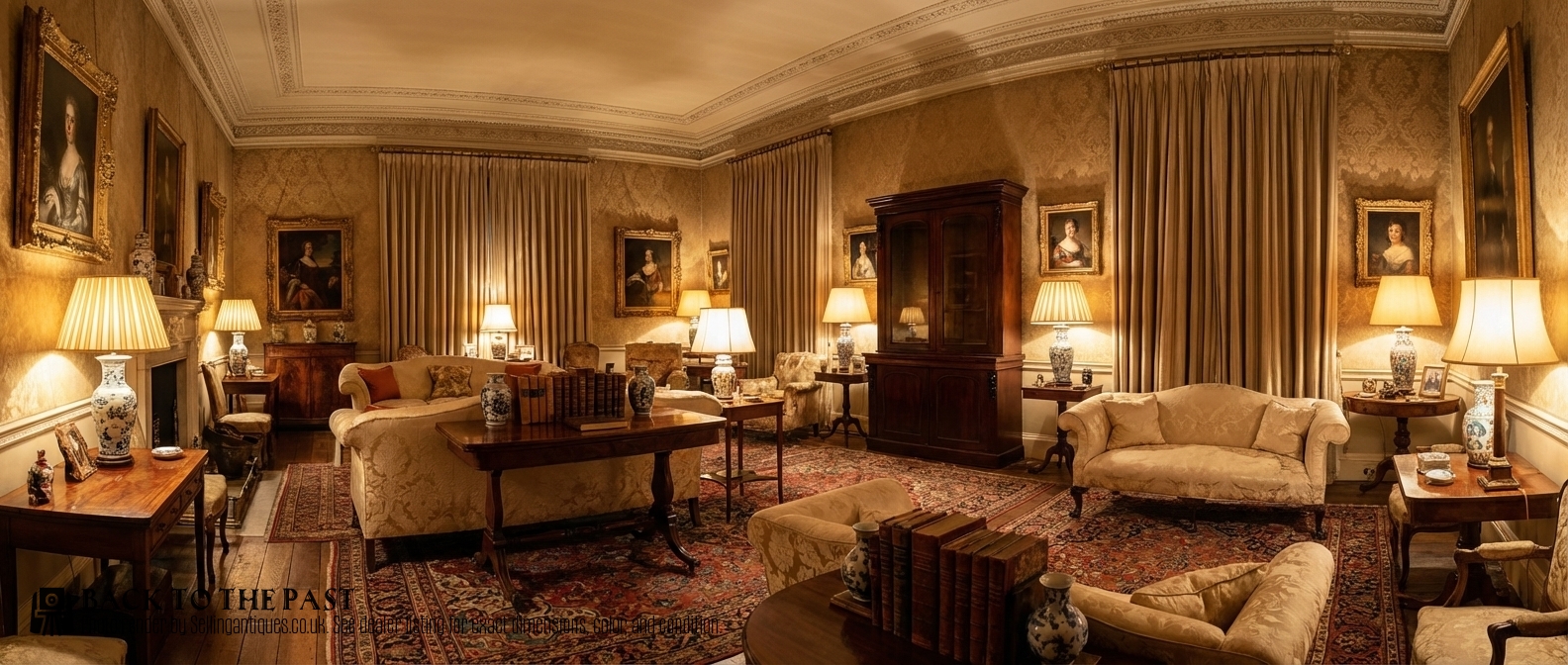
Wooden Display Cabinet
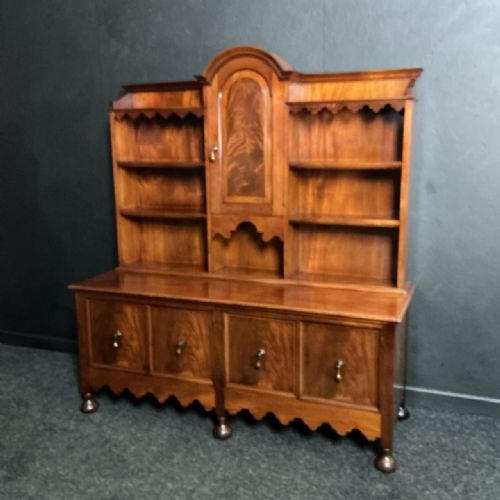
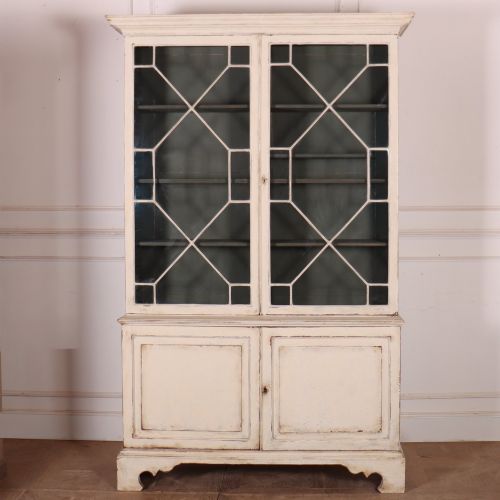
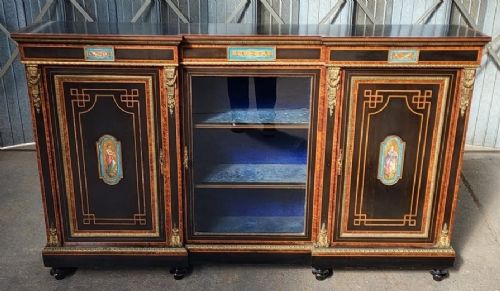
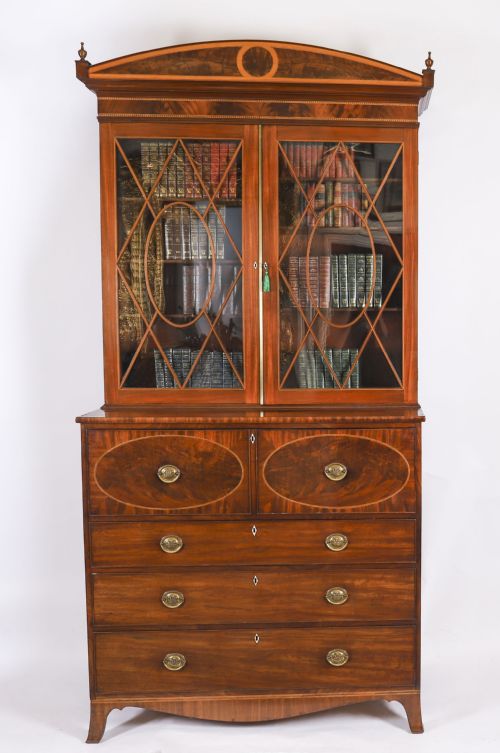
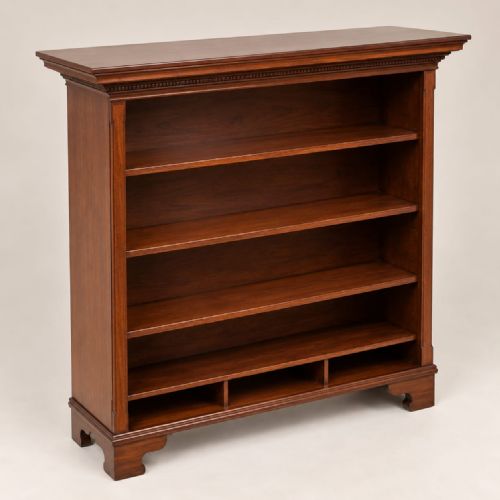
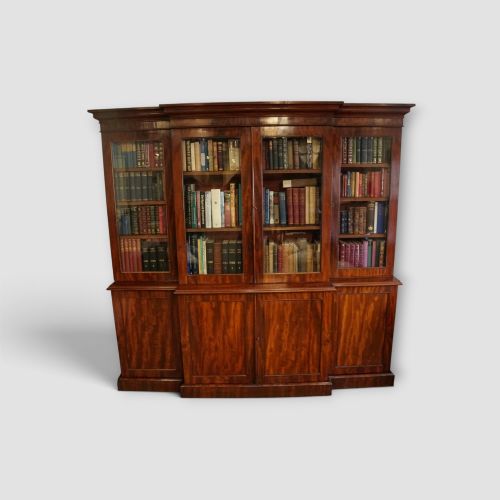
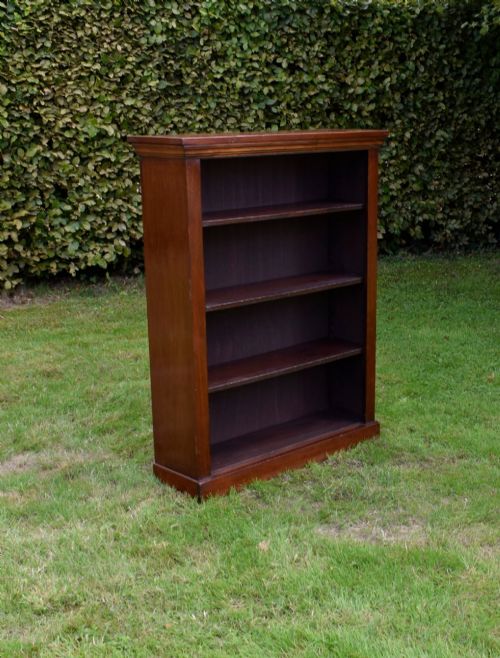
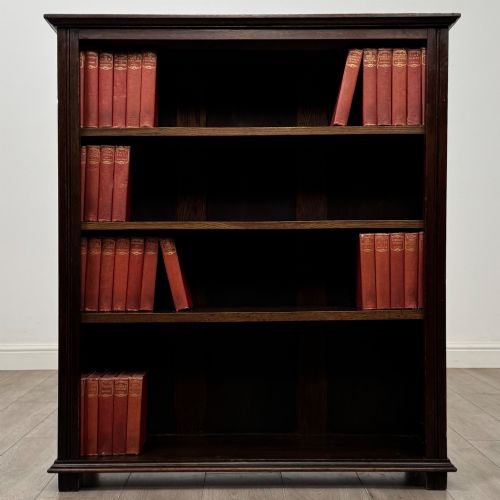
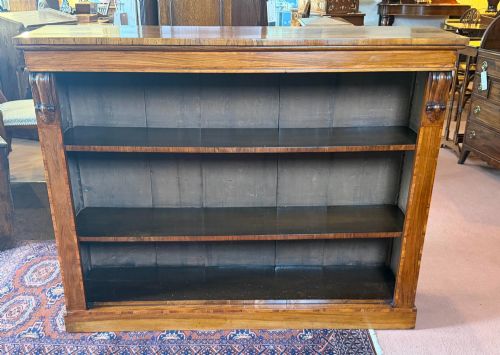
When searching for a wooden display cabinet, collectors encounter a diverse group of furniture forms that bridge utilitarian storage and formal presentation. The selection spans open bookcases, glazed double bookcases, breakfront bookcases, and side cabinets designed to showcase contents safely.
The pieces appearing most frequently originate from the Victorian and Edwardian periods, alongside examples from the nineteenth century, nineteen hundred, and nineteen thirty. These range from substantial mahogany breakfronts to compact oak and pine open shelves.
Makers and workshops across Britain and continental Europe utilised varied regional styles, including Georgian, Regency, Arts and Crafts, and Art Deco. Buyers will also find specialised items such as shop counters and wall-mounted display boxes within the broader category.
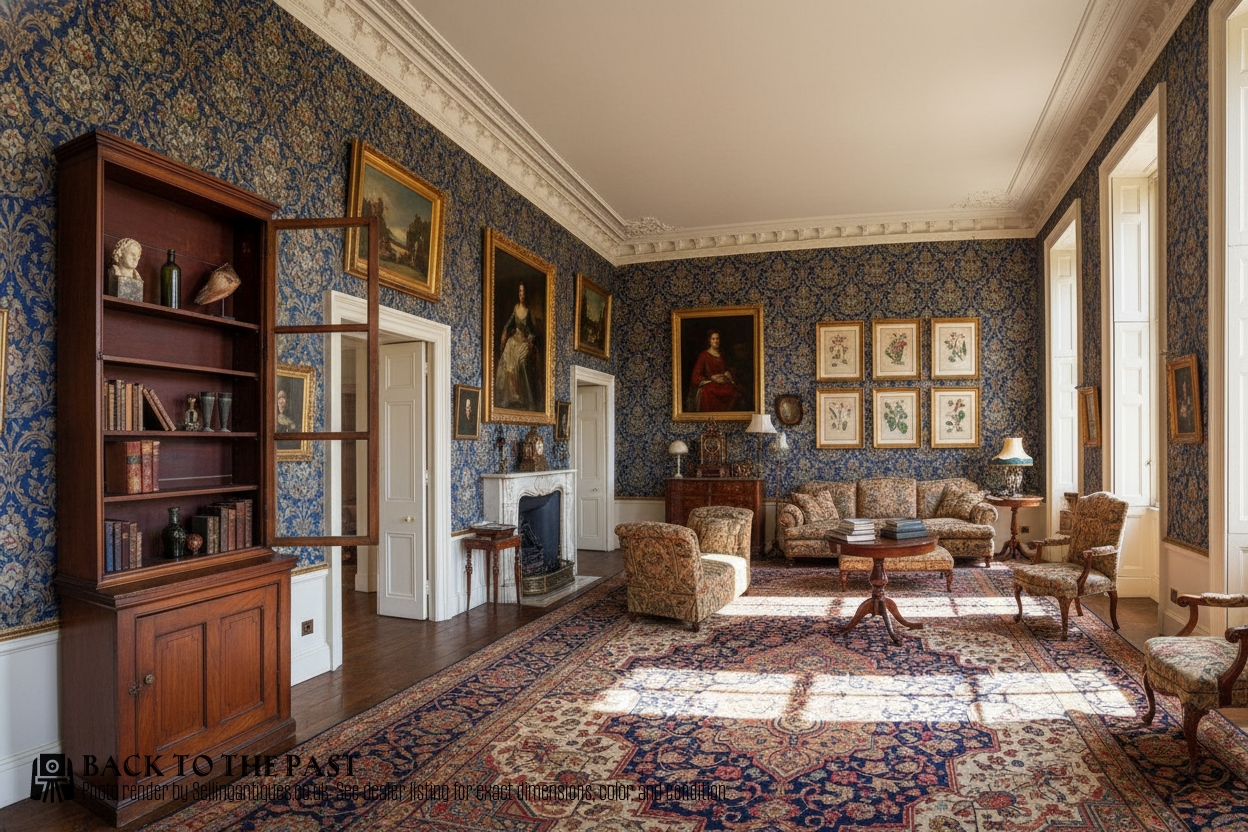
How they were made
Cabinet makers built these pieces using dense hardwoods like mahogany, flame mahogany, walnut, burr walnut, rosewood, and satinwood, alongside more rustic or utilitarian timbers such as oak, pine, and ash. Structural elements frequently incorporated secondary woods, while glass panels protected the contents from dust.
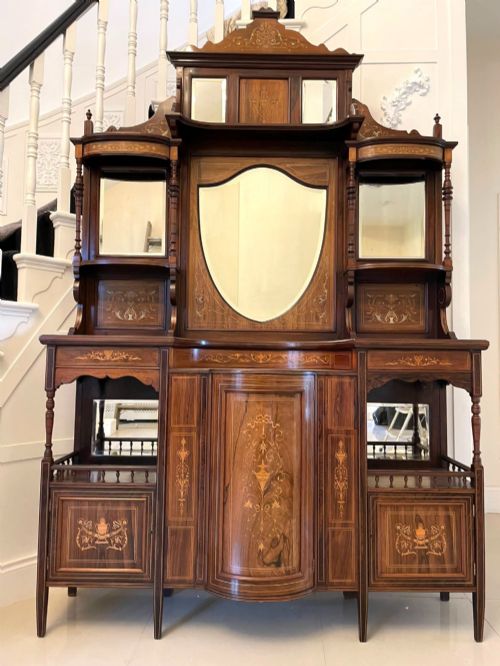
Decoration relied heavily on natural grain patterns, contrasting stringing, marquetry inlay, and carved wooden motifs. Metal components typically included brass handles, hinges, and occasional brass castors for mobility on larger floor-standing pieces.
Listings feature mahogany, oak, walnut, pine, and ash, demonstrating how cabinet makers selected timbers for both formal display and everyday utility.
What varies in quality
Quality in these cabinets is determined by the selection of timber veneers, such as flame mahogany or burr walnut, and the precision of the marquetry and inlay work. Superior items exhibit careful matching of grain patterns across large surfaces like doors and drawer fronts.
Construction methods also separate standard production from finer workshop output, evident in the tightness of the joinery, the clarity of the original glass, and the refinement of brass mounts and hardware.
Heals
The Wooden Display Cabinet Glossary
- Breakfront
- A large piece of furniture where the central section projects forward from the flanking outer sections. This layout creates depth and visual rhythm across expansive bookcase facades.
- Waterfall bookcase
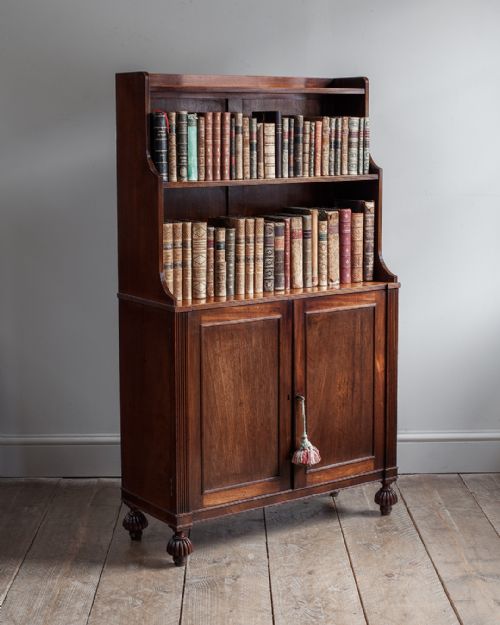
- A set of open shelves where the sides step back in a downward slope resembling a cascade. This form gained popularity during the Regency and Victorian periods.
- Vitrine
- A glass-fronted cabinet designed specifically for displaying porcelain, curiosities, or decorative objects. These often feature glazed sides to maximise light penetration.
- Ormolu
- Gilded bronze mounts applied as decorative ornaments to furniture surfaces. They appear on select Victorian and continental pieces.
- Secessionist
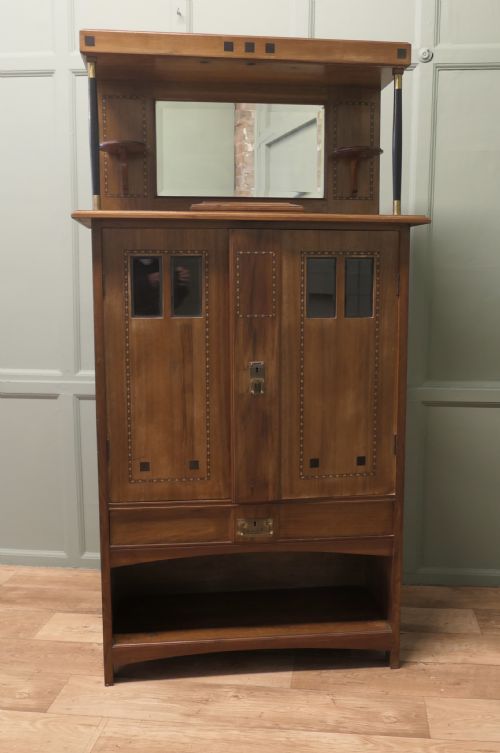
- A stylistic movement related to Art Nouveau that favoured geometric lines and simplified forms. Pieces from this movement often display restrained ornament.
Wooden Display Cabinet: Frequently Asked Questions
How do I date a wooden display cabinet?
Dating relies on identifying timber choices, construction techniques, and stylistic markers associated with specific eras like the Victorian or Edwardian periods. Secondary woods and hardware styles also offer reliable clues to the decade of manufacture.
Examining the backboards, drawer dovetails, and glass manufacture helps confirm whether a piece belongs to the nineteenth or twentieth century.
Where were these cabinets placed in a home?
Historically, glazed cabinets and bookcases stood in libraries, drawing rooms, and formal parlours to display leather-bound volumes and porcelain collections. Smaller open versions served domestic spaces for everyday reading.
Shop display cabinets and counter tops fulfilled commercial functions before entering the domestic market as collector's pieces.
Are all these cabinets made of solid wood?
Many fine pieces utilise solid frames combined with decorative veneers applied to stable pine or oak carcases. Figured timbers like flame mahogany and burr walnut appeared most effectively as sliced veneers.
Fully solid construction is more commonly found in utilitarian pieces such as pine dressers and oak open bookcases.
How should I care for antique wood and glass?
Maintenance involves keeping wooden surfaces away from direct sunlight and steady heat sources to prevent timber shrinkage and veneer lifting. Regular dusting with a dry cloth preserves the polished finish.
Glass panels require gentle cleaning with standard glass cleaner applied to a cloth rather than sprayed directly near wooden frames.