


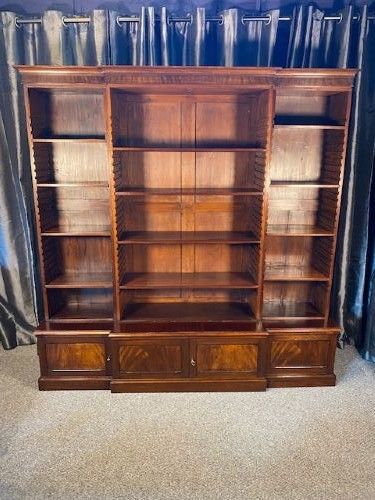
Victorian Cabinet with Shelves
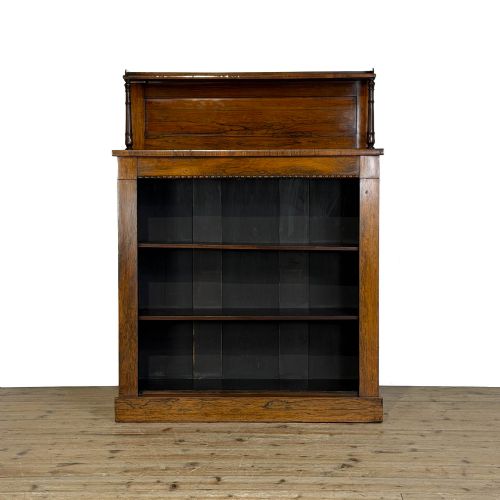
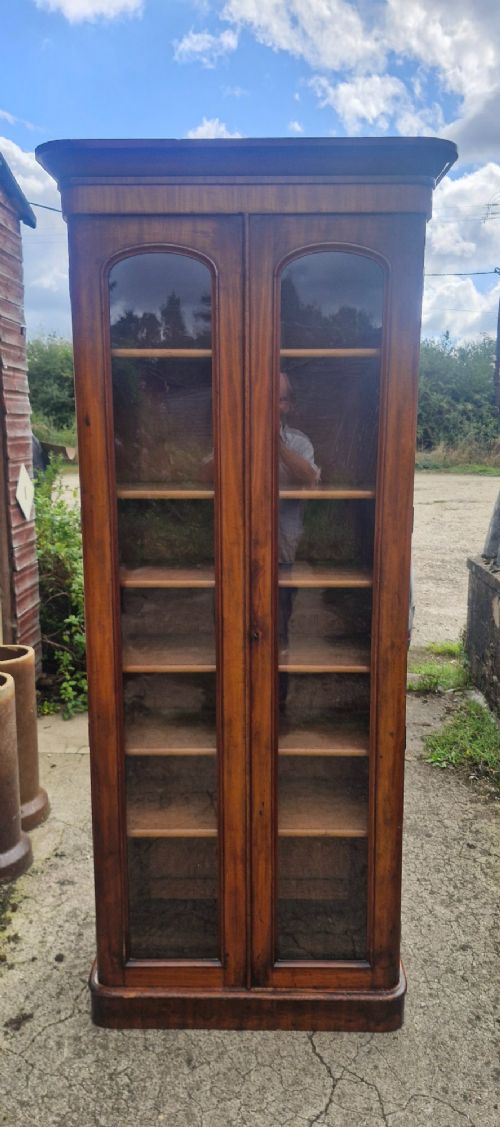
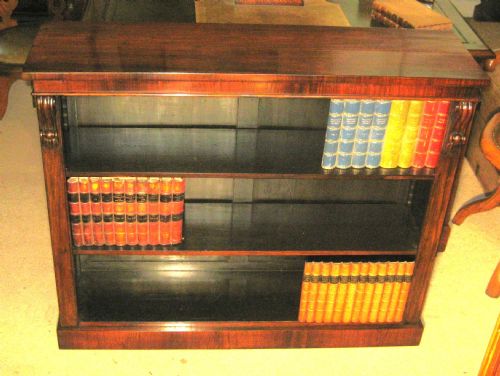
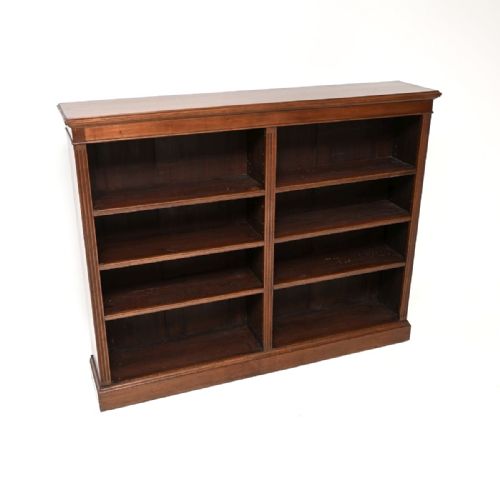
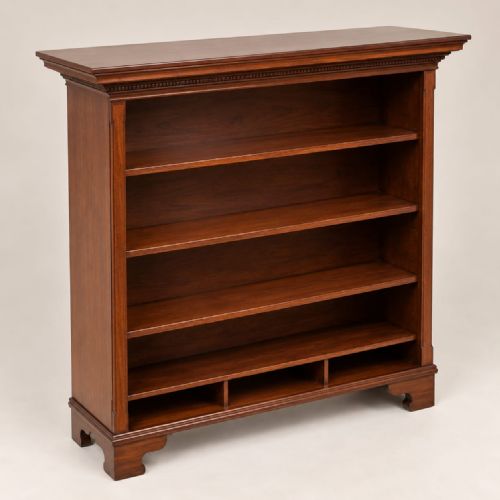
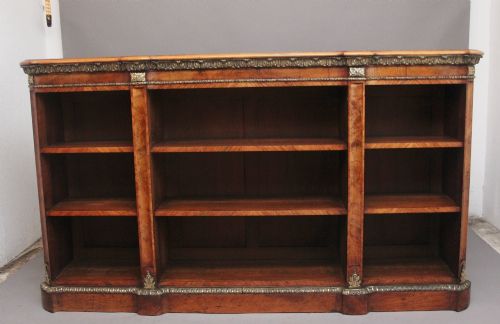
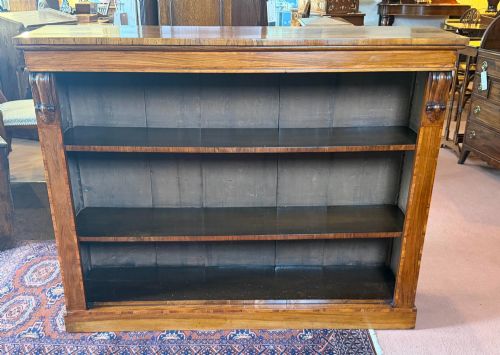
A victorian cabinet with shelves offers practical storage combined with nineteenth-century craftsmanship, providing a traditional home for books and display.
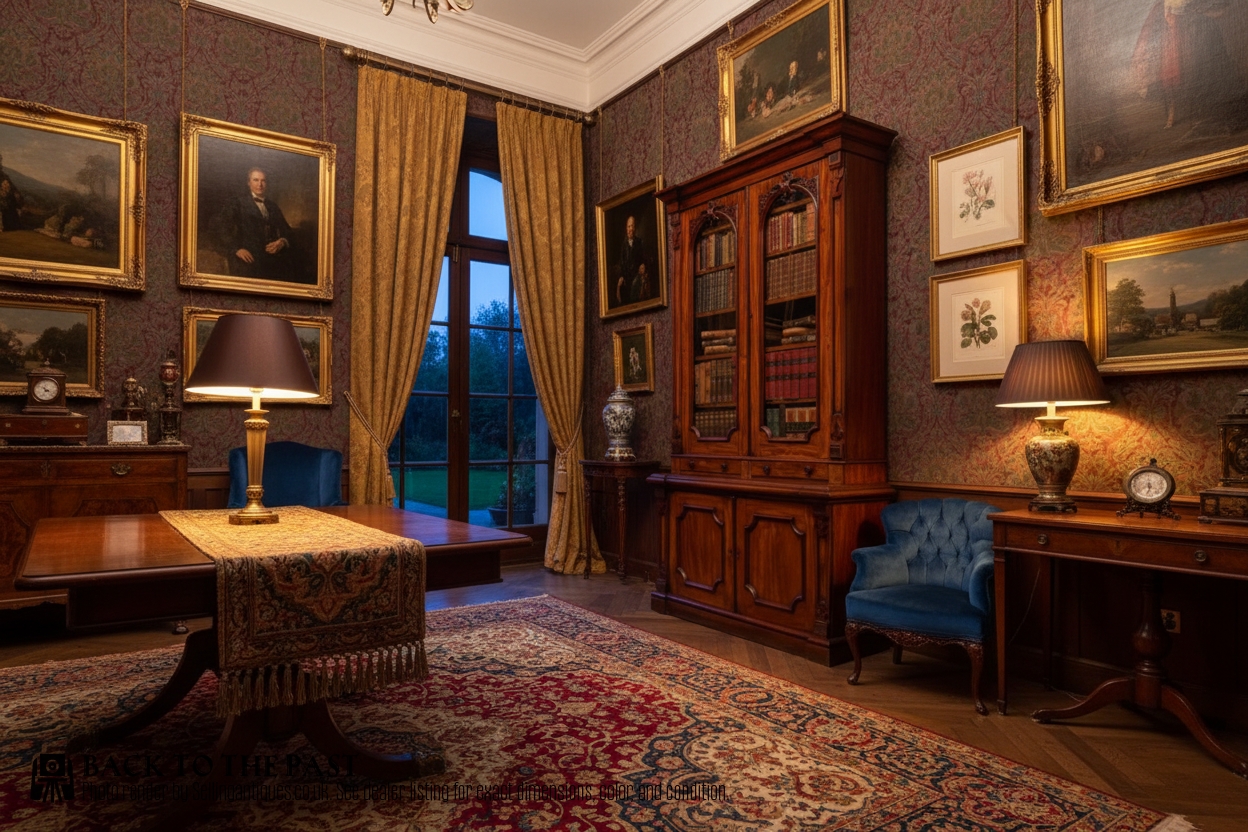
Victorian Cabinet with Shelves
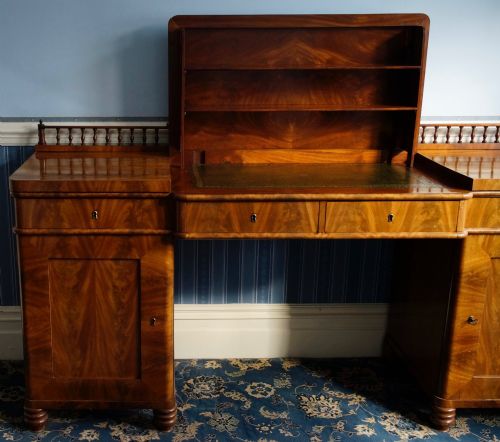
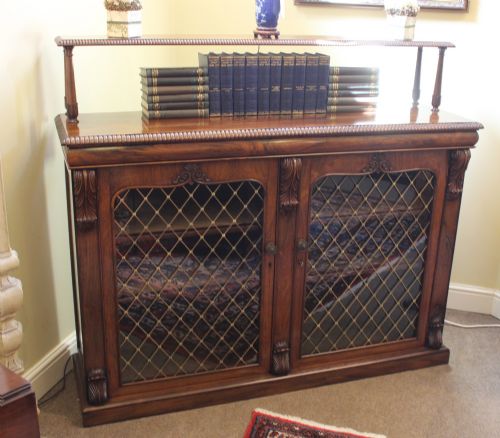
A victorian cabinet with shelves encompasses bookcases, credenzas, chiffoniers, and whatnots originating from the nineteenth century. Buyers examine pieces spanning from the early Victorian decades through the Edwardian period, reflecting diverse domestic uses for display and storage.
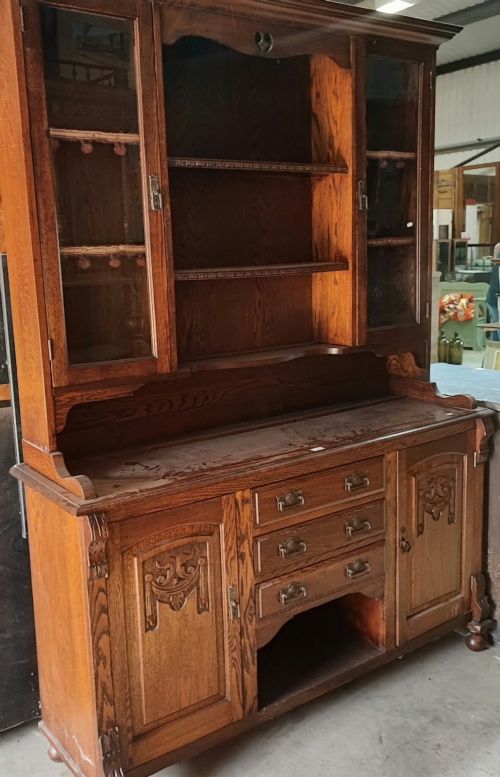
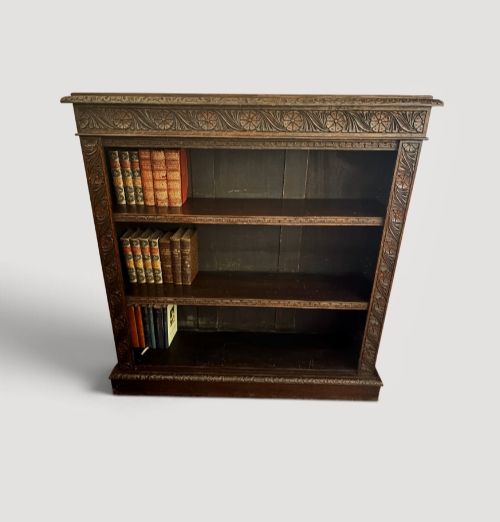
The selection frequently includes mahogany bookcase cabinets with adjustable shelves, open bookcases in oak, and burr walnut credenzas with mirrored doors. These forms range from small cupboards to large breakfront arrangements.
Origins include standard English workshops alongside specific regional variations such as Welsh dressers and Anglo-Indian solid satinwood side cabinets. Buyers meet pieces adapted for books, china, and general household storage.
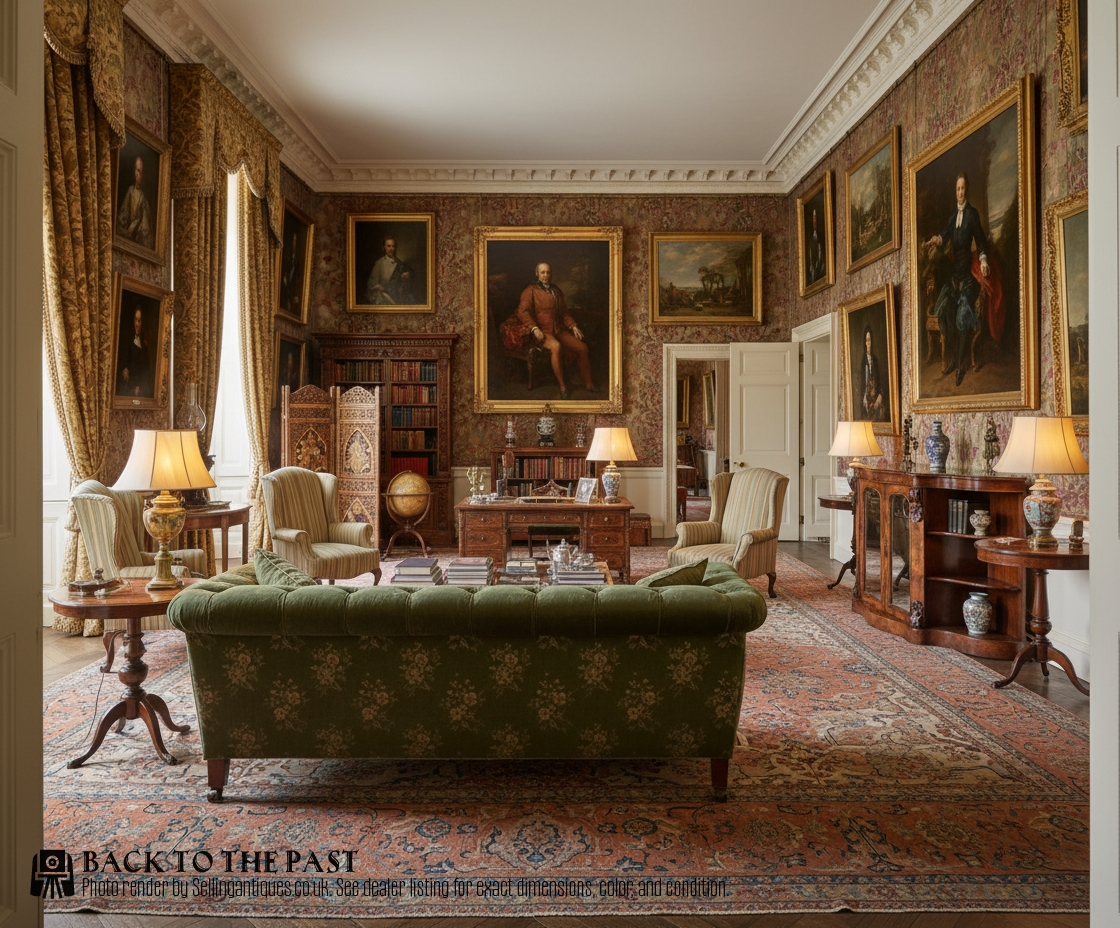
Quality Variations
The standard of timber selection and veneer application dictates visual depth, particularly in burr walnut and flame mahogany pieces. Finer examples display continuous grain matching and meticulous preparation of secondary timbers.
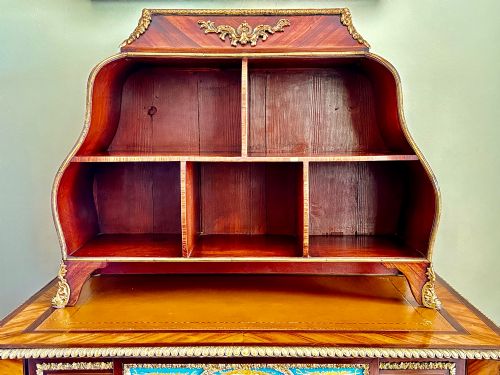
Hardware execution and mount casting differentiate standard production from superior workshops. Crisp ormolu enrichment, integrated brass castors, and well-fitted adjustable shelving mechanisms separate workshop tiers.
Victorian Cabinet with Shelves Retail Price Guide 2026
Typical asking prices for victorian cabinet with shelves among the pieces listed under this phrase on Sellingantiques today, from the lower quarter to the upper quarter. They describe what is for sale here now, not the wider market.
Certain nineteenth-century items arrived with built-in cellarettes for covert beverage storage.
Gillows·Robert Strahan
The Victorian Cabinet with Shelves Glossary
- Breakfront
- A piece of furniture where the central section projects forward from the flanking outer sections. This architectural arrangement creates depth and visual rhythm in large bookcases.
- Credenza
- A low cabinet or sideboard, frequently fitted with mirrored doors and ormolu mounts. Victorian examples often utilise burr walnut and fine veneers.
- Chiffonier
- A compact sideboard or low cabinet typically fitted with a shelf or superstructure on top. Nineteenth-century versions often include enclosed lower cupboards.
- Whatnot
- An open set of multi-tiered shelves designed for displaying ornaments and small objects. They stand on upright supports or legs.
- Ormolu
- Gilded bronze mounts applied to furniture for decorative enrichment. This technique adds metallic contrast to wood surfaces.
Victorian Cabinet with Shelves: Frequently Asked Questions
How do I adjust the shelves?
Most period bookcases utilise wooden support battens or metal pins inserted into pre-drilled vertical rows inside the cabinet walls. Lift the shelf slightly to clear the supports and reposition.
Ensure the shelf rests evenly on all four supports before placing items back onto the timber surface.
Where should I place a credenza?
Credenzas suit dining rooms, living spaces, or wide hallways where low horizontal furniture balances vertical wall space. Their mirrored doors and ormolu mounts reflect light into darker corners.
Keep them away from direct heat sources to protect the delicate burr walnut or rosewood veneers.
How do I clean mahogany?
Dust timber surfaces regularly with a soft, dry cloth along the grain. Avoid silicone-based polishes that build up sticky residues over time.
Apply traditional beeswax periodically to nourish the mahogany and maintain a natural sheen.
Can I store heavy books?
Adjustable wooden shelves handle standard volumes, but check the thickness of the board before loading heavy folios. Thinner pine or mahogany boards may bow under excessive weight.
Distribute heavier volumes across lower fixed shelves where structural support is strongest.