
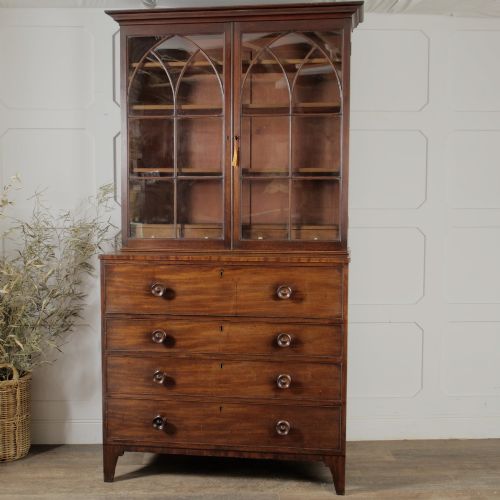
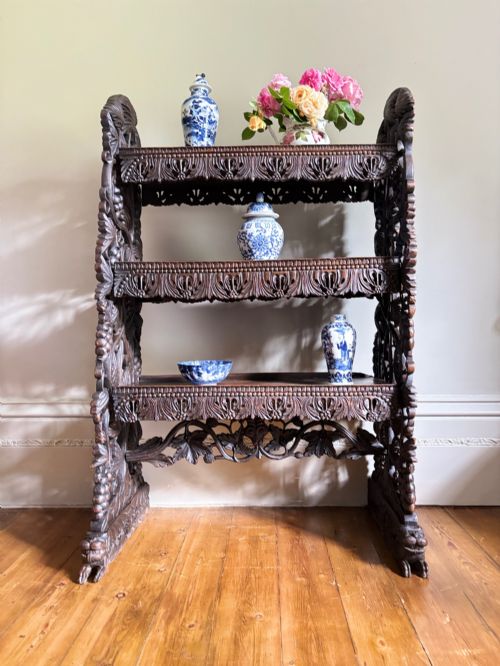
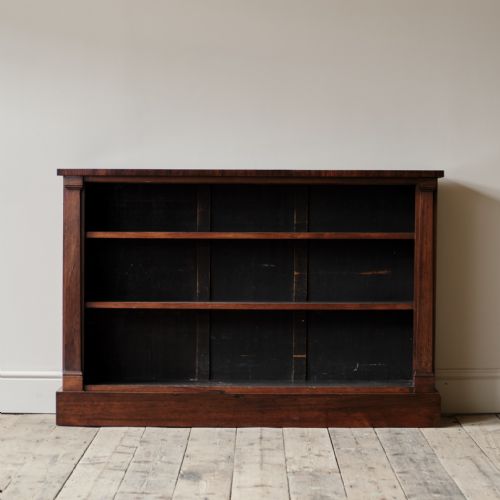
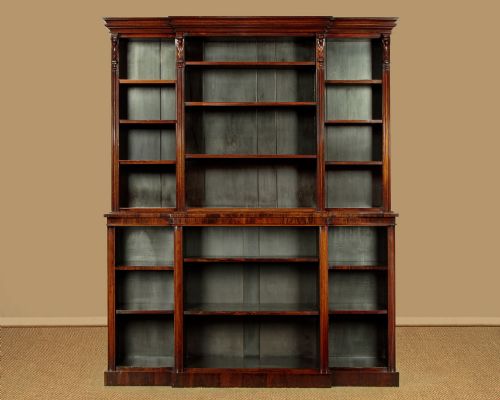


Mid 19th Century Bookcase
A mid 19th century bookcase brings architectural presence and rich timber grains to a room, offering functional display for a growing library.
Identifying a mid 19th century bookcase
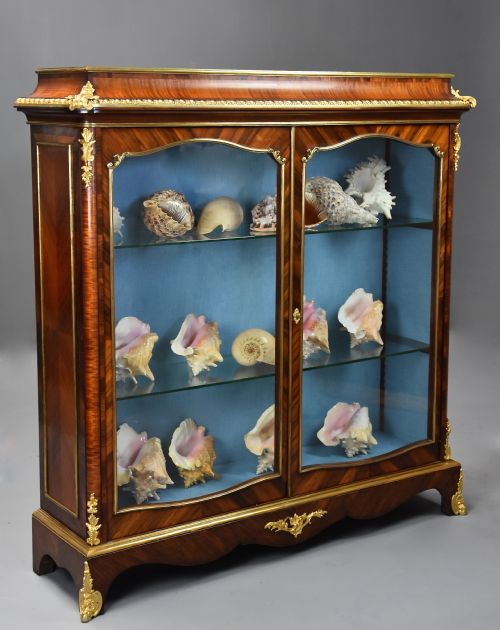
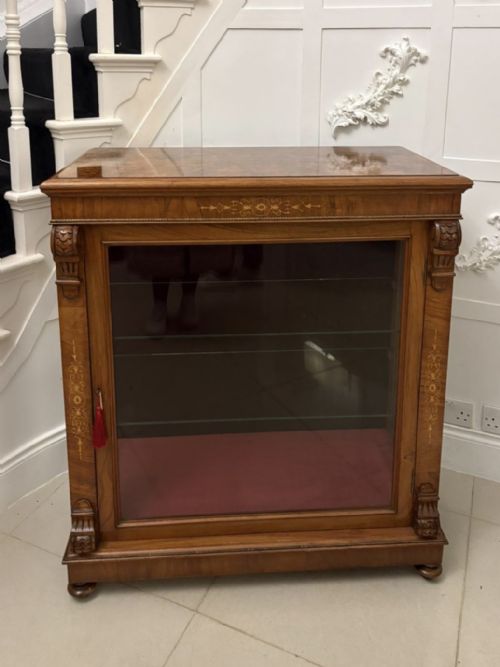
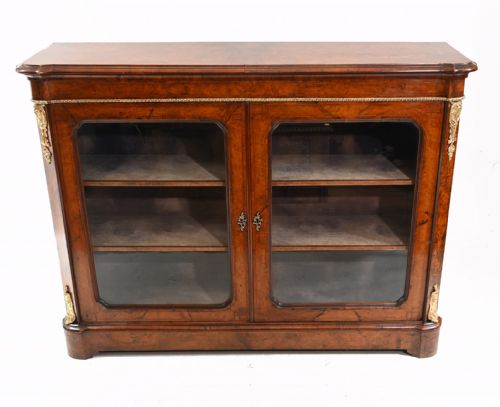
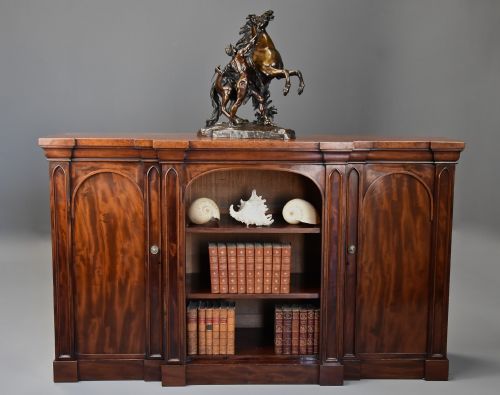
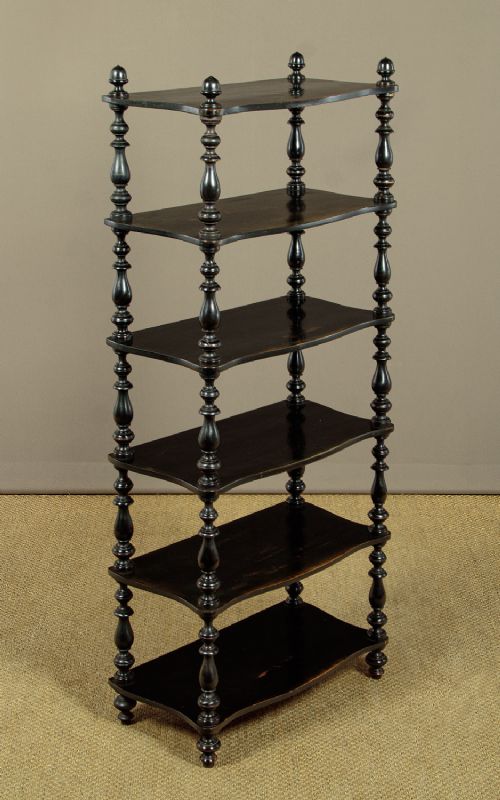
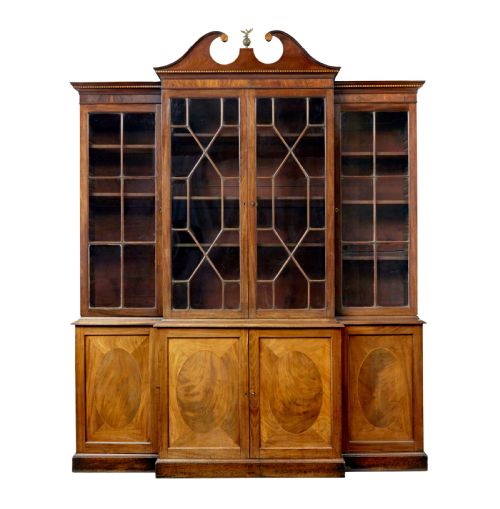
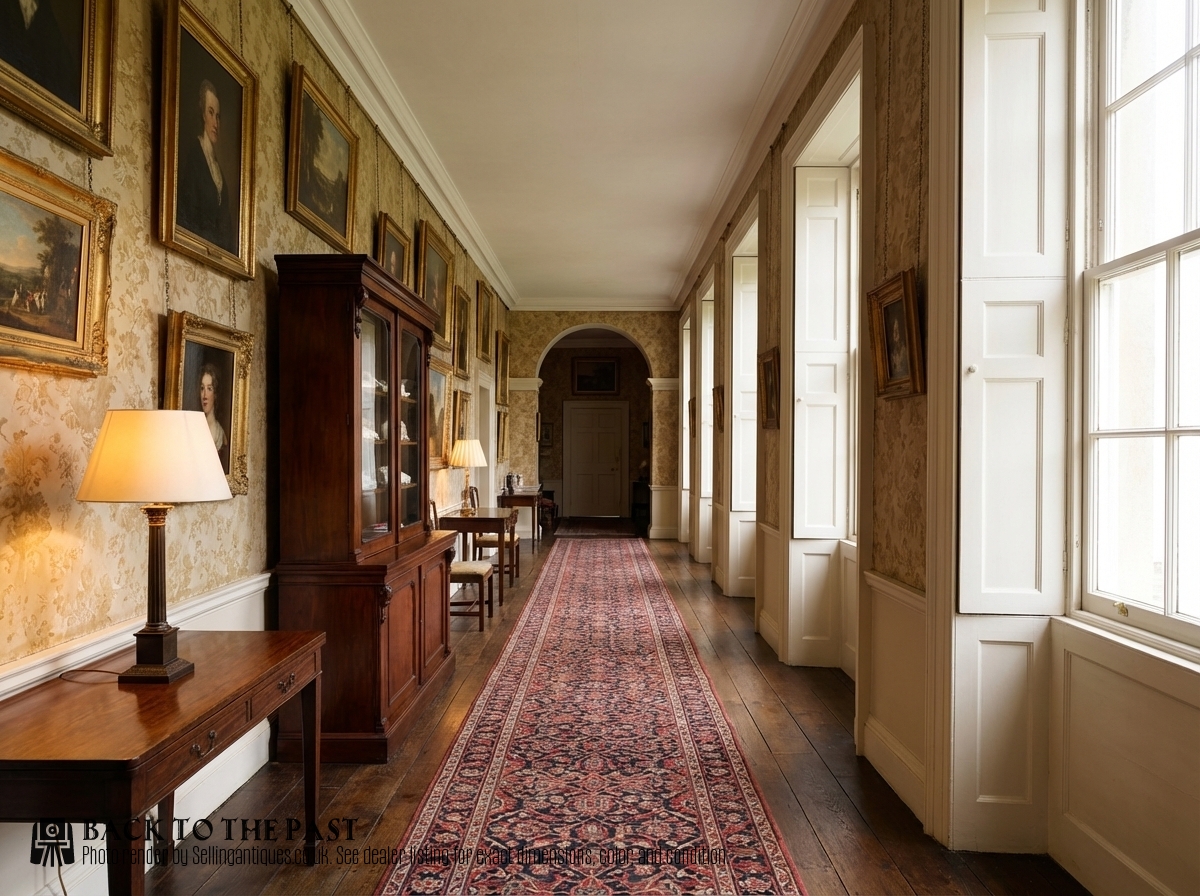
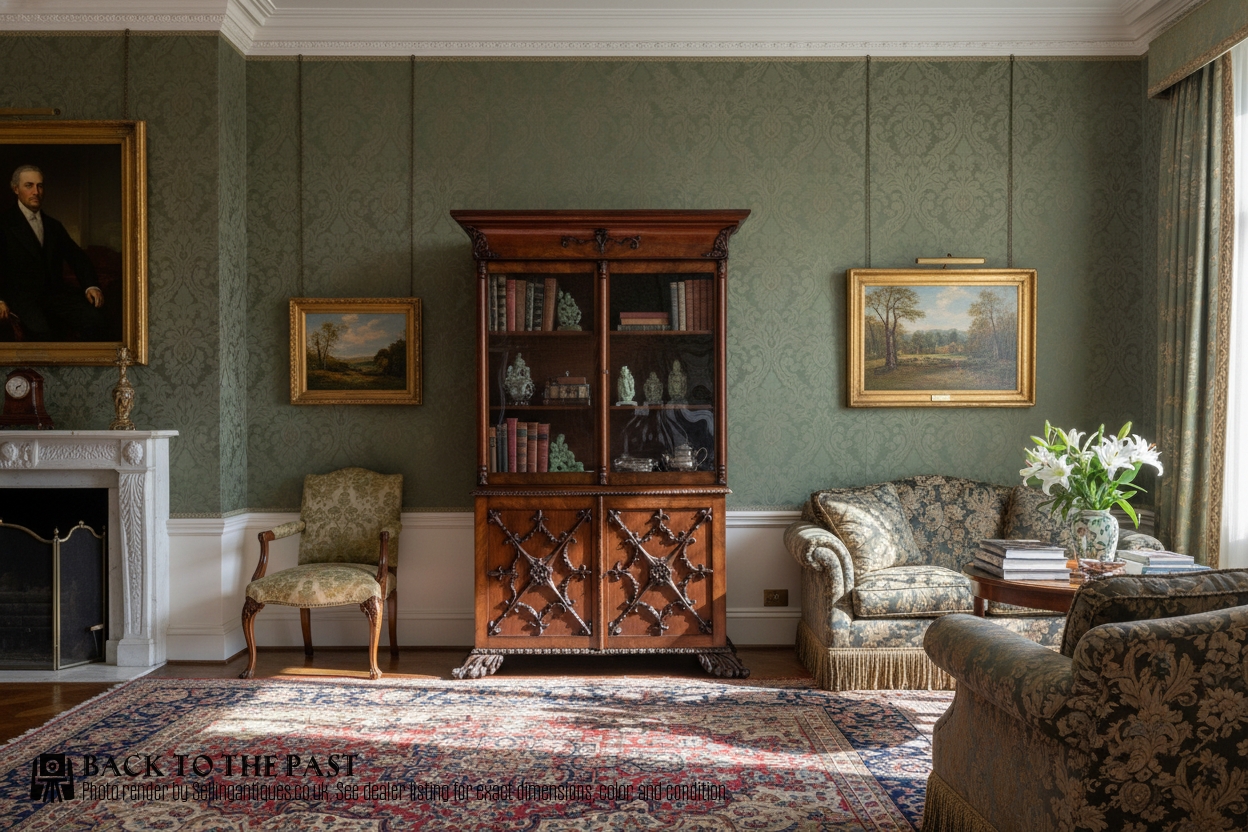
A mid 19th century bookcase is a heavy storage piece designed to hold volumes, appearing in forms such as open shelves, glazed cabinets, breakfronts, and two-part cupboards. These items originate from the nineteenth century, specifically around the eighteen-fifties, encompassing styles like Victorian, Dutch Colonial, Danish, and Louis XV Revival.
The buyer frequently encounters mahogany library bookcases, often configured in two parts or featuring breakfront proportions. Open-fronted dwarf bookcases and glazed display cabinets also appear regularly across the inventory.
Origins vary beyond standard English manufacture, including pieces marked by Dutch Colonial design, French Empire or revival aesthetics, and Danish craftsmanship. Regional variations emerge in timber choice and decorative carving.
Assessing quality in construction
The distinction between standard utility items and superior library furniture lies in the selection and matching of timber veneers, such as flame mahogany and figured walnut. Cabinet makers who invested time in book-matching grain patterns elevated the visual impact of large breakfront forms.
Structural integrity and proportion separate basic shelving from superior cabinetwork, seen in the precision of two-part modular joins, the integration of carved corbels, and the inclusion of original glazed doors. Superior pieces maintain balanced proportions whether built to broad library dimensions or slim, dwarf proportions.
Retail Price Guide 2026
Typical UK retail prices for mid 19th century bookcase, calculated from the Sellingantiques database of over a million retail prices indexed since 2003. This retail price guide relies exclusively on Sellingantiques data; no external sources or auction records are used, so the figures do not describe the wider market.
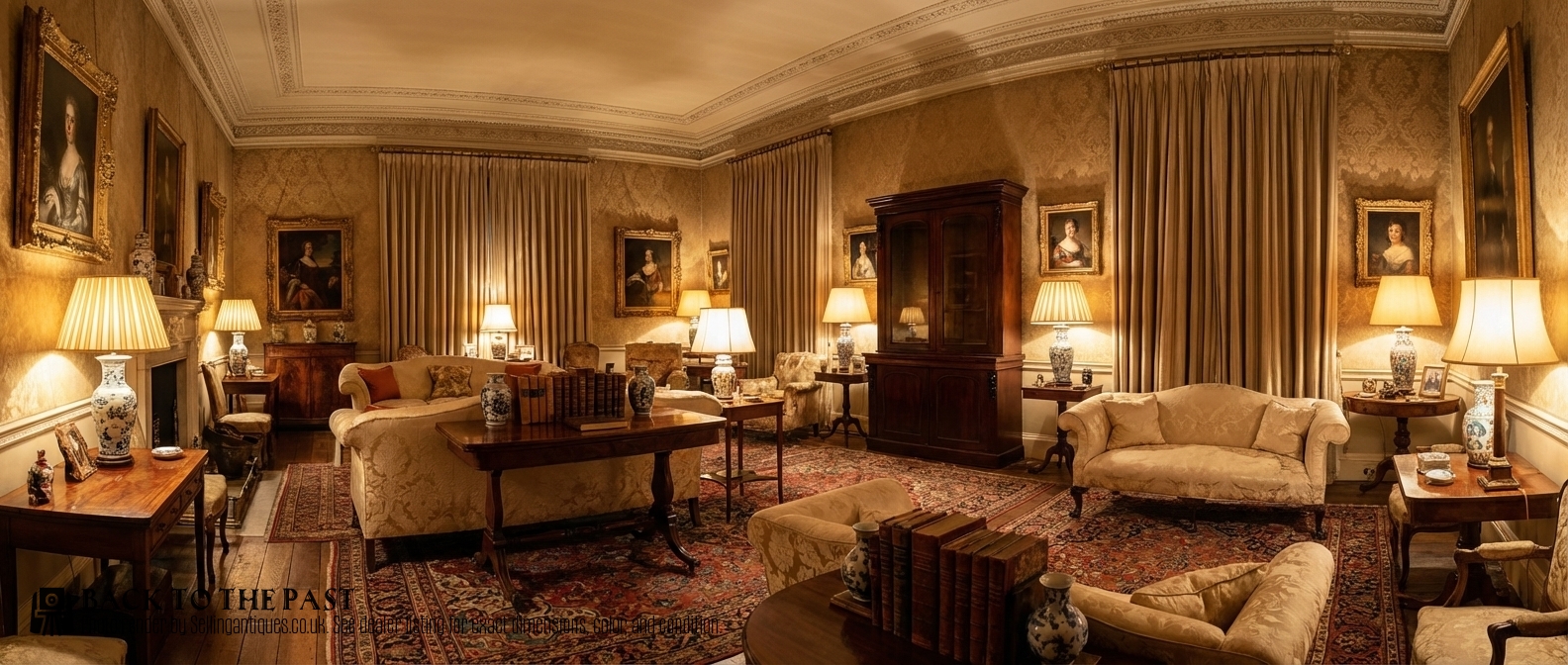
Listings demonstrate a strong prevalence of mahogany, supported by alternative timbers such as rosewood, walnut, amboyna, and oak.
Charles Norman of Richmond
The Mid 19th Century Bookcase Glossary
- Breakfront
- A large cabinet design where the central section projects forward from the flanking wings. This configuration creates visual depth in large library rooms.
- Dwarf bookcase
- A low-standing bookcase designed to sit beneath window height or display decorative objects on the top surface. These low pieces often feature open fronts or glazed doors.
- Flame mahogany veneer
- A figured timber slice applied to carcass furniture to produce a distinctive flickering flame pattern. It showcases the natural growth characteristics of the tree.
- Carved corbel
- An architectural bracket projecting from the vertical frame to support upper shelves or cornices. They introduce sculptural relief to otherwise linear cabinetry.
- Glazed bookcase
- A cabinet fitted with glass-panelled doors to protect volumes from dust. The glazing bars divide the glass into geometric panes.
Frequently Asked Questions
What is a breakfront bookcase?
A breakfront bookcase is a large cabinet featuring a central section that extends further forward than the flanking side sections. This layout breaks up the flat facade of extensive library walls.
Such proportions were favoured for substantial rooms, providing deep central shelving flanked by narrower bays for organised book storage.
How do I tell an open bookcase from a glazed cabinet?
An open bookcase provides direct, unobstructed access to the shelves without doors. These are typically used for everyday volumes and decorative displays.
Glazed cabinets incorporate glass doors, which protect fragile or valuable bindings from dust and environmental wear while keeping the contents visible.
Where were these bookcases made?
These pieces originate from diverse workshops across Europe and colonial territories, reflecting nineteenth-century trade and design influences. English workshops produced large quantities of mahogany library furniture.
At the same time, continental makers contributed French revival styles, while Dutch Colonial and Danish pieces utilised regional timbers and distinct carving traditions.
How do I care for a marble topped bookcase?
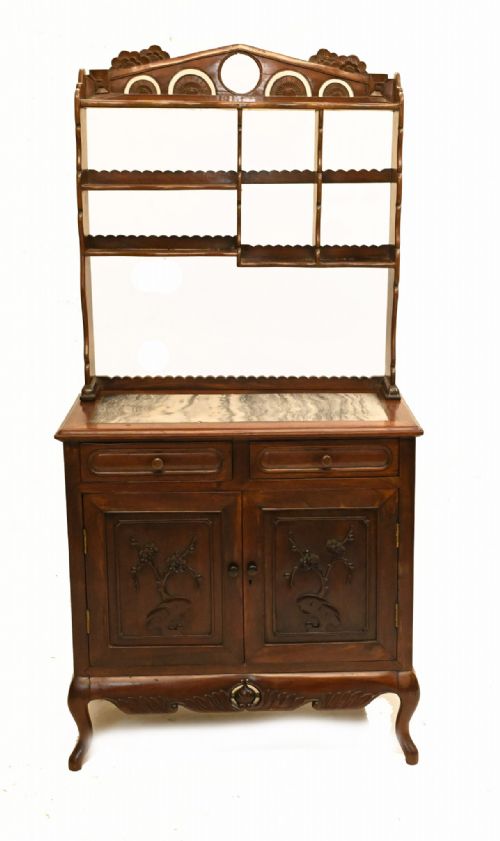
Marble tops require protection from acidic liquids and moisture to prevent staining on the polished stone surface. Use coasters and mats beneath objects placed on the top.
Dust the timber surround regularly with a dry cloth and maintain stable room humidity to protect the underlying mahogany or rosewood carcass.