
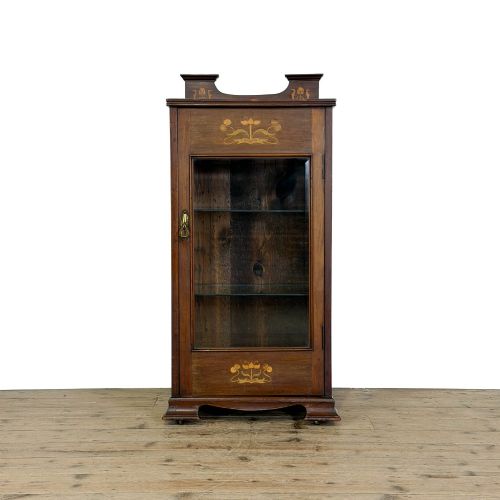
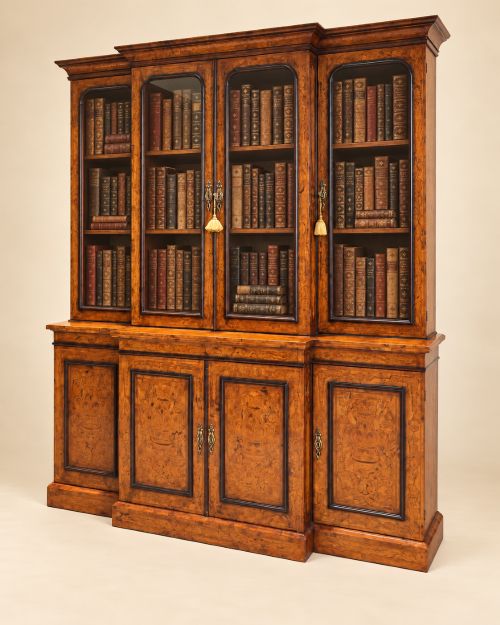
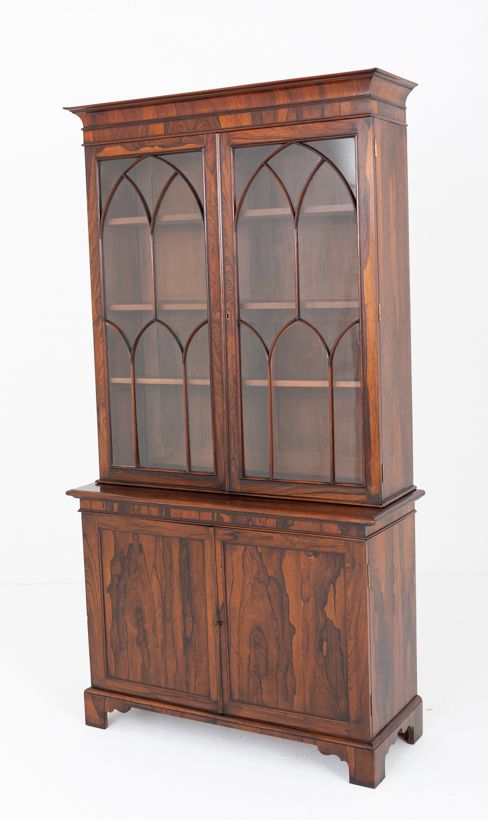

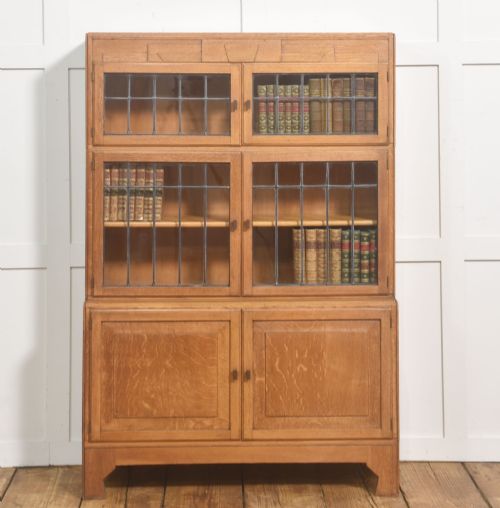
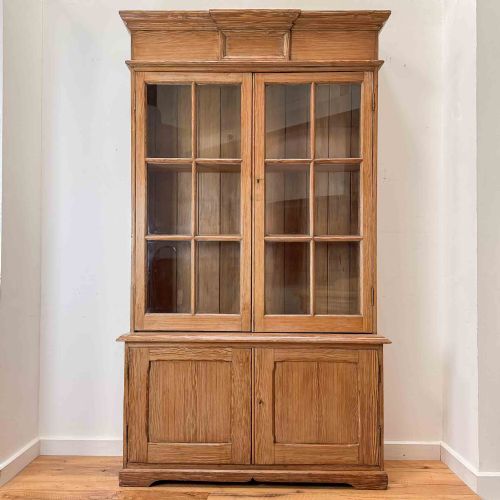
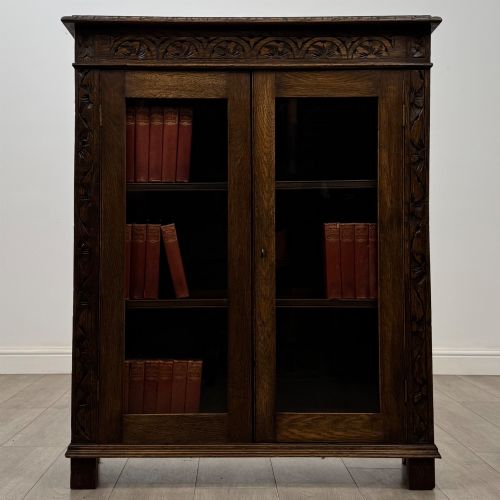
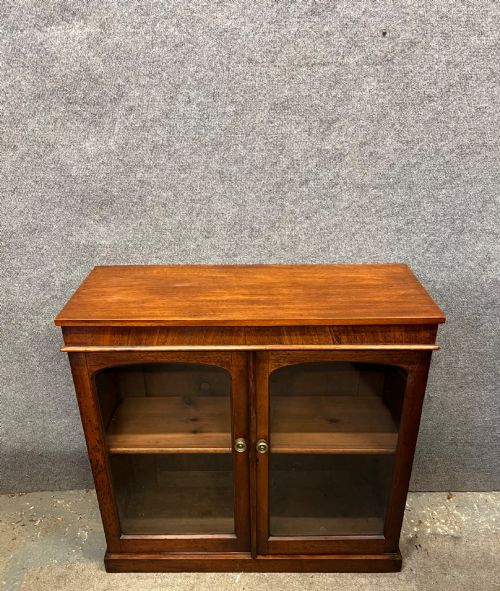
Glazed Book Cupboard
A glazed book cupboard protects volumes behind glass while housing lower storage, combining a library display with a sturdy timber cabinet.
Glazed Book Cupboard
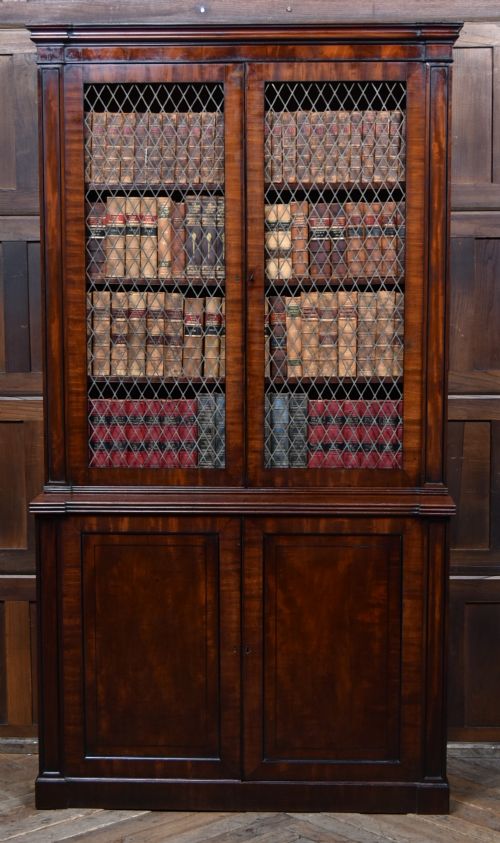
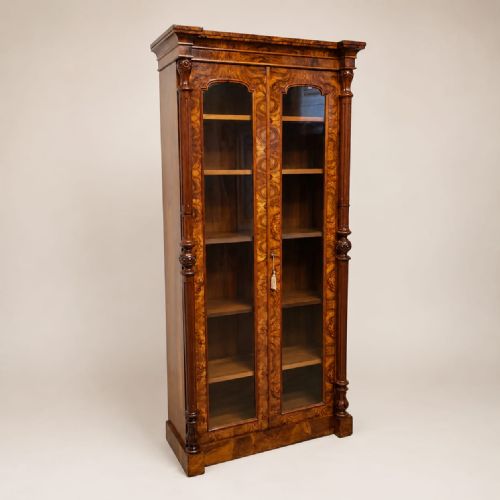
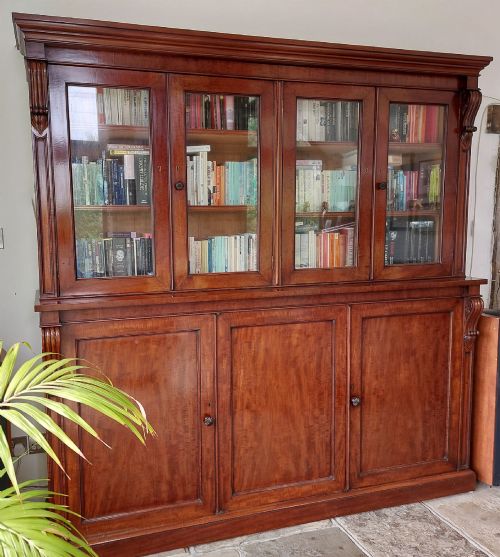
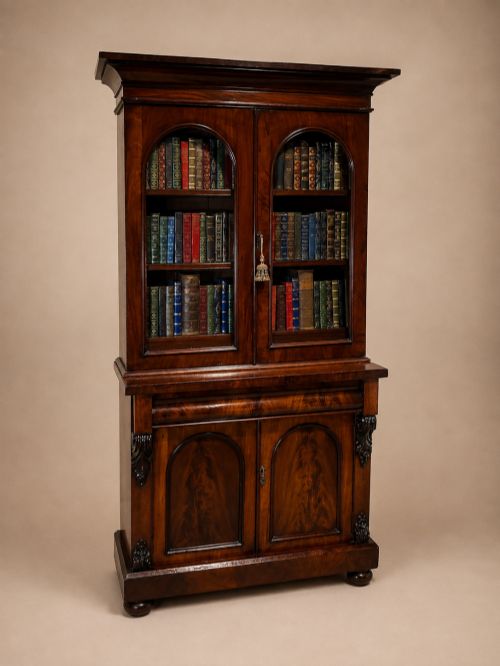
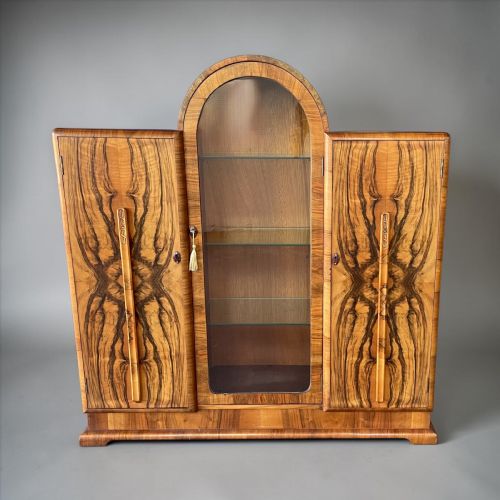
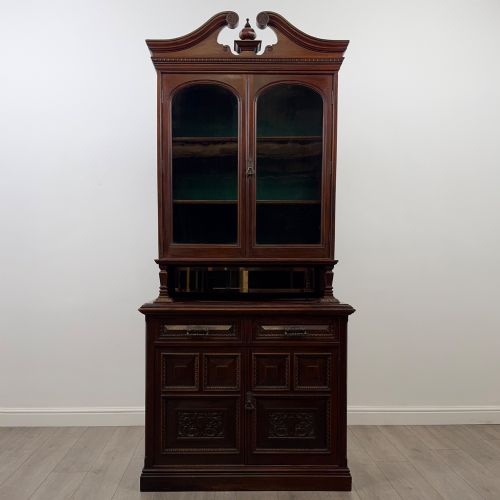
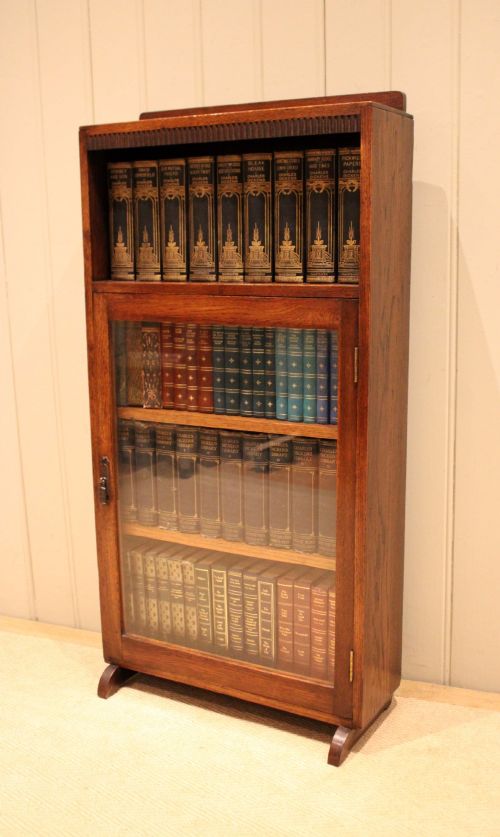
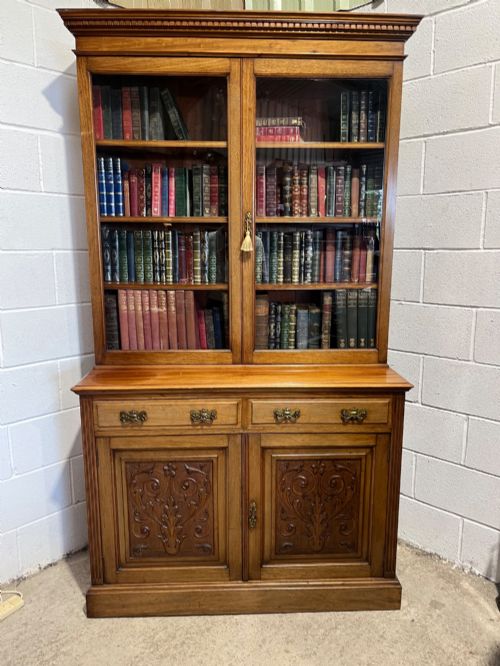
When you search for a glazed book cupboard, you encounter tall library breakfronts, two-part cabinets, and narrow display pieces originating from the Georgian, Regency, Victorian, and Edwardian eras. These combinations of upper glass doors and lower wooden cupboards serve both display and storage functions.
The pieces on this page span several stylistic revivals, including Gothic and Jacobean influences alongside Art Deco oak designs with leaded glass. Walnut, mahogany, and oak dominate the forms, reflecting centuries of domestic and institutional book storage requirements.
Many examples incorporate adjustable shelves or lower drawers alongside the cupboard base, suiting diverse room proportions from small studies to expansive libraries.
Materials and construction
Cabinetmakers utilised dense timbers such as mahogany, walnut, and oak, often selecting figured veneers, burr walnut, or flame mahogany for the primary exterior surfaces. These woods provide both structural strength for heavy book collections and rich grain patterns.
Glass panes are held within timber frames or leaded cames, accompanied by brass hardware and locks on the doors and internal drawers. Construction methods range from traditional two-part stacking carcases to tall, single-piece library cabinets.
Glazed Book Cupboard Retail Price Guide 2026
Typical asking prices for glazed book cupboard among the pieces listed under this phrase on Sellingantiques today, from the lower quarter to the upper quarter. They describe what is for sale here now, not the wider market.
Design styles span Georgian simplicity, William IV solidity, Victorian carved mahogany, and 1920s leaded glass.
Evaluating construction and finish
Quality rests on the selection of timber veneers, such as figured mahogany or burr walnut, and the precision of the cabinet joinery on the lower cupboard doors. Superior pieces display carefully matched grain patterns across large surfaces like breakfront facades.
The refinement of the glazing bars, the clarity of the glass, and the inclusion of original brass hardware distinguish standard utility pieces from finer library furniture.
Gillows·James D Bennet·S and H Jewell
The Glazed Book Cupboard Glossary
- Breakfront
- A cabinet design where the central section projects forward from the flanking wings. This configuration creates visual depth on large library bookcases.
- Secretaire
- A desk drawer featuring a drop-front writing surface concealing internal pigeonholes and small drawers. It typically sits above the lower cupboard base.
- Astragal
- A small wooden moulding profile used to divide glass panes within a door frame. It creates a grid pattern typical of Georgian and Edwardian cabinetwork.
- Cames
- Strips of cast lead used to hold small panes of glass together in leaded windows and doors. They appear frequently on Art Deco and Arts and Crafts pieces.
- Figured
- Wood grain exhibiting natural decorative patterns such as flames, waves, or mottling. Cabinetmakers reserve these sections for prominent door panels and drawer fronts.
Glazed Book Cupboard: Frequently Asked Questions
What is a glazed book cupboard?
A glazed book cupboard is a piece of furniture featuring glass doors on the upper section for displaying books and solid wooden doors or drawers on the lower section for concealed storage.
These cabinets bridge the gap between open bookshelves and traditional sideboards, keeping dust away from volumes while offering practical household storage below.
How do I date a wooden bookcase?
Dating relies on identifying timber choices, construction techniques, and stylistic markers such as Georgian proportions, Victorian carving, or Edwardian inlays.
Mellower patination, secondary woods used for drawer linings, and specific hardware styles also help narrow the decade of manufacture.
Are shelves usually adjustable?
Many library bookcases and cabinets feature adjustable shelving systems supported by wooden ratchets or metal pins.
This adaptability allows owners to accommodate volumes of varying heights within the glazed upper section.
Where should I place a heavy library cabinet?
Large breakfront and double-part bookcases require stable flooring and adequate wall clearance to support their substantial timber and glass weight.
Placing them away from direct sunlight protects vulnerable mahogany, rosewood, and walnut veneers from fading over time.