
Edwardian Bookshelf
An edwardian bookshelf brings practical timber utility and period character to domestic rooms.
Edwardian Bookshelf
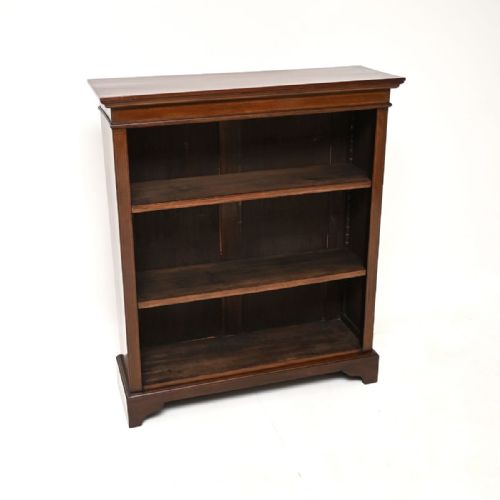
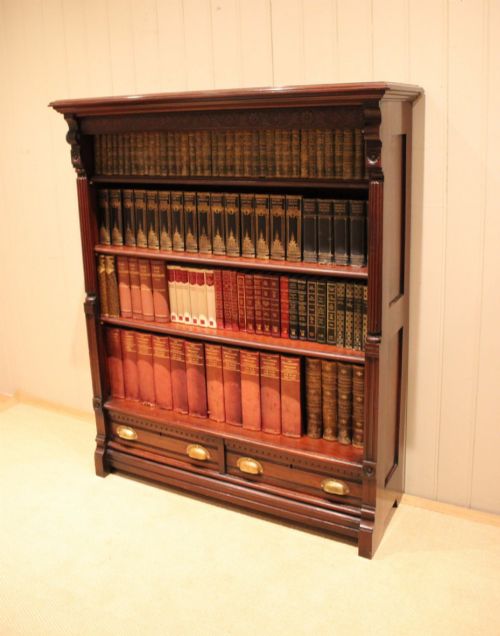
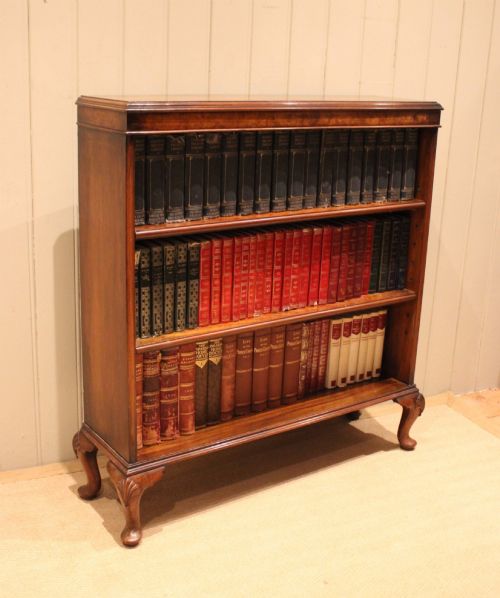
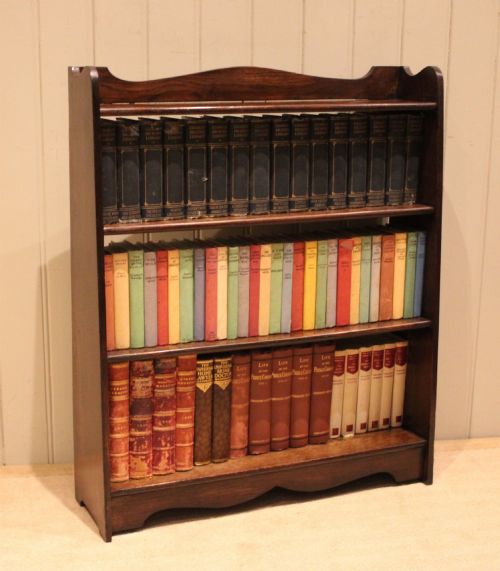
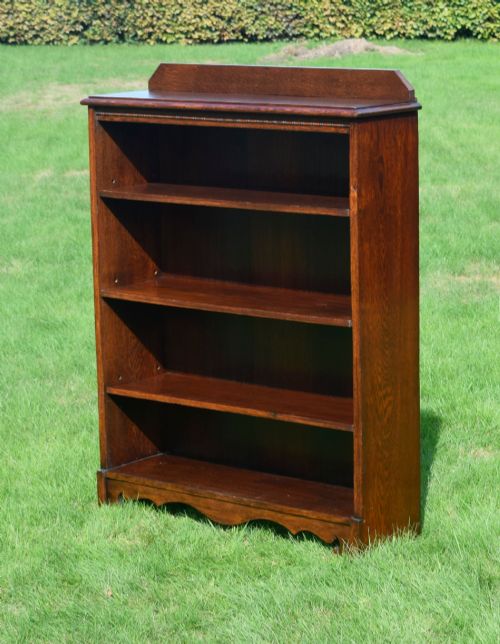
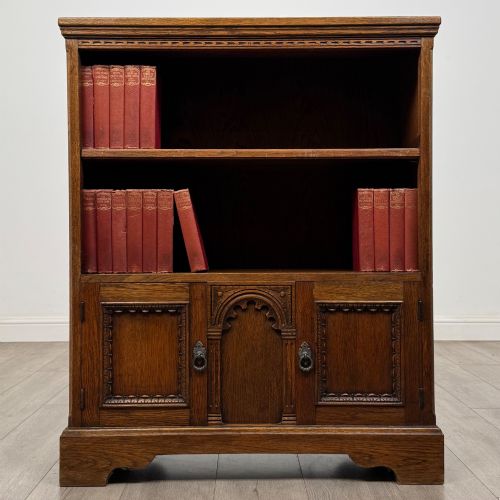
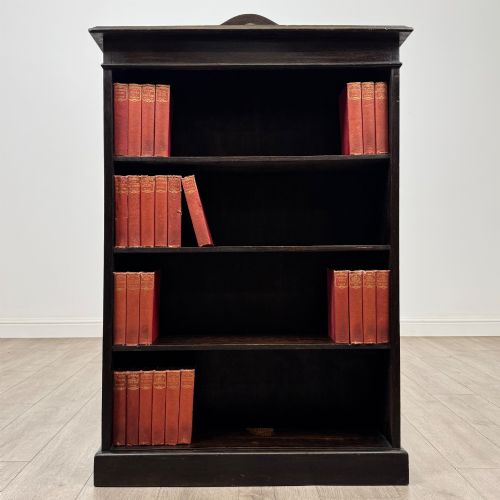
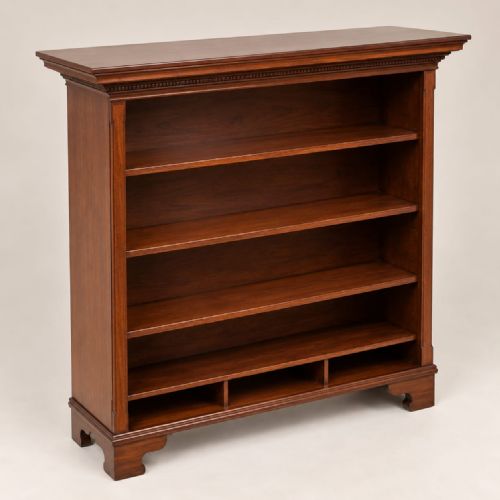
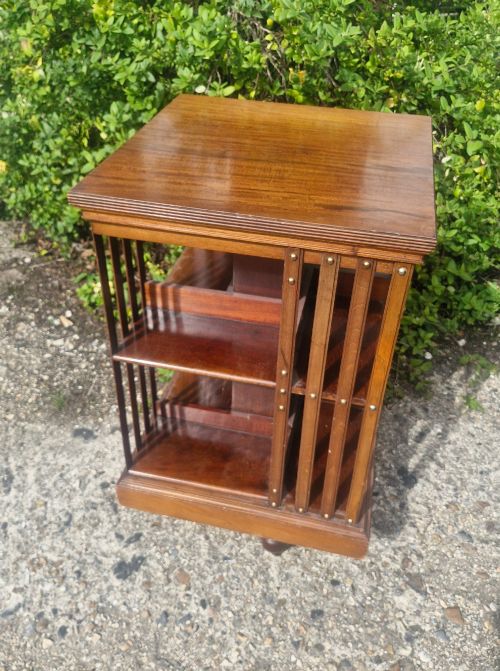
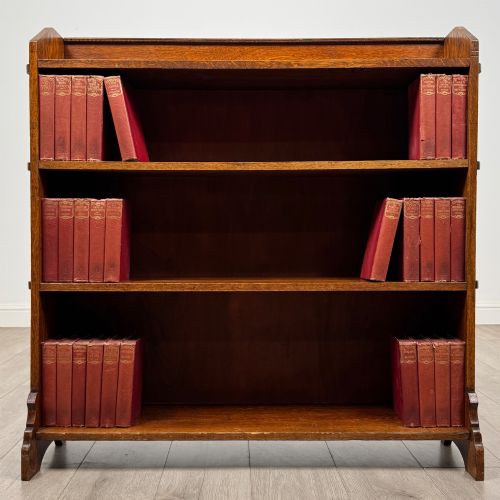
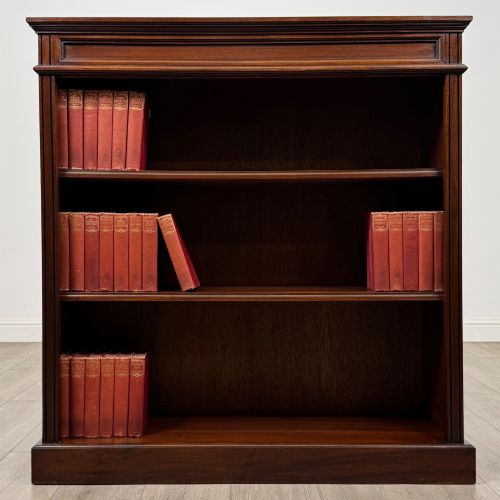
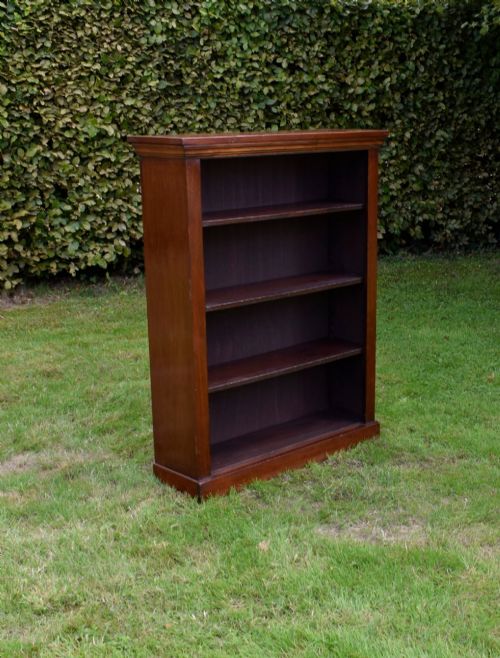
An edwardian bookshelf spans open formats, revolving desk designs, and small standing cabinets made primarily during the early twentieth century. Buyers seeking an edwardian bookshelf typically encounter open oak or mahogany shelving units intended for household libraries and studies.
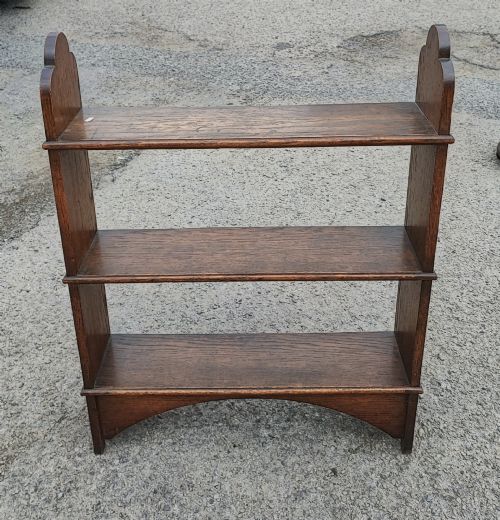
The evidence records pieces crossing from late Victorian production into the 1920s and 1930s, incorporating styles like Arts and Crafts alongside revival movements. Forms vary from slim wall shelves and table cabinets to large library bookcases fitted with adjustable shelves.
Materials and construction
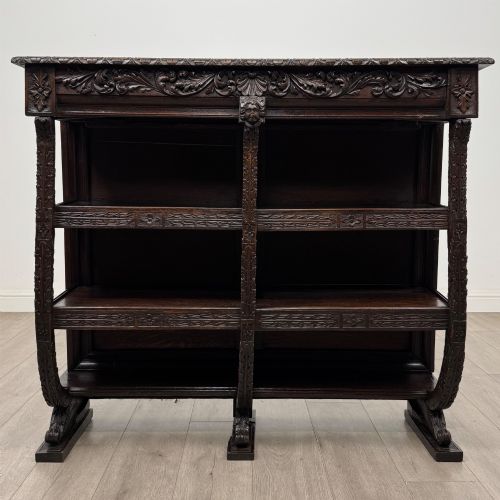
Joiners built these pieces using solid and veneered timbers including oak, mahogany, walnut, and satinwood, occasionally accented with brass castors or inlay. Workshops employed pegged or jointed construction to support heavy volumes, whilst decorative examples featured carved details and beaded edges.
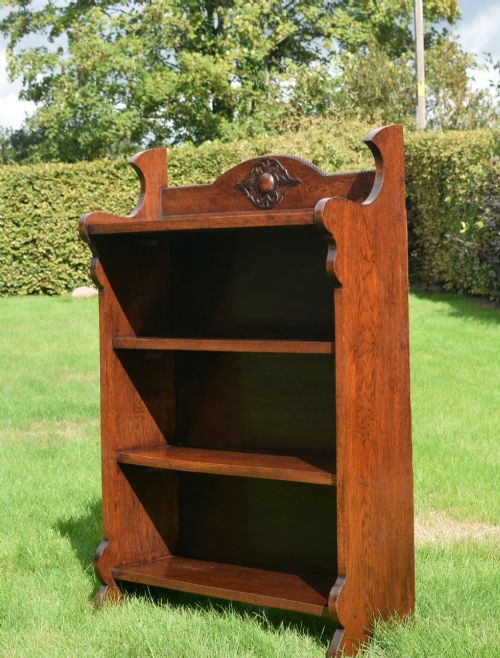
Arts and Crafts pieces often displayed exposed grain in golden or dark oak, reflecting utility and honest construction. Mahogany and burr walnut variants utilised fine cabinet-making techniques, pairing smooth polished surfaces with internal adjustable shelving mechanisms.
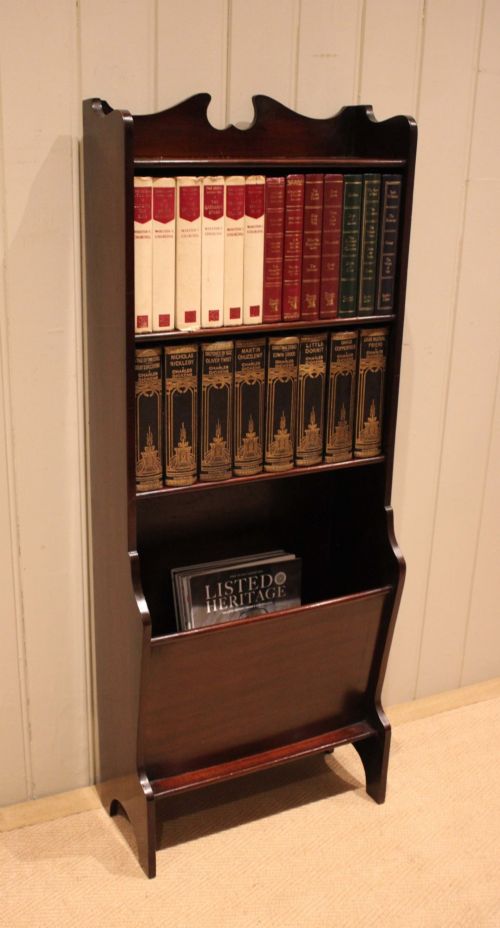
Magazine racks tucked neatly beside tiny bookshelves ensure no Victorian periodical ever had to lie flat upon the carpet.
Design and execution
Quality rests upon timber selection and the refinement of subsidiary details such as brass hardware, castors, and string inlay. Superior examples display carefully matched burr veneers or deliberate Arts and Crafts carving rather than plain industrial joinery.
Proportion and utility also dictate standing. Slim profiles, revolving mechanisms that turn smoothly on their bases, and the inclusion of adjustable shelves elevate standard utility furniture into distinguished cabinet-making.
The Edwardian Bookshelf Glossary
- Revolving bookcase
- A low shelving unit mounted on a rotating spindle allowing books to be accessed from all sides. These pieces often sat beside armchairs or desks in studies.
- Waterfall bookcase
- A tiered shelving unit where each upper shelf is narrower than the one below, creating a cascading silhouette. They frequently incorporated small cabinets or drawers at the base.
- Adjustable shelf
- A horizontal board supported on movable pins or ratchet strips within a bookcase interior. This allowed owners to alter vertical gaps to fit volumes of varying height.
- Inlay
- A decorative technique where contrasting woods or metals are fitted into sunken recesses on the furniture surface. Satinwood and darker timbers were often combined in geometric patterns.
Edwardian Bookshelf: Frequently Asked Questions
How do I spot an edwardian bookshelf?
Look for light timber tones, minimal carved decoration, and proportions designed for smaller domestic rooms rather than grand libraries. Many bear the typical open shelf arrangement or revolving table format popular after nineteen hundred.
Construction details such as adjustable wooden shelving tracks and brass fittings help anchor pieces firmly within the early twentieth century period.
Were these shelves used in offices?
Most examples served domestic functions in studies, drawing rooms, and bedrooms to hold personal libraries. Revolving designs were specifically tailored for easy book retrieval beside reading chairs.
Larger standing open bookcases also fulfilled heavier storage requirements in home offices before dedicated office furniture became common.
Do revolving bookcases turn easily?
Original mechanisms rely on internal ball bearings or metal spiders hidden beneath the base to rotate smoothly. Proper weight distribution across the shelves keeps the movement balanced.
When loaded evenly with books, a well-maintained unit should spin freely without catching on the floor.
What is Arts and Crafts style?
This movement prioritised traditional handcraftsmanship, visible joinery, and the natural grain of plain or golden oak over ornate factory machine carving. Designers aimed for honest utility in everyday household objects.
Pieces from this tradition often feature simple rectilinear forms with subtle chamfered edges or pegged joints.