
Antique Bookcase Shelving
These antique bookcase shelving pieces range from compact wall-mounted units to large library cabinets, bringing practical storage and rich period timber into a room.
Antique Bookcase Shelving
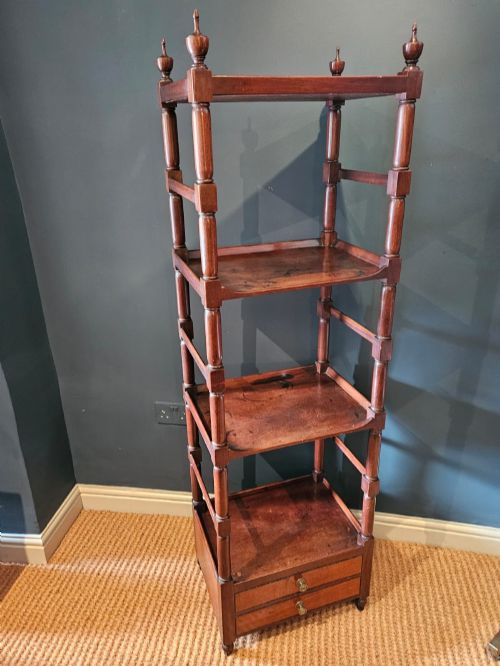
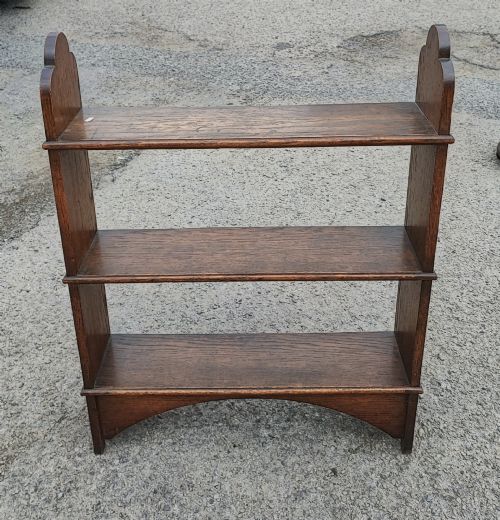
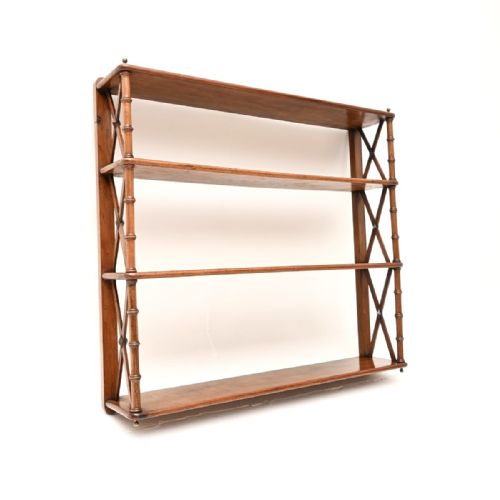
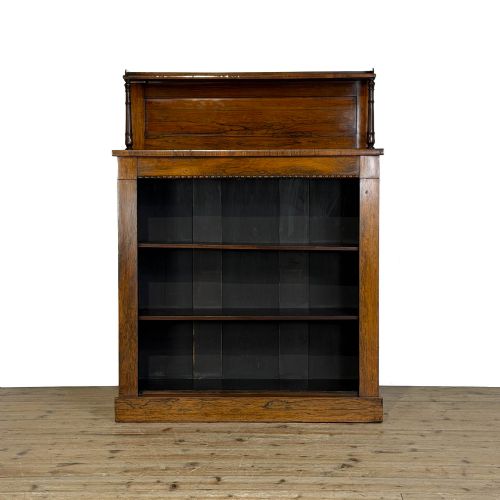
When you search for antique bookcase shelving, you encounter an array of open bookcases, wall shelves, whatnots, and etageres designed to hold books and display objects. The pieces span periods from the Georgian era through the Victorian, Edwardian, and Regency periods into the early twentieth century.
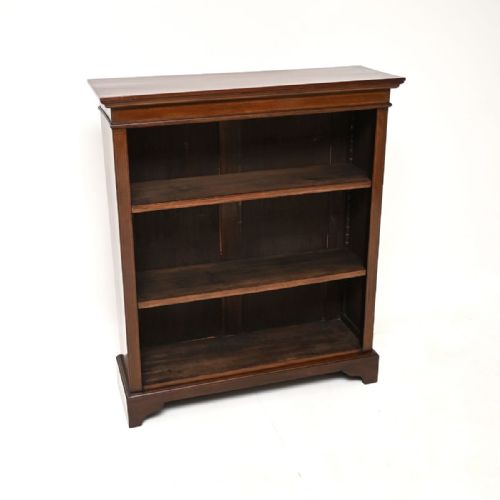
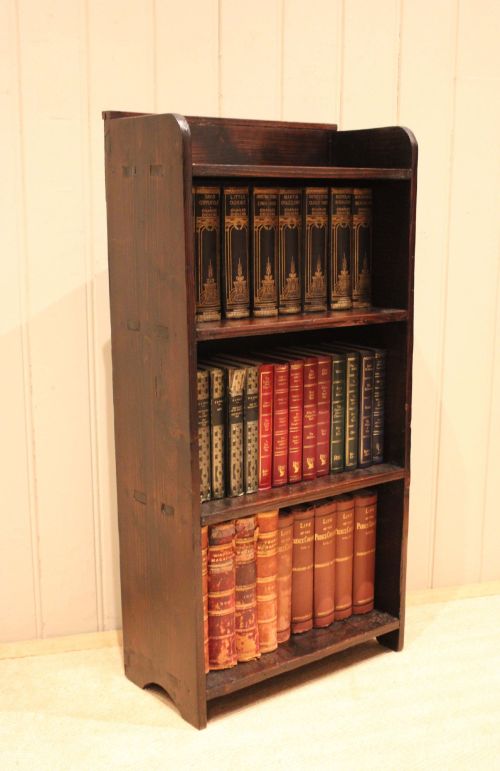
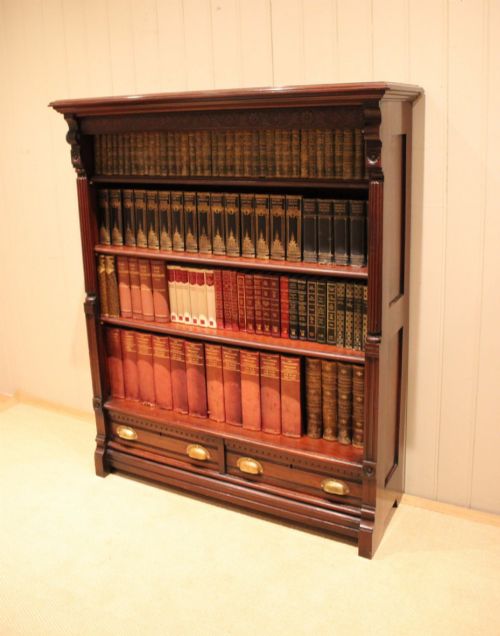
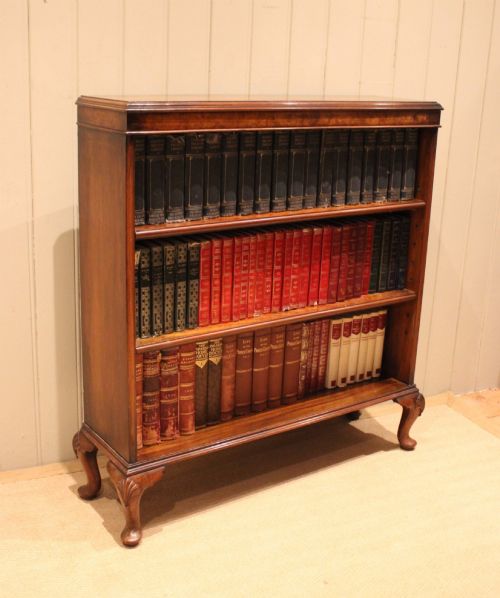
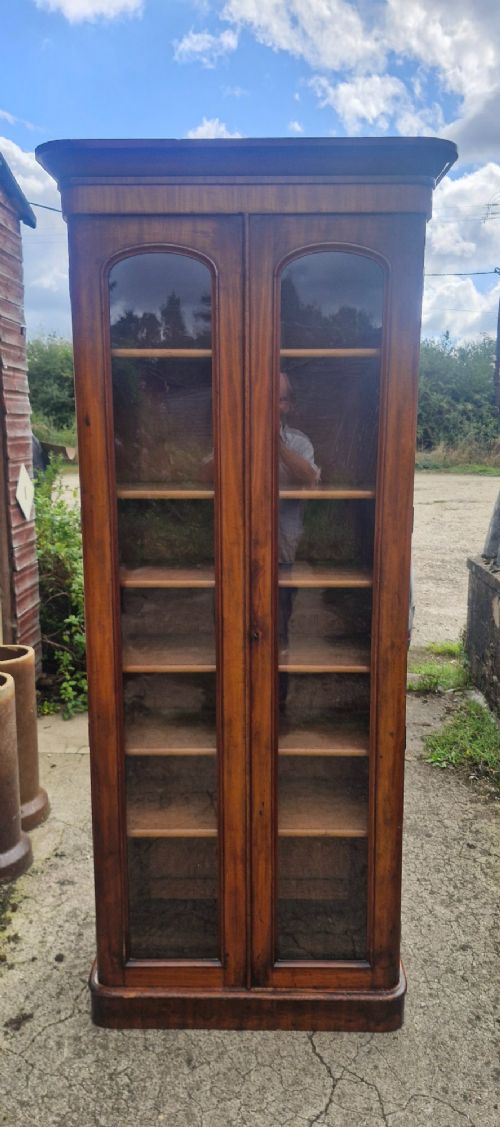
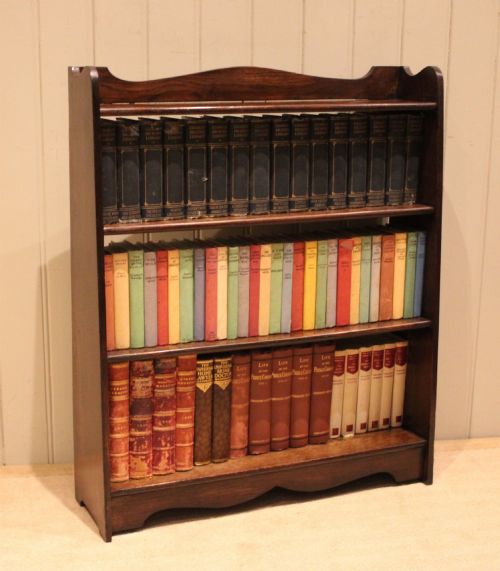
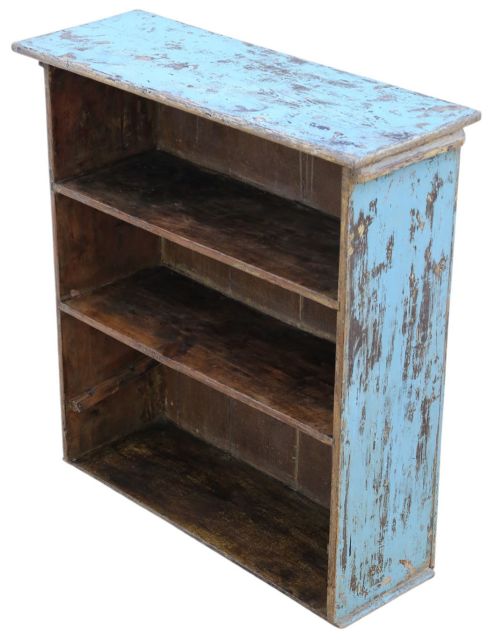
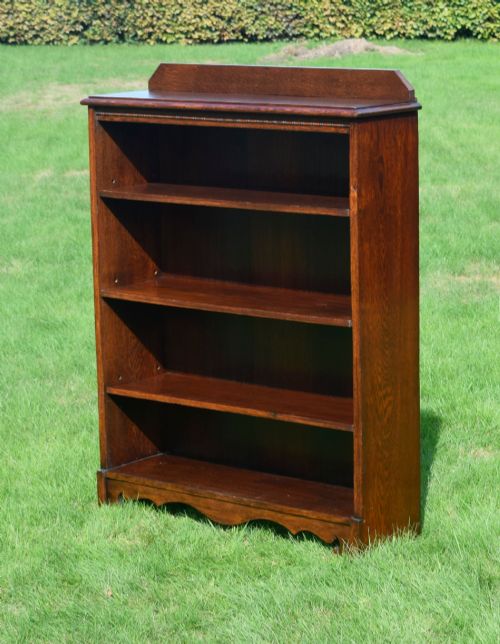
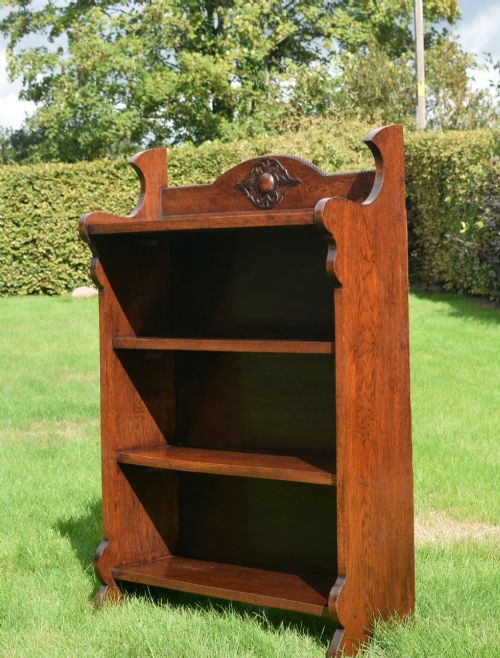
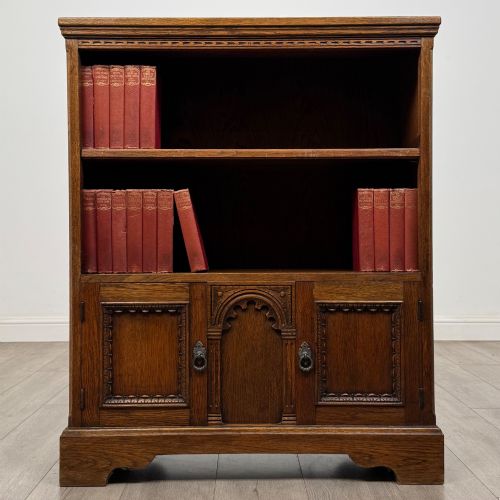
The most common version met on this page is the open bookcase, often rendered in mahogany or oak during the Victorian and Edwardian decades. These items frequently feature adjustable shelves, alongside occasional glazed cabinet doors and painted pine finishes.
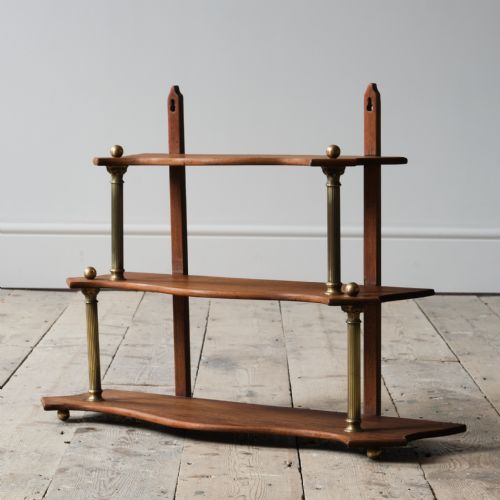
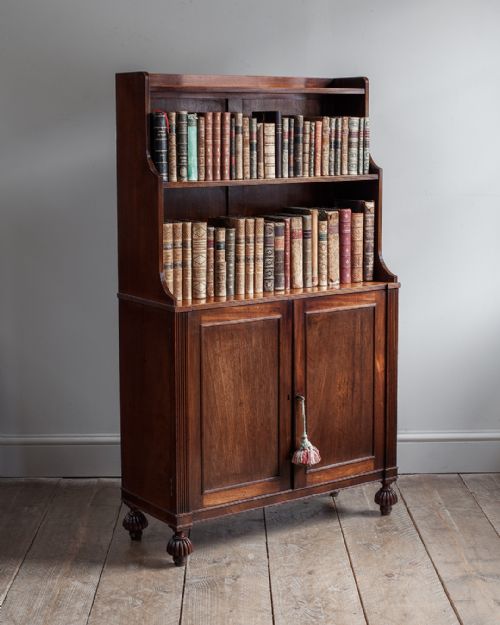
Forms also include distinct variations like the multi-tiered waterfall bookcase, angled shelving units, and narrow burr walnut bookshelves. Each configuration reflects the domestic storage needs of its specific decade of origin.
Materials and construction methods
Cabinet makers relied heavily on dense hardwoods like mahogany, walnut, and rosewood, alongside durable domestic oak and pine. Selected pieces incorporate decorative details such as brass fittings, ormolu mounts, and inlaid wood patterns.
Construction techniques evolved to include functional mechanisms like adjustable shelving brackets to accommodate books of varying heights. Surfaces received polished finishes, carved ornamentation, or painted treatments depending on the prevailing style.
The listings feature woods ranging from common pine and oak to exotic rosewood and burr walnut.
Assessing quality in period shelving
Quality reveals itself in the selection of timber figures, such as the rich grain of burr walnut or figured mahogany, and the crispness of carved details. Superior examples maintain structural integrity in their uprights and joints while preserving original surfaces.
The sophistication of internal design, including smoothly functioning adjustable shelf mechanisms and thoughtful proportions, distinguishes finer cabinet work from more utilitarian workshop production.
Johnstone and Jeanes
The Antique Bookcase Shelving Glossary
- Waterfall bookcase
- A tiered shelving unit where each successive shelf steps back from the one below it, creating a cascading profile.
- Whatnot
- An open multi-tiered piece of furniture used for displaying ornaments and small books, popular in the nineteenth century.
- Cartonnier
- A desktop cabinet or stand fitted with compartments or shelves for holding papers and books.
- Ormolu
- Gilded bronze ornamentation applied to furniture, frequently seen on high-status nineteenth-century pieces.
- Etagere
- A piece of furniture consisting of a set of open shelves for displaying small objects.
Antique Bookcase Shelving: Frequently Asked Questions
How do I spot an Edwardian bookcase?
Edwardian bookcases, dating from the early twentieth century, often appear in lighter oak or mahogany and frequently take the form of small, unpretentious open shelving units.
They reflect a shift towards simpler domestic interiors compared to the heavier, highly carved furniture of the late Victorian era.
Were these shelves always adjustable?
Many larger nineteenth-century bookcases incorporate adjustable shelving systems using wooden ratchets, brass studs, or metal strips.
Simpler or smaller wall-mounted shelves and earlier pieces often feature fixed wooden boards secured directly into the sides.
What is the difference between a whatnot and a bookcase?
A whatnot is primarily designed for displaying ornaments and curiosities across multiple open tiers, often with slender supports.
An antique bookcase shelving unit is specifically proportioned and constructed to support the heavier weight of bound volumes.
How do I care for antique timber shelves?
Keep wooden bookcases away from direct heat sources and strong sunlight to prevent the timber from drying out or splitting.
Apply a traditional wax polish sparingly to maintain the natural lustre of the mahogany, oak, or walnut surfaces.