
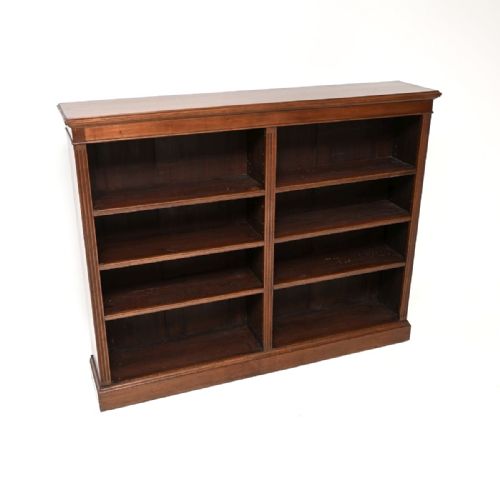
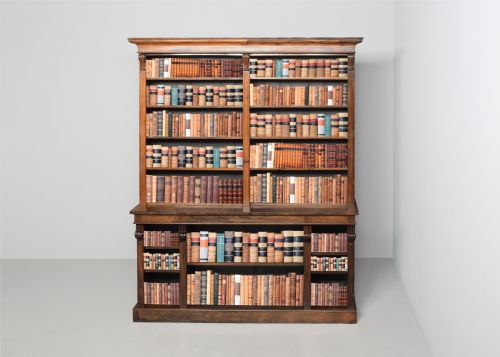
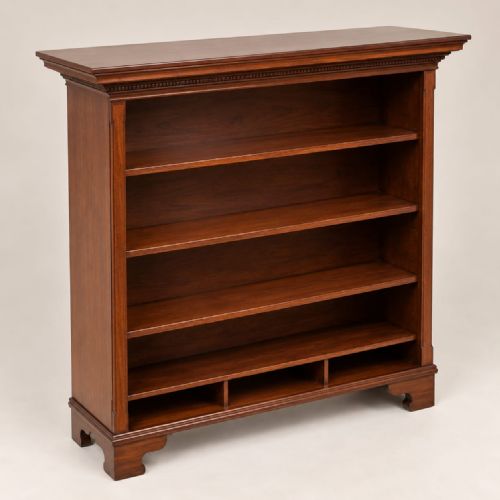

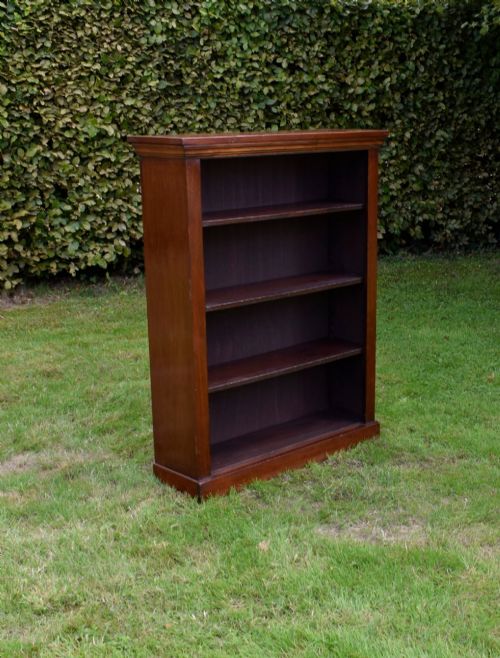
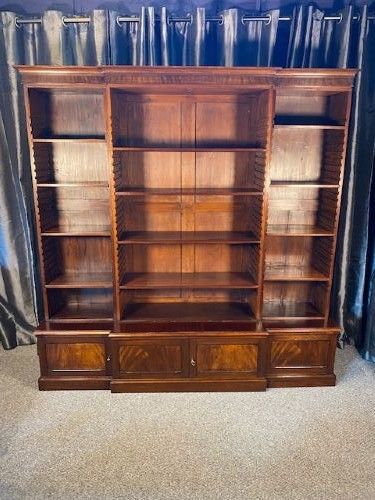
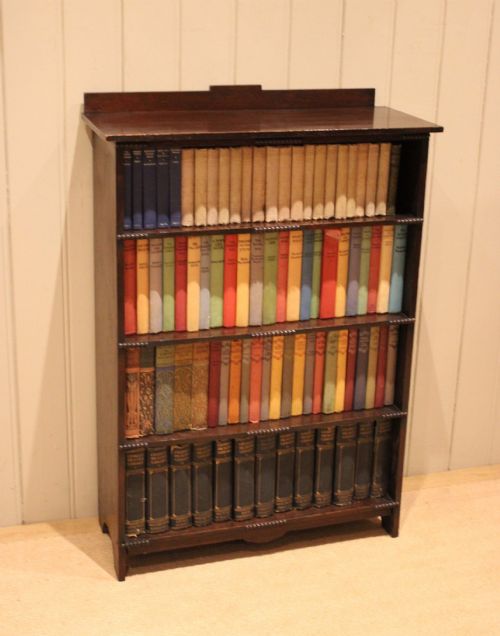
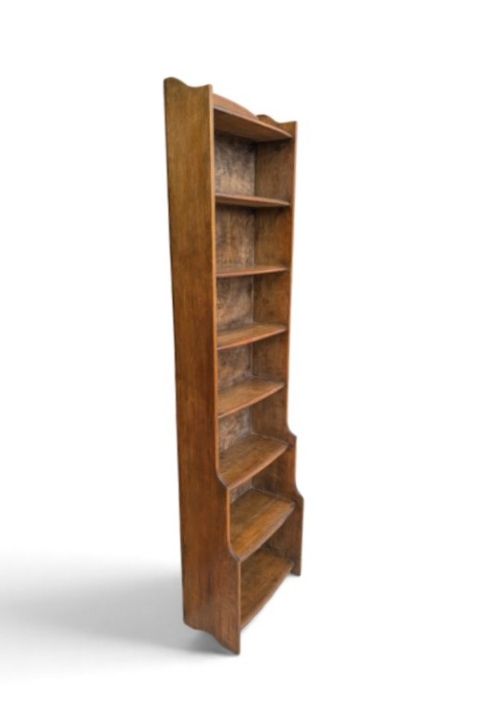
Open Book Cabinet
An open book cabinet combines accessible shelf space with enclosed storage, offering a practical solution for displaying library collections while keeping household items neatly tucked away.
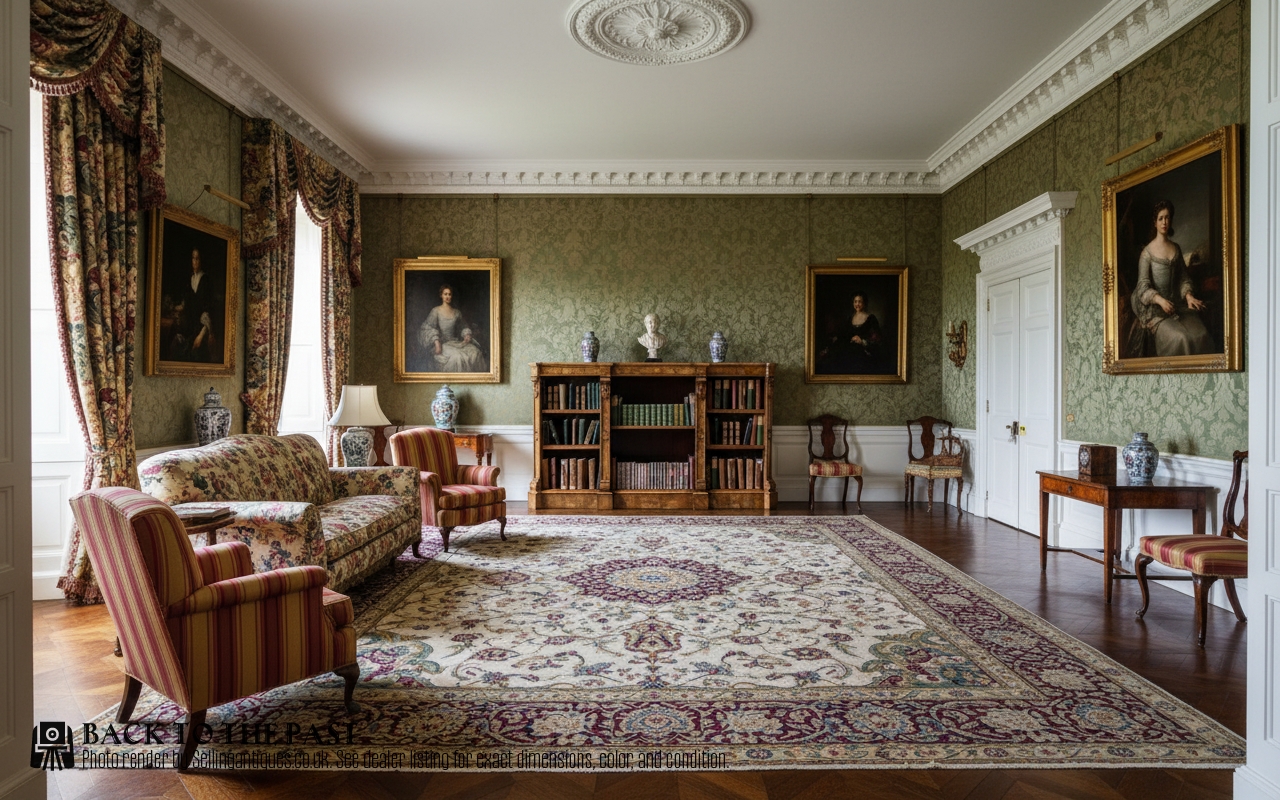
Defining the Open Book Cabinet
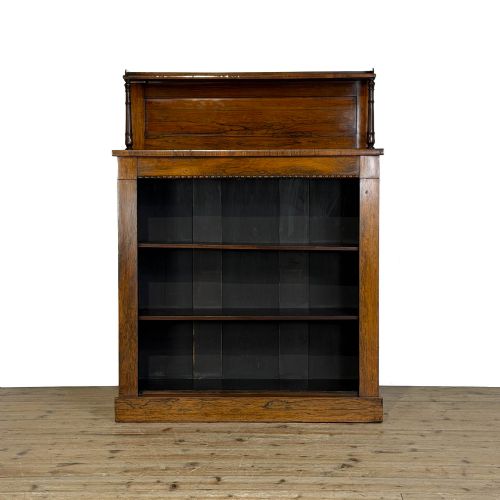
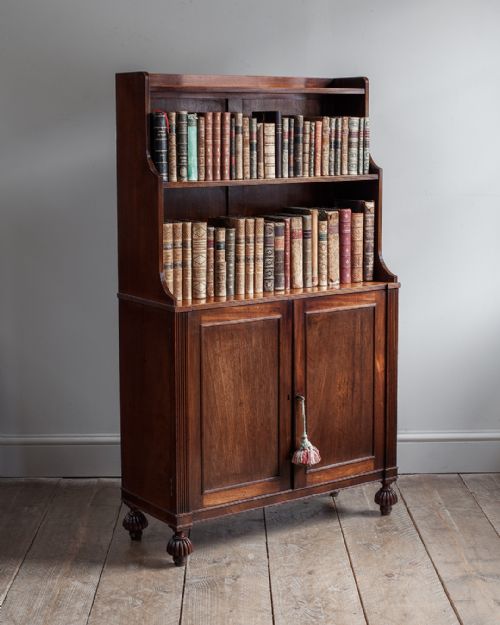
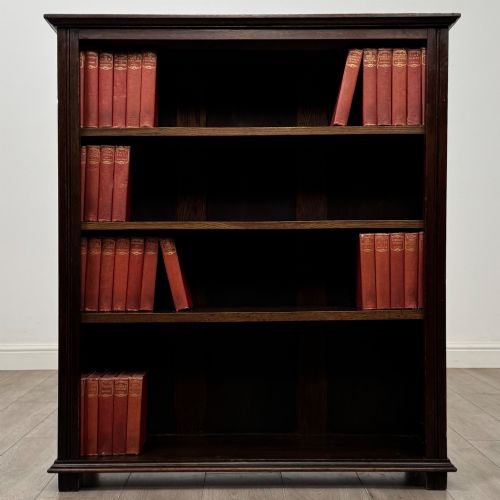
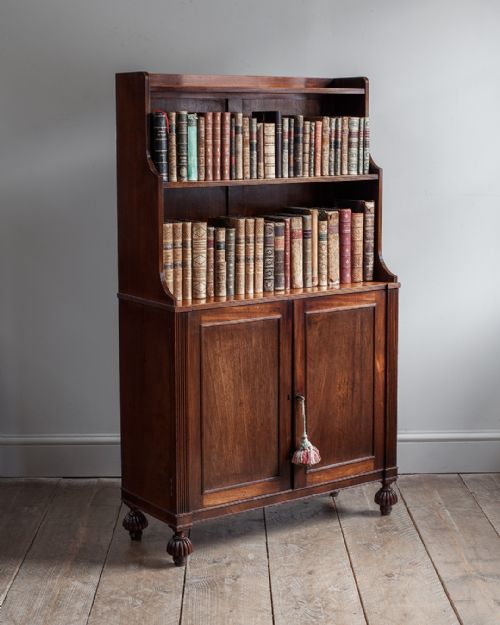
An open book cabinet bridges the gap between a traditional bookcase and a side cabinet, providing upper open shelving alongside lower enclosed compartments. This hybrid form appears frequently across the nineteenth and early twentieth centuries, spanning the Victorian and Edwardian periods.
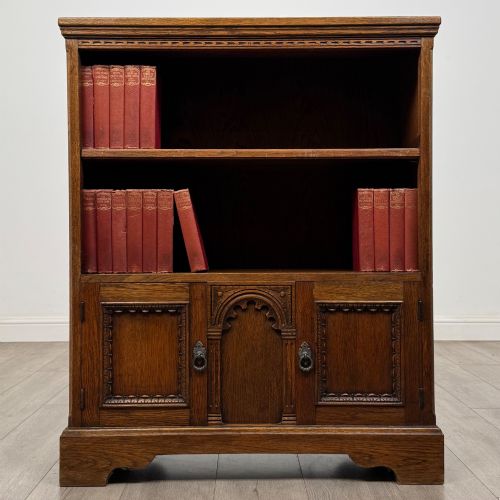
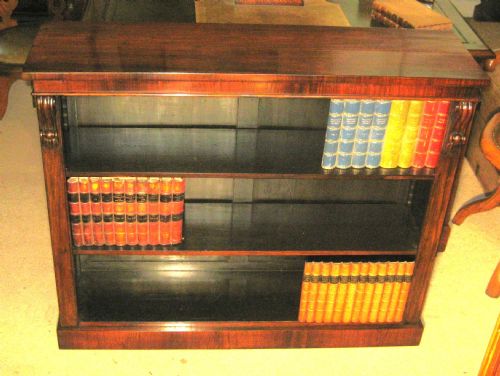
Makers constructed these pieces in various regional woods, including walnut, burr walnut, oak, golden oak, and rosewood. The proportions range from small bedside cabinets to tall library furniture designed to hold substantial volumes.
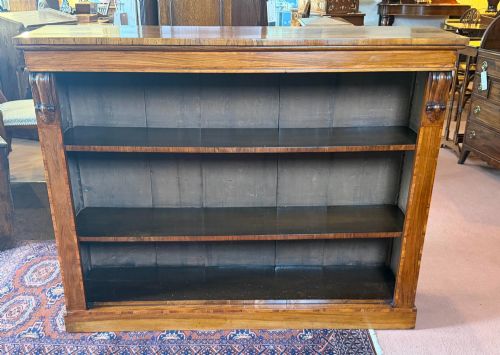
The layout typically incorporates adjustable shelves within the upper open section, allowing owners to customise shelf heights for different book sizes. Below the shelving, panelled doors or drawers enclose a smaller cupboard space.
Materials and Construction Techniques
Cabinet makers utilised solid timbers alongside decorative veneers to achieve distinct visual textures. Burr walnut veneer and figured mahogany feature prominently on polished display surfaces, while pine and solid oak provide structural integrity for internal components and shelving.
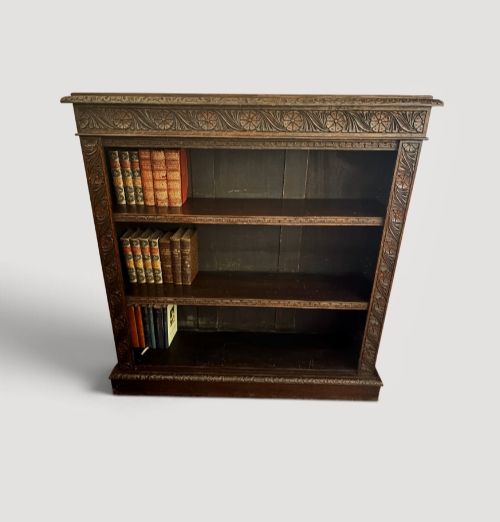
Carpentry methods from the Victorian and Edwardian eras involve traditional joinery, including dovetailed drawers and panelled backs. Carved details ornament specific styles, ranging from the linear restraint of Edwardian designs to heavier carved oak motifs on nineteenth-century library pieces.
Retail Price Guide 2026
Typical UK retail prices for open book cabinet, calculated from the Sellingantiques database of over a million retail prices indexed since 2003. This retail price guide relies exclusively on Sellingantiques data; no external sources or auction records are used, so the figures do not describe the wider market.
Some nineteenth-century makers experimented with painted simulated porphyry marble tops to mimic costly stone on wooden side cabinets.
Assessing Build Quality and Materials
The selection of timber dictates the visual impact, with highly figured burr walnut and rich rosewood representing the upper tier of cabinet making. Plain pine and standard oak occupy more utilitarian pieces intended for daily study use.
Holland & Sons of London·Shapland & Petter Of Barnstaple·Whytock & Reid
The Open Book Cabinet Glossary
- Burr Walnut
- A beautifully figured wood grain sourced from walnut tree growths, prized for its swirling patterns on cabinet doors and tabletops. Cabinet makers applied it as a veneer over stable secondary woods.
- Adjustable Shelves
- Shelving supported by movable pins or track systems rather than fixed placements, allowing users to alter vertical gaps. This feature accommodated varying folio sizes in nineteenth-century libraries.
- Side Cabinet
- A low storage unit traditionally placed against a wall, frequently combined with open bookshelves in hybrid library furniture. These pieces often feature enclosed cupboards beneath the main display tier.
- Astragal Glazed
- A method of dividing glass panes within a cabinet door using slender wooden mouldings. It appears on related display formats alongside open shelving configurations.
- Parcel-Gilt
- A decorative technique involving the partial application of gold leaf to specific carved details or mouldings. It highlights structural highlights against dark woods.
Frequently Asked Questions
How do I adjust the shelves?
Many period examples utilise wooden or metal ratchets, slotted uprights, or peg supports inside the bookcase section. By moving the supports to alternative slots or holes, you can alter the vertical space between shelves.
Original mechanisms should be handled carefully to avoid damaging the surrounding interior timber veneers.
Where were these cabinets used?
These cabinets primarily furnished domestic libraries, studies, and Victorian parlours where homeowners displayed bound books alongside decorative objects. Their combined storage layout made them useful in rooms requiring both open display and concealed organisation.
Smaller scale versions also functioned as bedside cabinets or low side units in bedrooms.
How do I care for walnut veneer?
Walnut veneer requires protection from direct sunlight and excessive humidity to prevent the thin surface wood from drying or lifting. Regular dusting with a soft, dry cloth preserves the polished finish without introducing moisture.
Application of appropriate furniture wax helps maintain the lustre of nineteenth-century timber surfaces.