
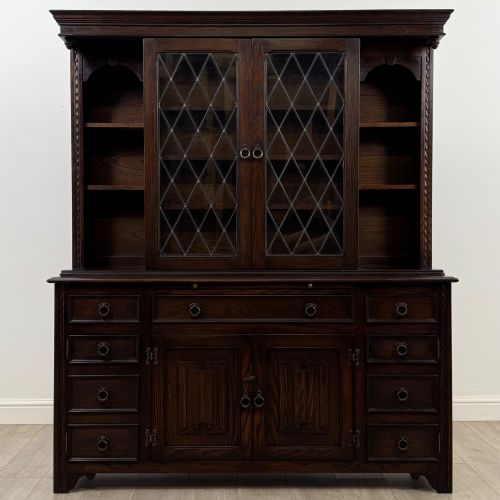
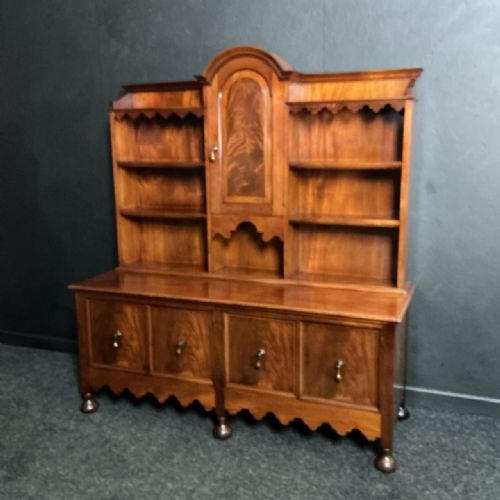
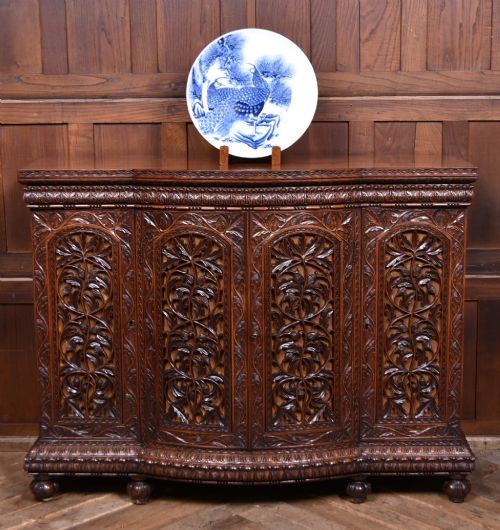
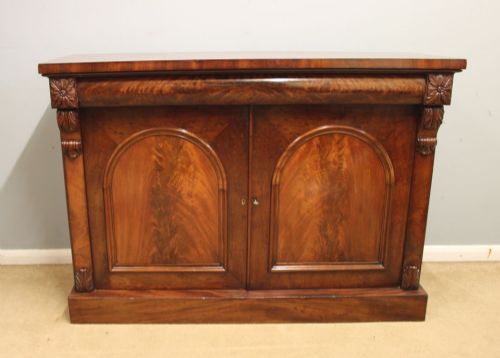
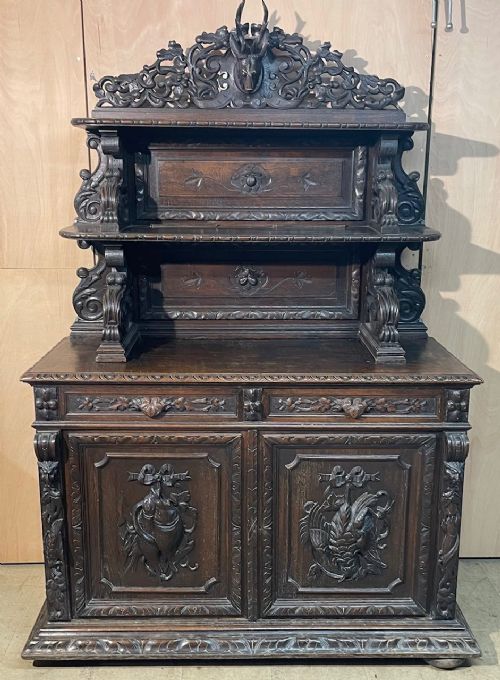
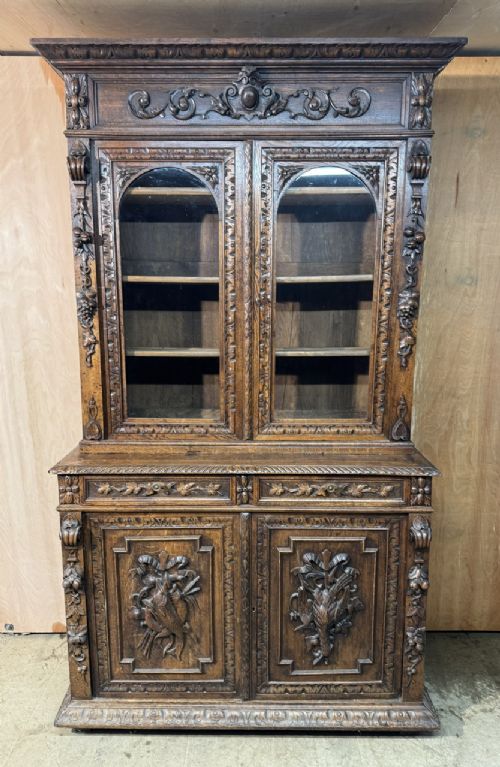
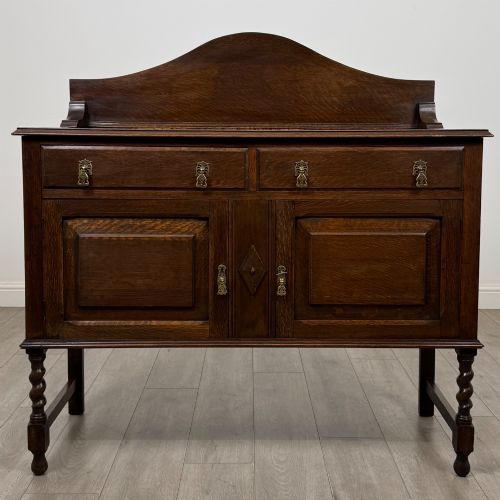
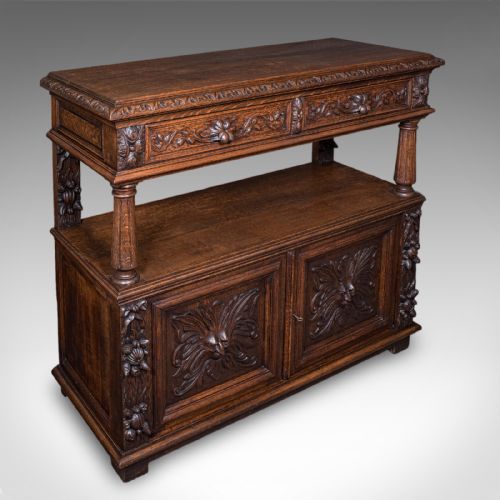
Dark Wood Buffet Cabinet
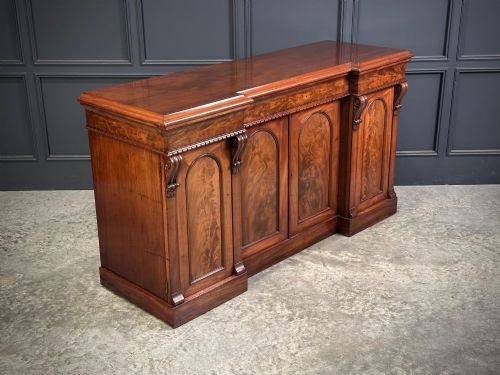
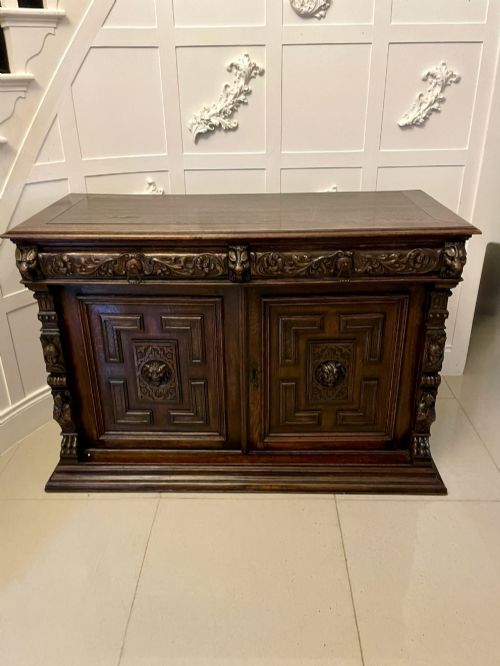
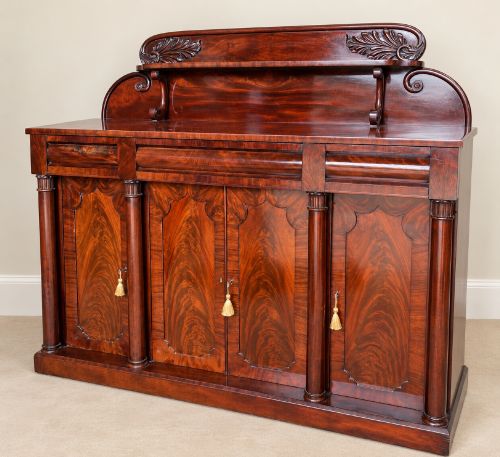
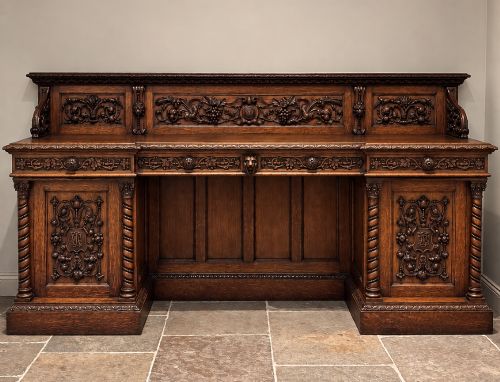
A dark wood buffet cabinet brings rich grain and practical storage to a dining room, offering substantial surface space and concealed cupboards for tableware.

What these pieces are
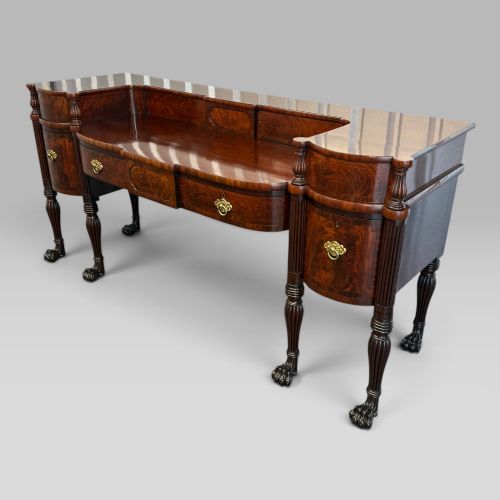
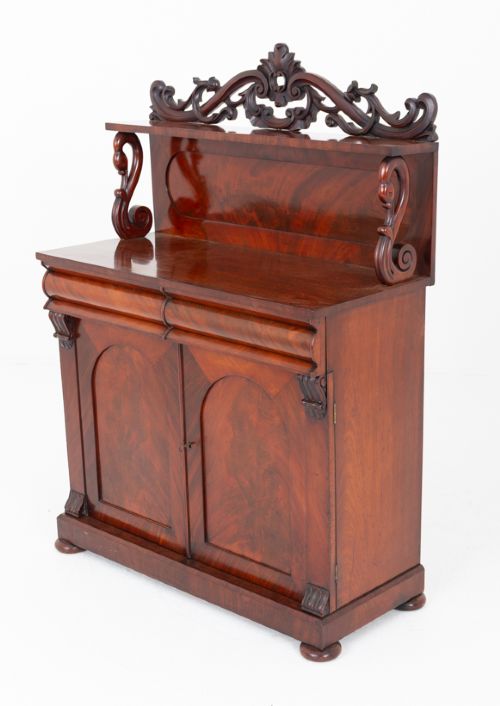
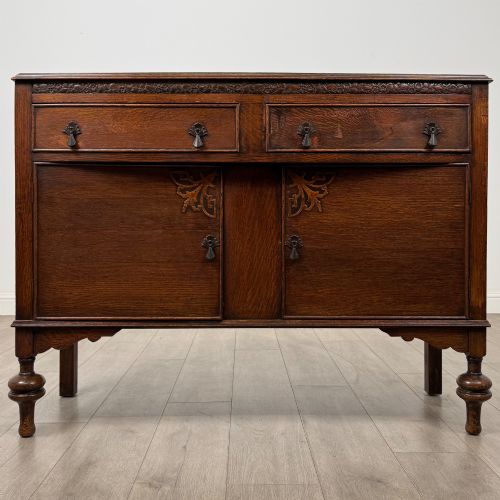
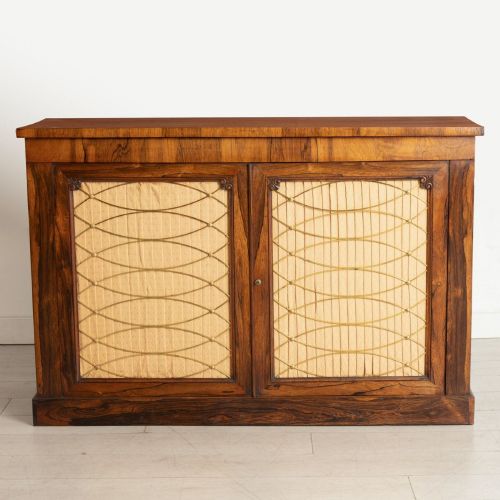
A dark wood buffet cabinet encompasses robust sideboards, dresser bases, and large side cabinets designed for storing dining china and serving food. These pieces emerge from periods spanning the eighteenth and nineteenth centuries, including the Georgian, Regency, William IV, and Victorian eras.
The most common formats on this page are substantial mahogany and oak sideboards featuring pedestal cupboard bases or breakfront structures. Pieces range from eighteenth-century country dresser bases to grand nineteenth-century rosewood and flame mahogany cabinets equipped with mirrors and multiple doors.
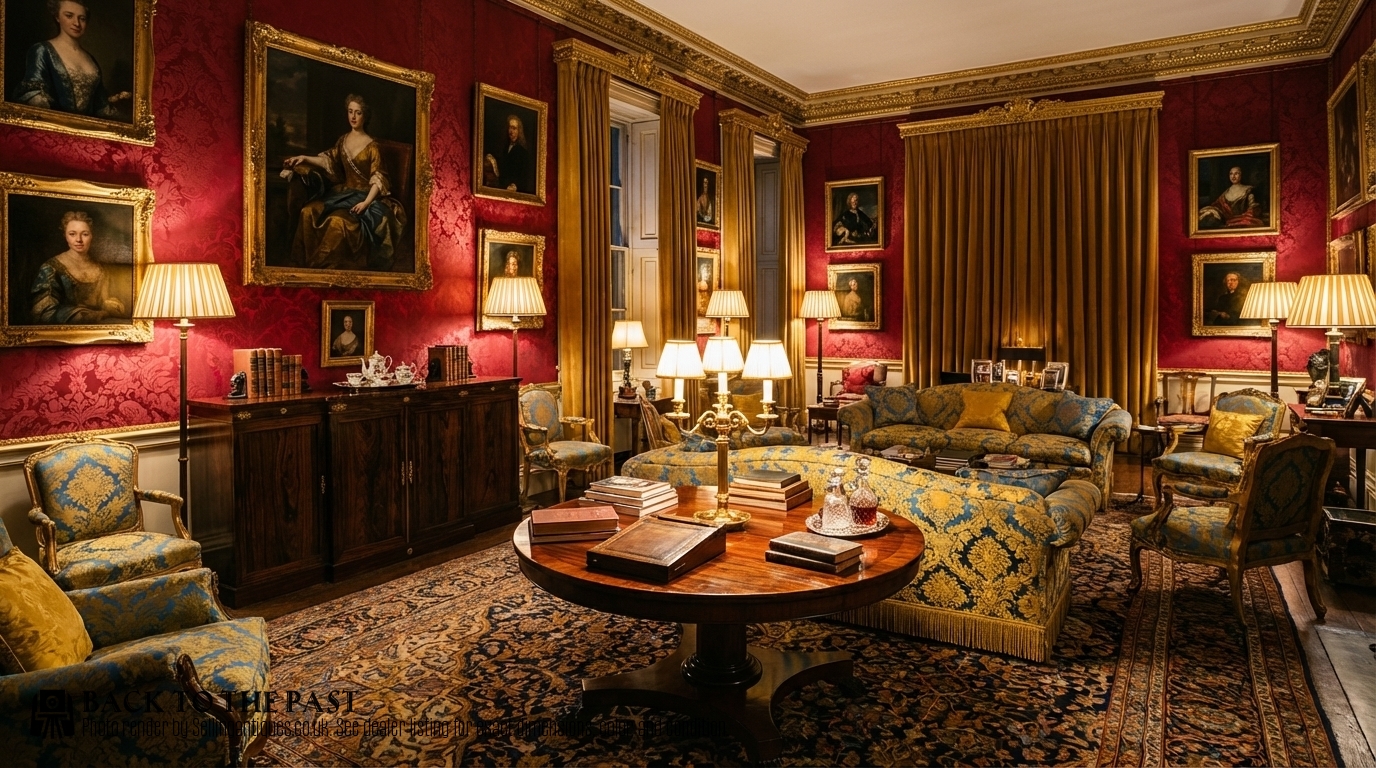
How they were made
Cabinet makers utilised dense timbers such as mahogany, oak, and rosewood, frequently applying figured flame mahogany veneer to create striking decorative patterns on drawer fronts and doors. Construction methods relied on traditional joinery to build heavy frames capable of supporting large timber tops and internal shelving.
Detailing often incorporated hand-carved elements, delicate inlay work, and fitted brass hardware such as drop handles and lock escutcheons. Later Victorian examples sometimes integrated glass panels and large mirrors into their upper superstructures.
Retail Price Guide 2026
Typical UK retail prices for dark wood buffet cabinet, calculated from the Sellingantiques database of over a million retail prices indexed since 2003. This retail price guide relies exclusively on Sellingantiques data; no external sources or auction records are used, so the figures do not describe the wider market.
Some nineteenth-century sideboards arrived with secret cellaret drawers lined to keep your claret cool during long Victorian dinners.
What varies in quality
Quality rests upon the selection of timber figures, where symmetrical flame mahogany veneers and dense, richly patinated oak display superior craftsmanship. The crispness of hand-carved mouldings and the precision of inlaid stringing distinguish workshop execution.
Structural complexity also defines the upper tier, seen in breakfront silhouettes and pedestal configurations that require advanced carpentry. Well-proportioned architectural cornices and original brass mounts elevate a piece above simpler utilitarian forms.
The Dark Wood Buffet Cabinet Glossary
- Breakfront
- A cabinet design where the central section projects forward from the flanking outer sections, adding architectural depth to the facade.
- Flame mahogany veneer
- A thin slice of mahogany timber cut from the fork of the tree where branches meet, producing a fiery, feather-like grain pattern used for decorative surfaces.
- Pedestal sideboard
- A heavy sideboard style featuring two distinct supporting pedestals or cupboards flanking a central section or table base.
- Dresser base
- A lower storage unit traditionally fitted with drawers and cupboards, originating from country houses before evolving into formal dining room sideboards.
- Inlay
- A decorative technique where contrasting woods or materials are set flush into the surface of a primary timber to form geometric or pictorial designs.
Frequently Asked Questions
Where should I place a dark wood buffet cabinet?
These large storage pieces traditionally anchor the dining room, providing a surface for serving dishes and cupboards for linen and cutlery.
They also function effectively in spacious hallways or living areas where substantial surface display and concealed storage are required.
How do I care for antique mahogany and oak?
Maintain the timber surfaces by applying natural beeswax periodically and avoiding placement near direct heat sources or strong sunlight.
Dust regularly with a soft, dry cloth to preserve the rich patina built up over centuries of use.
What is the difference between a sideboard and a buffet cabinet?
Sideboards and buffet cabinets both serve dining rooms, though buffet forms historically emphasise lower storage and serving surfaces.
In antique terminology, the categories often overlap, encompassing pedestal designs, dresser bases, and multi-door cupboards.
How do I identify a Regency period sideboard?
Regency pieces often display classical architectural restraint, featuring bold mahogany grains, brass lion-mask ring handles, and reeded or paw feet.
They reflect early nineteenth-century design tastes influenced by ancient Greek and Roman forms.