
Mahogany Dining Credenza
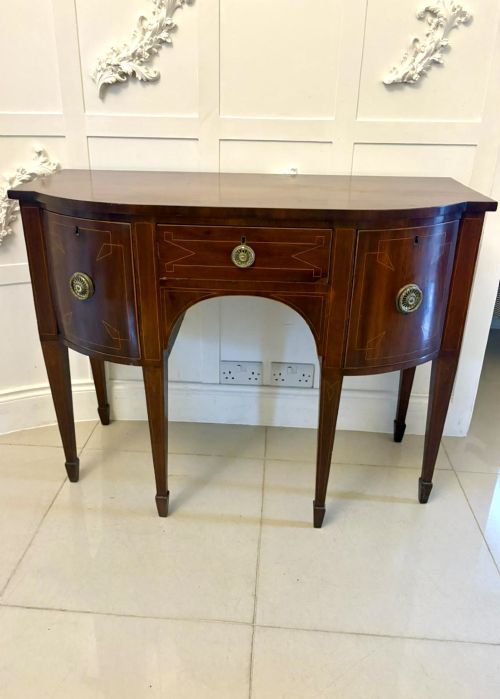
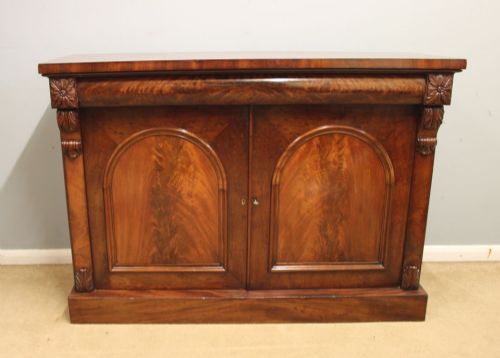
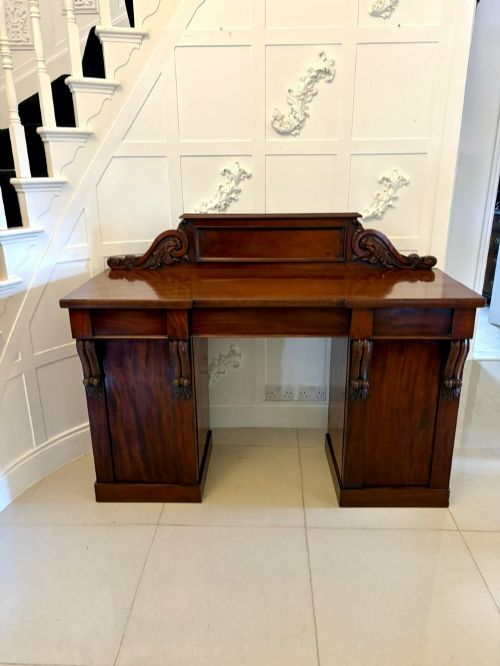
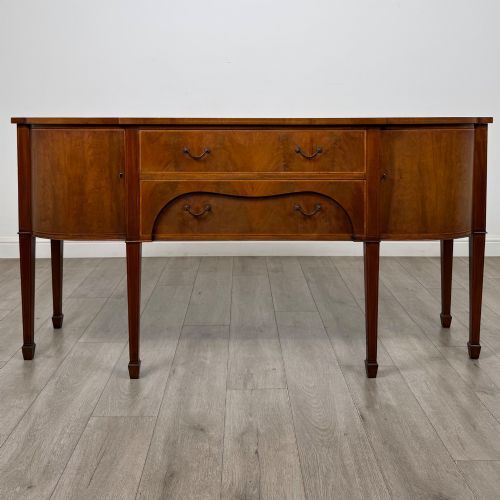
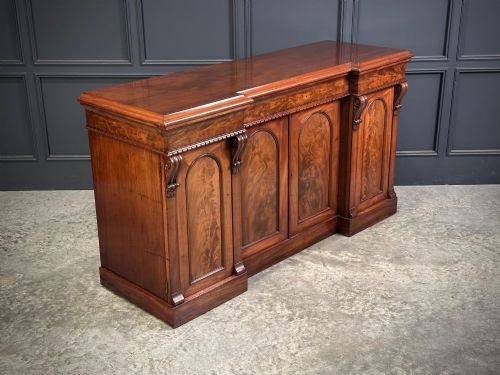
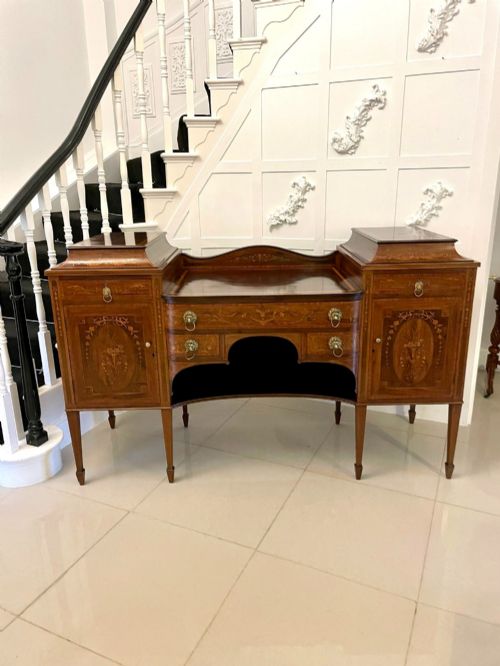
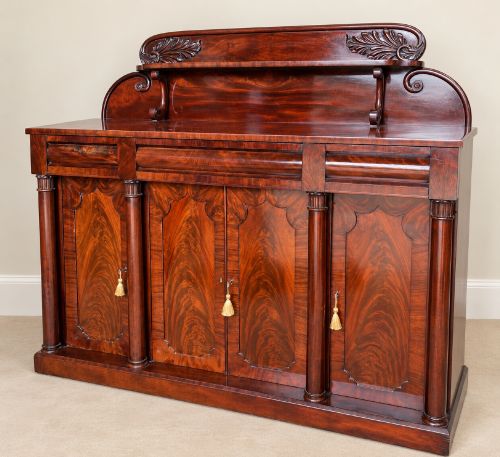
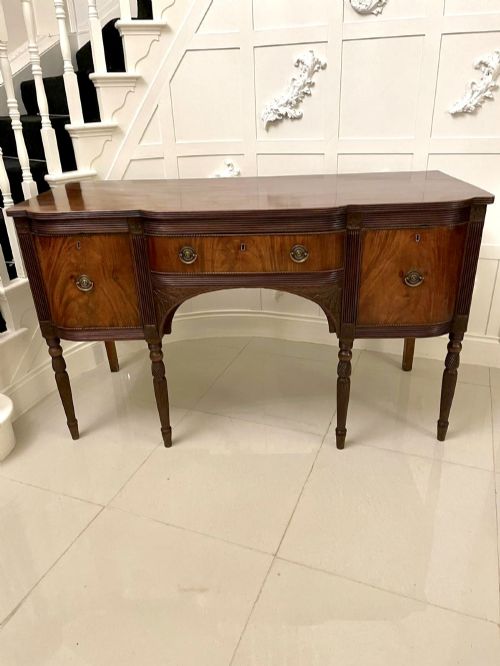
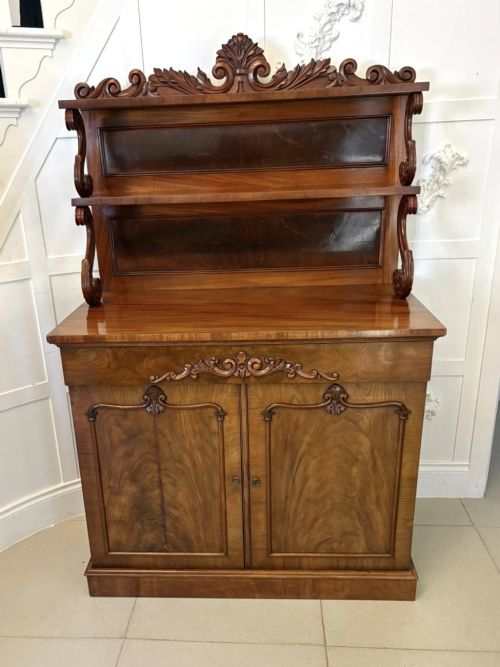
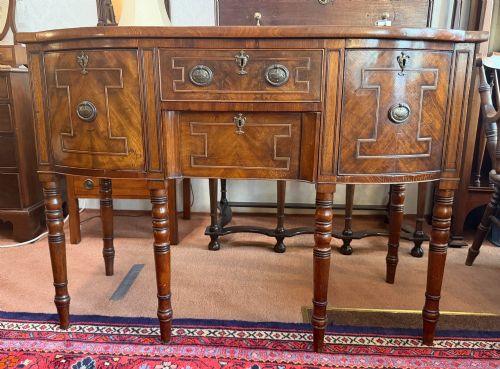
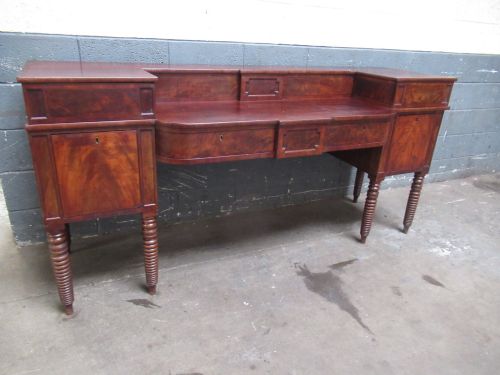
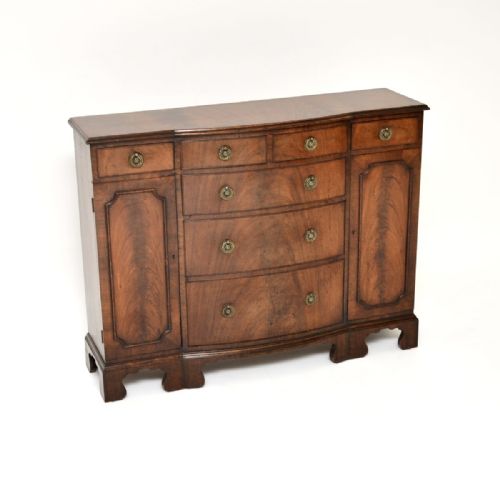
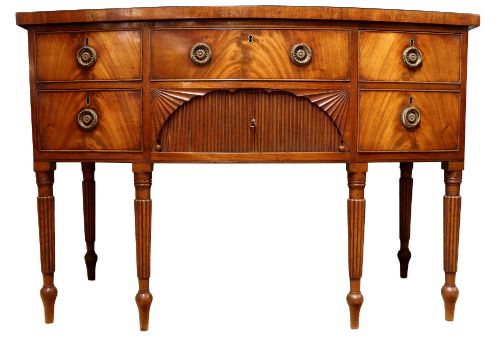
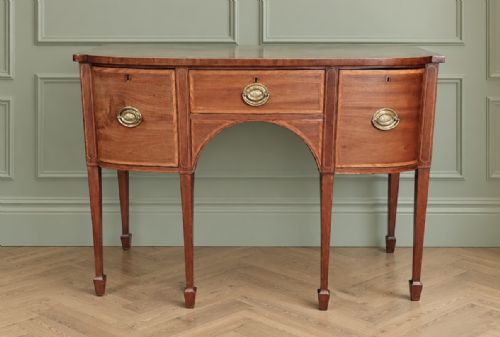
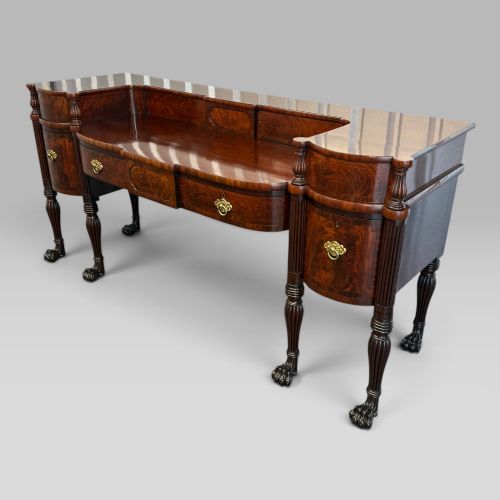
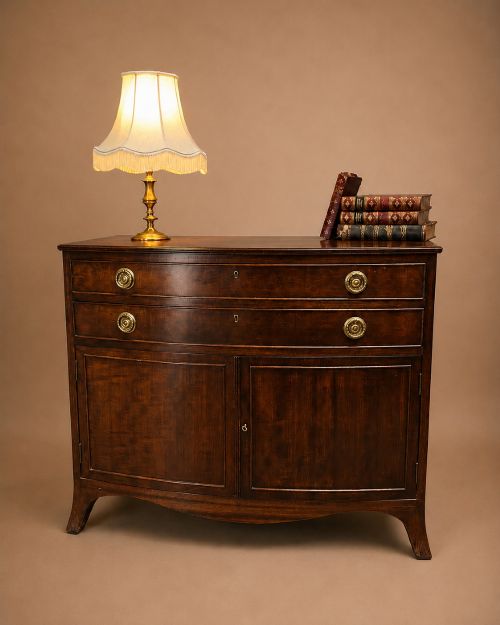
These mahogany dining credenza pieces are substantial Georgian sideboards built to anchor formal dining rooms with rich timber grain and ample storage.
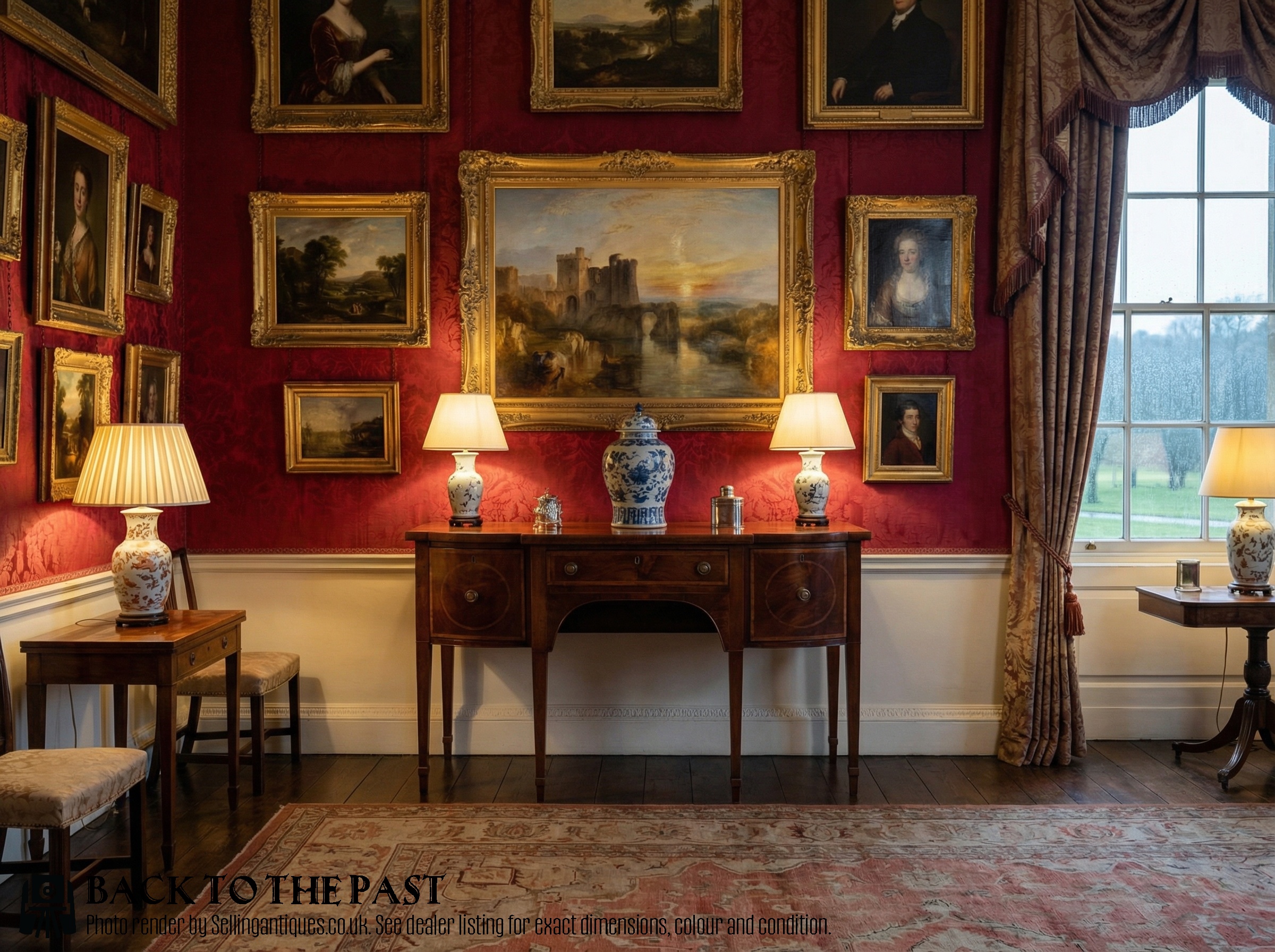
Identifying a mahogany dining credenza
Buyers seeking a mahogany dining credenza will encounter pieces described in listings as sideboards, spanning the Georgian period and around eighteen hundred. These items function as long serving furniture designed specifically for the dining room.
Construction and materials
Cabinet makers utilised solid mahogany and figured flame mahogany timber, selecting boards for depth of grain and warm natural colour. Surfaces often incorporate contrasting boxwood inlay and delicate line inlay to define edges and panel borders.
Structural elements integrate brass fittings and hardware alongside glass components where appropriate. Artisans shaped timber using traditional joinery methods to build robust sideboards that withstand daily use.
Retail Price Guide 2026
Typical UK retail prices for mahogany dining credenza, calculated from the Sellingantiques database of over a million retail prices indexed since 2003. This retail price guide relies exclusively on Sellingantiques data; no external sources or auction records are used, so the figures do not describe the wider market.
Assessing quality
The distinction between standard examples and the finest pieces rests in the selection of timber veneer, particularly the vibrancy of flame mahogany figures. Superior items display meticulous attention in the alignment of boxwood inlay and crispness of geometric stringing.
Construction refinement shows in the weight and finish of original brass fittings and the smoothness of drawer operation. Master cabinet makers achieved balanced proportions and harmonious integration of decorative details across the entire sideboard frame.
The Mahogany Dining Credenza Glossary
- Bowfront
- A curved cabinet front that swells outward in the centre, offering softer lines and increased internal space compared to flat designs. This shape became popular during the Georgian period for dining room furniture.
- Flame mahogany
- A distinctive wood veneer cut from branches or fork joints of the tree, displaying a rippled, flame-like pattern. Cabinet makers reserved this highly figured timber for prominent drawer fronts and doors.
- Line inlay
- Narrow strips of contrasting wood, such as boxwood, inserted into shallow channels on the furniture surface. This technique creates delicate linear borders that frame panels and drawers.
- Georgian
- Pertaining to the period spanning the reigns of the first four British kings named George, characterised by classical proportions and refined craftsmanship. Furniture from this era places strong emphasis on mahogany and structural symmetry.
Frequently Asked Questions
How do I date a Georgian sideboard?
Dating relies on examining the timber species, construction methods, and secondary woods used inside drawer linings. Cabinet makers of the eighteenth century employed specific joinery techniques and hardware styles that shifted over time.
Comparing the primary mahogany grain and inlay patterns against documented examples helps narrow the decade of manufacture. Consulting the listed period details provides the primary baseline for age.
Where should I place a sideboard?
These long serving pieces suit formal dining rooms, large hallways, or spacious living areas where their generous length can be appreciated. Ensure adequate clearance around the front for opening drawers and doors.
Position the timber away from direct heat sources and strong sunlight to protect the polished mahogany finish and delicate boxwood inlay.
What is flame mahogany?
Flame mahogany is a highly decorative wood veneer harvested from the junction where branches meet the main tree trunk. The grain swirls in a pattern resembling flickering fire tongues.
Craftsmen used this striking material on prominent exterior surfaces to create visual drama and highlight the status of the furniture.
How do I care for antique mahogany?
Maintain the surface by dusting regularly with a soft, dry cloth and applying high-quality beeswax periodically to nourish the timber. Avoid using silicone sprays or harsh chemical cleaners that damage the historic polish.
Keep the room humidity stable to prevent the solid wood and veneers from expanding, contracting, or cracking over the seasons.