
Antique Wood Buffet
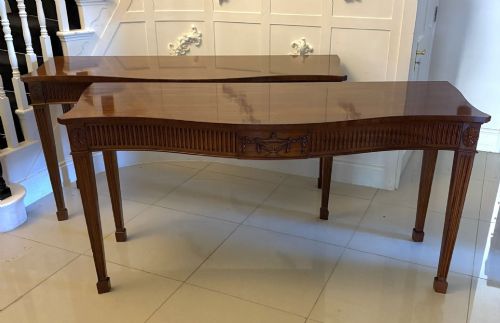
An antique wood buffet brings solid craftsmanship and generous dining room storage into the home, ranging from grand Georgian sideboards to carved oak side cabinets.
Antique Wood Buffet
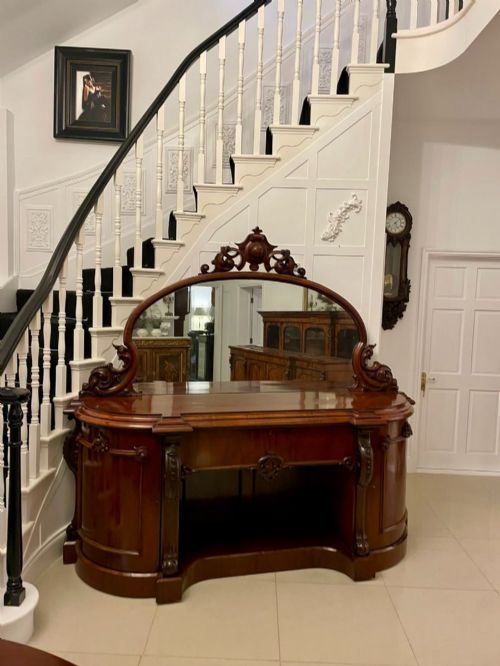
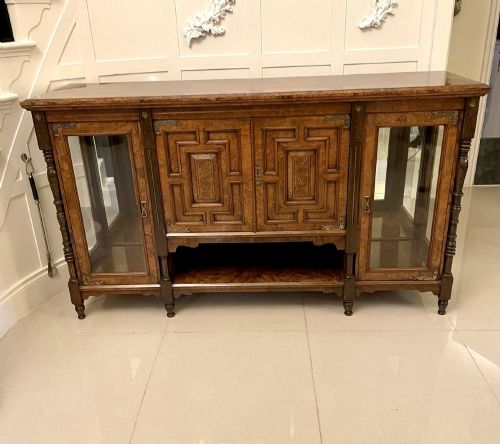
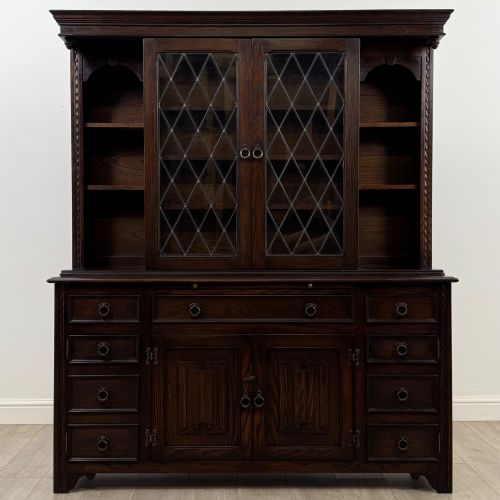
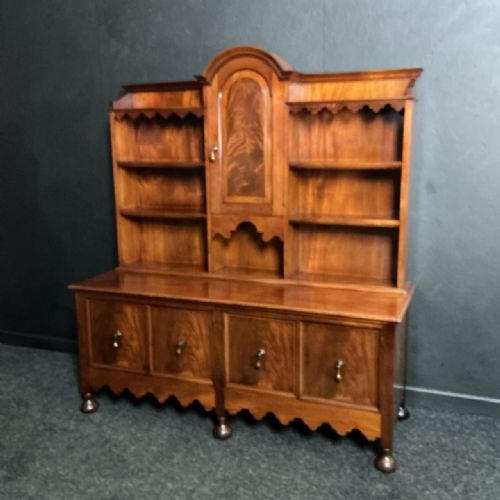
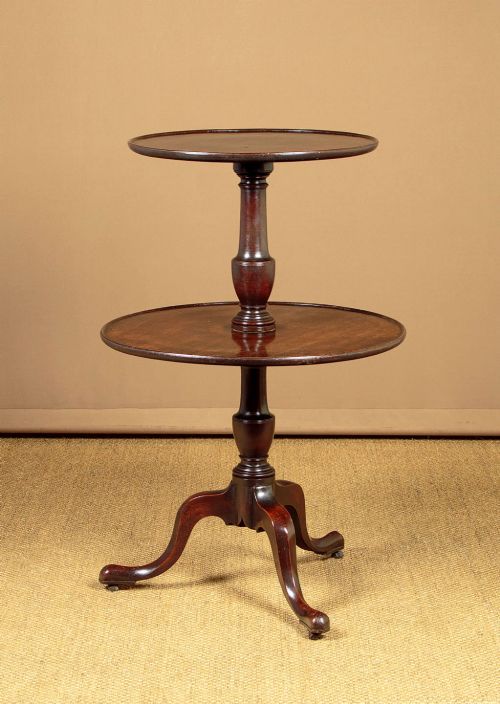
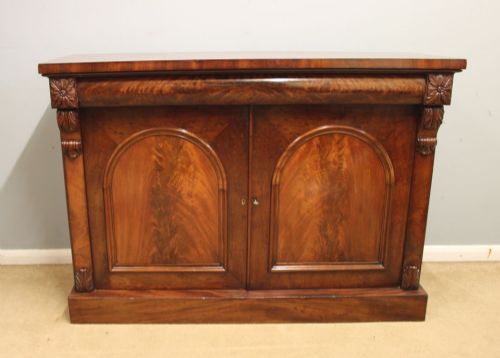
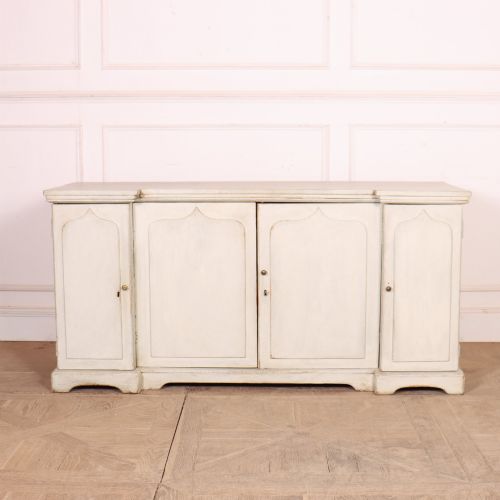
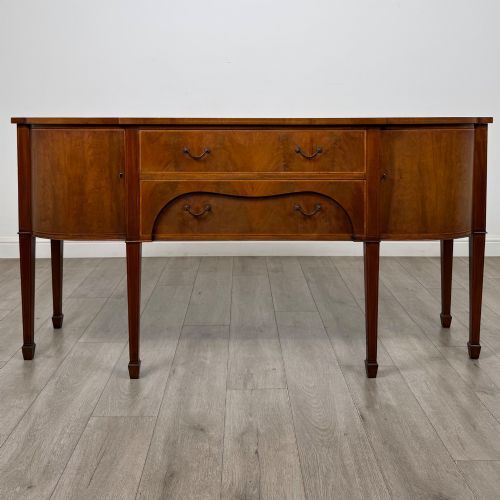
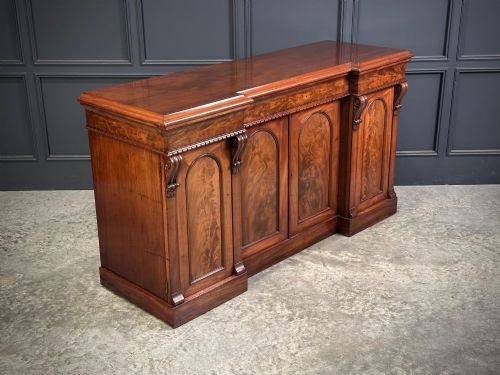
An antique wood buffet functions primarily as a dining room serving station and storage piece, encompassing forms such as sideboards, chiffoniers, credenzas, and breakfront dresser bases. When searching for an antique wood buffet, buyers encounter diverse regional interpretations, from English mahogany servers to French cherry wood buffet a deux corps.
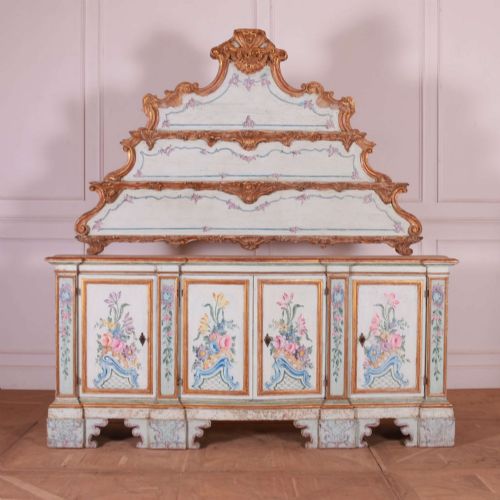
The pieces span multiple centuries, with Georgian, Victorian, and Edwardian examples forming the core of the selection. Oak and mahogany dominate the offerings, appearing alongside walnut, rosewood, and painted finishes to suit various interior schemes.
How they were made
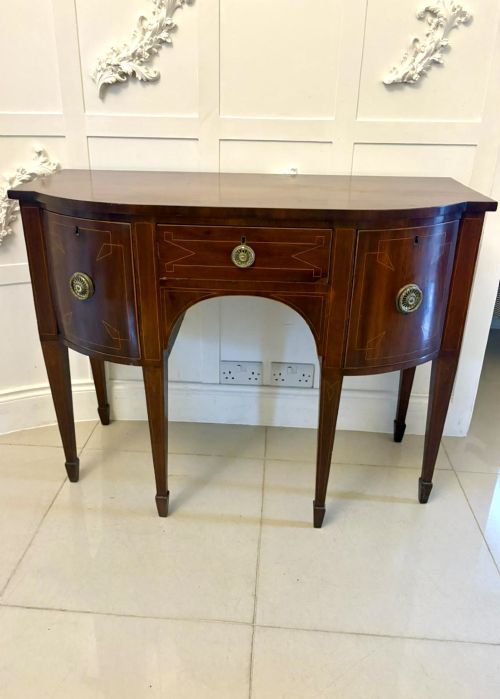
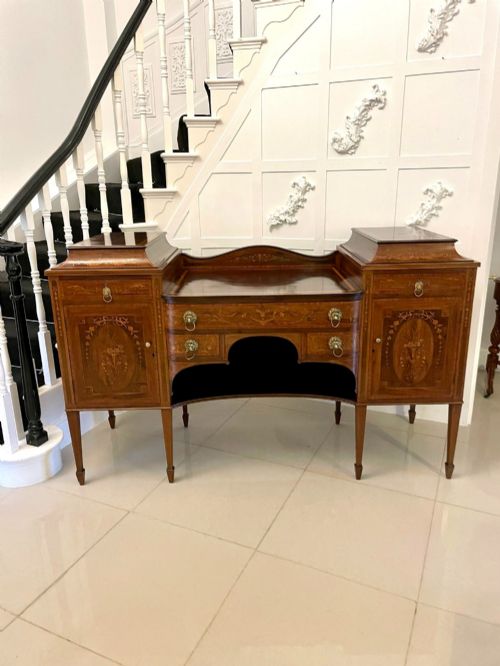
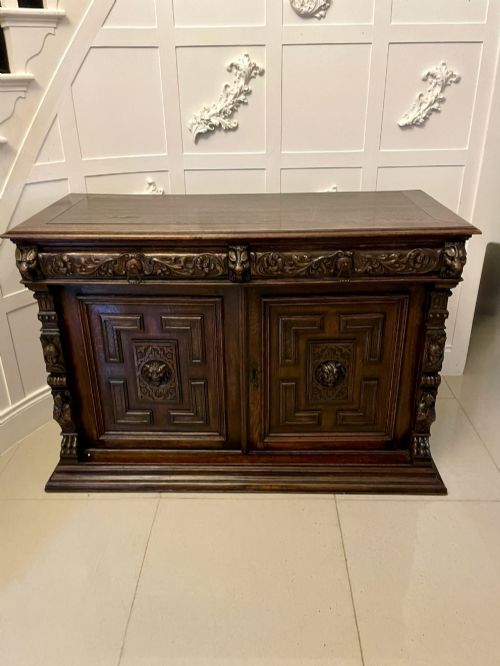
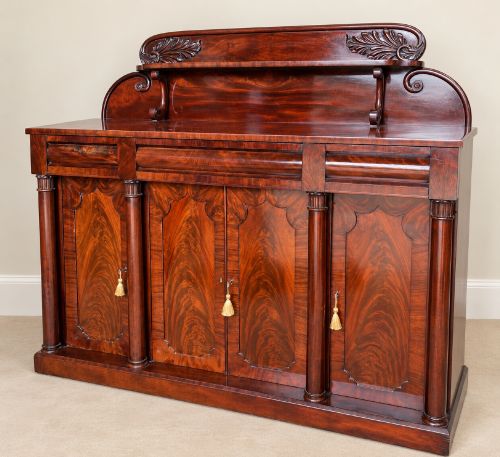
Cabinet makers utilised dense hardwoods like mahogany, oak, and walnut, often selecting flame mahogany or burr walnut veneers for prominent drawer fronts and cupboard doors. Construction methods involved traditional joinery, sturdy carcases, and shaped fronts such as bow-front and serpentine designs.
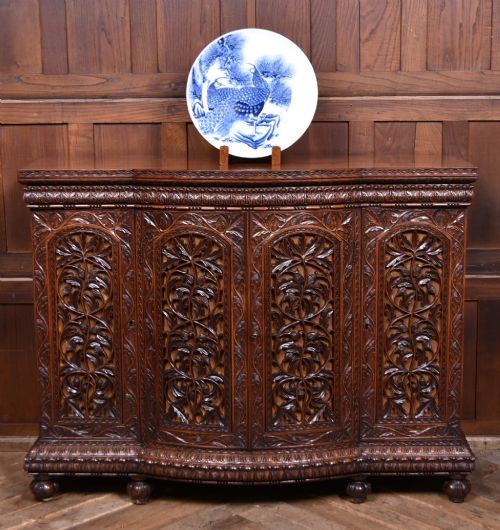
Decorative details rely on natural grain patterns supplemented by inlaid marquetry, brass hardware, glass panels, and carved motifs including neoclassical elements and barley twist supports.
A seafaring butler's buffet on wheels once served drinks aboard a historic British warship.
What varies in quality
The standard of execution depends heavily on the crispness of hand-carved details, the selection of figured timber veneers, and the integrity of the original hardware and brass mounts. Superior examples demonstrate thoughtful proportions, precise inlay work, and balanced symmetry across serpentine or bow-front profiles.
Makers who supplied high-end clientele incorporated secondary timbers of equal grade and executed interior fittings with notable care, whereas utilitarian pieces relied on simpler construction and plain stock.
Hewetsons London
The Antique Wood Buffet Glossary
- Buffet
- A sideboard or storage cabinet traditionally used for food service and tableware storage in dining rooms.
- Serpentine
- A furniture front characterised by a gently curved shape with a convex centre flanked by concave ends. This contour requires skilled carpentry to shape timber accurately.
- Chiffonier
- A low Victorian cabinet featuring cupboards and often a raised shelf or mirror back. It evolved from simpler sideboards to serve urban drawing rooms.
- Marquetry
- Decorative veneer patterns formed by fitting together small pieces of various woods. Craftsmen assemble these geometric or floral designs on cabinet doors and tabletops.
- Breakfront
- A large cabinet or sideboard whose central section projects forward from the flanking outer sections. This architectural form adds depth and visual rhythm to formal dining furniture.
Antique Wood Buffet: Frequently Asked Questions
What is the difference between a buffet and a sideboard?
Historically, a buffet often implies a piece with lower proportions and enclosed storage specifically for serving food, while a sideboard can include plate racks or mirror backs. Both terms describe dining room storage furniture designed to hold tableware and linens.
In practical modern use, the terms overlap significantly, and makers from the Georgian and Victorian eras applied them interchangeably depending on regional terminology and specific client requirements.
How do I date an antique wooden buffet?
Dating relies on examining the timber species, construction techniques, hardware, and prevailing stylistic influences. Georgian pieces frequently feature clean classical lines and fine mahogany veneers, whereas Victorian examples tend to be heavier with rich carving or mirror backs.
Edwardian furniture often revives earlier Jacobean or Georgian motifs while incorporating lighter woods and practical internal storage adjustments suited to twentieth-century homes.
Can I use an antique buffet in a modern kitchen?
An antique wood buffet provides substantial surface space and deep cupboards that function well for storing dinnerware, glassware, or even dry goods in a contemporary kitchen. Their solid construction handles daily use effectively when placed away from excessive moisture.
Stylistically, placing a piece of antique brown furniture against modern minimalist cabinetry creates an appealing contrast and adds warmth to the room.
How should I maintain a polished wood surface?
Regular maintenance involves dusting with a soft, dry cloth and occasionally applying a quality beeswax to nourish the timber and protect the polished finish. Avoid placing wooden furniture near direct heat sources or in strong sunlight to prevent the grain from drying out.
Using coasters and mats helps prevent moisture rings and scratches from cups or serving dishes during dinner parties.