
Antique Vitrine Display Stand
An antique vitrine display stand holds and protects fragile objects behind glass, bringing height and light to a room.
Antique Vitrine Display Stand
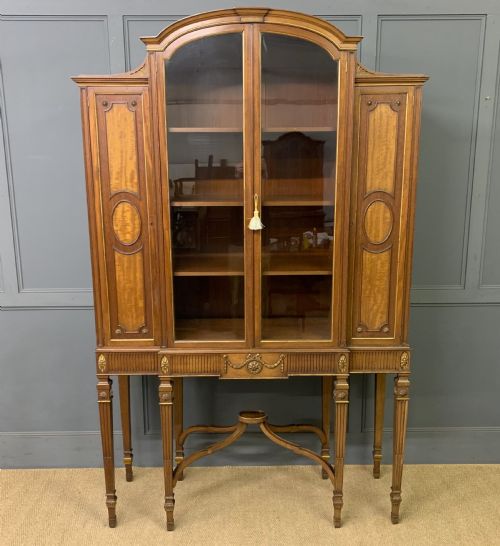
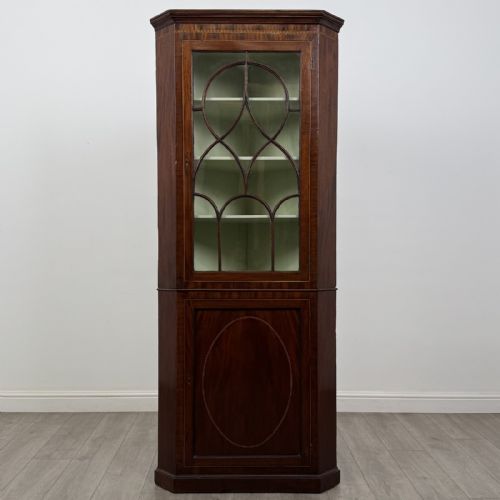
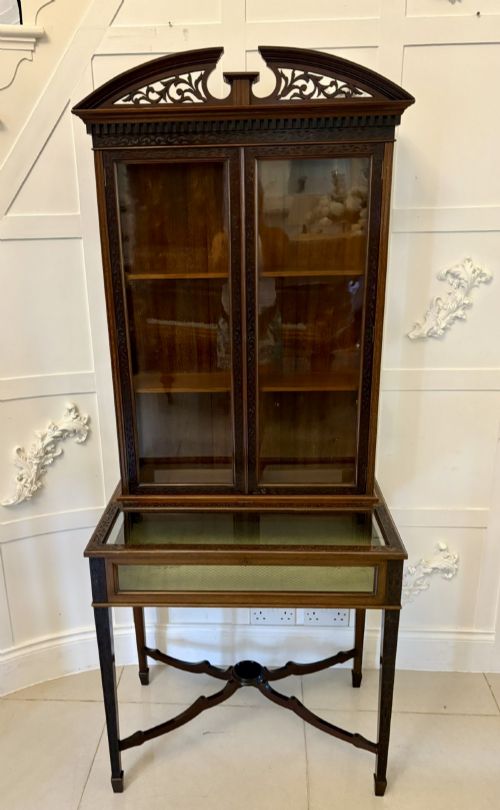
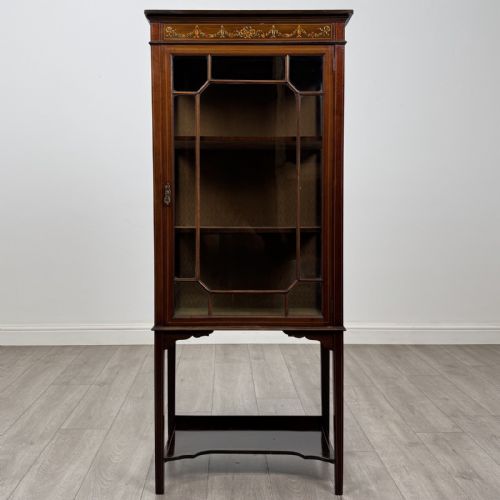
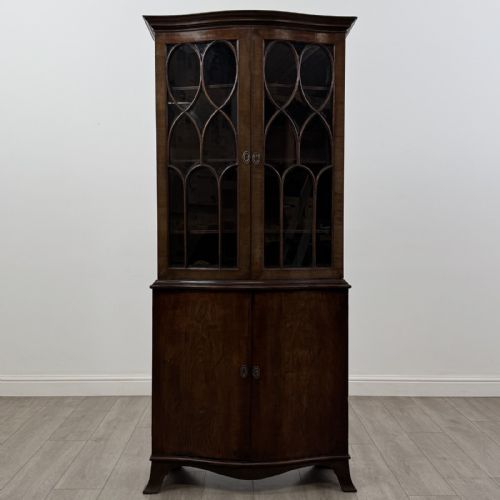
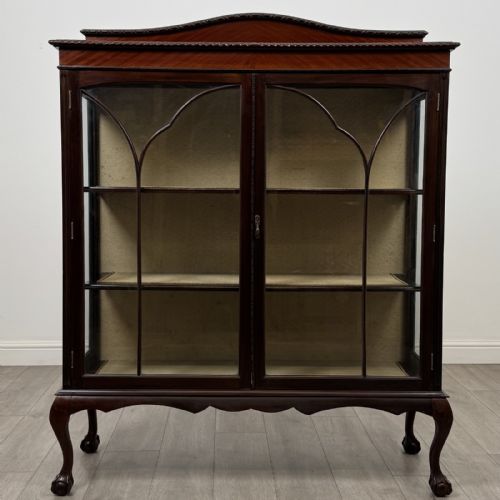
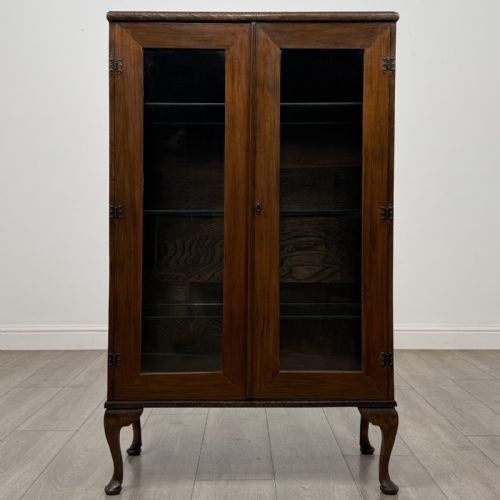
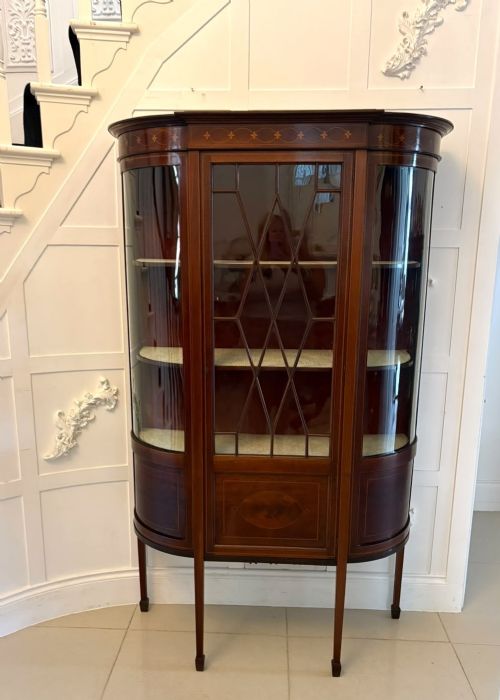
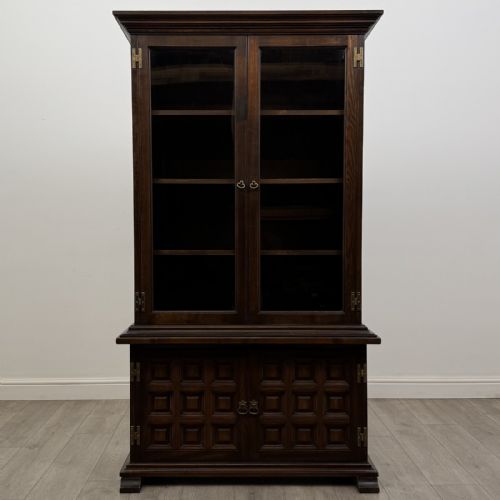
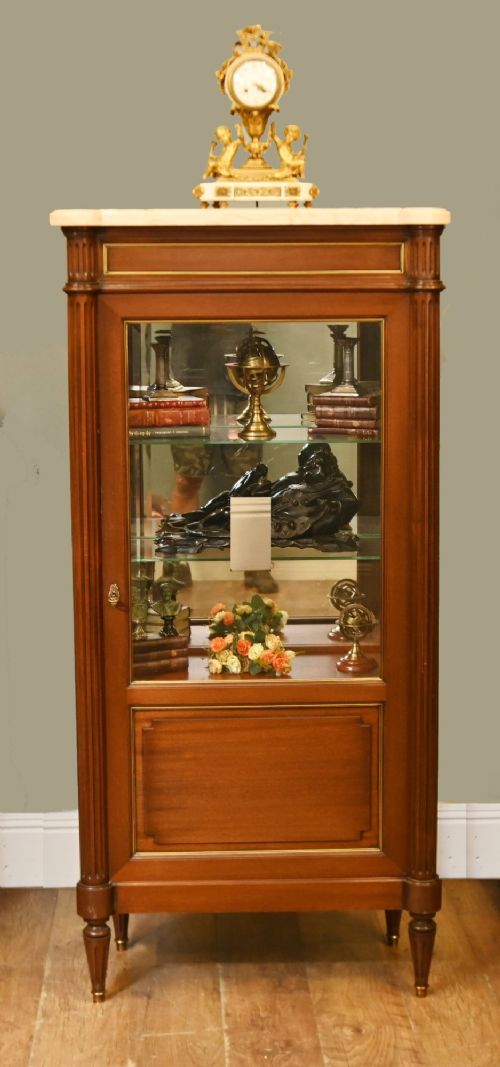
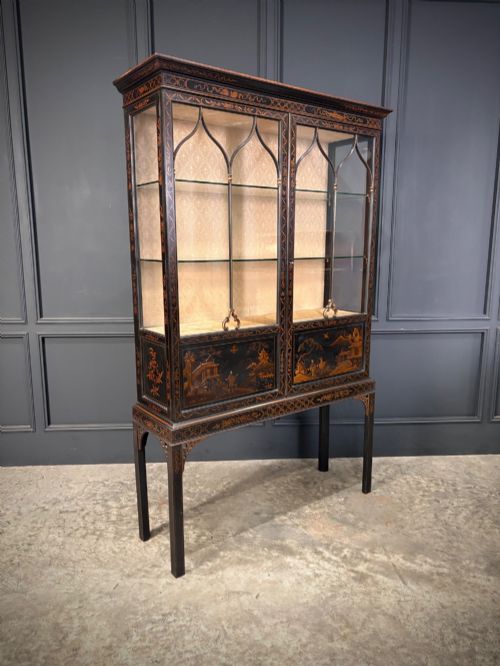
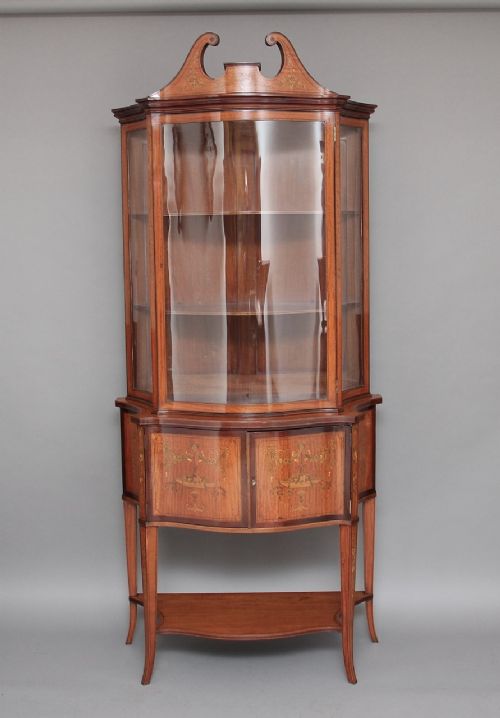
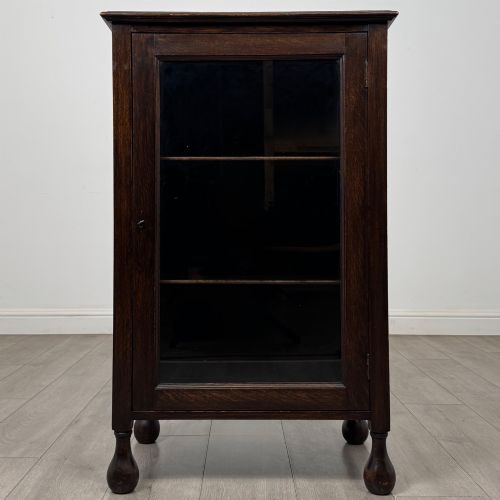
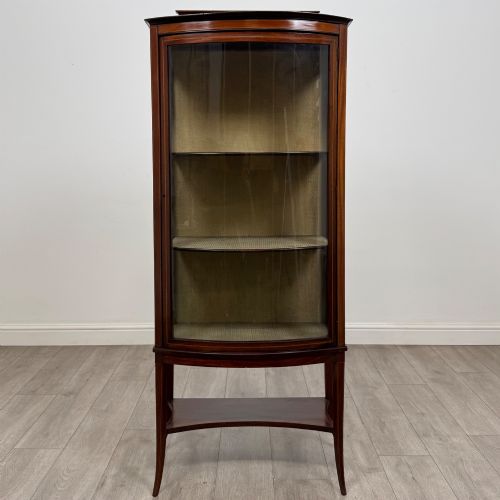
When you search for an antique vitrine display stand, you encounter tall floor-standing cabinets, corner units, and compact pieces raised on stands. The Edwardian era and the nineteenth century dominate the selection, bringing mahogany, satinwood, and oak timbers together with glazed doors to showcase porcelain, silver, and curiosities.
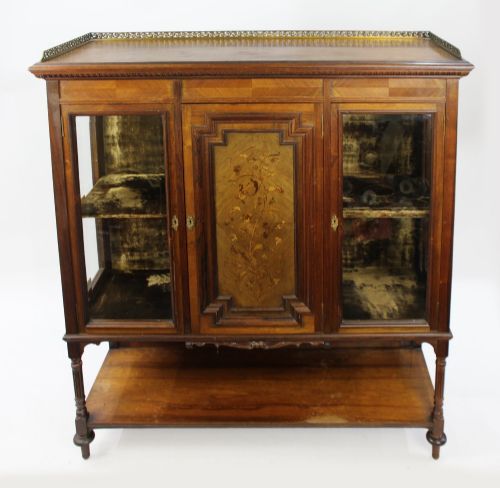
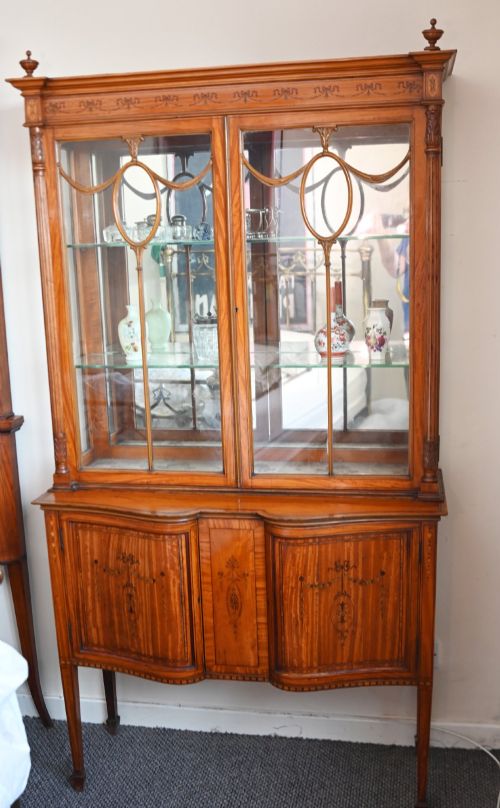
Many examples follow Sheraton Revival or Chinese Chippendale styles, featuring inlaid banding, astragal glazing bars, and carved details. Corner cabinets and flat display cabinets offer different ways to utilise wall space, while pieces on stands elevate the display surface entirely off the floor.
Materials and construction
Cabinet makers constructed these pieces primarily from solid mahogany, oak, walnut, and pine, often applying finely figured satinwood veneers and contrasting stringing. Glass panels are set into timber doors, sometimes framed by brass mounts and supported internally by fabric-lined shelving.
Joinery relied on traditional techniques, incorporating hand-cut dovetails for drawers and pegged mortise and tenon frames for structural integrity. Surface decoration ranges from carved mouldings and painted details to delicate inlaid motifs characteristic of the revival periods.
Materials recorded across current pieces include brass, mirror plate, fabric linings, and satinwood inlay alongside primary timbers.
Markers of fine execution
Quality reveals itself in the selection of timber veneers and the precision of the inlay work, where fine lines of contrasting wood meet without gaps. The thickness and clarity of the glass, alongside the delicacy of the wooden glazing bars, separate standard workshop output from exceptional cabinet work.
Carved ornament provides another measure of standard, distinguishing sharp, hand-chiselled foliage and scrolls from softer, mass-produced mouldings. Original painted decoration and well-figured grain patterns further elevate a piece above simpler utilitarian furniture.
Collinson & Lock·Maple & Co.
The Antique Vitrine Display Stand Glossary
- Vitrine
- A glass-fronted cabinet designed for displaying fine objects and porcelain. The term comes from the French word for glass.
- Astragal
- A small convex moulding used as a glazing bar to hold individual panes of glass within a door. These wooden bars form geometric patterns across the front of the cabinet.
- Satinwood
- A lustrous, hard timber native to India and Ceylon with a golden-yellow sheen. Cabinet makers utilised it extensively for veneers and decorative banding.
- Inlay
- A technique where pieces of contrasting timber, shell, or metal are inserted into recesses cut into the solid wood surface. This creates flat, decorative patterns across doors and friezes.
Antique Vitrine Display Stand: Frequently Asked Questions
What is an antique vitrine display stand used for?
These cabinets protect and display delicate ceramics, glassware, silver, and small collections away from dust and handling. The glazed panels and internal shelving allow light to reach the items from multiple angles.
Placed in drawing rooms or reception spaces, they elevate everyday objects into curated displays while providing enclosed storage beneath or within the main body.
How do I date an Edwardian display cabinet?
Edwardian cabinets typically date from between 1901 and 1910, often showing Sheraton Revival influence through satinwood inlay and mahogany timbers. Look at the construction of the interior shelves and backboards for clues regarding machine versus hand tools.
Hardware such as brass hinges and locks can also help confirm the period, alongside the style of any painted or carved decoration present on the frame.
Are corner cabinets practical for small rooms?
Corner display units utilise unassigned wall junctions, making them effective for smaller spaces where a flat-fronted cabinet would obstruct movement. They draw the eye upward and turn an awkward angle into a decorative focal point.
Many examples feature glazed upper doors for display and solid lower doors for concealed storage, balancing utility with a compact footprint.
What is the difference between a vitrine and a bookcase?
A vitrine primarily prioritises visibility with glass panels on the sides as well as the front, allowing ambient light to illuminate collections from all directions. Bookcases are generally built with solid timber sides and deeper shelves designed for books rather than decorative objects.
While some larger furniture pieces combine both functions under shared headings, dedicated display stands focus entirely on exhibition.