


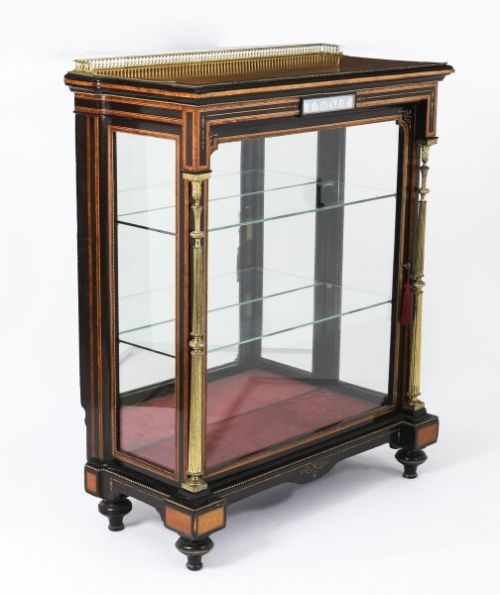


Glass Collector Cabinet
A glass collector cabinet displays precious small things under glass, bringing order and visibility to a room.
Glass Collector Cabinet
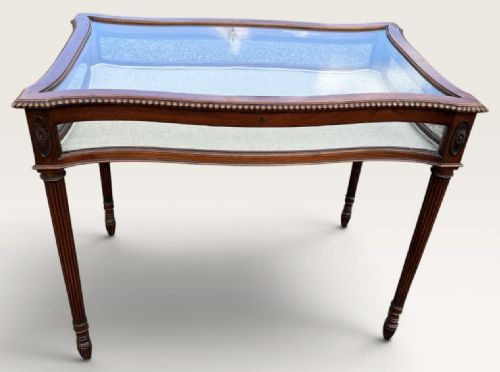
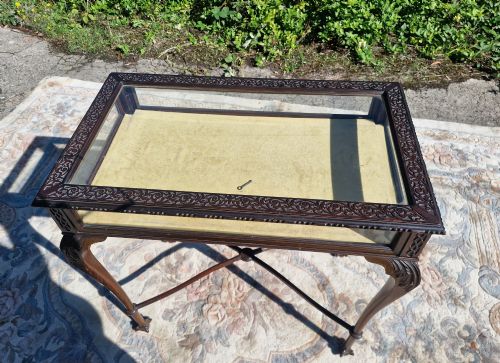
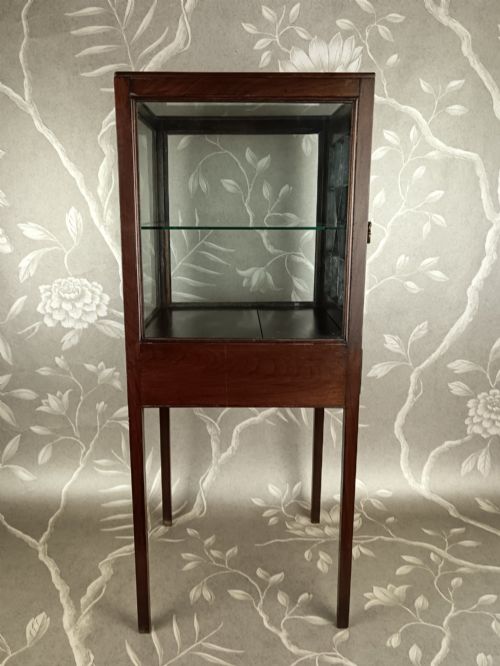
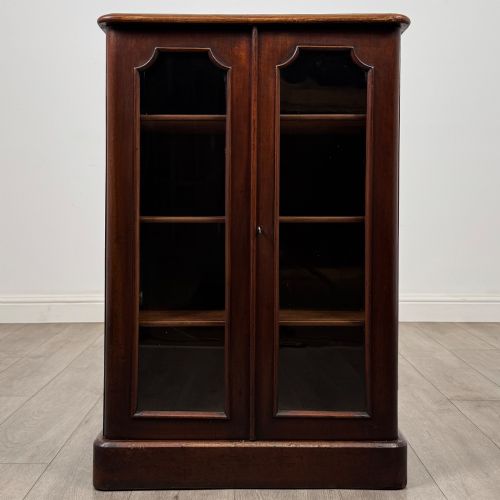
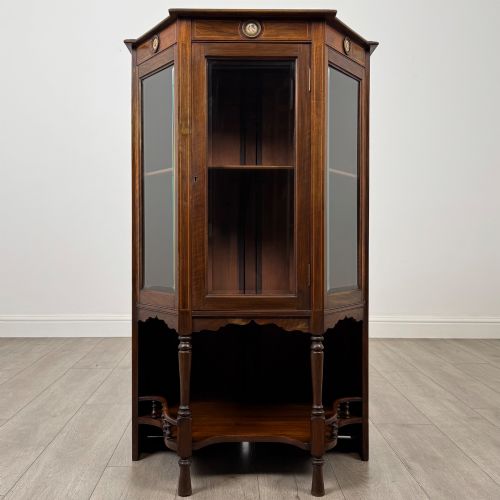
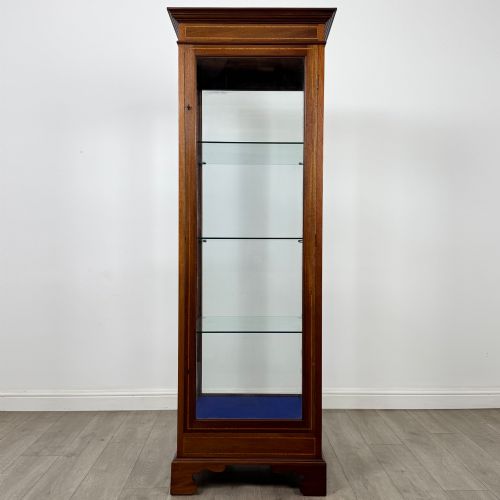
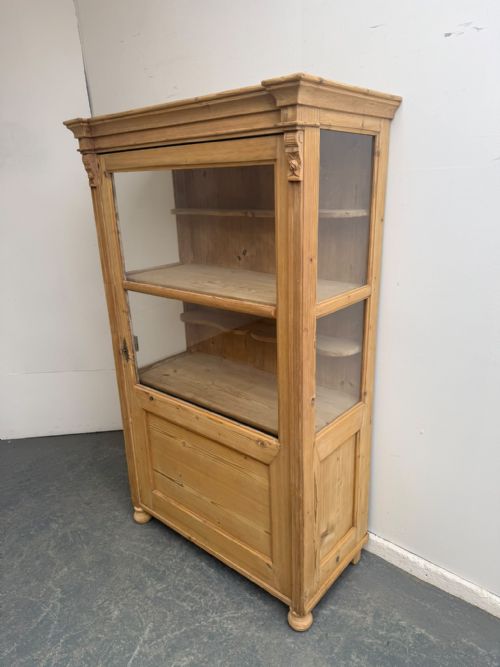
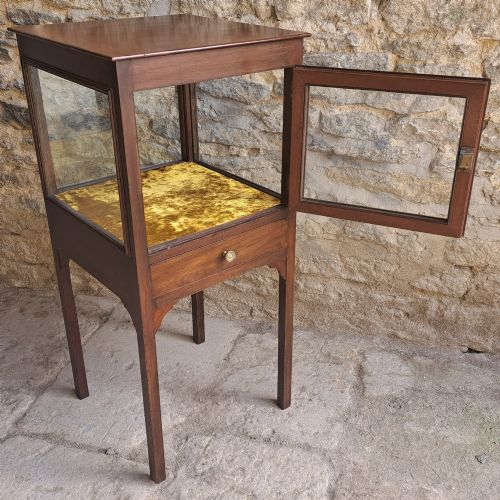
A glass collector cabinet unites glazed viewing surfaces with specialised storage for small specimens, curiosities and jewellery. These pieces range from countertop display cases to tall freestanding vitrines and multi-drawer specimen chests designed to protect delicate objects from dust while keeping them visible.
Edwardian and Victorian examples dominate the available selection, alongside pieces spanning the nineteenth and early twentieth centuries. Buyers frequently encounter tabletop bijouterie tables, countertop shop display cases and multi-drawer cabinets framed in rich timbers.
The form adapts to domestic and commercial interiors alike, encompassing low display tables with glazed tops, upright pier cabinets and substantial multi-drawer storage units. Each variant serves a distinct purpose, whether presenting jewellery in a drawing room or organising scientific slides in a study.
How they were made
Cabinet makers utilised dense hardwoods including mahogany, oak, walnut and satinwood, frequently applying intricate veneers, brass hardware and mirror glass to enhance the visual depth of the interior. Frames often incorporate glazed panels held together by traditional joinery to support heavy sheets of glass.
Internal elements often feature velvet or fabric linings designed to cushion delicate items within drawers or upon display shelves. Exterior surfaces display carved ornamentation, marquetry inlay and polished ebonised details suited to the prevailing taste of the period.
Listings feature eighteenth-century pieces alongside Victorian, Edwardian and 1920s examples, constructed in mahogany, oak, walnut and satinwood.
What varies in quality
The standard of construction dictates the longevity and refinement of each glass collector cabinet, separating standard commercial furniture from bespoke workshop creations. Superior examples display precise joinery, finely fitted doors and drawers that slide smoothly within their housings.
Material selection and decorative execution define the upper tiers of the range, visible in carefully chosen timber grains, original hardware and intact mirrored or fabric-lined interiors. Pieces retaining their original locks, keys and unblemished glass panes command greater appreciation among collectors.
Brady of Edmonton
The Glass Collector Cabinet Glossary
- Bijouterie table
- A low display table with a glazed top, originally intended for showing small ornaments, medals and jewellery. These pieces often feature hinged lids lined with velvet or silk.
- Vitrine
- An upright glass-fronted cabinet used for displaying porcelain, curiosities and fine objects. They frequently stand on slender legs or enclosed cupboard bases.
- Pier cabinet
- A tall, narrow display case designed to fit the wall space between windows. Victorian examples often incorporate mirrored backs and ebonised woodwork.
- Specimen cabinet
- A multi-drawer chest built for housing natural history collections, coins or microscope slides. The internal drawers are typically shallow and fitted with dust covers.
- Cloche
- A bell-shaped glass cover set upon a base to protect delicate items or taxidermy. These transparent domes provide an unobstructed view from all angles.
Glass Collector Cabinet: Frequently Asked Questions
What is a bijouterie table?
A bijouterie table is a low display furniture piece featuring a glazed top and a shallow compartment beneath for showing small valuables. They were placed in Victorian and Edwardian sitting rooms for items like fans and medals.
The glass top allows guests to view the contents without handling them directly. Interiors are typically lined with velvet or fabric to protect the displayed objects from sliding.
Where should I place my cabinet?
Position glass cabinets away from direct sunlight to prevent delicate fabrics, timber veneers and collected specimens from fading. Stable room temperatures protect antique wood and joinery from warping.
Ensure the floor is level so doors and drawers align correctly within their frames. Avoid damp areas to keep interior linings and metal fittings free from moisture damage.
How do I date an antique cabinet?
Dating relies on observing construction techniques, timber choices, hardware styles and decorative motifs. Edwardian pieces often display lighter inlay work, while Victorian examples lean towards heavier carved mahogany or walnut.
Drawer construction methods, such as hand-cut dovetails, offer further clues to the manufacturing era. Comparing the piece against documented examples from specific decades helps narrow down the timeframe.