


Antique Shop Vitrine
An antique shop vitrine provides a clear stage for small treasures, using glass and timber to catch the light.
Antique Shop Vitrine
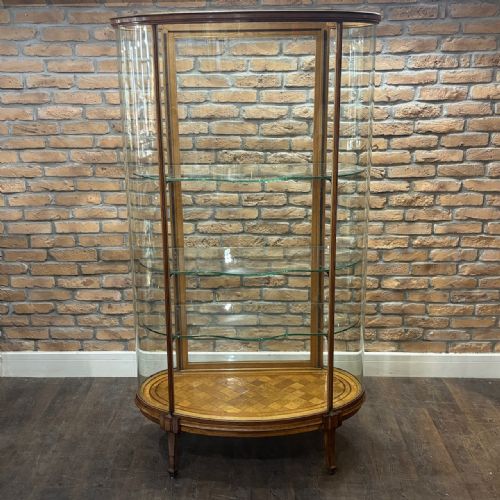
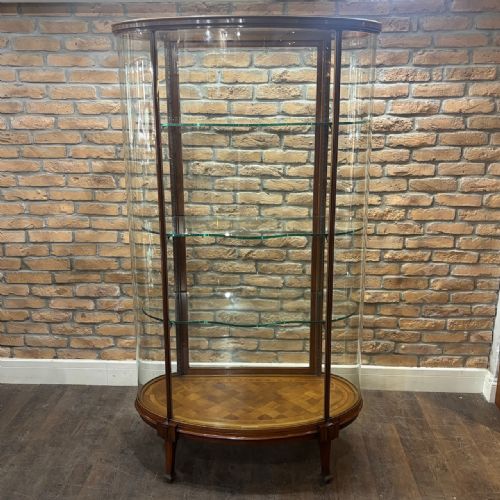
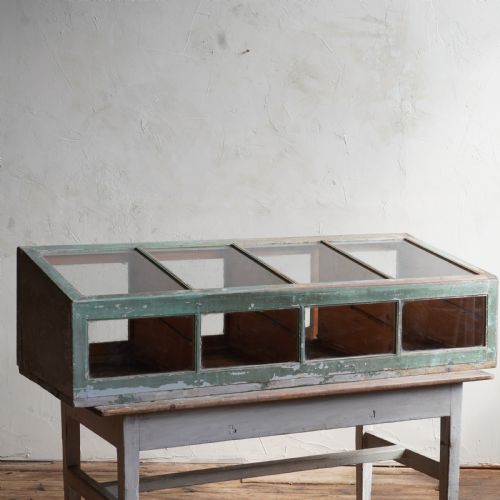
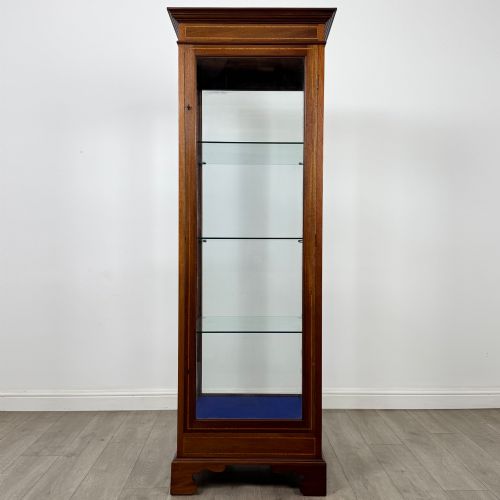
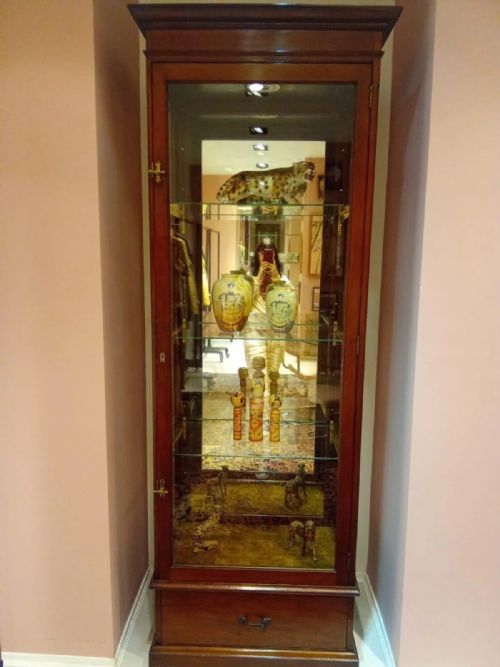
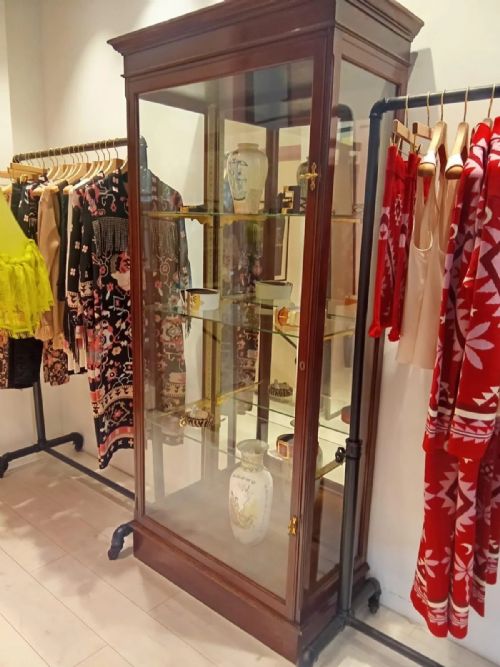
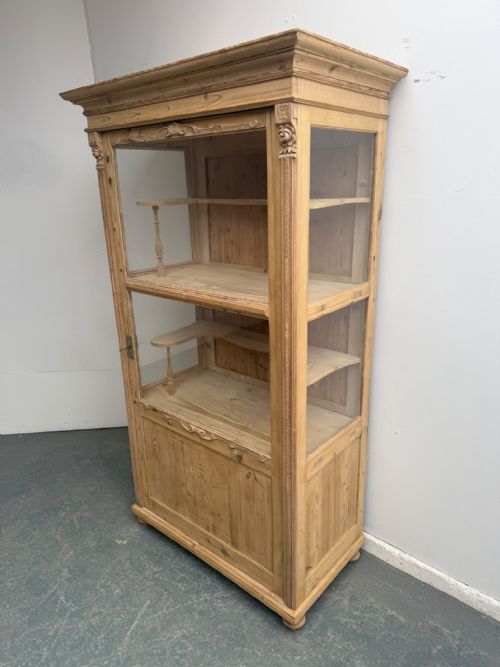
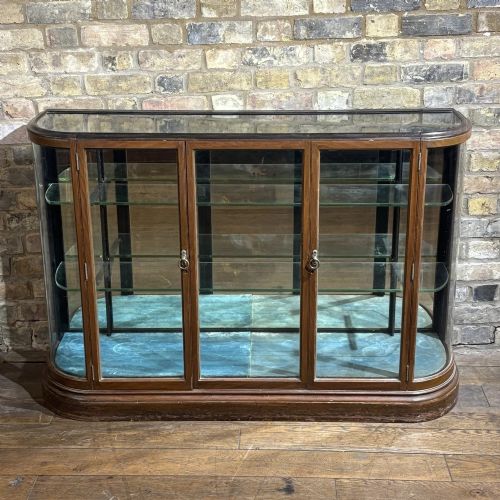
An antique shop vitrine takes the form of a display cabinet, case, counter or tabletop unit designed for retail trade. The selection includes tall freestanding towers, bow-ended units and low counters used originally in emporiums and apothecaries.
Most examples date from the Victorian and Edwardian eras through to the 1920s and 1930s Art Deco period. These commercial fittings originate from English workshops as well as French and American makers.
The buyer meets various configurations here, ranging from large mahogany triple display cabinets to compact ebonised countertop cases. Many retain their original glass shelving and glazed doors intended for merchandise.
Materials and Construction
Makers built these commercial cases using solid timbers like mahogany, oak, pine and ebonised wood. Brass hardware, steel frames, leather accents and mirror glass frequently complement the primary wooden structures.
Glazing is central to the construction, utilising large sheets of glass to enclose the display space while keeping contents visible. Velvet and fabric linings often provide a soft base inside the cabinets, and gold leaf sometimes decorates the exterior frames.
Listings feature oak, mahogany, ebonised wood and steel structures paired with extensive glass glazing.
Design and Proportion
Quality rests in the harmony of the proportions and the clever use of curved glass, such as bow fronts and pentagonal shapes. Superior examples incorporate specialist maker details, high-grade mahogany and fine brass mounts rather than standard utility construction.
The integrity of the original glazing and the retention of working hardware distinguish finer commercial units from altered pieces. Distressed paint finishes and later sign-writing reveal a working history, while clean architectural lines point to high-status retail commissions.
F. Sage & Co·John Stow Ltd·Siegel·Quincy Showcase Works·E. Pollard & Co. Ltd.
The Antique Shop Vitrine Glossary
- Vitrines
- Glass display cabinets designed for showing objects while protecting them from dust. These enclosures rely on transparent panes on multiple sides.
- Ebonised
- Wood treated to imitate ebony through staining or painting. This dark finish appears frequently on early twentieth-century retail furniture.
- Bow Front
- A convex curved cabinet front that projects outward. This shape softens the corners of a room and widens the internal viewing area.
- Countertop
- Small display cases built to sit upon shop counters for close customer inspection. Apothecaries and confectioners utilised these miniature vitrines.
- Vernis Martin
- A type of decorative lacquer finish developed in France. It mimics oriental lacquer work with luminous painted scenes.
Antique Shop Vitrine: Frequently Asked Questions
What were antique shop vitrines used for?
Merchants employed these glazed cabinets to display confectionery, perfume, jewellery and apothecary goods to the public.
The glass panels protected delicate stock from handling while ensuring maximum visibility on the high street.
How do I date a shop vitrine?
Dating relies on timber choices, construction methods and stylistic markers such as Edwardian inlay or Art Deco geometry.
Maker plaques and structural hardware further help place a cabinet within the Victorian, Edwardian or 1920s periods.
Are the shelves usually adjustable?
Many mahogany and oak retail cabinets feature adjustable glass shelves supported by metal brackets.
This adaptability allowed shopkeepers to alter the interior layout depending on the height of their merchandise.
How do I live with a vitrine?
These tall and countertop cases suit modern interiors as display spaces for collections of ceramics, glass or silver.
Positioning them away from direct sunlight protects both the timber frames and any delicate fabric linings inside.