

Vintage Wall Cabinet
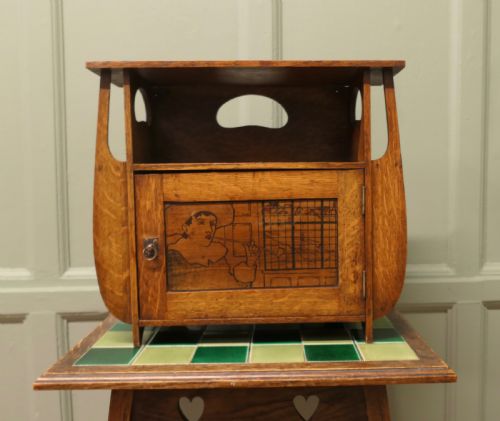
These vintage wall cabinet pieces bring compact timber storage and display to tight domestic rooms.
Vintage Wall Cabinet
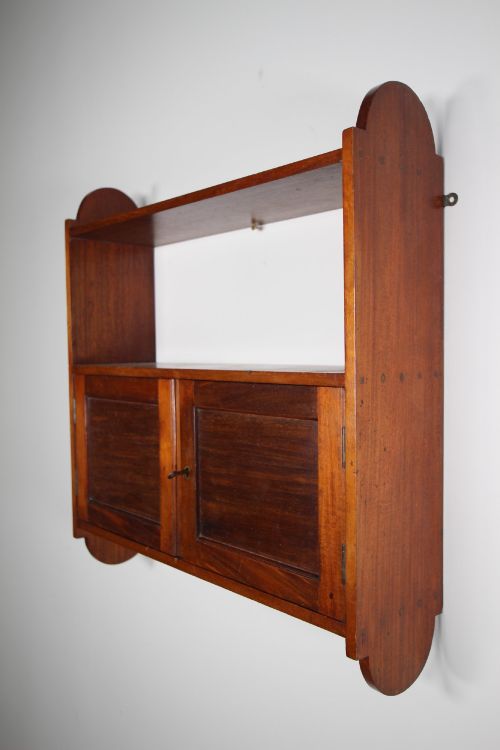
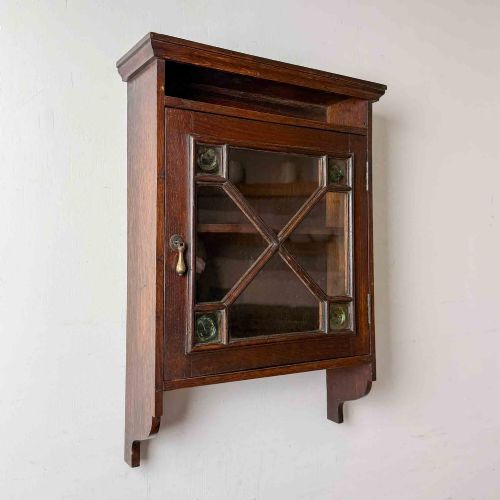
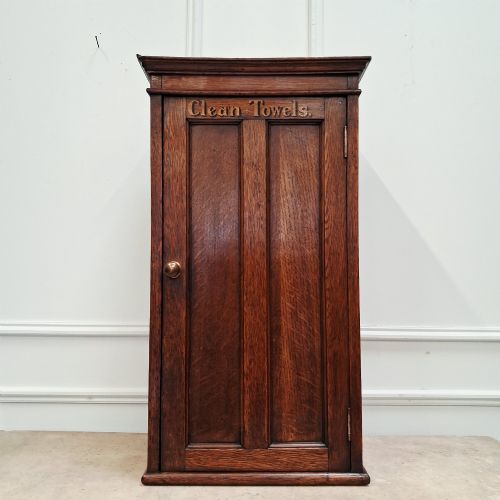
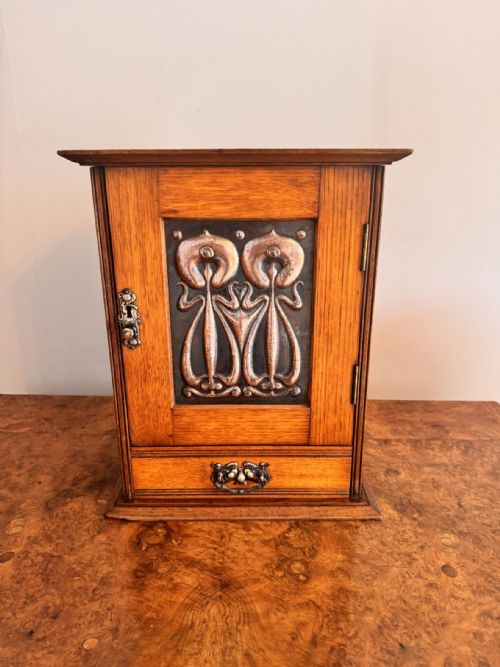
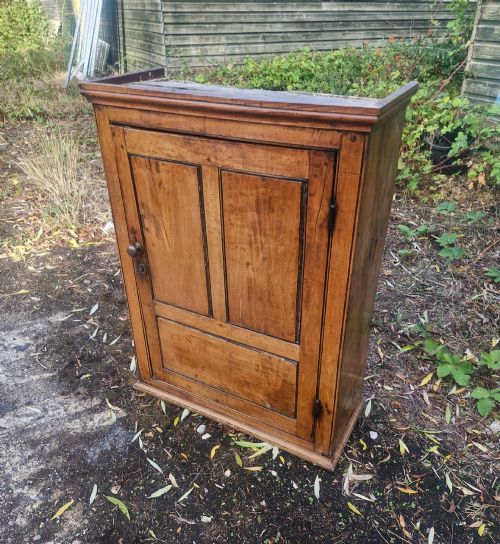
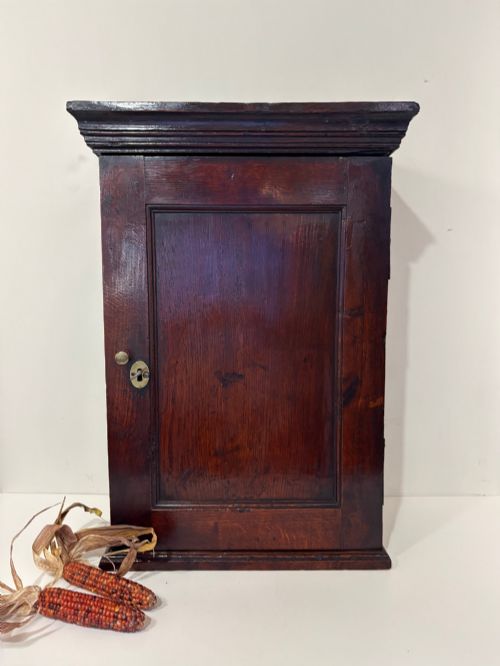
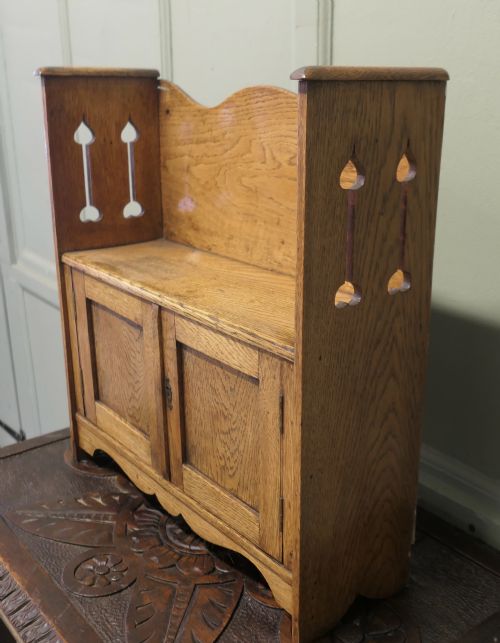
A vintage wall cabinet solves storage problems in smaller rooms by mounting directly to timber studs or masonry surfaces. The selection spans straightforward pine and oak cupboards alongside glazed hanging display units.
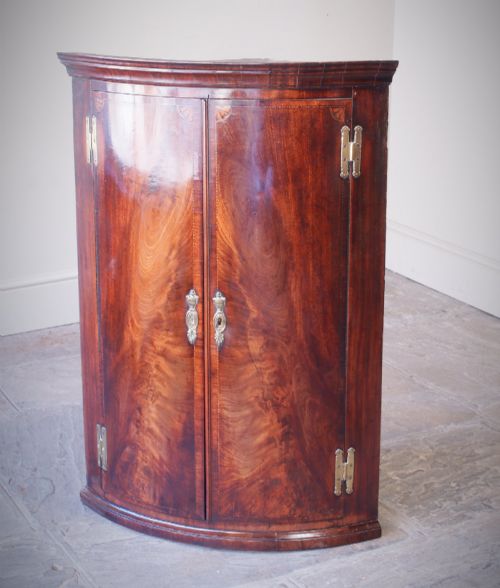
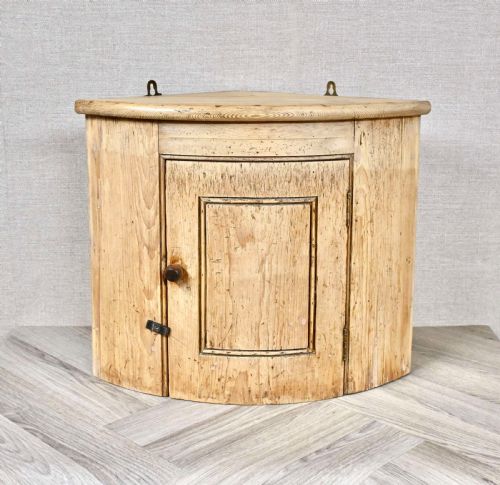
Most examples originate from the eighteenth and nineteenth centuries, taking the form of corner cupboards, bow front units and flat-backed wall mounted boxes. Georgian mahogany and Victorian pine dominate the available configurations.
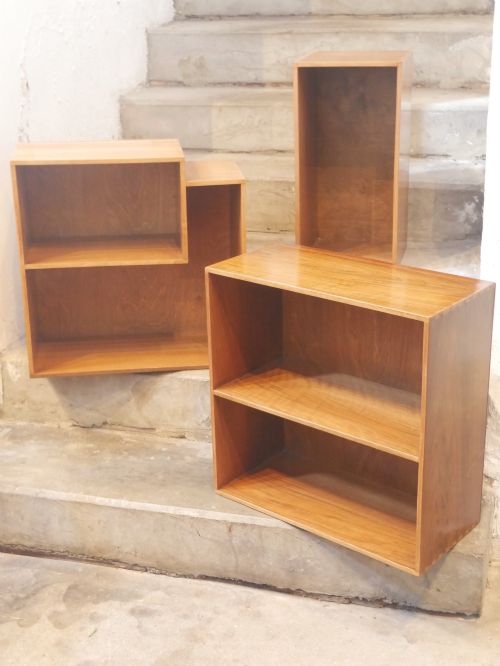
Buyers also encounter related hanging storage such as open wall shelves, pigeon holes and railway ticket cupboards. These variations offer practical solutions for kitchen spice storage or desk organisation.
Materials and construction methods
Makers relied heavily on solid hardwoods like oak and mahogany for formal rooms, while domestic functional pieces utilised pine and walnut. Joints typically rely on traditional dovetailing for drawers and mortise-and-tenon construction for frames.
Surfaces received various finishes depending on the period and regional style, from plain waxed timber and japanned chinoiserie to painted and gilt details. Brass hinges, escutcheons and working keys secured the panelled and glazed doors.
Listings feature eighteenth and nineteenth-century pine, oak and mahogany wall cabinets alongside specialised pigeon holes and ticket cupboards.
What separates the tiers of quality
Quality rests upon the selection of timber figures, such as plum pudding mahogany, and the crispness of hand-carved mouldings. Superior examples retain original brass hardware, working locks with keys and unpainted interior surfaces.
Proportion and construction depth dictate functional success, particularly in corner units where the fit against internal walls must remain true. Cabinets with intact glazed panels and untouched historical patination command greater attention from collectors.
The Vintage Wall Cabinet Glossary
- Bow front
- A convex curved cabinet door or cabinet front that projects outward from the corners. This shape gained popularity during the Georgian period.
- Japanned
- A European imitation of East Asian lacquerwork using dark varnishes and raised metallic decoration. This decorative technique appears on eighteenth and nineteenth-century pieces.
- Hanging corner cupboard
- A triangular storage unit designed to fit into a room corner and mount directly to walls rather than resting on the floor. These save valuable floor space in smaller domestic interiors.
- Escutcheon
- A protective plate surrounding a keyhole, usually fashioned from brass. It prevents the timber around the lock from sustaining damage over repeated use.
- Pigeon holes
- A series of small recessed compartments stacked together for sorting documents or papers. These open slots frequently appear inside nineteenth-century utility furniture.
Vintage Wall Cabinet: Frequently Asked Questions
How do I hang an antique wall cabinet safely?
Most vintage wall cabinet designs utilise heavy internal screw fixings through the backboards or robust mounting brackets. Secure the unit directly into wooden wall studs or use appropriate masonry anchors.
Distribute heavier items on the lower shelves to maintain stability once the piece is hung.
What rooms suit a corner cupboard best?
Corner cupboards excel in dining rooms, kitchens and hallways by turning dead architectural angles into functional storage space. Their angled backs fit snugly where standard rectangular furniture cannot go.
Glazed versions display ceramics effectively while solid doors conceal household clutter.
How do I identify a Georgian wall cabinet?
Georgian pieces typically feature dense mahogany or oak timbers, hand-cut dovetails and classic architectural proportions like dentil cornices. Brass H-hinges or butterfly hinges often secure the doors on earlier examples.
Drawer linings inside these units are constructed from secondary softwoods with visible hand-planed tool marks.
Can I paint a stripped pine wall cabinet?
Many pine cupboards received painted finishes historically, so applying traditional milk paint or eggshell is historically sympathetic. Ensure the timber surface is clean and free from old wax before applying any new coatings.
Leaving the pine bare highlights the natural grain and historical knocks accumulated over decades.