
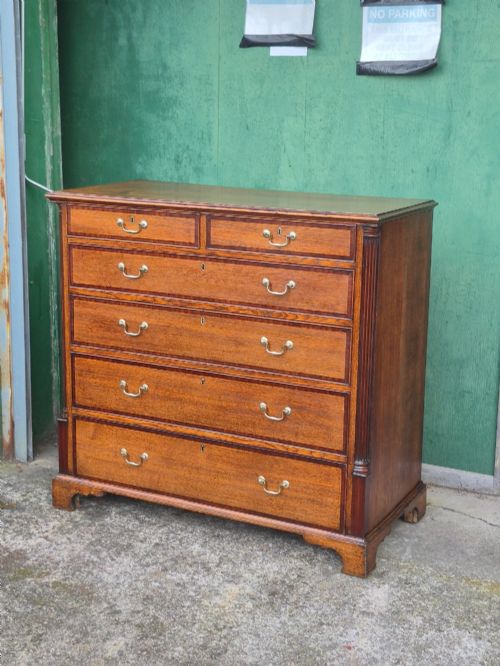
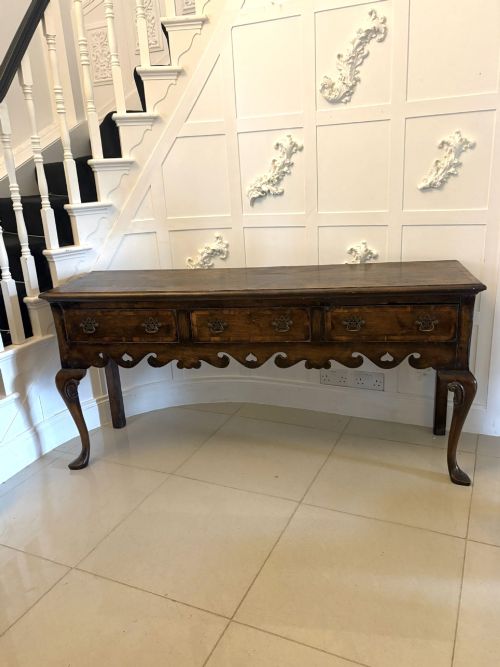
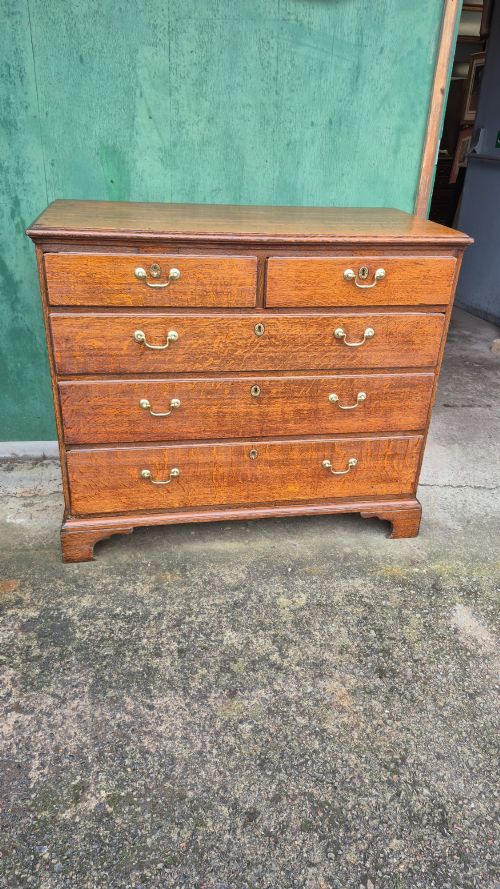
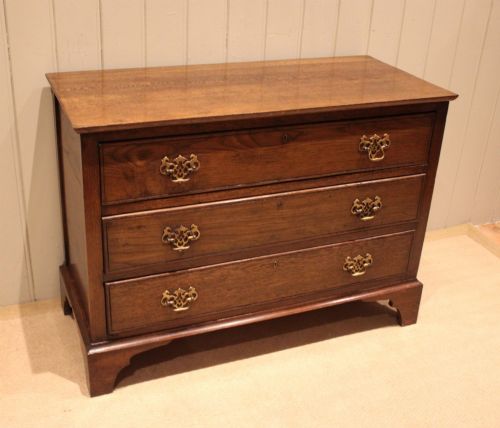
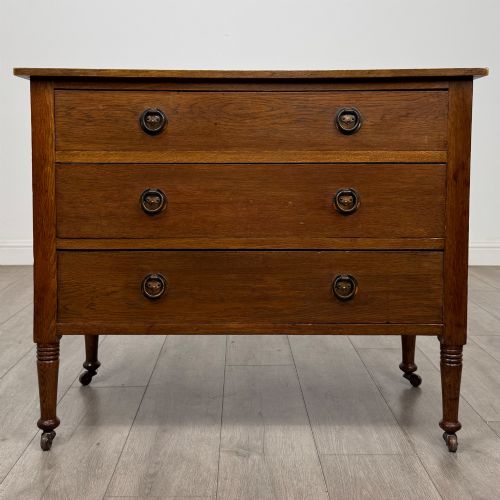
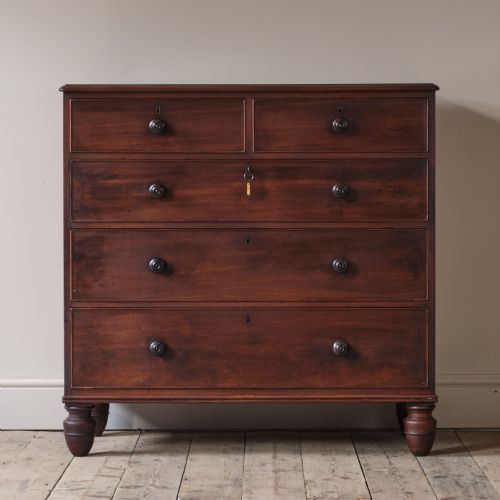
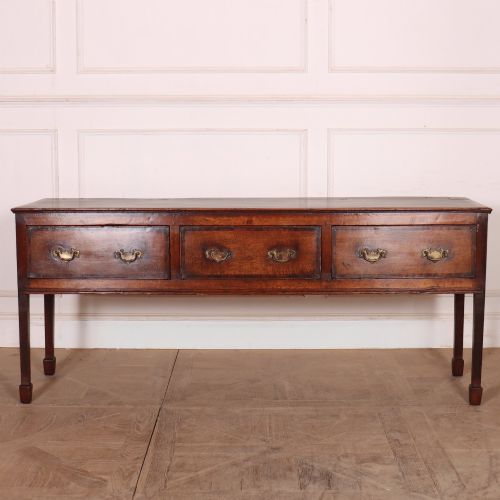
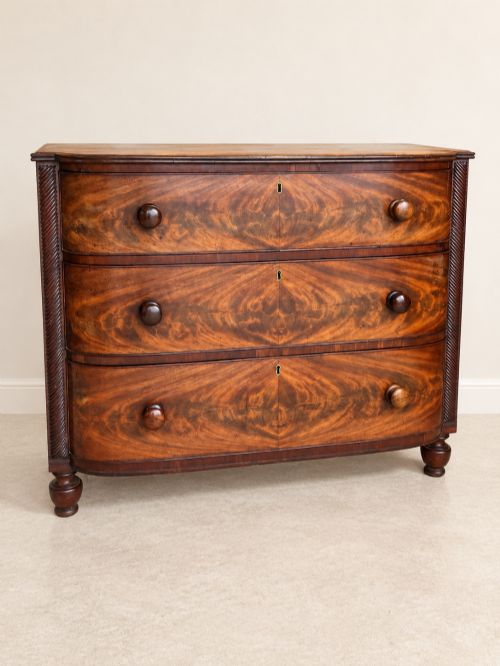
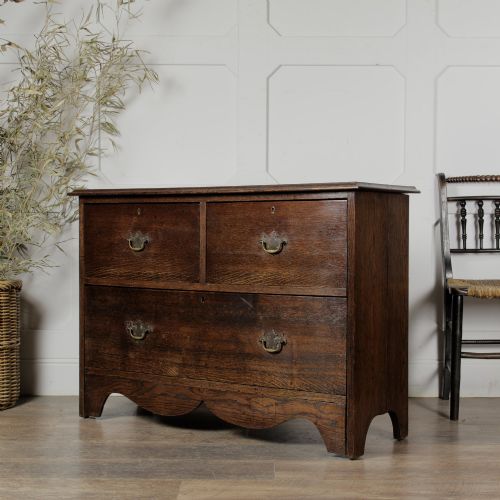
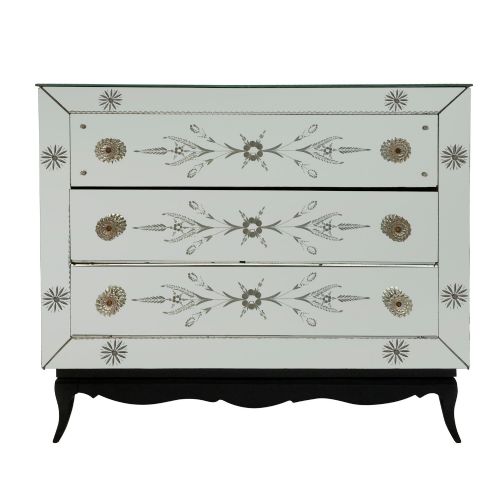


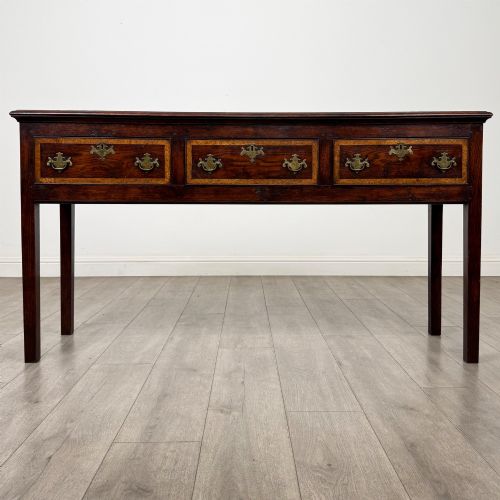
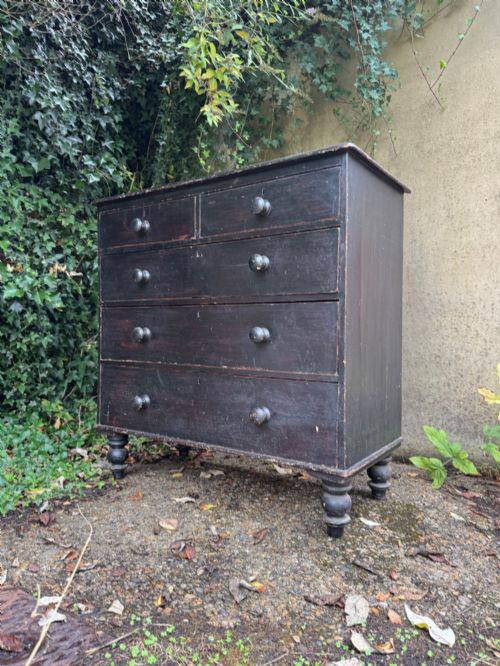
Three Drawer Dresser
A three drawer dresser provides practical utility combined with centuries of traditional craftsmanship.
Three Drawer Dresser
Buyers exploring this selection encounter utilitarian storage furniture and serving surfaces spanning the 18th century through the Edwardian era. The most frequent forms include robust oak and elm farmhouse dresser bases alongside mahogany and pine chamber storage.
Originating predominantly from English and Welsh workshops, these pieces function as low sideboards or kitchen storage equipped with a triad of upper compartments. Regional variants display distinct traits, such as open potboards beneath or cabriole legs supporting the framework.
Materials and construction
Cabinet makers utilised native timbers including solid oak, elm, walnut, and pine, frequently pairing denser hardwoods for structural frames with softer secondary woods. Mahogany gained prominence during the Georgian and Regency periods for formal reception rooms.
Traditional joinery methods governed assembly, incorporating pegged mortise and tenon joints for dresser bases and hand-cut dovetails for drawer construction. Metalwork hardware such as brass drop handles and iron fixtures secured functional longevity.
Three Drawer Dresser Retail Price Guide 2026
Typical asking prices for three drawer dresser among the pieces listed under this phrase on Sellingantiques today, from the lower quarter to the upper quarter. They describe what is for sale here now, not the wider market.
Listings feature woods such as oak, mahogany, pine, walnut, and elm, spanning periods from the 17th century through the Edwardian era.
Quality variations
The standard of a piece depends heavily on the selection of timber grain, particularly where crossbanding, burr veneers, or geometric mouldings are applied to the facade. Superior examples exhibit harmonious proportions and unblemished primary surfaces that retain their natural patina.
Integrity of construction separates finer workshop production from standard utility items, visible in the precision of drawer dovetailing and the retention of original hardware and supports like bolster turnings or potboard lower tiers.
T G Seddon·J Moorcroft
The Three Drawer Dresser Glossary
- Dresser base
- A low side table featuring working drawers above, often designed with an open potboard shelf or cupboards below for storage.
- Potboard
- An open lower shelf built into a dresser base, traditionally utilised for displaying or storing earthenware and kitchen pots.
- Crossbanding
- A decorative border technique where thin strips of veneer are laid across the wood grain around the perimeter of a top or drawer front.
- Geometric moulding
- Raised wooden mouldings applied in decorative rectilinear patterns onto drawer fronts, typical of 17th-century and William and Mary furniture.
- Cabriole leg
- A furniture leg that curves outward at the knee and tapers inward toward the foot, drawing inspiration from classical animal forms.
Three Drawer Dresser: Frequently Asked Questions
What is a three drawer dresser?
A three drawer dresser is a traditional storage item featuring three horizontal drawers positioned above a low base, sideboard, or potboard.
These pieces were historically used in kitchens and dining rooms to store tableware while providing a solid surface for food preparation and serving.
How were these dressers used?
Households utilised the surface top for serving meals and displaying kitchenware, while the three drawers held cutlery, linens, and smaller utensils.
Open lower shelves, known as potboards, accommodated larger bowls, heavy pots, and everyday domestic items within easy reach.
How do I live with antique furniture?
Integrating these pieces into modern interiors involves placing them in hallways, dining rooms, or living spaces where their surface and drawers offer practical storage.
Maintaining the wood requires keeping them away from direct heat sources and sudden humidity changes to preserve the original timber and finish.
How do I tell periods apart?
Earlier 18th-century pieces often display heavier oak construction with geometric mouldings or potboards, whereas Georgian and Regency examples frequently incorporate mahogany and brass handles.
Victorian and Edwardian versions tend to utilise pine or standard oak construction, reflecting changing domestic fashions and industrial manufacturing methods.