






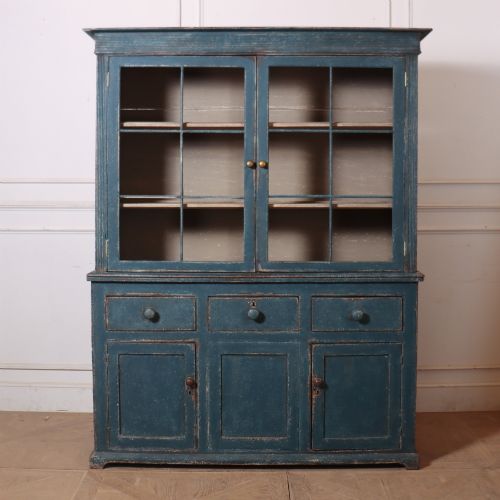
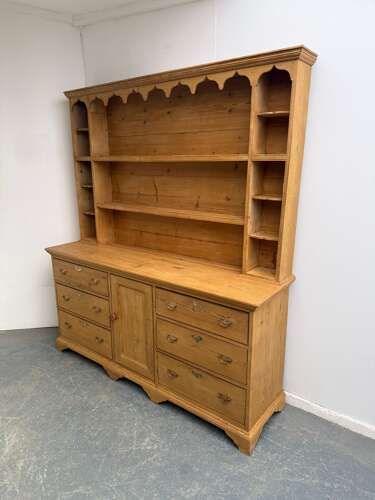
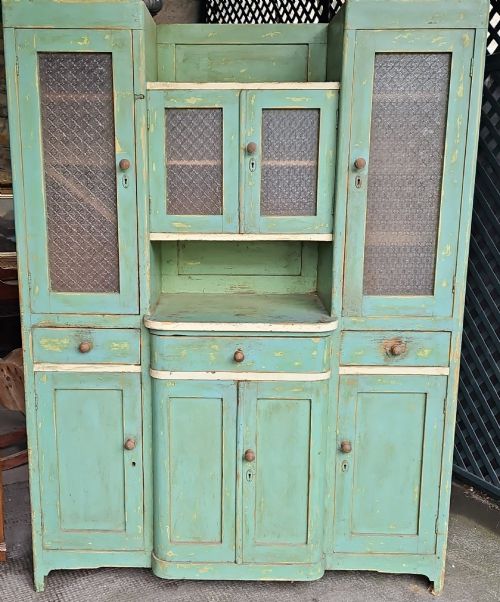
Country Pine Hutch
A country pine hutch offers rugged utility and honest joinery, bringing everyday warmth to a kitchen or dining room.
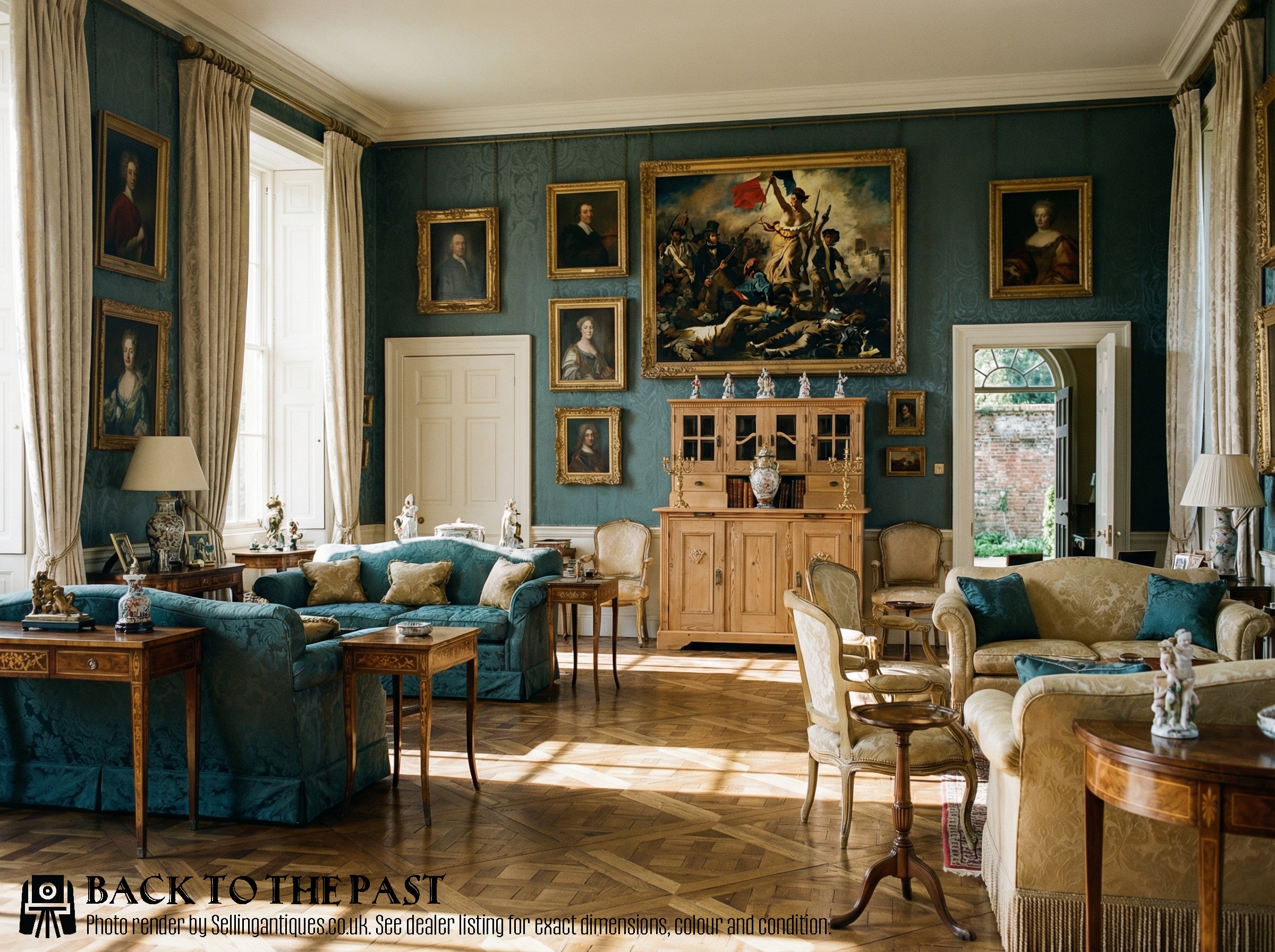
Country Pine Hutch
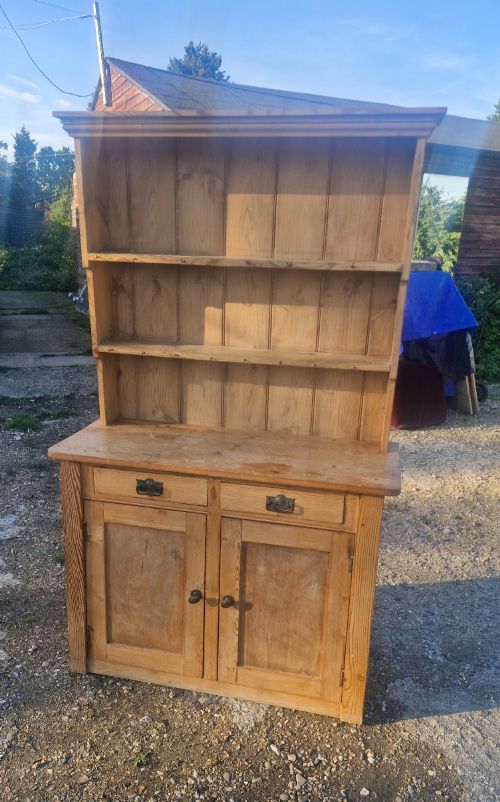
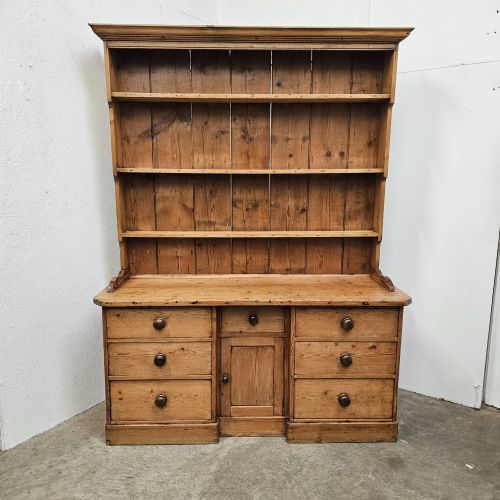
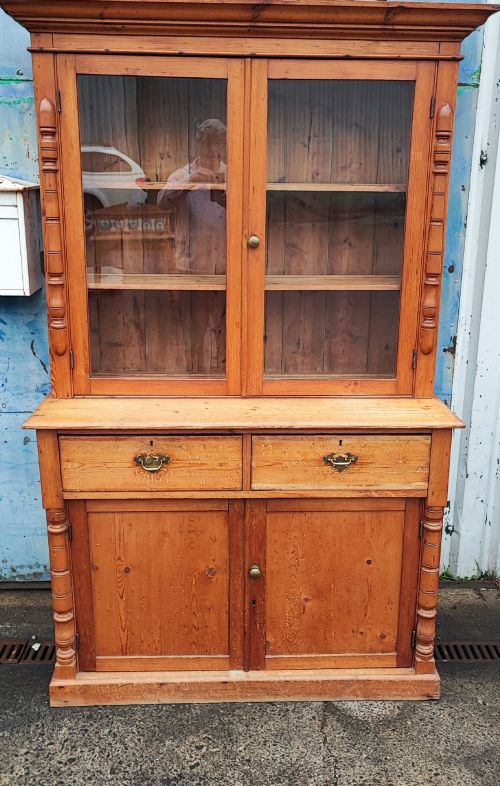
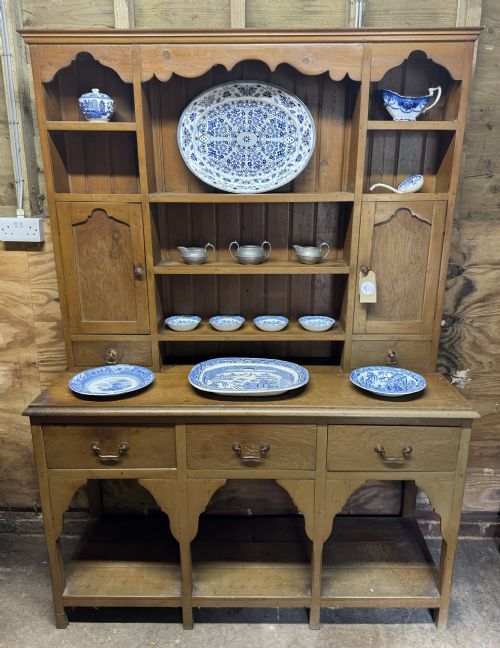
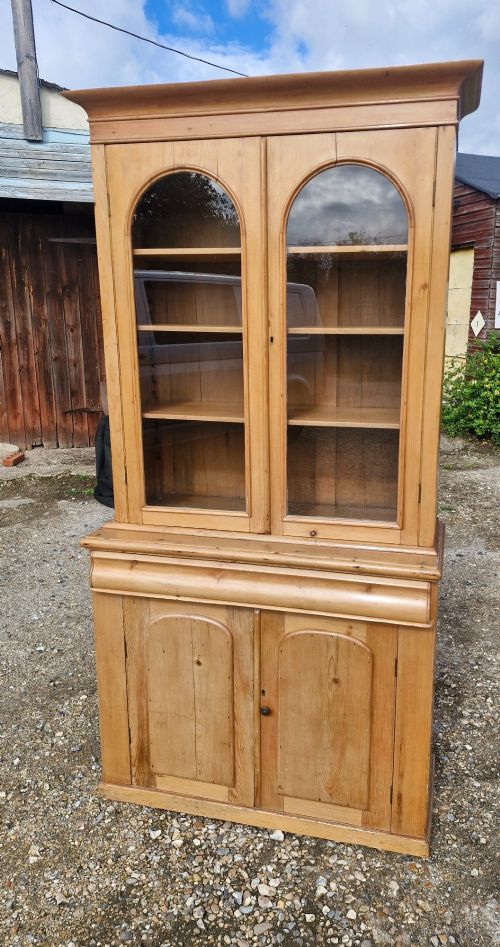
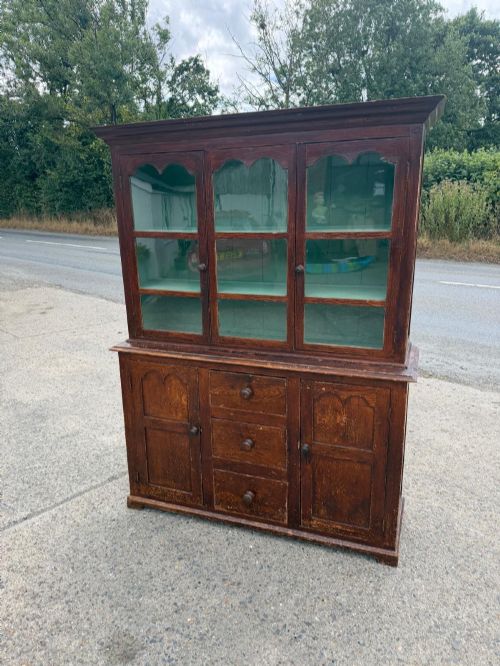
When you search for a country pine hutch, you are looking at practical storage furniture that typically combines open display shelving with enclosed lower cupboards. These pieces include kitchen dressers, bookcases, and corner cabinets designed for domestic service in various regions.
The versions you are most likely to meet on this page span the eighteenth, nineteenth, and early twentieth centuries. They originate from English vernacular workshops, Welsh rural makers, and Scandinavian or Hungarian traditions, showing regional variations in proportion and hardware.
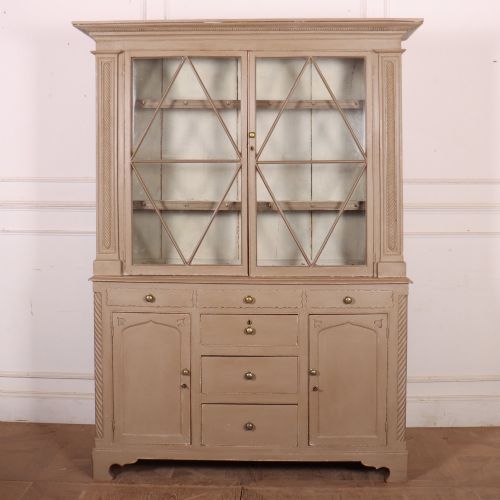
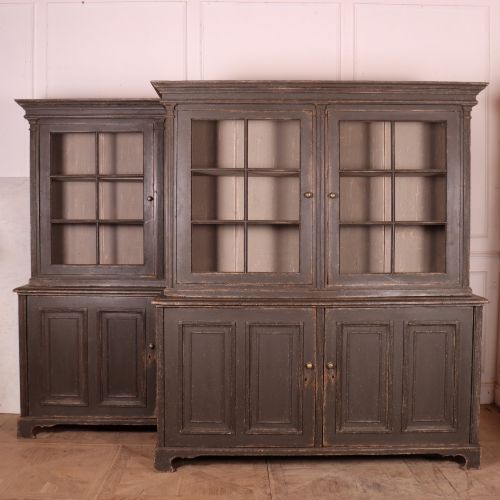
Forms range from compact corner cupboards and small dressers to massive multi-door kitchen cabinets and glazed top combinations. Each piece reflects the functional storage needs of past rural households.
How they were made
These items are constructed primarily from solid pine, often augmented with iron hinges, brass pulls, and sometimes glass door panels. Timbers were selected for utility, relying on straightforward board construction and traditional joinery suitable for domestic use.
Surface treatments vary significantly across the listings, featuring original waxed finishes, historic painted layers, scrubbed pine surfaces, and decorative folk art motifs. These finishes accumulated through generations of daily use, maintenance, and regional taste.
Country Pine Hutch Retail Price Guide 2026
Typical asking prices for country pine hutch among the pieces listed under this phrase on Sellingantiques today, from the lower quarter to the upper quarter. They describe what is for sale here now, not the wider market.
Materials recorded across the inventory include pine, wrought iron, brass, glass, and traditional paint finishes.
What varies in quality
Quality in these pieces rests upon the integrity of the original construction and the survival of an authentic surface patina. Items retaining their untouched painted or waxed finishes demonstrate a higher grade of historical preservation than stripped or heavily altered examples.
The Country Pine Hutch Glossary
- Vernacular
- Everyday furniture made by regional craftsmen for local domestic use rather than following high-style metropolitan fashions. These pieces prioritise practical function and local material availability.
- Patina
- The surface appearance and texture developed by wood and paint over decades or centuries of handling and cleaning. It indicates age and consistent household use.
- Breakfront
- A piece of furniture where the centre section projects forward from the side sections. This layout creates visual depth and varied internal storage capacity.
- Scrumble
- A decorative painting technique used to imitate the grain of finer woods or create mottled surface textures. It appears on regional painted furniture.
- Folk Art
- Artistic work produced within a traditional community culture, often featuring hand-painted decorations or vernacular motifs. Swedish and Hungarian pieces frequently display these distinct regional traditions.
Country Pine Hutch: Frequently Asked Questions
What is a country pine hutch?
A country pine hutch is a functional storage unit or dresser made from pine, featuring shelves for display and cupboards for storage. These pieces were essential items in rural kitchens and dining spaces.
They serve today as practical storage furniture that adds historical character to modern interiors, accommodating tableware, books, or decorative objects.
Where were these hutches made?
These pieces originate from various rural workshops across England, Wales, Ireland, Scandinavia, and Hungary. Each region developed distinct proportions, door configurations, and paint treatments.
English and Welsh examples often emphasise open plate racks, while Scandinavian and Hungarian pieces frequently showcase painted folk art finishes and robust multi-door cabinets.
How do I care for a waxed pine hutch?
Maintaining a waxed pine surface involves dusting with a soft cloth and occasionally applying a traditional beeswax polish to nourish the timber. Avoid placing the piece in direct sunlight or near heat sources.
Proper humidity control prevents the pine from drying out or splitting, helping preserve the historic wood and its underlying character.
Are painted finishes on these pieces original?
Many pieces retain historic painted surfaces, ranging from simple cream and teal coats to detailed folk art motifs. Evaluating the paint involves looking for natural wear, craquelure, and layer depth.
Some items were historically repainted by successive generations, while others retain their first decorative scheme applied in the nineteenth or eighteenth century.