
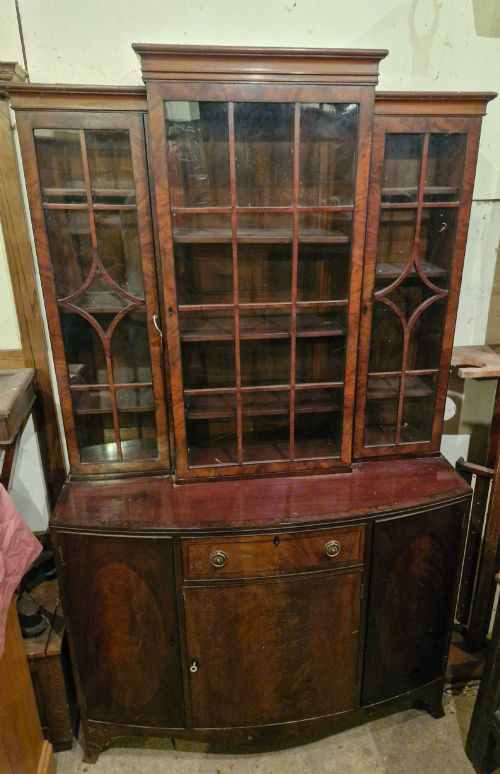
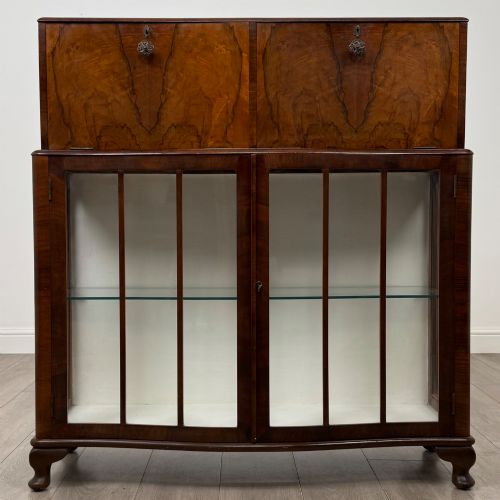
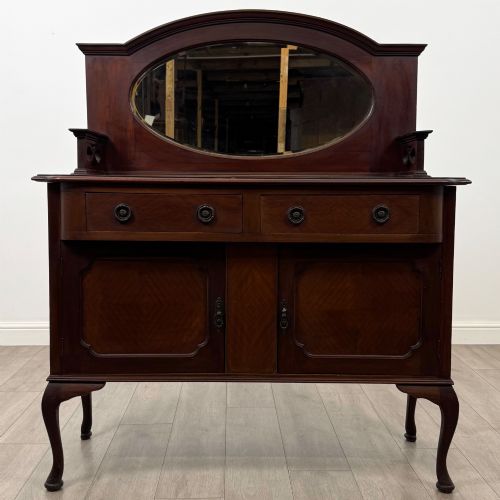
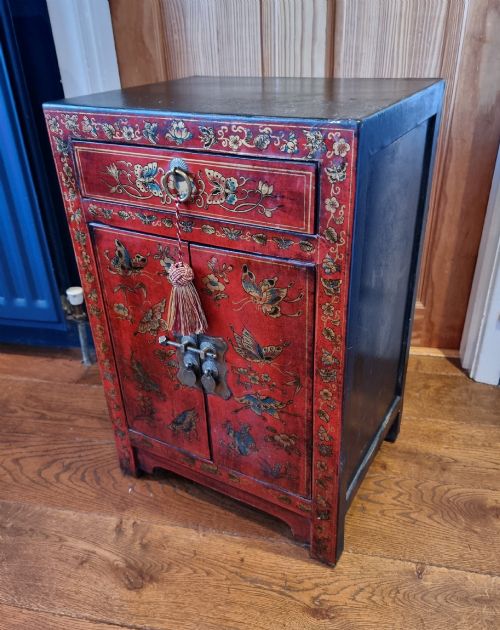
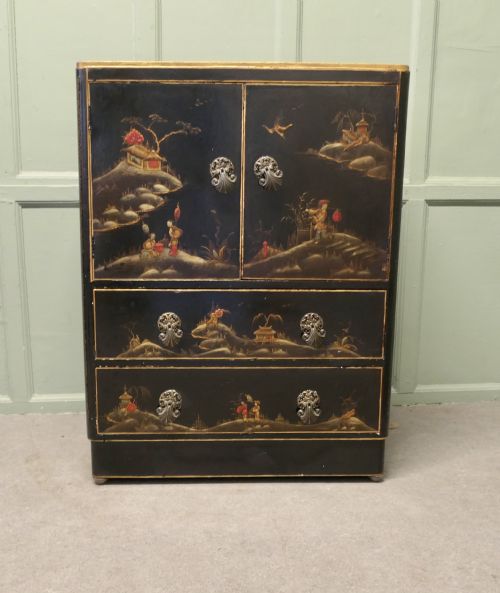
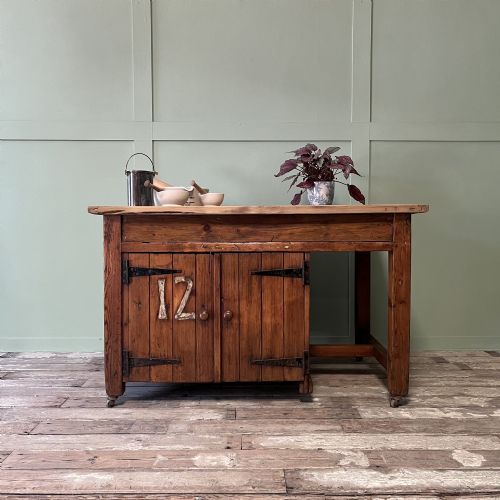
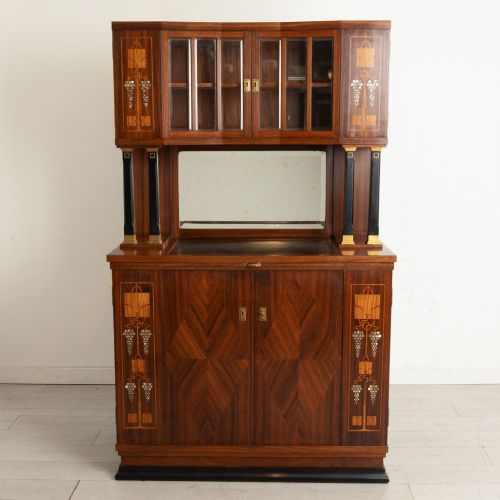


Early 20th Century Sideboard
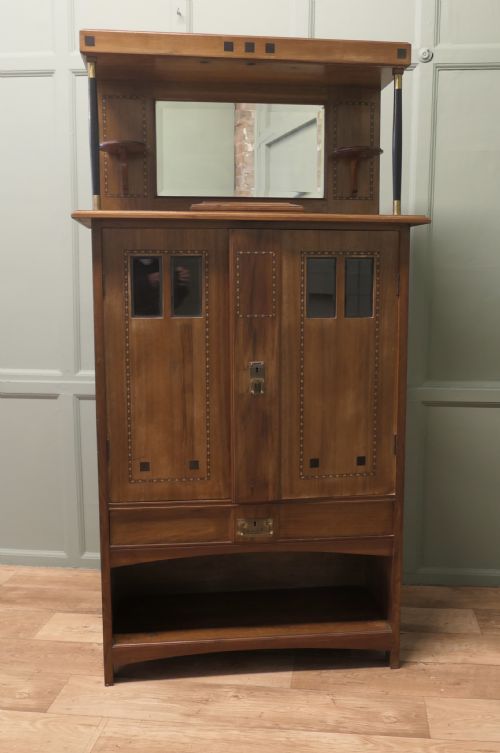
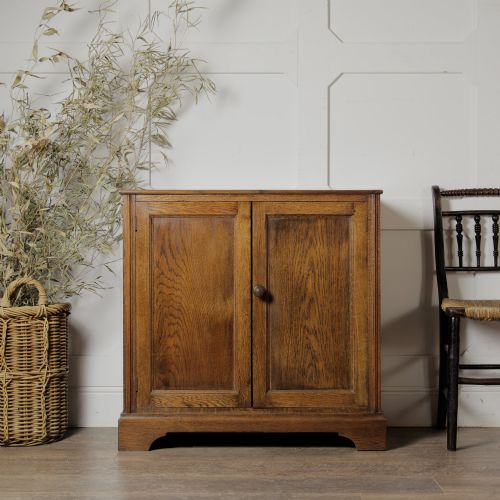
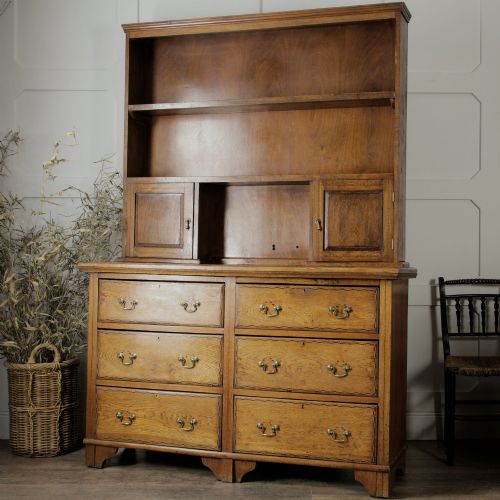
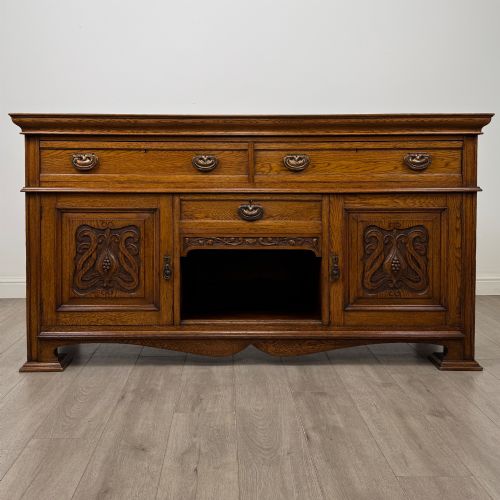
An early 20th century sideboard delivers practical storage and distinct period character, anchoring a room with dependable craftsmanship.
Early 20th Century Sideboard
An early 20th century sideboard brings together functional dining room storage and the varied design movements spanning from the Edwardian era through the 1930s. Buyers searching for this phrase encounter solid timbers, polished veneers, and distinct regional styles.
Oak and mahogany versions dominate the selections, alongside walnut and painted pine iterations. Forms range from heavy carved pieces to sleek, streamlined cabinets.
Craftsmen built these units to serve domestic dining rooms, hallways, and reception spaces with deep cupboards and generous drawer capacity.
Materials and Methods
Joiners relied on solid hardwoods like oak, walnut, and mahogany, often pairing them with decorative burr walnut or marquetry veneers to create patterned drawer fronts and cabinet doors. Brass hardware and occasional marble tops complete the structural build.
Traditional mortise and tenon joinery guarantees rigidity, while hand-carved motifs and inlaid banding reflect lingering Arts and Crafts, Art Deco, and revival influences.
Early 20th Century Sideboard Retail Price Guide 2026
Typical asking prices for early 20th century sideboard among the pieces listed under this phrase on Sellingantiques today, from the lower quarter to the upper quarter. They describe what is for sale here now, not the wider market.
Listings feature oak, walnut, mahogany, pine, and lacquered wood across Edwardian, Art Deco, and Arts and Crafts styles.
The Spectrum of Quality
Construction methods and timber selection divide standard production furniture from exhibition pieces. Heavy solid oak and figured walnut veneers reflect higher grade workshops, while painted pine and simpler assemblies meet utilitarian needs.
Details such as matched grain patterns, solid brass handles, and intricate marquetry indicate superior cabinetmaking over straightforward factory output.
August Ungethüm·Pietro Ferrario·Whytock & Reid
The Early 20th Century Sideboard Glossary
- Marquetry
- The art of applying pieces of veneer to a structure to form decorative designs. Craftsmen use varied wood tones to create pictorial scenes or geometric patterns.
- Serpentine
- A curved furniture front characterised by a concave centre flanked by convex ends. This profile requires precise woodworking to achieve a smooth undulating line.
- Secessionist
- An early twentieth century design movement rejecting historicism in favour of geometric forms and clean lines. Pieces from this style exhibit restrained ornamentation.
- Chinoiserie
- The European imitation of Chinese and East Asian artistic traditions, often expressed through lacquered surfaces and painted motifs. Skilled artisans applied multiple layers of lacquer to achieve deep gloss finishes.
- Commode
- A low cabinet with doors or drawers, originally serving bedroom or reception room storage. The term denotes a formal freestanding chest.
Early 20th Century Sideboard: Frequently Asked Questions
How do I identify Edwardian sideboards?
Edwardian sideboards typically utilise mahogany or oak, often incorporating subtle inlay work and classical bracket feet.
They bridge Victorian heaviness and later twentieth-century restraint, focusing on lighter proportions and balanced drawer arrangements.
Where were these sideboards placed?
Dining rooms housed the majority of these pieces, serving as storage for heavy porcelain, glassware, and table linen.
Hallways and reception rooms also accommodated smaller side cabinets and cupboards for household administration.
What is burr walnut?
Burr walnut derives from a tree growth where grain swirls into intricate, knotty patterns. Cabinetmakers slice this wood into thin veneers for decorative door fronts.
This material provides rich visual texture across early twentieth-century case furniture.
How do I care for polished wood?
Maintain polished timber surfaces by avoiding direct sunlight and excessive moisture. Regular dusting with a soft cloth preserves the original sheen.
Apply high-grade beeswax occasionally to nourish old finishes without building up heavy residues.