





Scottish Vernacular Furniture
Scottish vernacular furniture brings rugged, regional character into a room, offering honest local craftsmanship that collectors prize for its integrity.
Defining Scottish vernacular furniture
Scottish vernacular furniture comprises regional seating and storage pieces created outside major metropolitan design centres. When exploring Scottish vernacular furniture, a buyer encounters practical forms shaped by local tradition.
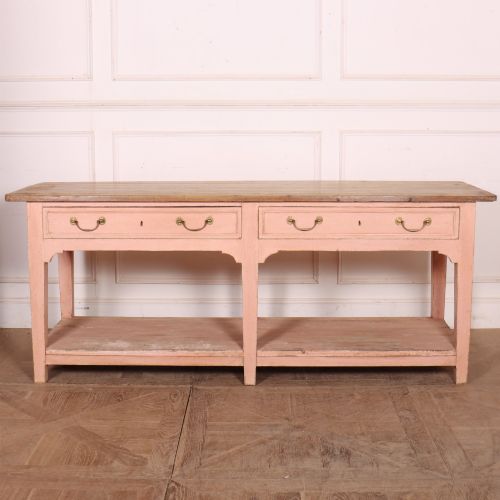
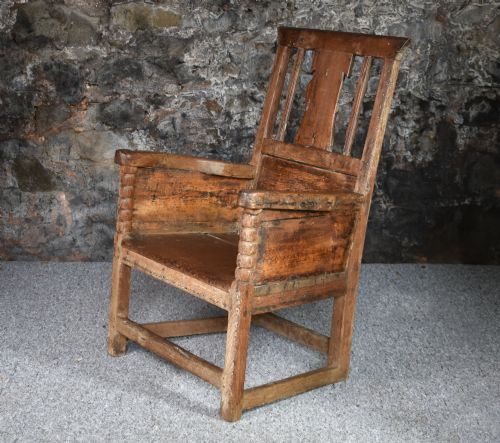
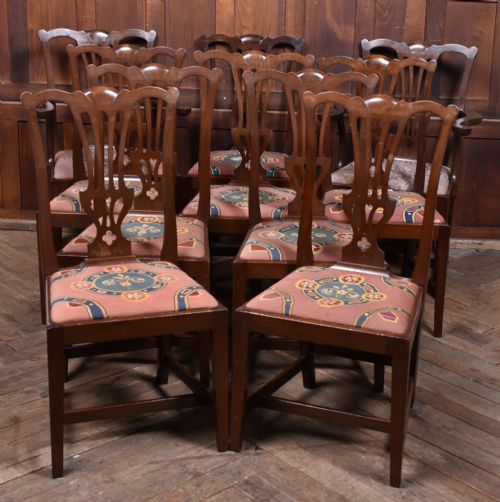
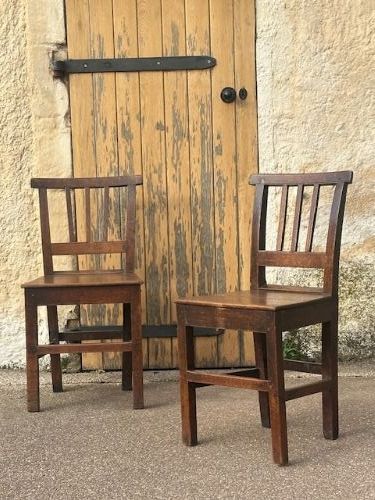
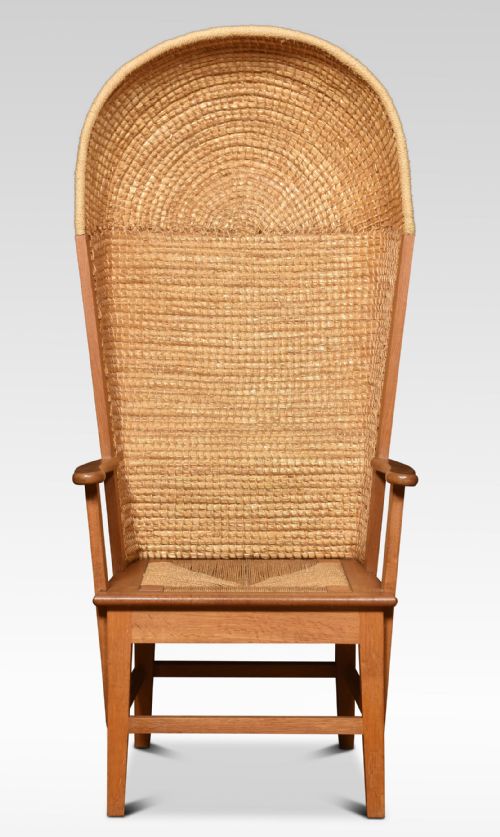
The selections available include armchairs, side chairs, dining chairs, and cupboards. Orkney chairs, gossip chairs, Windsor chairs, and joined chairs appear frequently.
Makers and workshops across the country utilised native timbers and locally sourced materials like straw and rush. Pieces range from the nineteenth century into the early twentieth century, reflecting enduring rural craftsmanship.
Materials and construction
Makers constructed these pieces predominantly from solid native woods including oak, elm, ash, and pine. Painted finishes also appear on functional storage forms.
Seating often incorporates traditional woven elements using straw and rush, alongside fabric upholstery. Joinery relies on sturdy pegged and jointed construction suited to everyday domestic use.
Retail Price Guide 2026
Typical UK retail prices for scottish vernacular furniture, calculated from the Sellingantiques database of over a million retail prices indexed since 2003. This retail price guide relies exclusively on Sellingantiques data; no external sources or auction records are used, so the figures do not describe the wider market.
Listings feature items from the nineteenth century up to 1920, constructed from oak, elm, ash, pine, straw, and rush.
Assessing quality
Quality in these regional pieces rests upon the purity of the native timber and the integrity of the original construction. Surviving untouched surfaces and honest patination distinguish superior examples from heavily altered pieces.
The refinement of regional joinery and the survival of delicate organic elements, such as woven straw backs, elevate the standing of a piece. The presence of identifiable workshop characteristics anchors a work firmly within its local tradition.
Wheelers of Arncroach
The Scottish Vernacular Furniture Glossary
- Vernacular furniture
- Domestic objects made by local craftsmen for regional use rather than following high-style metropolitan fashions. These pieces prioritise utility and local material traditions over courtly trends.
- Orkney chair
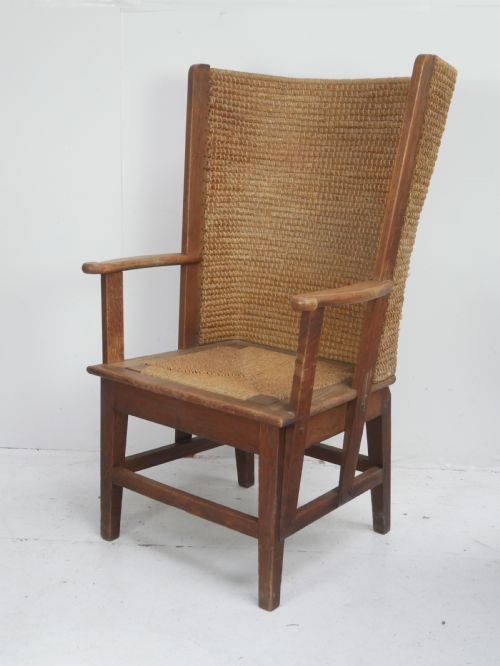
- A traditional Scottish armchair characterised by a low wooden frame and a high, woven straw back. They were designed to protect the sitter from draughts in stone-built island homes.
- Gossip chair
- An intimate seating form designed for conversation, often featuring a compact footprint. Examples from the early twentieth century reflect traditional regional woodworking techniques.
- Joined chair
- A wooden chair constructed using mortise and tenon joints secured with wooden pegs. This sturdy method preceded widespread use of metal fasteners in rural workshops.
- Windsor chair
- A chair built with a solid wooden seat into which the legs and back spindles are separately inserted. Regional variants display distinct local turning and framing habits.
Frequently Asked Questions
What is an Orkney chair?
An Orkney chair is a distinctive regional armchair featuring a wooden frame and a high, tightly woven straw back. These pieces were developed to keep sitters warm against coastal draughts.
They represent some of the most recognisable forms within Scottish vernacular design, combining expert woodwork with traditional basketry techniques.
How old are these pieces?
The pieces available date primarily from the nineteenth century through to the early twentieth century, spanning around 1900 to 1920.
Such dating relies on structural characteristics, material usage, and known workshop production periods recorded in the titles.
Where were they made?
These items originated in regional Scottish workshops, encompassing mainland areas and northern island groups like Orkney. Local makers utilised native woods and materials available in their immediate surroundings.
This geographic independence created distinct regional styles that differed significantly from London or Edinburgh fashions.
How do I care for antique pine and oak?
Keep these wooden pieces away from direct heat sources and dramatic humidity fluctuations to prevent splitting. Regular dusting with a dry cloth maintains the finish.
Avoid modern chemical polishes that can build up on historic painted or waxed surfaces over time.